
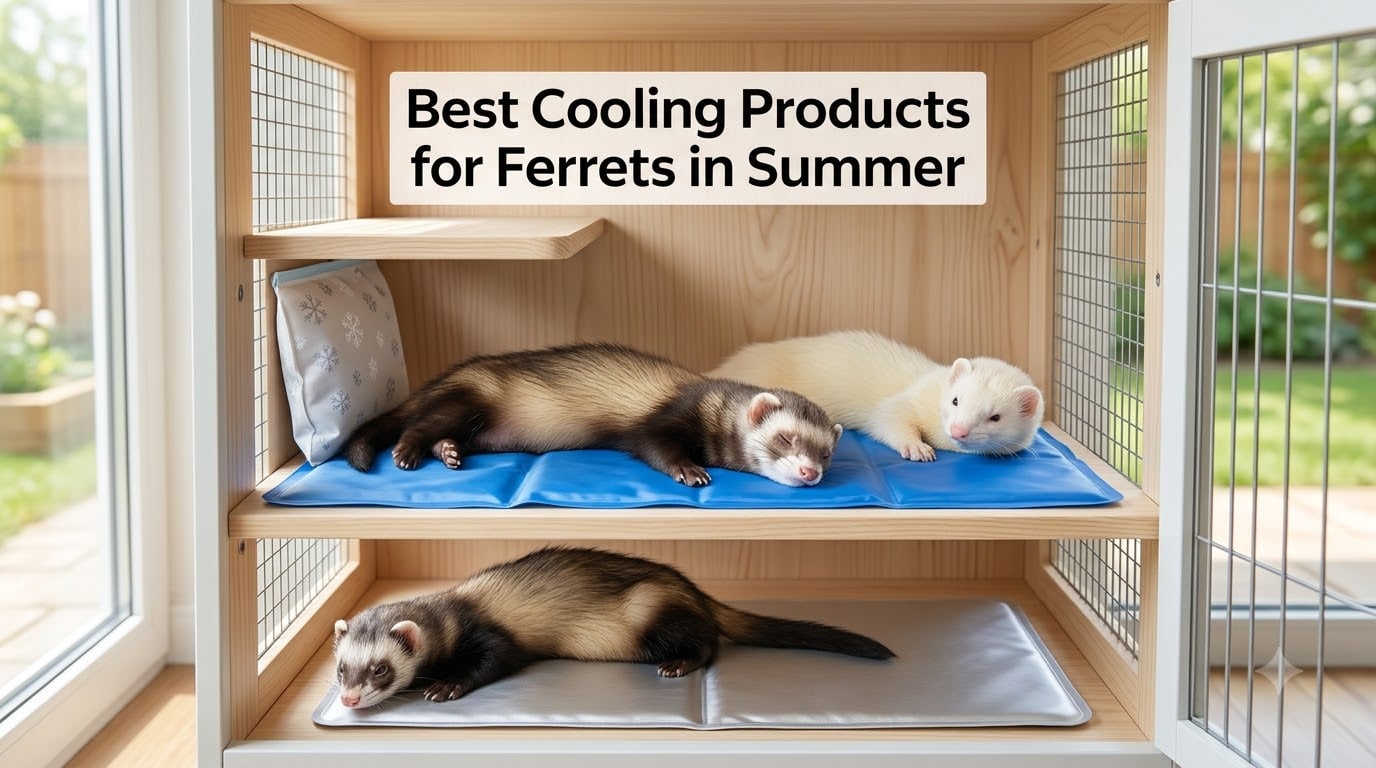
Ferrets cannot sweat. They have no functional sweat glands, they run a metabolism that burns hot, and they wear a dense fur coat through every heat wave, which is why the best cooling products for ferrets in summer are a survival tool rather than a luxury. Once a room climbs past 80 degrees Fahrenheit, a ferret has almost no way to dump heat on its own.
Our three ferrets (Pocket, Noodle, and Bandit) live with us in a house that hits 84 degrees on July afternoons, so we spent six weeks of summer testing mats, plates, hammocks, and ice-pack pouches in their actual cage. We tracked which items they slept on, which they chewed, and which sat untouched collecting bedding.
Below are our top three picks, a comparison of all eight products, the exact temperatures that matter for ferret safety, and the free tricks we still use alongside the gear we bought. Every rating and review count comes straight from the product listings, not from our opinion.
Table of Contents
Top 3 Picks for Keeping Ferrets Cool in Summer
The Hamiledyi cooling pouch is our editor’s choice because it was the only product that kept a surface chilled through a full workday, the Nuogo ice silk hammock set is the best value because you get four hammocks in one order, and the SquEqu glass stones are the budget pick if you just need a rapid cool-down spot. If you only buy one thing, buy the pouch. If you want to cool the whole cage, stack all three.


SquEqu 2-Pack Glass Stone…
- Two stones per pack
- Instant contact cooling
- Mesh backing grips floor
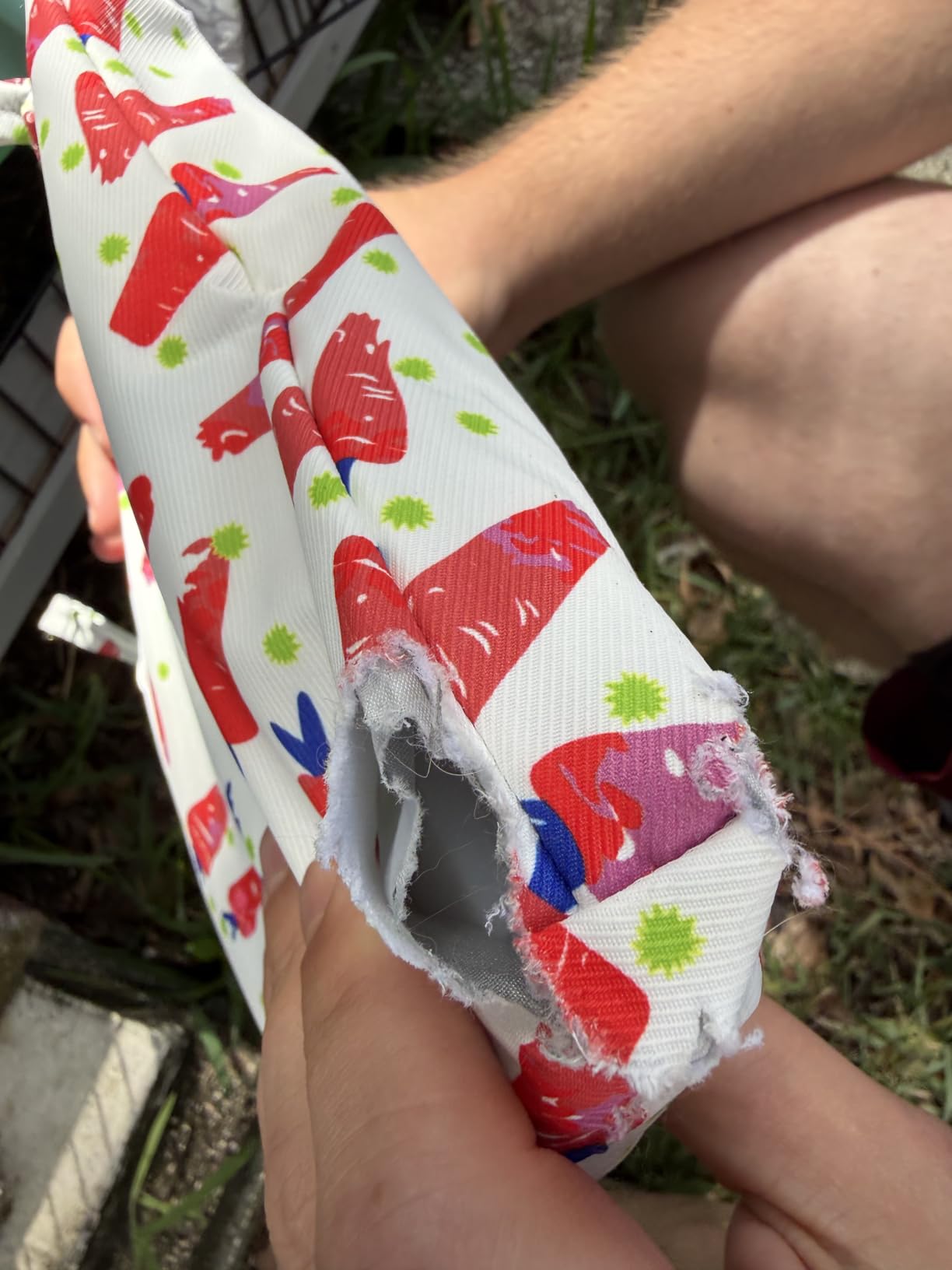
Editor’s Choice, Hamiledyi Cooling Pouch: This is the one product our ferrets never abandoned. The ice pack sits inside a sealed pocket, the waterproof lining means no wet cage floor, and the outer fabric survived six weeks of Pocket’s chewing with nothing worse than a few pinholes.
Best Value, Nuogo Ice Silk Hammock Set: Four double-layer hammocks in one order changed our entire cage setup. We hung two, laid one flat as a floor mat, and kept the fourth in rotation while the others went through the wash.
Budget Pick, SquEqu Glass Stones: You get two chilled stones that ferrets can sprawl across. They warm up in about 40 minutes, so we treat them as a rapid cool-down spot rather than an all-day solution.
All 8 Ferret Cooling Products Compared in 2026
Here is every product we tested, sorted by how we ranked them. The cooling method matters more than anything else, so read that column first.
| Product | Specs | Action |
|---|---|---|
| Hamiledyi Cooling Pouch |
|
Check Latest Price |
| Nuogo 4-Pack Ice Silk Hammocks |
|
Check Latest Price |
| SquEqu Glass Stone Chillers |
|
Check Latest Price |
 PeSandy Aluminum Cooling Pad PeSandy Aluminum Cooling Pad |
|
Check Latest Price |
 K&H Coolin’ Pet Pad K&H Coolin’ Pet Pad |
|
Check Latest Price |
 SanmooAio Ceramic Cooling Plate SanmooAio Ceramic Cooling Plate |
|
Check Latest Price |
 Fnaobai Ice Silk Cage Hammock Fnaobai Ice Silk Cage Hammock |
|
Check Latest Price |
 OULIGET Quartz Glass Mat OULIGET Quartz Glass Mat |
|
Check Latest Price |
Signs Your Ferret Is Too Hot (and the Temperatures That Matter)
Ferrets begin struggling once the temperature passes 75 degrees Fahrenheit (24 Celsius), and anything above 80 degrees (26.7 Celsius) puts them in real danger of heat stress. At 85 degrees (29.4 Celsius) and up, you are in heat stroke territory, which can kill a ferret within hours. Keep the cage room between 60 and 75 degrees Fahrenheit whenever you can.
Watch for these five warning signs during hot weather:
1. Panting or open-mouth breathing, which ferrets almost never do when they are comfortable.
2. Flattened pancake posture on the coolest floor available, legs splayed and movement reduced.
3. Bright red ears, gums, and paw pads, a sign that blood has rushed to the surface to shed heat.
4. Lethargy or refusing to move when your ferret is normally a greased lightning bolt at playtime.
5. Drooling, vomiting, or wobbling while walking, which means heat stroke has begun and you need a vet immediately.
If you see those last symptoms, move the ferret to a cool room, dampen its feet, belly, and groin with lukewarm (never ice-cold) water, offer water, and call your exotic vet on the way. Do not submerge a ferret in ice water, because the shock can be as dangerous as the heat itself.
1. Hamiledyi Cooling Pouch with Ice Pack – Best Overall for All-Day Cooling
Hamiledyi Rabbit Cooling Pouch with Ice Pack – No Condensation Pad for Bunny Cage Accessories, Washable Cooling Mat for Small Animals (Ferret, Guinea Pig, Chinchilla) in Summer
Up to 12-hour chill
Ice pack included
Waterproof no-sweat lining
Machine washable cover
Pros
- Longest cooling duration of anything we tested
- Sealed design keeps the cage floor dry
- Outer fabric resists chewing and scratching
- Swappable ice packs for nonstop coverage
Cons
- Ice pack needs 3 to 4 hours to refreeze
- Cooling fades in rooms above 90 degrees
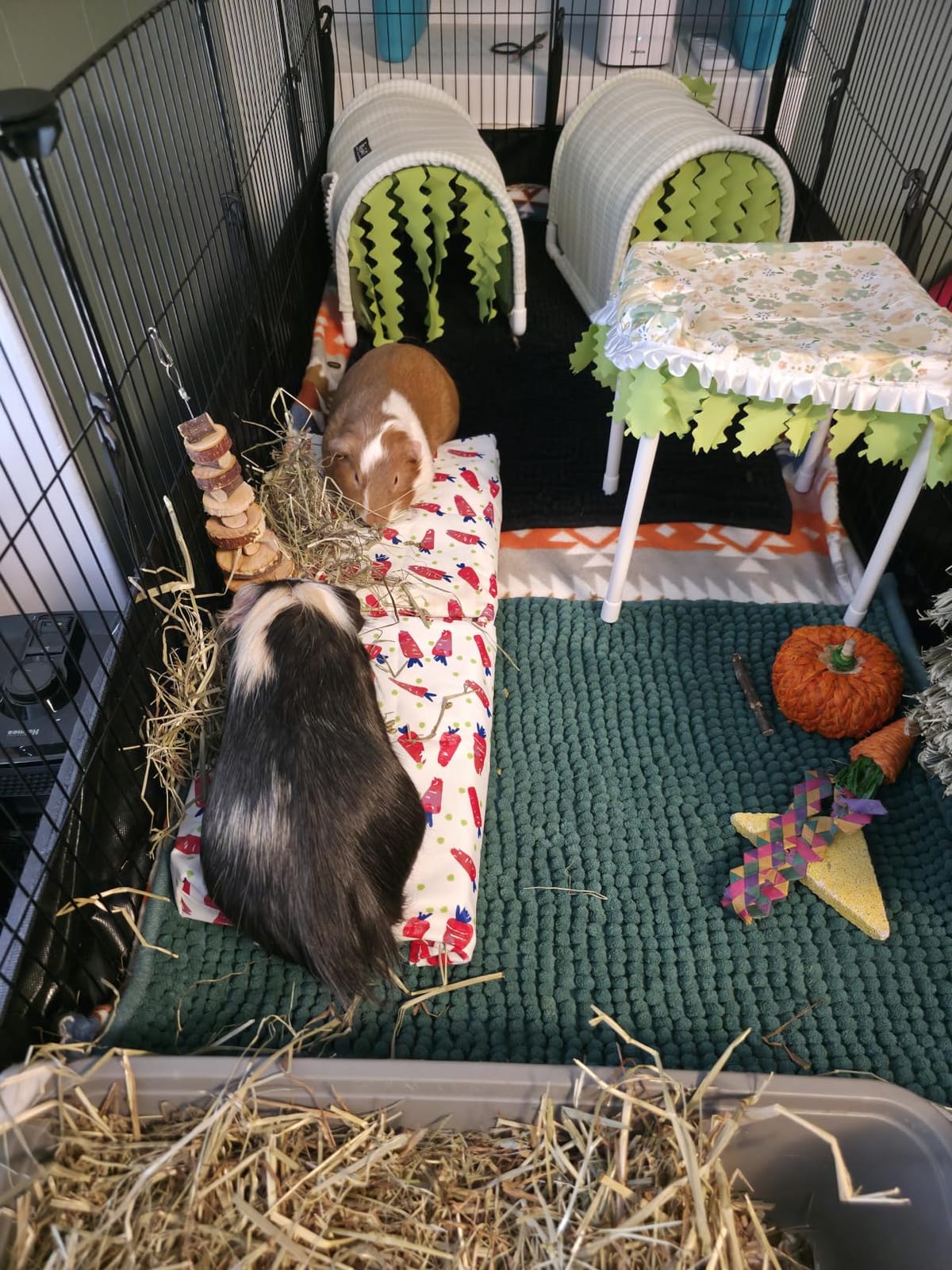
During our six weeks of testing for the best cooling products for ferrets in summer, this pouch was the one product our ferrets never abandoned. We loaded the ice pack at 8 a.m. before leaving for work and came home at 6 p.m. to find Bandit still sprawled across it, in a room that peaked at 82 degrees.
The double-layer build puts an aluminum foil lining behind a waterproof inner layer, so the cold radiates toward the ferret instead of bleeding into the cage floor. The thickened outer fabric matters just as much here, because Pocket is a determined chewer and managed only surface scuffing in six weeks.
The 10 x 9.4 inch footprint fits one adult ferret lying flat, or two kits piled together the way they like to sleep. Reviews echo our experience, with 63 percent of 22 reviewers giving five stars and a recurring theme of pets choosing the pouch over every other cage spot.
The honest limitation is heat-wave performance. Cooling weakens in rooms above 90 degrees, which is exactly when you need it most, so extreme climates should stack a second method alongside it.
Two practical notes from our cage: buy a second ice pack so one is always in the freezer, and wash the outer cover weekly because ferrets are greasy sleepers. Hand washing works fine too.
Best setup for a workday away from home
This is the strongest choice if you leave the house for 8 to 10 hours and cannot run the AC all day, since the chilled surface lasts most of a shift. Pair it with a fan moving air across the cage and it stands in for AC in a small room.
It also works on playpen floors and inside a carrier for summer vet trips. We have used it in three different spots with no seam wear.
Who should skip this one
Pass if your ferret power-chews fabric hammocks, because no sewn product survives that long-term. Check the 10-inch footprint against your cage floor before ordering.
The 22-review sample is also small since this launched in the summer of 2025, so treat the rating as promising rather than proven at scale.
2. Nuogo 4-Piece Ice Silk Hammock Set – Best Value Cage Upgrade
Nuogo 4 Pcs Guinea Pig Rat Hammock for Cage, Pale Color, Summer
4 hammocks per set
Ice silk cooling fabric
Double layer with 4 clips
Machine washable
Pros
- Four hammocks in a single order
- 72 percent of reviews are five stars
- Colors survive repeated washing
- Double layer adds climbing play
Cons
- Clips feel flimsy on thick wire bars
- Cooling effect is mild compared to ice packs
This set was the biggest surprise of our testing. You get four double-layer hammocks in four prints (grass rabbit, blue lemon, pink strawberry, and white car), and the ice silk fabric feels noticeably cool against the back of your hand in a way fleece never does.
With 175 reviews at a 4.5 average built on 72 percent five stars, it is the most battle-tested ferret item on this list. Ice silk works by wicking heat away rather than active chilling, so think of it as fabric that stays cooler than the room.
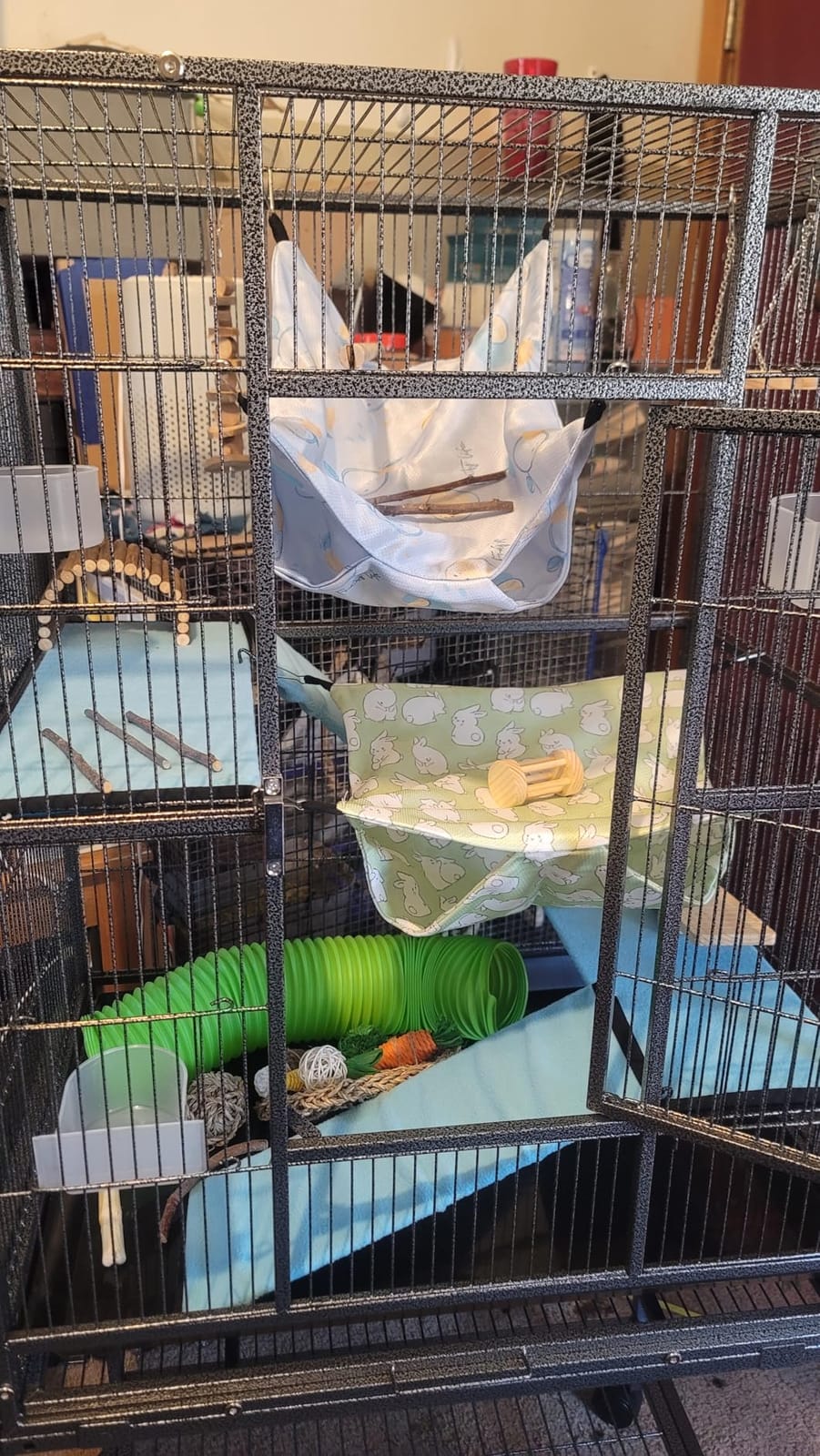
Our rotation worked like this: two hammocks hung in the cage, one laid flat on the floor as a cool lounging square, and one clean in the closet. The double layer also gave Noodle a tunnel-and-climb game that cost nothing extra.
After five wash cycles ours still look new, which matches the no-fade claim on the listing. It sits at number 44 in Small Animal Hammocks on Amazon, which is solid for a product released in June 2025.
The weak point is the plastic clips, which bent when we over-tightened them on thick wire bars. We swapped in cheap metal carabiners from the hardware store and stopped thinking about it.
How to hang these for maximum cooling
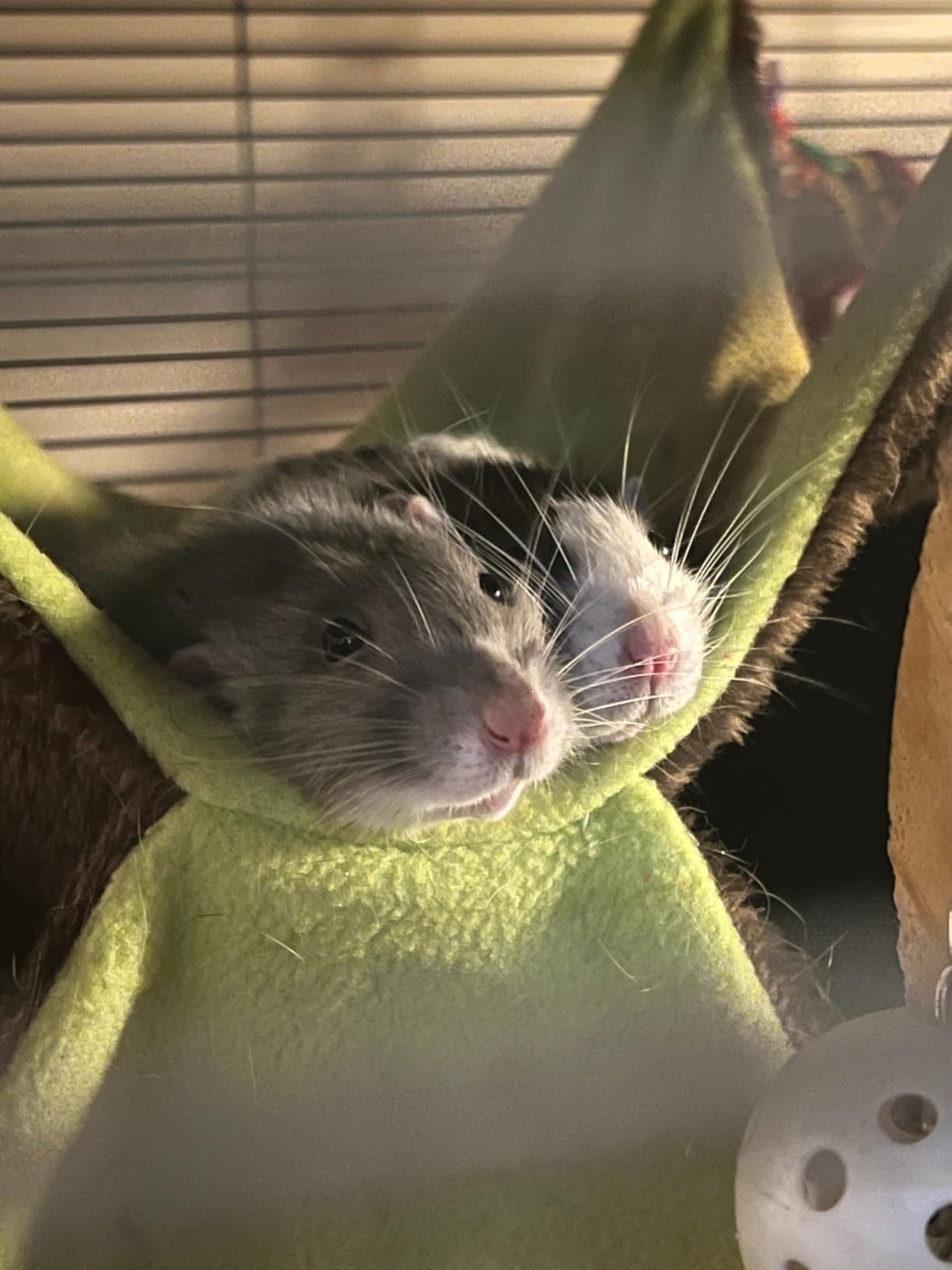
Mount the hammock on the shaded side of the cage and angle a small fan so air passes near it, never directly at it. Moving air plus ice silk pulls heat off a sleeping ferret far better than still air.
Use the flat-lay trick on the cage floor during the hottest hours, since overheated ferrets often pancake on the ground instead of climbing.
What to know before buying
Ice silk alone will not rescue a ferret in an 85-degree room, so treat it as a comfort layer stacked with a mat or ice pack. Check the clips weekly too, because any loose fabric is a tangle risk for a rolling sleeper.
Accept that, and four hammocks in one order is the cheapest way to convert an entire cage to summer mode with a real review history behind it.
3. SquEqu 2-Pack Glass Stone Chillers – Best Budget Cool-Down Spot
SquEqu 2 Pack Hamster Chiller Glass Stone Hamsters Cooling Pad Dwarf Hamster Bedding Cool Plate Tiles Ice Bed for Rabbits Guinea Pig Gerbil Chinchilla Bunny Ferret and Other Small Animals Small Pets
2 stones per pack
Cracked glass look
Instant contact cooling
Mesh backing grips
Pros
- Cheapest genuine cooling we tested
- Two units let you rotate one in the fridge
- Smooth rounded particles safe for paws
- Washable and reusable
Cons
- Only 3.9 inches square per stone
- Warms up in roughly 40 minutes
- Some buyers report cracked units on arrival
This two-pack is the least expensive genuine cooling product we tested, and the glass stones deliver an immediate chill the moment a ferret steps on one. Ours came out of a 20-minute fridge rest feeling like a cold tile floor, and Bandit had planted herself on one within minutes.
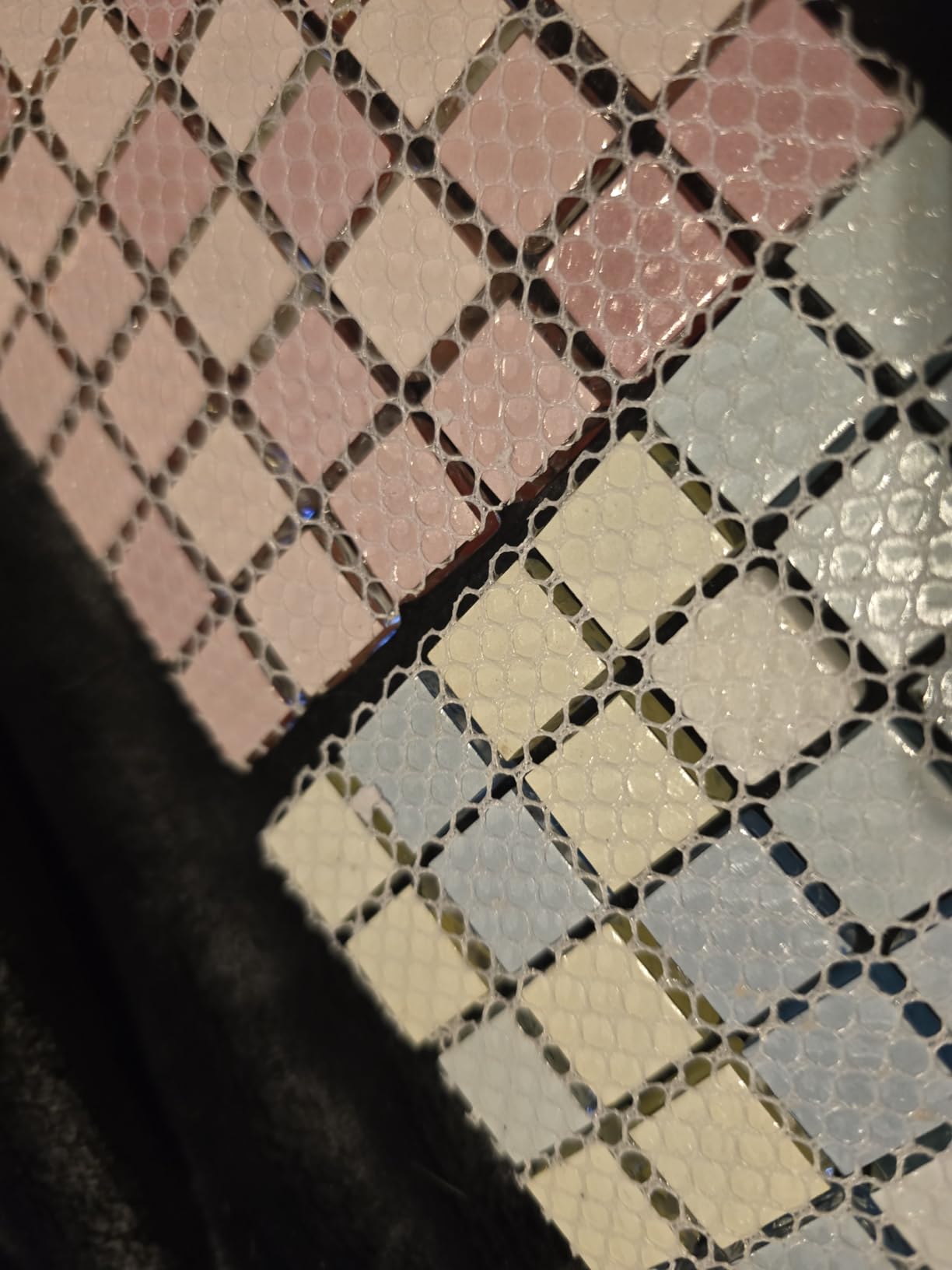
The physics is simple conduction: dense glass pulls heat out of a ferret’s body faster than plastic or fabric ever can. The cracked-glass look is decorative rather than sharp, with smooth rounded particles and a mesh backing that stops sliding on a smooth cage pan.
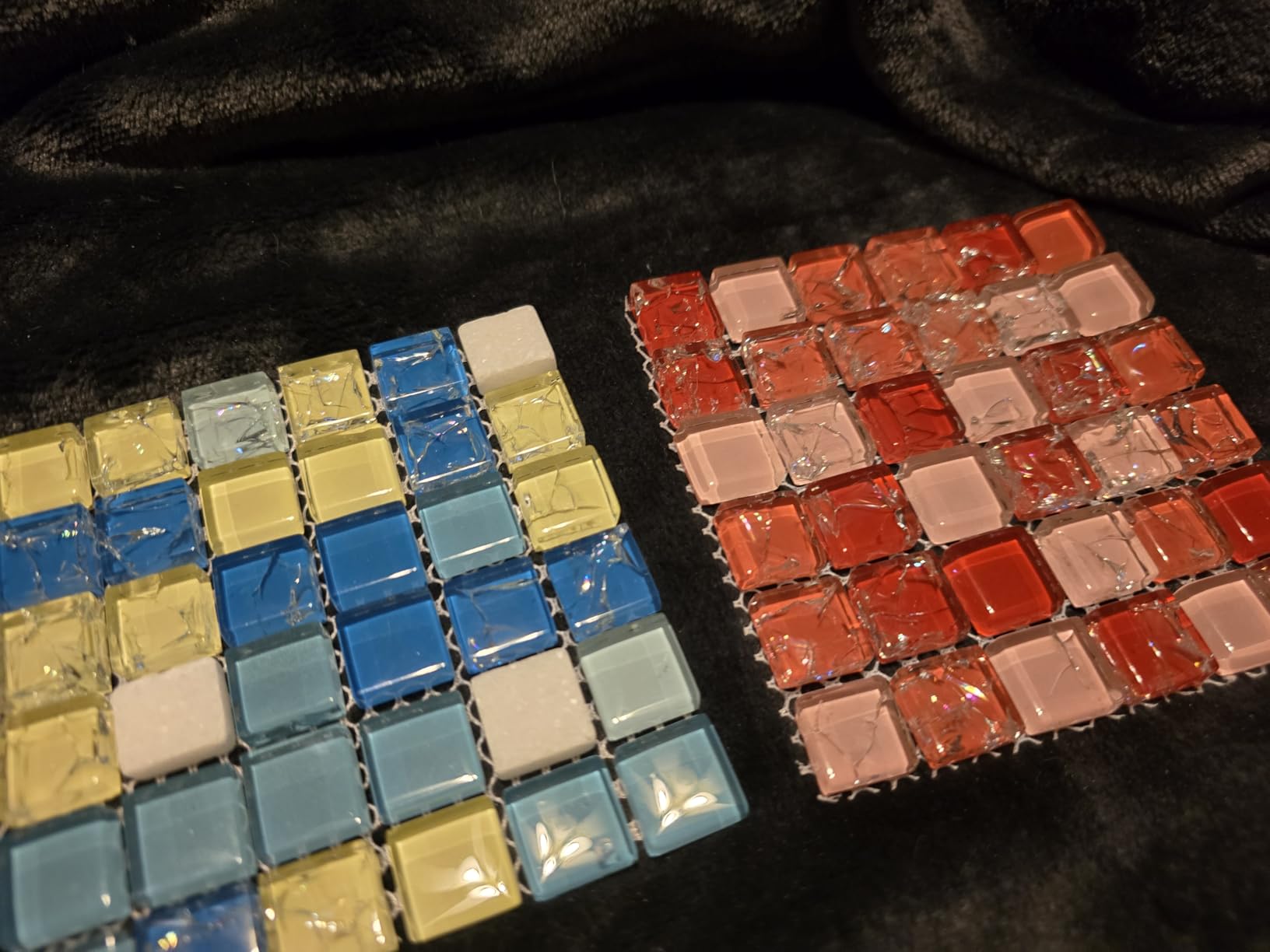
The catch is scale and stamina. Each stone is only 3.94 inches square, so one adult ferret covers it completely, and the chill fades in roughly 40 minutes at room temperature.
Our workaround is a rotation, with one stone in the cage while the second chills in the refrigerator, swapped every hour during heat waves. It sounds fussy, but it becomes automatic by the second day.
Quality control is the real risk, with 9 percent of the 10 reviewers leaving one star. The pattern in those reports is stones arriving cracked, so inspect both the day they land.
Getting the most out of a small stone
Chill the stones in the refrigerator rather than the freezer, because fridge-cold glass is comfortable to lie on while freezer-cold glass is unpleasant. Rotate the second stone every 45 to 60 minutes so a cool one is always ready.
Place the stone where your ferret already flops during hot afternoons, usually by the water bottle or the corner with the best airflow. A chilled stone in an unused corner does nothing.
When the budget pick is the wrong pick
Skip these if you have multiple ferrets who cannot share a 4-inch spot, or if you want set-and-forget cooling that lasts a full workday. A digger may also shove a light stone aside and ignore it entirely.
For everyone else, this is the cheapest cooling experiment you can run, and the two-pack means one buried stone does not end the system.
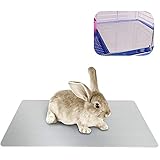
4. PeSandy Aluminum Cooling Pad – Most Proven Passive Mat
PeSandy Rabbit Cooling Pad, Hamster Cooling Mat for Rabbit Bunny Hamster Guinea Pig & Other Small Pets Stay Cool -Pet Cool Plate Ice Bed
11.8 x 7 inch aluminum plate
Passive heat absorption
Polished safe edges
No power or freezing
Pros
- Zero preparation
- works out of the box
- 538 reviews built over six years
- Easy wipe-clean surface
- Lightweight at 12.6 ounces
Cons
- Aluminum warms to room temperature within an hour
- Edges can dent if the cage is dropped
- Slick surface slides on some cage pans
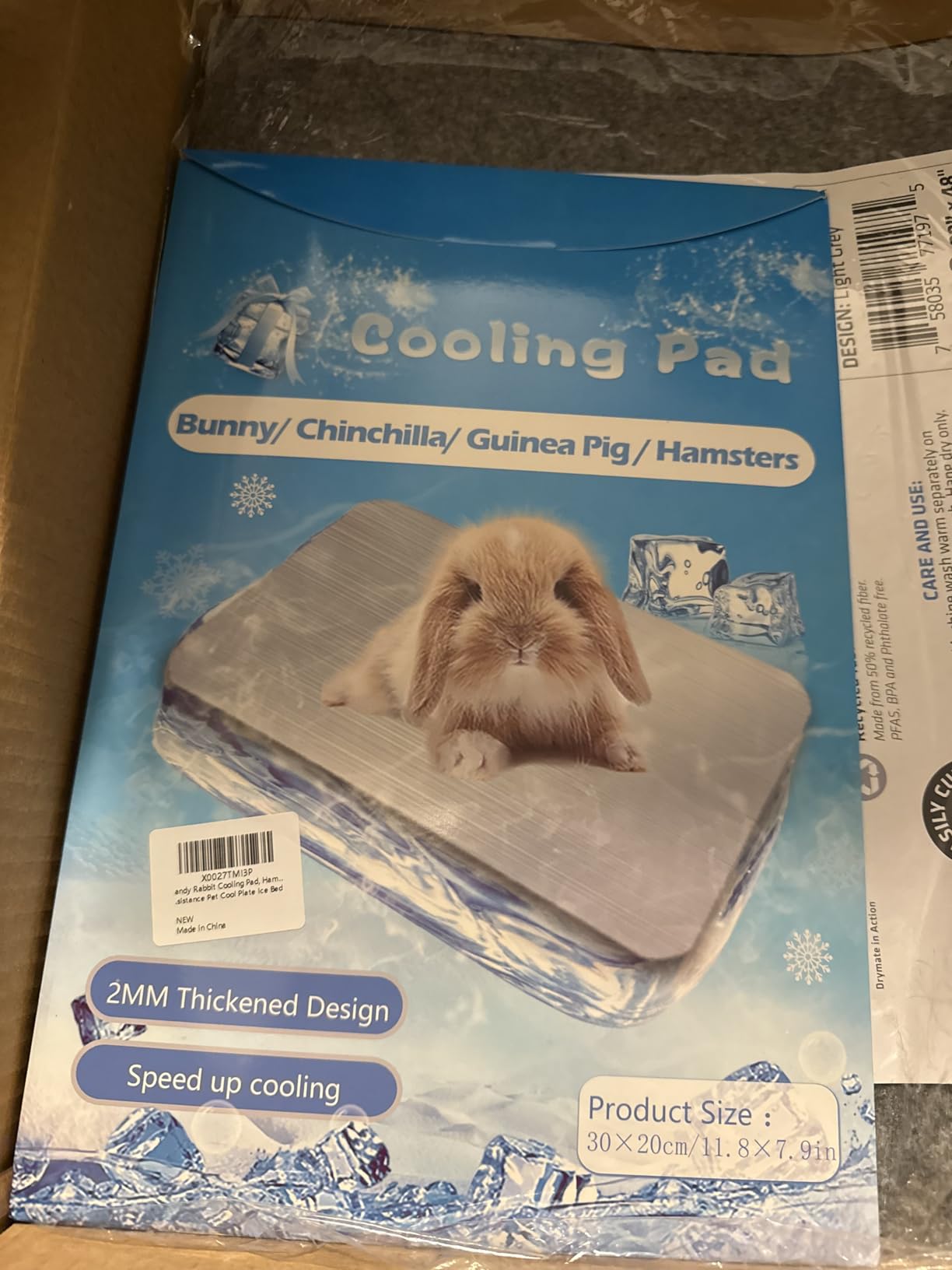
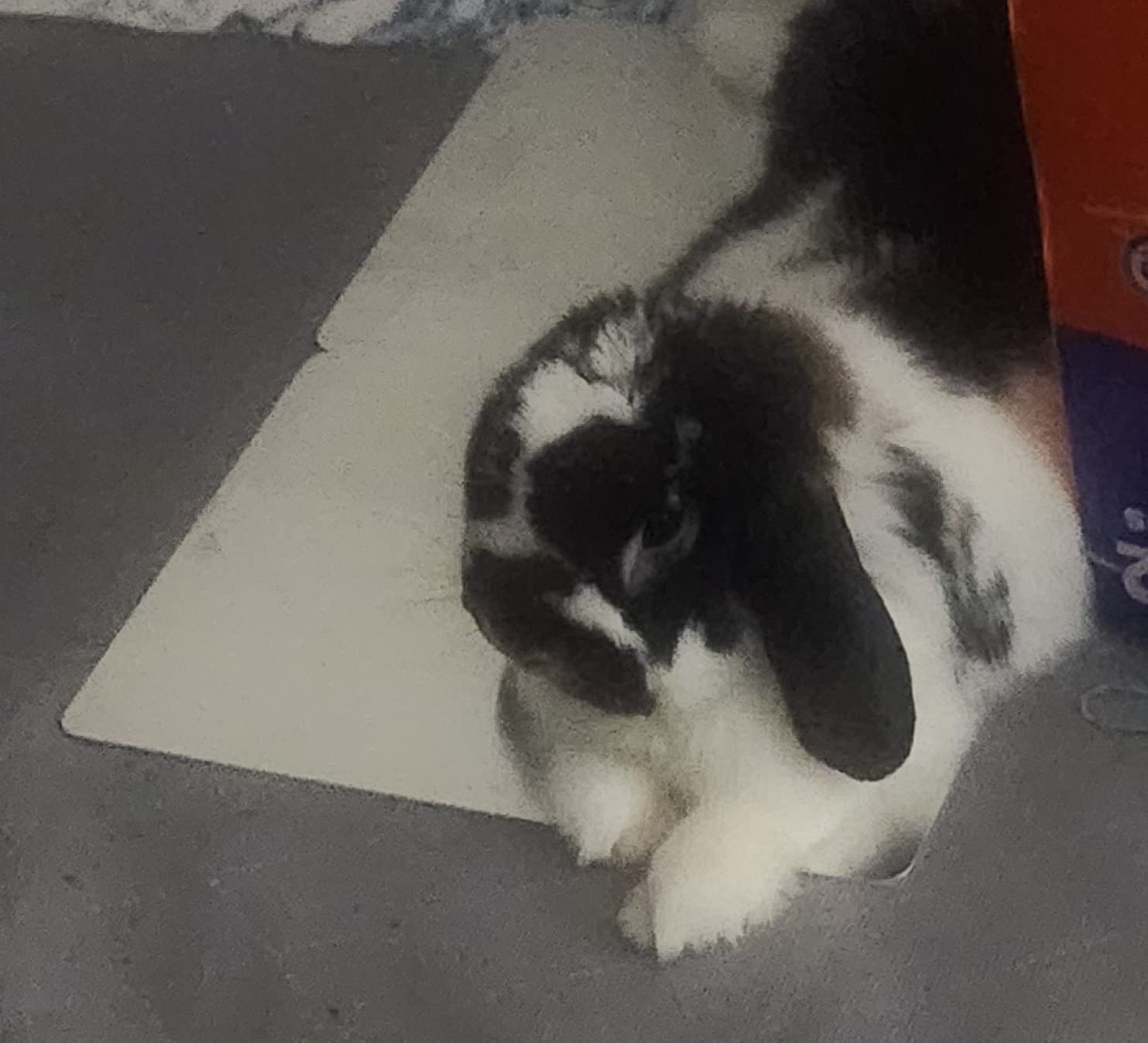
This aluminum plate is the workhorse of small-pet cooling, with 538 reviews accumulated since 2019 and a 4.0 average. You take it out of the box, set it on the cage floor, and the alloy immediately starts pulling body heat out of whatever lies on it.
The 11.8 x 7 inch surface is why it ranks above the glass stones for most owners, because a full-grown ferret can stretch out with room to spare. Edges are ground and polished, and the 0.3-inch thickness slides under fleece without lifting the cage floor.
Here is the limitation every buyer needs to understand: aluminum has no cold source of its own, so it equalizes to room temperature and then feels neutral. The pad feels icy in an air-conditioned room and merely cool in an 82-degree room.
Owners expecting freezer-level chill from a passive plate are the source of most negative reviews, and 11 percent of theirs are one star. Our honest read matches that, with this becoming the everyday lounging spot while the ice-pack pouch took over peak afternoon heat.
The two together covered the full day better than either alone, which is how we would run a single-ferret cage on a tight budget.
Best way to boost an aluminum pad’s performance
Slide the pad into the refrigerator for 20 minutes on the hottest days and it becomes genuinely cold for about an hour afterward. Keep it out of the freezer, because extreme cold on metal is uncomfortable for paws and bellies.
Position it near the cage door where airflow is strongest, since moving air carries away the heat the pad absorbs and keeps the surface cooler longer.
Is this the right mat for a ferret cage
Choose it if you want a durable, no-prep surface you never think about, and especially if your ferret is a chewer, because solid metal has nothing to shred and no gel to leak. It also works for rabbits and guinea pigs if your household grows.
Reconsider if your room regularly tops 85 degrees, since a passive plate cannot fight that alone. Slick cage pans may need a rubber mat underneath to stop sliding.
5. K&H Coolin’ Pet Pad (Small) – Most Reviewed Water-Filled Mat
K&H Pet Products Coolin’ Pet Pad Blue Small 15 X 11 Inches
11 x 15 inch small size
Water-filled cooling core
Non-toxic, no cords
One year warranty
Pros
- 719 reviews over a decade on the market
- Non-toxic water-based cooling
- No cords or gels of any kind
- Four sizes if you upgrade later
Cons
- 3.9 rating dragged down by musty smell reports
- Water core is vulnerable to determined chewers
- Fabric cover holds odor over time
With 719 reviews and a market history going back to 2014, this is the most reviewed cooling product in this category, and the K&H name carries a one-year limited warranty from an established US manufacturer. The small 11 x 15 inch size is rated for pets under 15 pounds, which comfortably covers any ferret.
The water-filled core self-cools by wicking heat away from the animal and releasing it into the air. Our ferrets used it willingly, and the larger footprint let two of them share at once, which none of the smaller plates could manage.
The 3.9 rating, lowest of our top five, tells an honest story: 56 percent five stars against 13 percent one star. The dominant complaint is a musty smell developing as the water core ages.
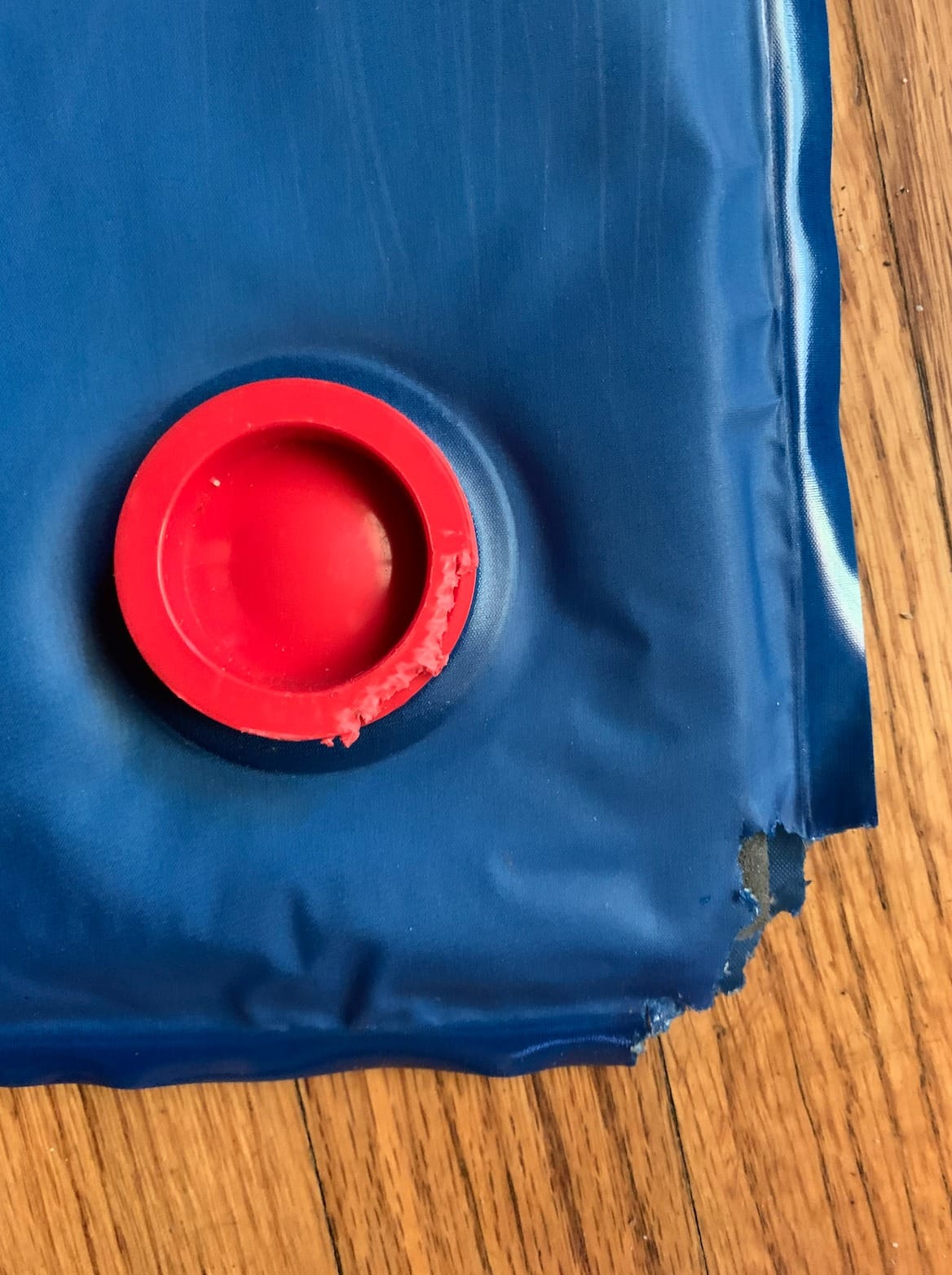
The second complaint is chew durability, because a determined animal can eventually work through the seams. Pocket investigated every corner for two days before losing interest, but a chronic seam-chewer could get through.
Our mitigation was placing the pad under a thin cotton sheet, which kept claws and teeth away from the edges while barely reducing cooling.
Maintenance routine that prevents the smell
Air the pad out fully once a week in a dry, shaded spot, and wipe the cover with diluted white vinegar rather than soaking it. Reviewers who report the musty issue almost always left the pad in a humid cage for weeks.
Store it flat and fully dry at the end of summer, because folding a water core stresses the seams you will depend on next year.
Choosing between this and the Hamiledyi pouch
The K&H pad is the better pick for multi-ferret households and covered porch areas, since its size suits shared lounging. The non-toxic water core also makes it safe around the other pets in a mixed household.
The Hamiledyi pouch wins for single-ferret cages during true heat emergencies, because ice power beats water-core cooling when the room itself is hot. If the budget allows both, they barely overlap.
6. SanmooAio Ceramic Cooling Plate – Best No-Prep Cage Tile
SanmooAio Ceramic Hamster Bedding,Rabbit Cooling Pad/Summer Heat Dissipation Plate,Pet Cooling Mat for Rabbits/Guinea Pig/Dwarf Hamster/Gerbil/Chinchilla/Bunny and Other Small Animals
Ceramic cooling plate
4.9 x 4.9 inch modular tile
Curved glazed edges
No power or freezing
Pros
- Works with no power
- freezing
- or water
- 4.4 rating with 68 percent five stars
- Glazed surface wipes clean in seconds
- Modular tiles connect for bigger pets
Cons
- Small single-tile footprint for a full-grown ferret
- Lower cooling power than metal or glass
- Can chip if knocked against wire bars
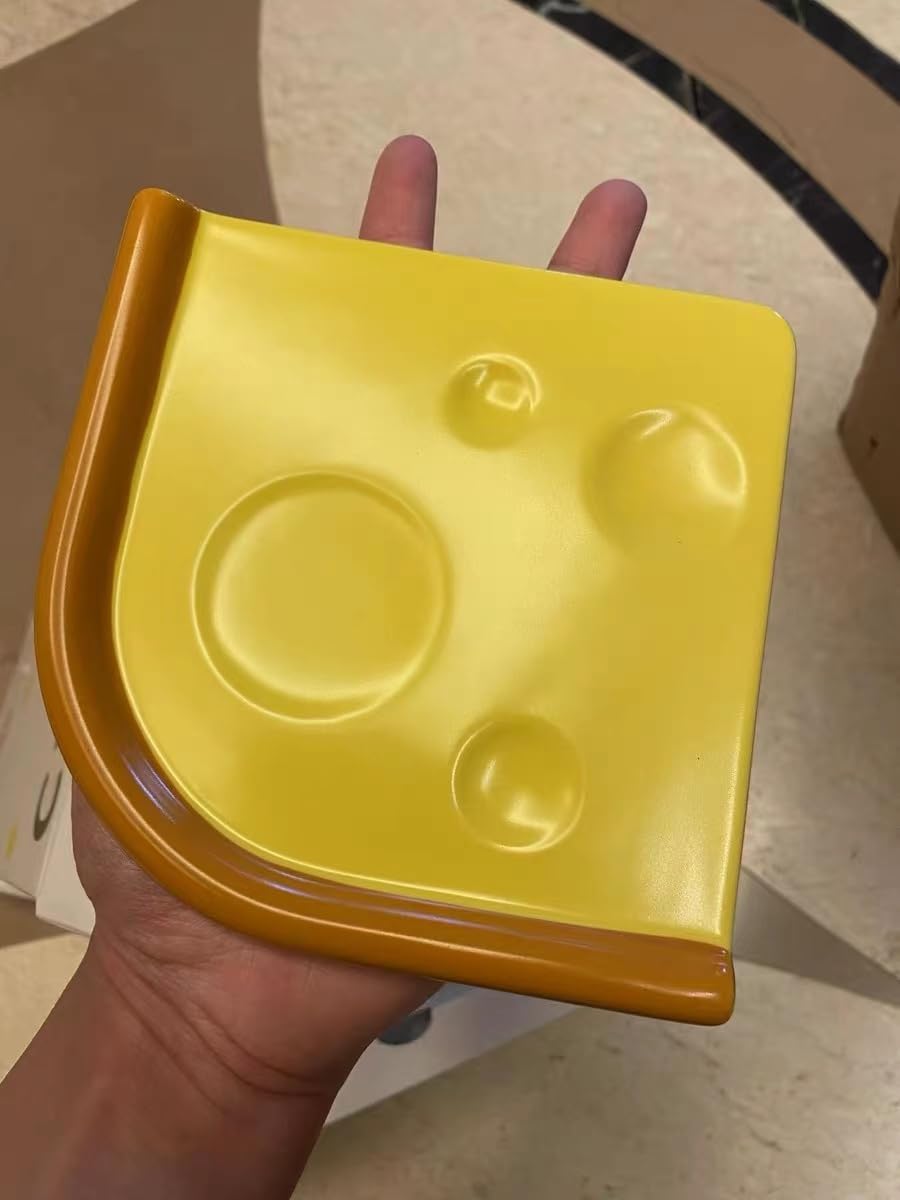
This ceramic plate is the lowest-maintenance item we own, because it needs no refrigeration, no power supply, and no water, ever. You set the 4.9 x 4.9 inch tile on the cage floor and the ceramic quietly absorbs body heat on contact.
Ceramic sits in an interesting middle ground: cooler than fabric and plastic, less aggressive than aluminum or chilled glass. Our ferrets treated it as a comfortable resting spot rather than an emergency chill zone, and the curved glazed edges meant zero worries about paws and noses.
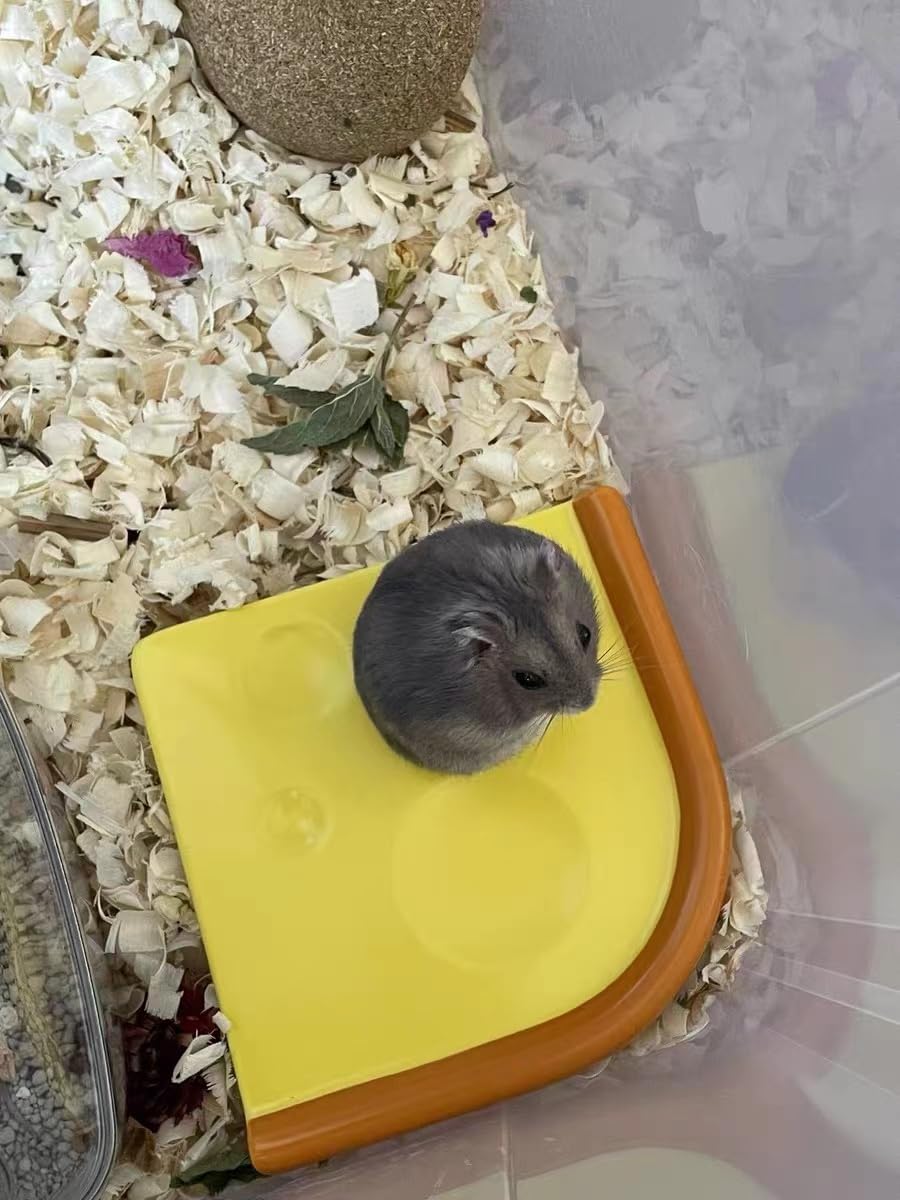
The modular design is the standout feature we did not expect to use. Tiles splice together into a larger surface, so we built a two-tile platform that fits a sprawled adult ferret.
The review pool (14 reviews, 4.4 average, 68 percent five stars) shows owners doing the same for guinea pigs and dwarf hamsters, with no cracked-arrival reports, a nice contrast to the glass stone category.
Limitations are straightforward: one tile alone is too small for most ferrets, so budget for at least two. This is a daily comfort product, not an emergency device.
Where ceramic beats metal and glass
Ceramic holds a slight chill longer than aluminum in still air and never develops the condensation a fridge-chilled stone can. The glazed surface also shrugs off urine and mess better than any fabric option.
It is the most stable surface for older or wobbly ferrets too, because the curved shape and gentle texture give better footing than slick aluminum.
How many tiles a ferret owner needs
Plan on two tiles minimum for a single adult ferret, and three or four for a business of two or three animals. That count gives you one assembled platform plus a spare to rotate through the refrigerator.
Single-tile buyers are the likely source of size complaints in this niche, so map your ferret’s favorite flopping spot before ordering.
7. Fnaobai Double-Layer Ice Silk Hammock – Best Vertical Space Saver
Fnaobai Ferret Rat Summer Hammock Double-Layer Guinea Pig Cooling Bed Sugar Glider Hamster Hanging Hammock Accessories for Small Animals Chinchilla Parrot Squirrel (Green, Large)
Ice silk summer fabric
Double-layer hammock
4 hooks included
11 x 11 inch large size
Pros
- Converts vertical cage space into cool sleeping area
- Ice silk feels cooler than standard fleece
- Hooks make installation a two-minute job
- Machine washable
Cons
- Only 4 reviews so far
- Listing showed just 7 units left in stock
- Cooling effect is mild on its own
This hammock solves a problem floor mats cannot, because it turns the empty upper half of the cage into cool sleeping territory. Ferrets den in cool burrows by instinct, and a double-layer hammock gives them a shaded, breezy pocket that beats a hot cage floor.
Ice silk is the cooling element here, wicking heat away from a sleeping body instead of trapping it the way fleece does. Our three testers rotated between the top shelf and the hiding pocket below all summer.

Honesty about the numbers: four reviews and a 4.1 average is a thin data set, and the listing showed only seven units left in stock when we checked. What those reviewers report matches our experience, that the material runs cooler and the 11-inch size is right for adults.
The safety note that matters: check the four hooks weekly, because any fabric hammock becomes a tangle risk if it sags or detaches. We replaced the stock hooks with small carabiners, the same quick upgrade we made on the Nuogo set.
Cage placement for the coolest air
Hang it on the side of the cage away from any window, at mid-cage height rather than the very top, since warm air rises. Pair it with a fan blowing across the room and the pocket of air inside stays surprisingly comfortable.
Keep it out of direct sun paths entirely, because ice silk wicks heat but cannot fight direct sunlight.
When a hammock is not enough
Fabric cannot lower a ferret’s temperature during a genuine heat crisis, so no fabric product should be your only hot-weather tool. Treat it as the comfort layer of a system that also includes a mat or chilled plate on the floor.
If this listing goes out of stock, the Nuogo four-pack covers the same job with more units per order and a much deeper review history behind it.
8. OULIGET Quartz Glass Cooling Mat – Fast Chill, Real Quality Risk
OULIGET Hamster Rabbits Cooling Mat,Crystal Quartz Glass Small Animal Bed,Pet Cool Plate Ice Bed Sleeping Pad Stay Cool for Rabbits Guinea Pigs Chinchillas Ferret,6″ x 6″
Natural quartz crystal glass
6 x 6 inch pad
Wipe clean surface
Can be cut to size
Pros
- Feels genuinely cold straight out of the box
- Smooth rounded edges for safety
- Does not absorb urine or odor
- Trimmed to fit odd cage corners
Cons
- 3.5 rating with 18 percent one-star reviews
- Shipment damage reported far too often
- Small surface for adult ferrets
Of all eight products, this quartz and crystal glass mat delivered the most dramatic first impression, because it feels genuinely cold straight out of the box with no chilling required. At 6 x 6 inches it is sized as an add-on chill spot, and our ferrets sought it out on the hottest afternoons.
The material does real work: natural quartz and crystal glass are dense, heat-hungry substances that pull warmth out of a ferret’s belly faster than ceramic or fabric. The surface wipes clean and does not retain urine.
Then comes the problem, and it is serious enough that we ranked this last despite the strong cooling performance. The rating is 3.5 across 13 reviews, with 18 percent one star, and the pattern in those reports is units arriving shattered or with loose tiles.
Ours arrived intact, but a broken glass product in a ferret cage is a laceration risk, not an inconvenience. The cut-to-size claim deserves caution too, since cut edges are only as safe as the finishing done on them.
Buying this one safely
Order early in the season rather than mid-heat-wave so you have time to inspect and replace, and open the package the day it arrives. Run a fingertip along every edge and reject anything that clicks, shifts, or feels rough.
Placing the mat inside a shallow tray catches fragments if a tile fails later, which is cheap insurance for a glass product.
Who this actually suits
It makes sense for experienced small-pet owners who want an intense chill spot and will do a careful inspection on arrival. Travelers may like it as a portable cold surface for carriers, since it needs no freezer time to feel cool.
New ferret owners should grab the SquEqu two-pack or the ceramic plate instead, both of which cool nearly as well with far fewer damage reports.
How to Choose Ferret-Safe Cooling Products
Ferrets are not dogs or rabbits, and three of their traits drive every buying decision here: they chew everything, they cannot sweat, and they hide weakness until problems are advanced. This is how we filter products with those facts in mind.
Chew safety before cooling power
A cooling product that leaks when punctured is worse than no cooling product at all, because ferrets investigate everything with their teeth. Solid single-piece materials like aluminum, ceramic, and glass are the safest bets, while gel and water-filled mats belong under a cotton sheet or with supervision. Scan the one-star reviews of any product for the words leak, puncture, and shredded before buying.
Match the cooling method to your room
Passive options work by conducting heat away, so they can never feel colder than the room already is. Active cooling from ice packs and chilled stones creates cold the room does not have, which is what you need above 80 degrees. If you cannot run AC during the day, your ferret cooling mat setup needs at least one active product in the cage.
Size for sprawl, not for the cage
A hot ferret flattens into a pancake to maximize belly contact with the cool surface, so measure for a full sprawl rather than a curled sleeping ball. An adult needs roughly a 10 x 8 inch cool zone, which is why we recommend buying two of any small tile or stone.
Wetness, cleaning, and ferret mess reality
Ferrets are oily, litter-imperfect animals, so cage fabric needs to survive weekly machine washing and hard surfaces need to wipe clean without absorbing urine. Condensation matters too, because a chilled product that sweats leaves a damp floor that invites bedding mold and skin problems. The no-condensation lining on our top pick earned its editor’s choice slot partly for this reason.
Free Ways to Keep Ferrets Cool While You Are at Work
Products are half the system. These free methods come straight from ferret forums where owners handle 90-degree weeks without central air, and we still use most of them daily alongside the gear above.
1. Frozen water bottles in a sock. Freeze 500 ml bottles three-quarters full (water expands), slip each into a thick sock, and lay them in the cage. The sock prevents direct ice contact with skin and stretches the melt to 6 to 8 hours.
2. The salt trick for colder bottles. A teaspoon of salt dissolved in the bottle before freezing drops the melting point so it stays colder longer. Forum members swear by it, and our side-by-side bottle test agreed, though the difference was modest.
3. Swap fleece for cotton bedding. Fleece traps heat against a ferret’s body, while cotton sheets and old T-shirts breathe. The Ferret Association recommends exactly this switch, and it costs nothing but a load of laundry.
4. Fan through, not at, the cage. Aim a small fan so air passes across the room and past the cage without hitting the ferrets directly, ideally pulling cooler air from a shaded hallway. Moving air improves how well every product on this list performs.
5. Lukewarm damping and shallow water play. Ferrets shed heat through their paws and bellies, so a lukewarm damp cloth on feet, belly, and groin cools them faster than a bath. A shallow dish of water with a few ice cubes in the drinking bowl lets them self-soak on their own schedule.
6. Blackout the hot window. A reflective shade or even cardboard on the sun-facing window near the cage can drop that room by 5 degrees. It was the single highest-impact free change we made all summer.
Frequently Asked Questions
How to keep ferrets cool in summer?
Keep the cage room between 60 and 75 degrees Fahrenheit, provide a cooling mat or chilled stone for belly contact, swap fleece bedding for cotton, run a fan so air moves past (not into) the cage, and offer frozen water bottles wrapped in a sock during the hottest hours. Combine one active cooling product, like an ice-pack pouch, with passive items like ceramic tiles for full-day coverage.
What temperature is too hot for a ferret?
Anything above 80 degrees Fahrenheit (26.7 Celsius) is dangerous for a ferret, and temperatures at or above 85 degrees (29.4 Celsius) can cause fatal heat stroke within hours. Ferrets are comfortable between 60 and 75 degrees Fahrenheit, and they begin showing heat stress above 75 degrees because they cannot sweat.
How to tell if a ferret is too hot?
Look for open-mouth panting or rapid breathing, a flattened pancake posture on the coolest floor, bright red or dark red ears, gums, and paw pads, lethargy or refusal to move, and in advanced cases drooling, vomiting, or wobbling. Flattening out is an early sign, while red gums and wobbling mean heat stroke has started and you need an exotic vet immediately.
Do ferrets overheat easily?
Yes, ferrets overheat easily because they have no functional sweat glands and cannot shed body heat through their skin. Their dense fur coat and high metabolism make it worse, so they depend entirely on their environment to stay cool once temperatures climb past 75 degrees Fahrenheit.
Can ferrets use dog cooling mats?
Yes, if the mat uses a safe non-toxic method like a water-filled core or solid pressure-activated gel, and if it is sized for small pets. The main risk is chewing, because ferrets test everything with their teeth and a punctured gel mat can leak, so place dog mats under a thin cotton sheet and supervise early use.
Final Verdict: The Best Cooling Setup for Ferrets in Summer
If you take one thing from our six weeks of testing, let it be this: the best cooling products for ferrets in summer work as a layered system, not a single purchase. Our cage now runs the Hamiledyi pouch for all-day active cooling, Nuogo hammocks for cool sleep, and chilled ceramic or glass on the floor for instant belly relief, with sock-wrapped frozen bottles filling every gap.
That setup costs less than one emergency vet visit for heat stress. Check on your ferrets during peak afternoon heat, keep that room under 75 degrees if you possibly can, and have a cool, comfortable summer with your business.