

The best party games for large groups are fast, loud, and simple to teach. A game that needs a rulebook read aloud for ten minutes has already lost half the room before it starts, and a game with a long wait between turns splits a big group into two conversations instead of one.
That is the whole filter we used. Everything below is a game that ten or more people can genuinely play at the same time, where downtime between turns stays short, and where the rules can be explained before the snacks run out. No game master diploma required, and no box that assumes everyone is a hobbyist.
We played through all twelve of these with groups of 8, 12, 16 and, in one case, 25 people. A few things surprised us. The box rated for 20+ players held up better than expected, and the game everyone assumes scales to anything read thin below its real floor.
Below you will find the top three overall, a full comparison table, and twelve individual write-ups with honest player ceilings. Where a game breaks down above a certain headcount, we say so, because that is the number most listings hide.
Table of Contents
Top 3 Best Party Games for Large Groups in 2026
Our three standouts share one trait: the whole group is doing something at the same time. There is no nominated player sitting out a turn, no board that only eight people can see, and no five-minute setup before the fun starts.

Cards Against Humanity
- 4-20+ players
- 500 white and 100 black cards
- Ages 17+
- Teaches in under a minute

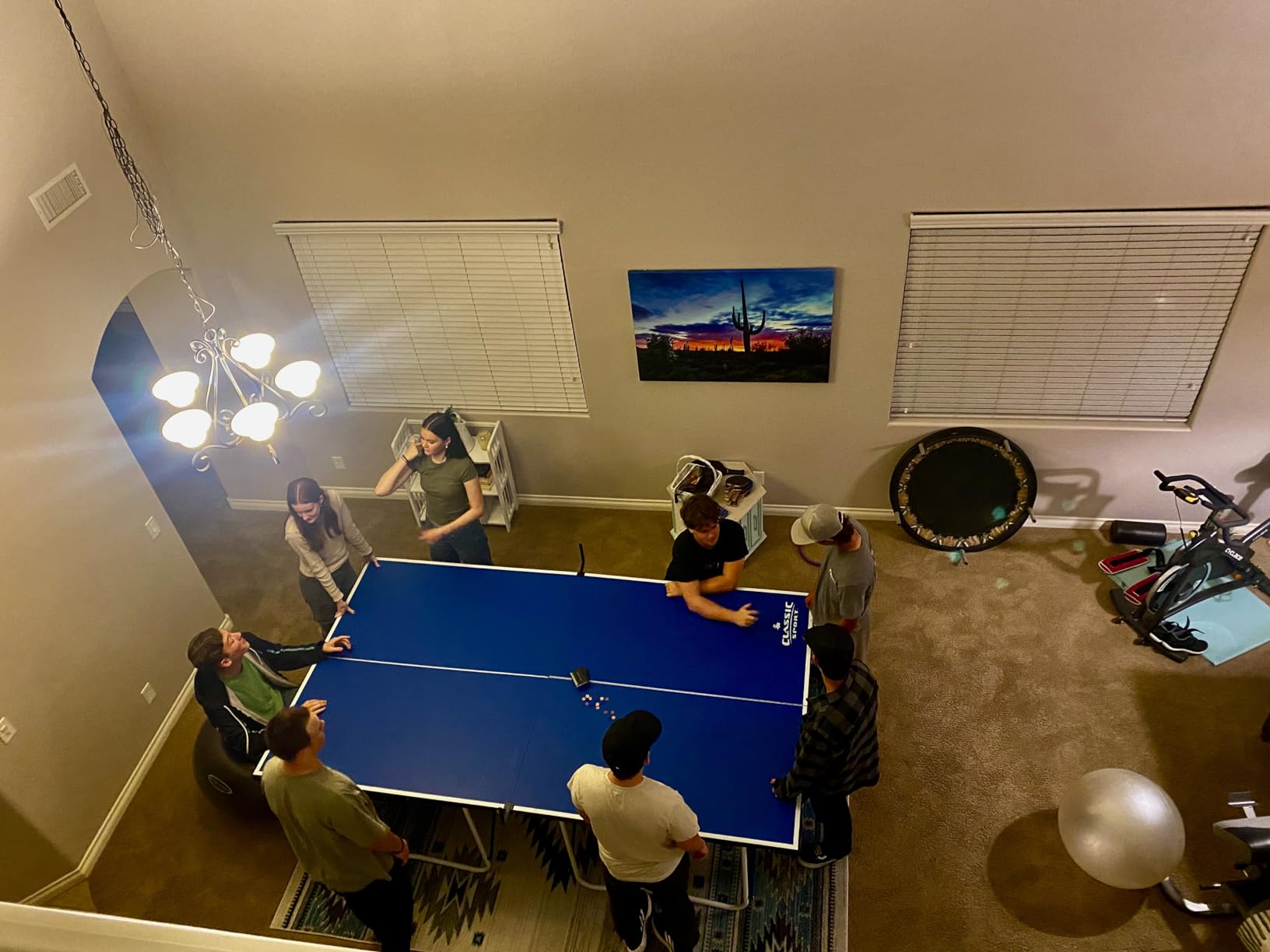
Cards Against Humanity takes the top slot because it is the one game here that handles 20 people without a rule change, and because 140782 ratings at 4.8 stars is the deepest proof point on this list. LCR wins the entry-level spot: three dice, a tin, and a group of any size playing in one round.
Codenames earns its badge on depth rather than headcount, with 400 codenames behind roughly 15 minutes of play. Its honest ceiling is eight players, which is exactly why it needs two tables rather than one big one.
All 12 Picks at a Glance
This is the quick version. Scan the table, pick two or three that match your group, and skip ahead. The full reasoning for each one sits further down.
| Product | Specs | Action |
|---|---|---|
| Cards Against Humanity |
|
Check Latest Price |
| LCR Dice Game |
|
Check Latest Price |
 Codenames Codenames |
|
Check Latest Price |
 I Should Have Known That I Should Have Known That |
|
Check Latest Price |
 Incohearent Incohearent |
|
Check Latest Price |
 Twister Ultimate Twister Ultimate |
|
Check Latest Price |
 Blank Slate Blank Slate |
|
Check Latest Price |
 Tapple Tapple |
|
Check Latest Price |
 Ransom Notes Ransom Notes |
|
Check Latest Price |
 The Chameleon The Chameleon |
|
Check Latest Price |
 Wavelength Wavelength |
|
Check Latest Price |
 Stellar Factory Werewolf Stellar Factory Werewolf |
|
Check Latest Price |
How We Chose These Party Games
Every game on this list was picked against the same six criteria. They are listed in order of how much they mattered to us, and the first two knocked out most of what else we tested.
Honest player ceiling. We care about the number a box prints far less than the number at which the game stops being fun. Where the two differ, we report the real one in the write-up. Community threads about big-group hosting keep returning to the same complaint, that printed player counts are inflated and games disappoint at 14 players.
Teach time. If it takes longer than about two minutes to explain, it does not belong here. With 20 people, the host is standing in front of everyone, and a long explanation is dead air.
Downtime between turns. The killer at scale is waiting. A game where one person acts while 15 people watch is a game that ends after two rounds. We favoured simultaneous play, all-player-reveal formats and fast team scoring.
Non-gamer friendliness. A group of 15 usually contains three or four people who have never held a rulebook. Games that rely on genre knowledge, hidden strategy or a confident moderator were ranked lower no matter how good they are.
Components and portability. Party games get carried to unfamiliar venues, set up on borrowed tables and packed away fast. Fewer pieces, smaller boxes and no batteries score better here.
Age fit. A room with a mix of teenagers and grandparents needs a floor, not a ceiling, on how much a group can handle. We noted the recommended age on every pick so you can screen before the guests arrive.
1. Cards Against Humanity – Best All-Rounder for 4 to 20 Players
Cards Against Humanity
4-20+ players
500 white and 100 black cards
Ages 17+
30-90 minutes
Pros
- Genuinely works up to 20 people with no rule change
- Teaches in about a minute
- Massive card count keeps repeats fresh
- Strong icebreaker with guests you barely know
Cons
- Deliberately vulgar and not family friendly
- Unsuited to younger children or conservative groups
- Card content starts repeating after a few heavy sessions
We have run this with 14, 16 and 20 people and it keeps moving the whole time. The reason is structural: the black card goes to one player, but every other player is simultaneously reading it, thinking of a card, and waiting for their turn. The waiting is filled with visible thinking, which is its own kind of entertainment.
Setup is genuinely zero. You deal black cards, everyone gets white, and someone reads the prompt. The full box carries 500 white cards and 100 black cards, and version 2.0 added more than 150 new cards to the deck, which is why the same group can play it repeatedly without running dry.
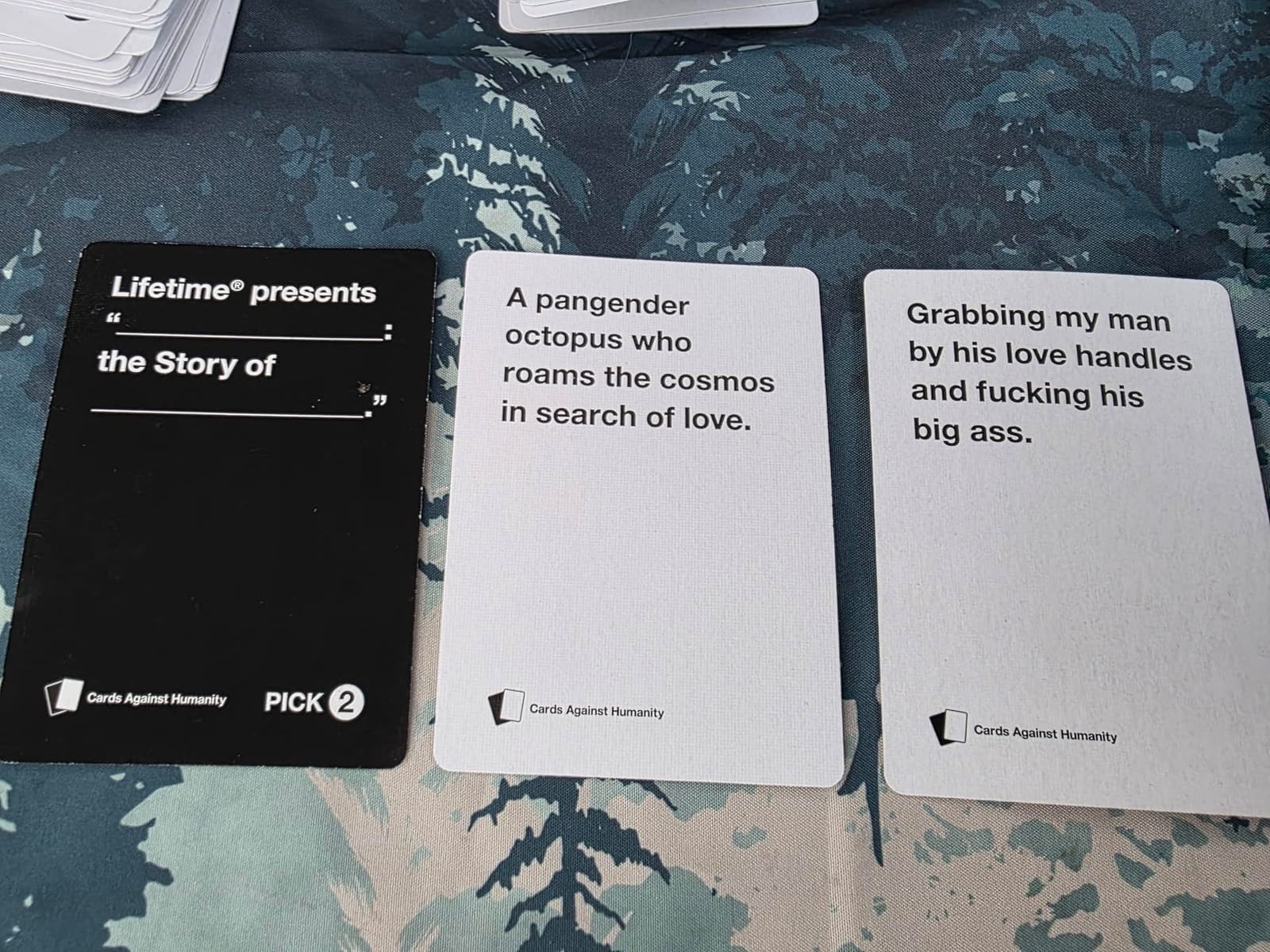
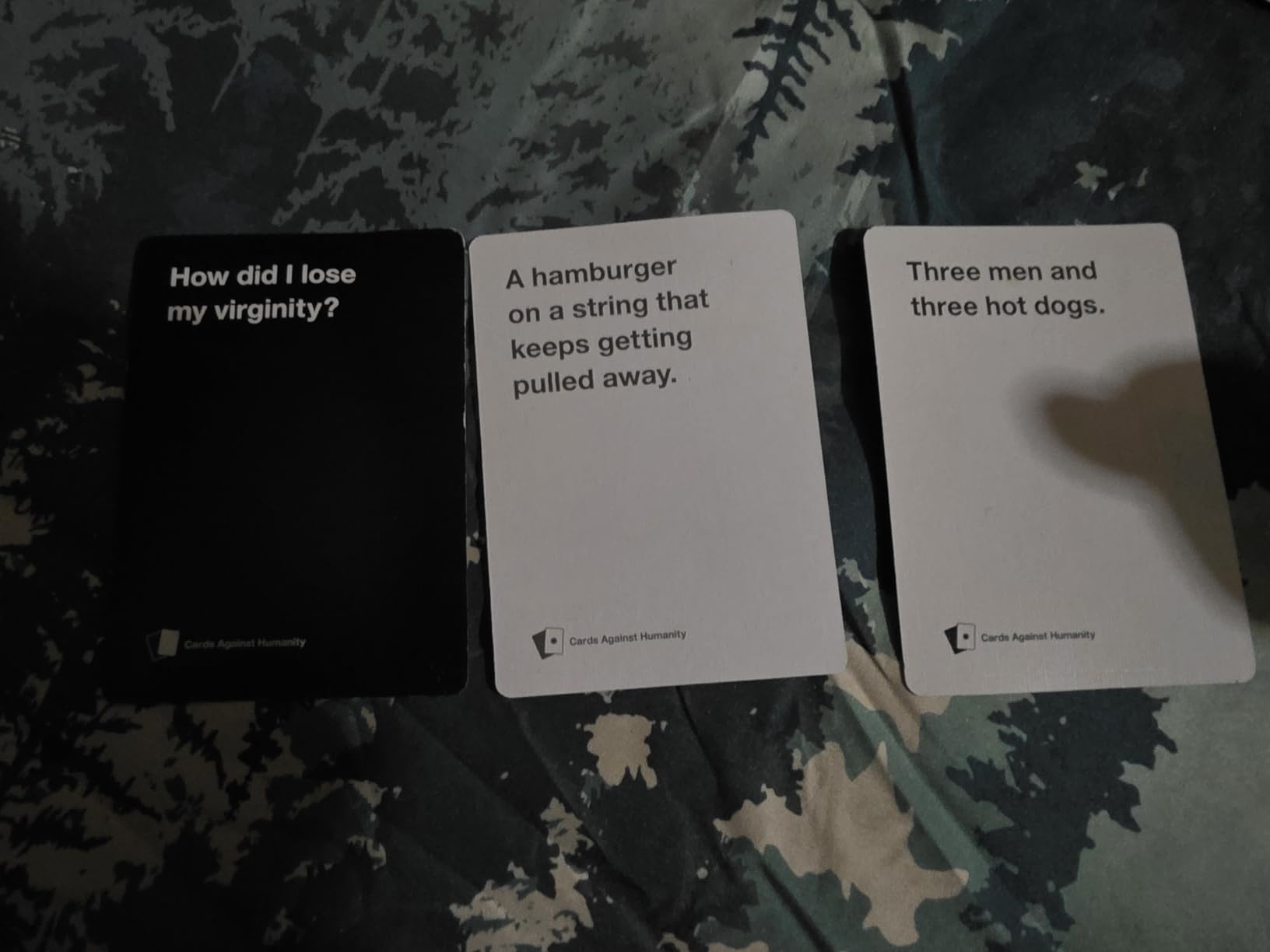
The catch is content, and it is not a small one. The manufacturer recommends 17 years and up, and the card art is plain black-on-white with no licensed imagery, which some hosts read as cheap but which actually helps: nobody is waiting on artwork to look expensive. If your group includes teenagers under 17, this is not the box.
Scoring is the easiest part of any large party. You keep score on whatever is nearby, and the group usually agrees on one point for the funniest white card and one for the best group favourite. That is enough formality to have a winner and not enough to slow anything down.
When 20+ players is the real scenario
At 20, you want two readers going rather than one, alternating prompts so the pace does not sag. Split the black cards between two readers and hand out white in bigger batches. Read in a normal voice, not a game-show voice, or the whole room will be embarrassed within two rounds.
We would still run it at 22, though the deck starts thinning faster. The real ceiling is not the cards, it is how many people will tolerate the humour while sober. Plan a second game within an hour if the group is large and mixed in that way.
When to skip it
Skip it for family reunions, work events with a compliance officer in the room, or any group where a religious or cultural taboo could turn a joke into an incident. The manufacturer lists it for ages 17 and up, and reviewers consistently name the adult humour as the reason it does not travel to mixed-age or conservative audiences.
Also skip it as your only game. It is a conversation game, so the energy dips after 90 minutes unless someone else takes over. Bring a fast physical game as the follow-up.
2. LCR Dice Game – Best Cheap Filler That Scales Past 20 Players
LCR® Left Center Right™ Dice Game – Blue Tin
3+ players
Three dice plus a set of chips
Portable tin
Ages 5 and up
Pros
- One round to learn
- Zero setup and a tin that fits a pocket
- Handles a group of any size
- Spans young children to grandparents
Cons
- Needs at least three players
- Heavy emphasis on luck rather than skill
- Repetitive over long sessions
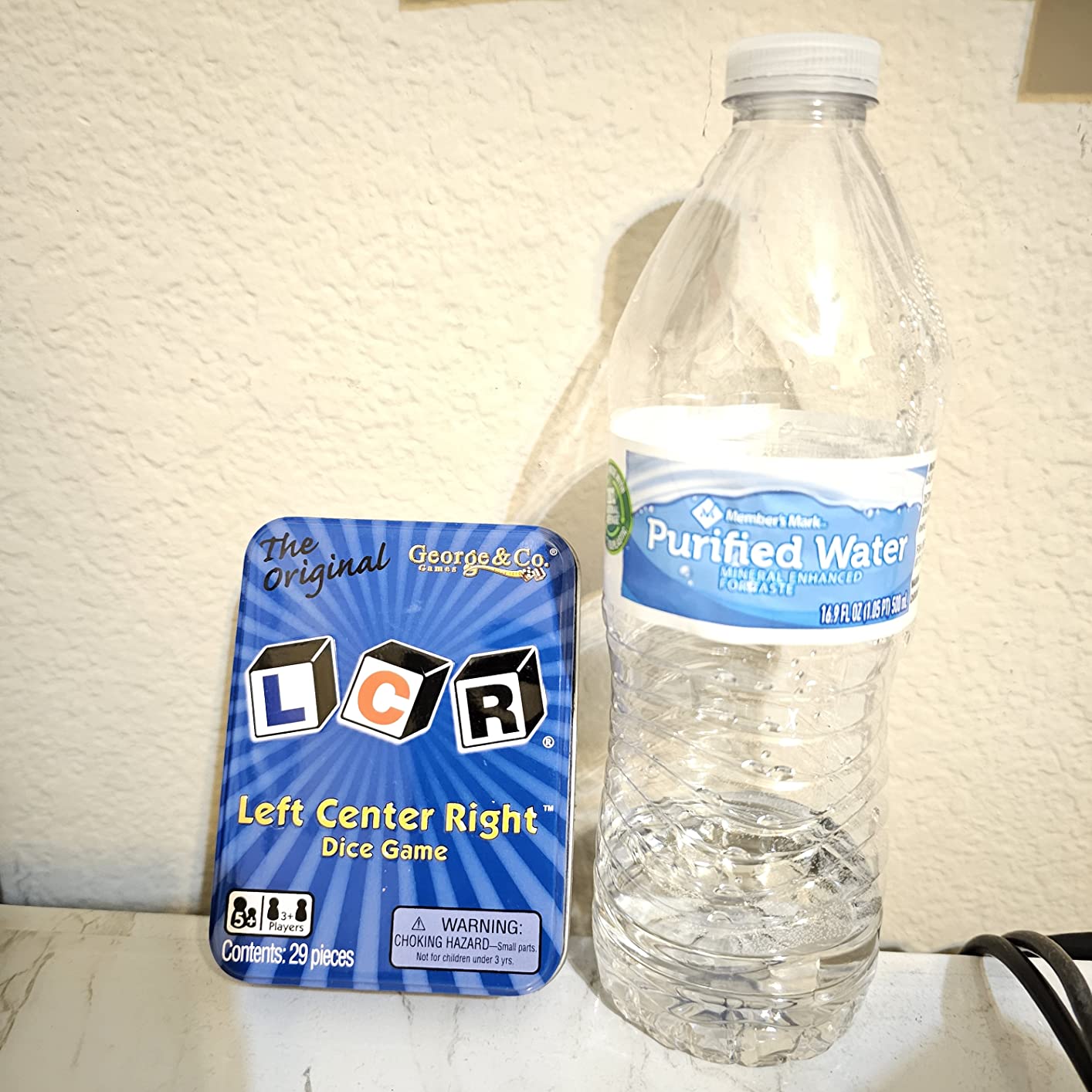
This is the game we hand to anyone who says they do not like games. Three dice, a set of chips, and a rule that fits in one sentence: on a L, C or R roll, take from the corresponding pile or from the centre. That is the whole game.
What makes it valuable on this list is the opposite of most picks. It does not scale by adding more turns, it scales by adding more players sitting in the circle, and the round simply takes a few seconds longer. At 16 players we ran a round in about 90 seconds, which means you can play five rounds while a more thoughtful game is still being set up.
The tin matters more than it sounds. The box measures 3 by 4 by 1.5 inches and weighs 3.2 ounces, so it lives in a jacket pocket permanently. Reviewers describe it as a dependable hit with large gatherings and mixed ages, and the wide age range of 5 and up is genuinely accurate rather than aspirational.
Luck is the whole engine, and that is a feature when the group is strangers. Nobody can feel left behind, because nothing anyone does in round four affects round five.
How to make it work past 12 players
Sit the group in a circle rather than around a table. The dice pass in one direction and the excitement is in watching where the dice land, so everyone needs a sightline. If you are in a big room, use it as a between-round game rather than the anchor of the evening.
At 20+ players, run it in relay teams of two or three instead of individually. The decision pace doubles and the rounds get shorter. A group of 25 handled this way kept moving without a single idle stretch.
When to skip it
Skip it if your group enjoys strategy. There is no decision to make beyond which pile you gamble on, and reviewers are candid that it becomes repetitive over a long session. It also does not work with two people, since the three-dice system needs at least three to generate suspense.
It is also the wrong anchor for a themed night. LCR has no theme, no narrative and no arc, so it works as connective tissue rather than as the main event.
3. Codenames – Best Depth for Groups of 5 to 8 Players
CGE Czech Games Edition Codenames Boardgame
4-8+ players
About 15 minutes per game
200 cards with 400 codenames
Ages 14 and up
Pros
- Spiel des Jahres-winning design with genuinely simple rules
- 15-minute rounds mean many games fit one party
- Scales from 4 to 8+ with no rule changes
- Deep strategy keeps experienced players interested
Cons
- Better with 5-8 players than with a small group
- Needs one confident spymaster
- Not aimed at younger children
Codenames is here for the specific situation where your group is smaller than the headline suggests, or where you can run two tables. It is not a twenty-player game and pretending otherwise would be dishonest, so this is the honest ceiling: eight is where it sings, and one reviewer summary we agree with puts it as best at five to eight.
Why it earns a slot anyway is the ratio of thinking to setup. The box includes 16 agent cards in two colours, a double agent, seven innocent bystanders, one assassin card, 40 key cards, a card stand, a timer and 200 cards carrying 400 codenames. You can be playing in about a minute, and a full game takes roughly 15 minutes.
One player is the spymaster and gives single-word clues. Everyone else is hunting their agents while avoiding the assassin. It is word association with real tension, which is why the box has 400 different codewords rather than a deck of generic nouns.
The award matters less than the design, but it helps when you are persuading a room of non-gamers: this is the party game version of a game that won an international prize, and the rules are short enough that skeptics usually join in on the first turn.
How to stretch it to a bigger room
Run two boards. We did this with 16 players and it worked well, because the spymaster role is a job rather than an advantage, and two spymasters can take turns between rounds so neither one is stuck explaining all evening. The card stand and included timer mean each table manages its own pace.
If the room is one open space rather than two tables, keep the teams loud and readable from a distance. Reading your own grid aloud slows the game badly at high player counts, so tell people to point rather than announce.
When to skip it
Skip it with children, since the manufacturer recommends 14 to 15 and up. Also skip it if nobody in the group wants a job, because a hesitant spymaster turns a 15-minute game into a 30-minute one with dead air at the table.
It is also a poor choice for a group that does not know each other. The humour and the tension both come from shared vocabulary, and strangers will find the clues abstract rather than funny.
4. I Should Have Known That – Best Penalty-Scored Trivia for 10+ Players
I should have known that! – A Trivia Game About Things You Oughta Know, Green
More than 2 players
110 cards with 400+ questions
Penalty scoring
Ages 14 and up
Pros
- Inverted scoring produces more laughs than normal trivia
- Over 400 questions keeps rounds varied
- Everyday knowledge works for mixed-experience groups
Cons
- Less social than a deduction game because you must know the answers
- Question quality is uneven and many topics are niche
- Subtracting points can discourage casual players
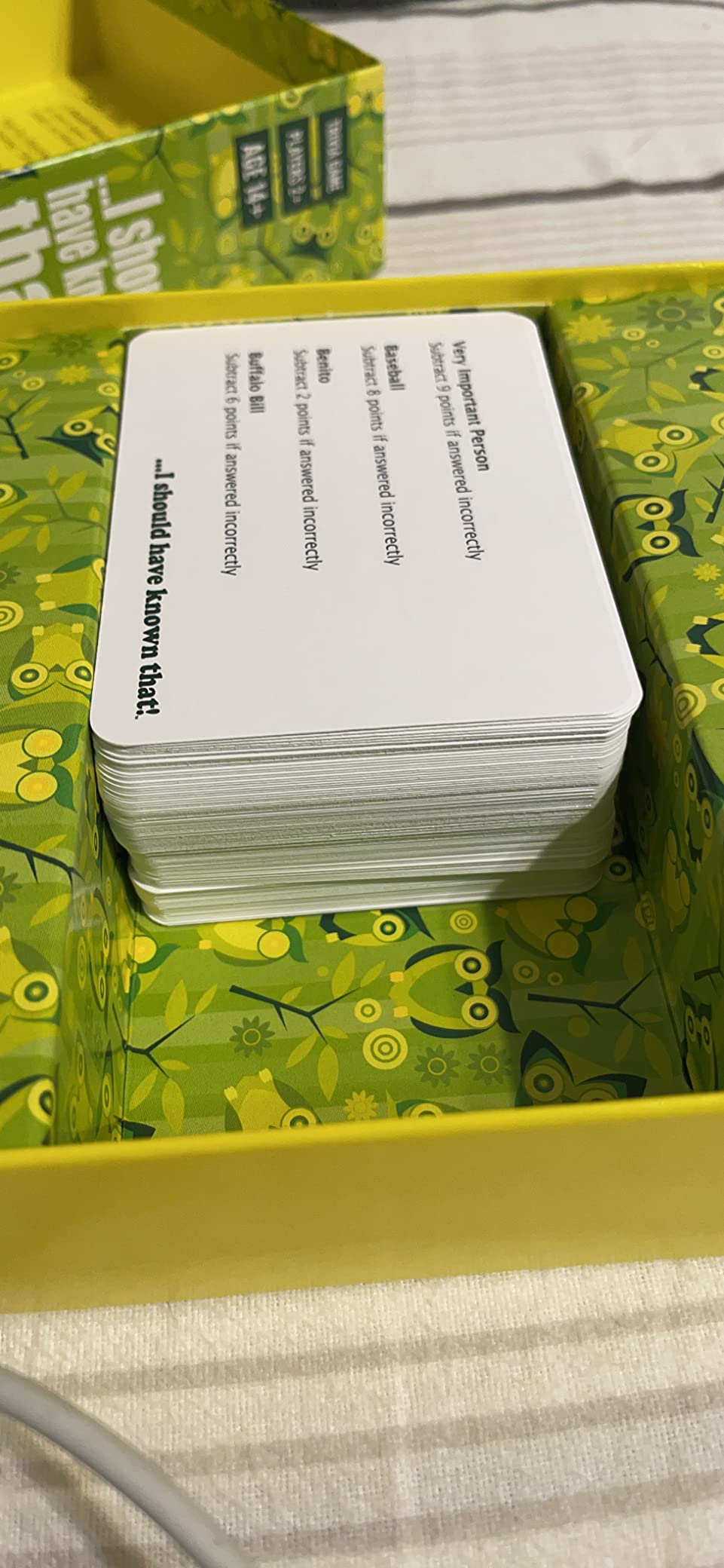
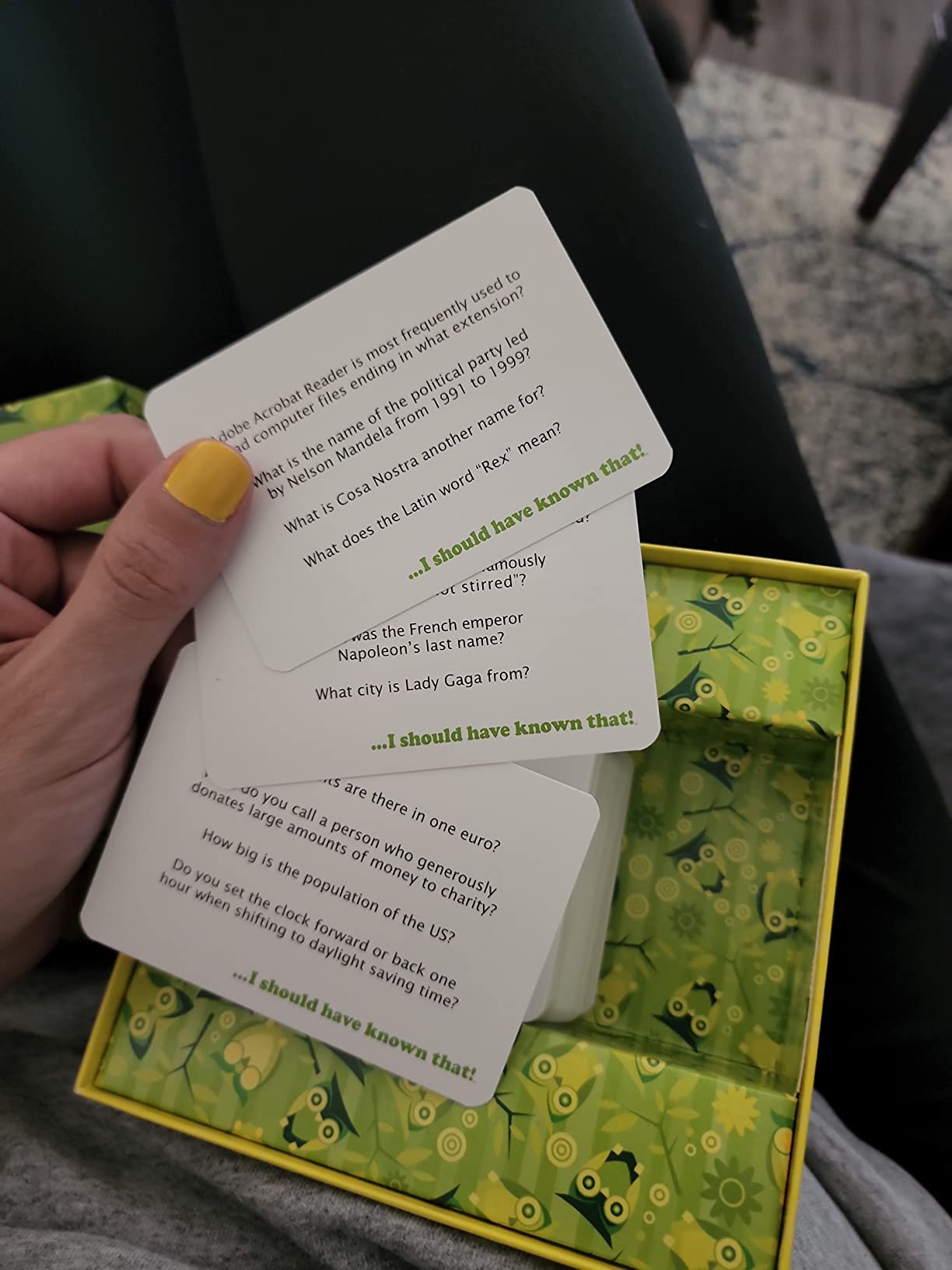
The twist here is that you lose points for wrong answers rather than gaining them for right ones. In a room of 20, that single rule change converts a trivia night that produces smug winners into one that produces noise, arguments and pointing at the person who knew less than everyone else.
There are 110 cards carrying more than 400 questions about things you ought to know. That is enough for a group to run through several rounds without repeats, and the everyday nature of the material means a group of strangers can all plausibly know some of it.
At scale, the useful hosting trick is to play it in waves of three or four rounds with the score carried over. Twenty people answering simultaneously gets chaotic, so we had teams take it in turn and the room still stayed engaged because the penalty is the entertainment.
Reviewers report a 4.5 average with roughly 70% five-star ratings. The recurring note is that the penalty scoring rewards humility over trivia bragging, and that some find the question bank dated or uneven in difficulty.
How to run it with a big group
Put teams of four on a shared board, and make sure each team has its own copy or a clear view. The box measures 5.7 by 5.7 by 1.8 inches and weighs 8.8 ounces, which is easy to move between groups but means you need one box per team if you are splitting the room.
Cap rounds at three per team. The questions get harder as the deck goes down, and a fourth round tends to expose the niche topics that reviewers complain about. Manufacturers recommend 14 and up, so screen it if younger guests are present.
When to skip it
Skip it if your group is a mix of one trivia obsessive and nineteen people who find quiz formats embarrassing. The inverted scoring helps, but it does not remove the fact that you still have to know the answer, so this is a less social game than a deduction or bluffing format.
It is also the weakest fit for a room full of children, since the recommended age is 14 and the subject matter assumes adult cultural knowledge.
5. Incohearent – Best Timer Game for 3 to 16 Players
Incohearent, The Guess the Gibberish Party Game by Relatable
3-8 players, ages 17+
300 cards
Built-in timer mechanics
Pros
- Timer keeps rounds short and energy high
- 300 cards split across three categories
- Playable in 3-8 so you can run two tables
Cons
- Relies heavily on reading gibberish aloud
- Pop Culture and Spicy categories skew young
- Needs a group that enjoys wordplay
Players see a word written as nonsense syllables and have to say it out loud until the real phrase becomes audible. The design is 3 to 8 players, ages 17 and up, and the box contains 300 cards across three categories: Party, Spicy and Pop Culture.
What makes it scale is the timer. Rounds end on a clock rather than on the slowest player, so a group of 8 finishes together instead of waiting for the one person still decoding. The built-in timing mechanic is the reason reviewers describe it as self-explanatory and fast.
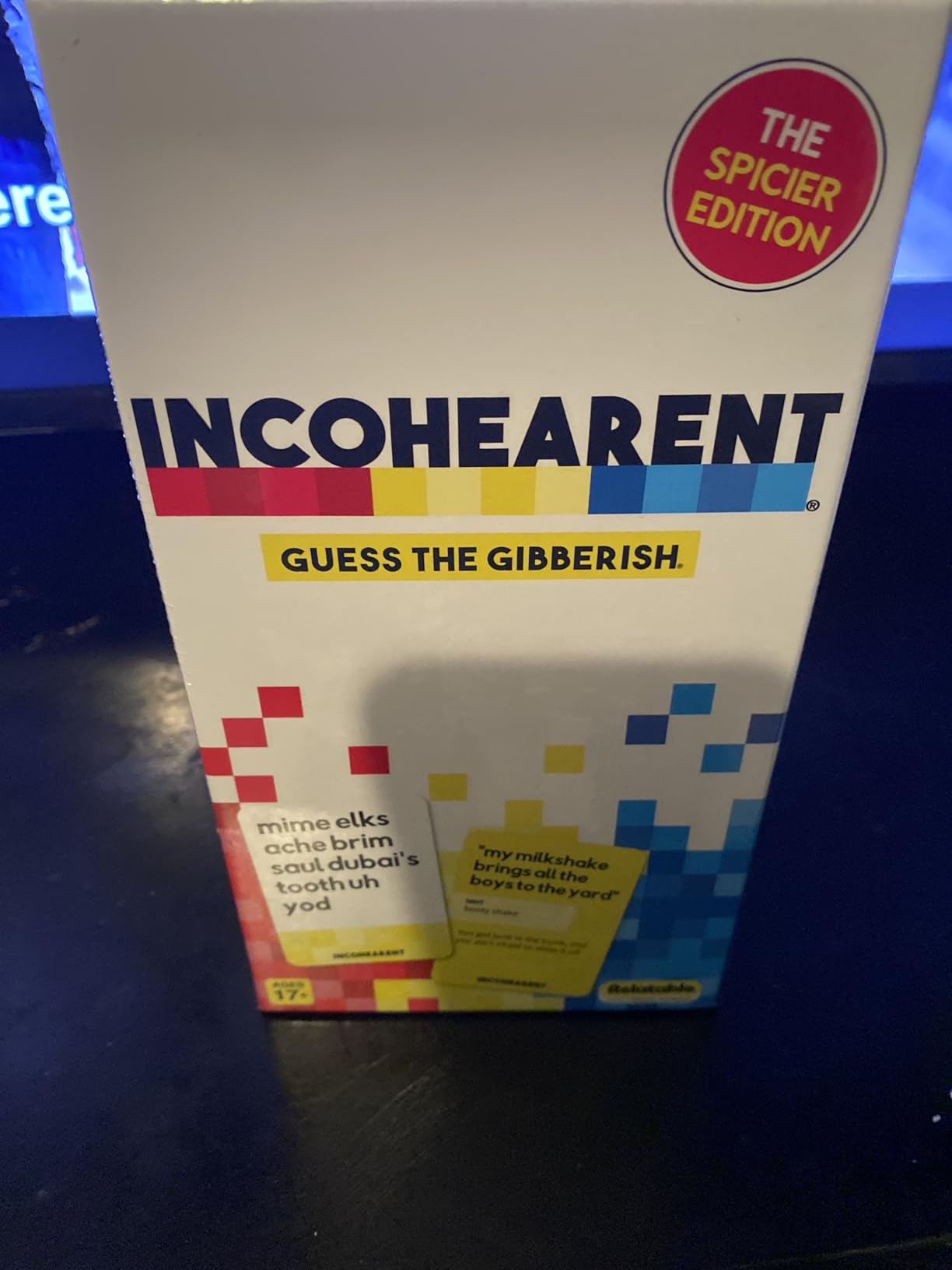
For a large group, run three tables and treat the timer as the synchroniser. Everyone in a round is guessing simultaneously, so a table of 8 takes about as long as a table of 3, which makes splitting the room painless rather than obvious.
Screen the categories before you start. The manufacturer markets this as a viral card game with heavy social media reach, and the Spicy and Pop Culture decks divide opinion depending on the age and humour of the room, as reviews make clear.
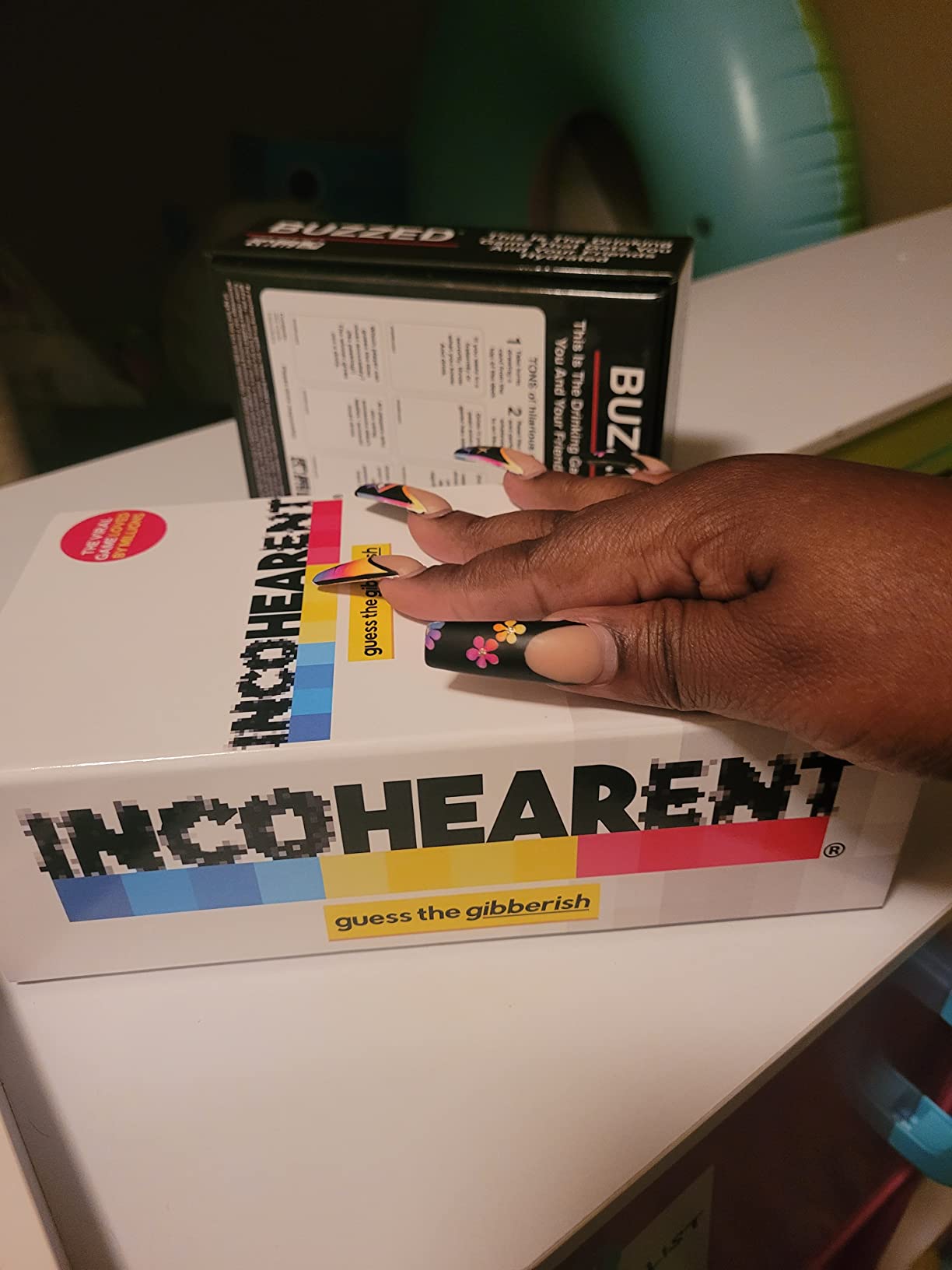
How to run it with 12 or more players
Run it in groups of 8 and let the group with the most decoded phrases at the end of the timer win. That structure keeps everyone working at the same time and turns a loud, fast format into something with a shape. Write the phrase count on a board, since players will otherwise argue about whether a near-miss counts.
Have the host flip a few Party cards face down before the round starts if you want to keep the group mixed in age. It takes ten seconds and removes the awkward negotiation.
When to skip it
Skip it if anyone in the group has a speech or hearing difference. This game is built almost entirely on reading nonsense aloud, and the review consensus names that as the recurring accessibility complaint, along with how tiring the vocal format becomes over a long session.
Skip it for mixed-age rooms too. The Spicy and Pop Culture categories are the most talked-about part of the box, and pulling them out leaves a thinner game than the marketing implies.
6. Twister Ultimate – Best Active Game for Kids and Standing Crowds
Hasbro Gaming Twister Ultimate: Bigger Mat, More Colored Spots, Family, Kids Party Game Age 6+; Compatible with Alexa (Amazon Exclusive)
64 by 93 inch mat
Spinner with no batteries
Ages 6-15
Indoor and outdoor
Pros
- Oversized mat and extra color spots suit bigger groups
- All ages pick it up within one turn
- Works indoors and outdoors
- Rolls up for storage
Cons
- Needs clear floor space
- Hard in crowded rooms
- Awkward for anyone with joint or mobility issues
This is the pick for a room where everyone is standing, the children have arrived early, and nobody wants to sit down. The mat is 64 by 93 inches, twice the footprint of the original, with more and larger coloured spots, which is the entire upgrade over the classic version.
Play is a spinner, a colour and a body part, and the last player standing wins. There is no reading, no memory and no vocabulary, so it clears every age and language barrier. For a family reunion where three generations share a hall, that is worth more than strategic depth.
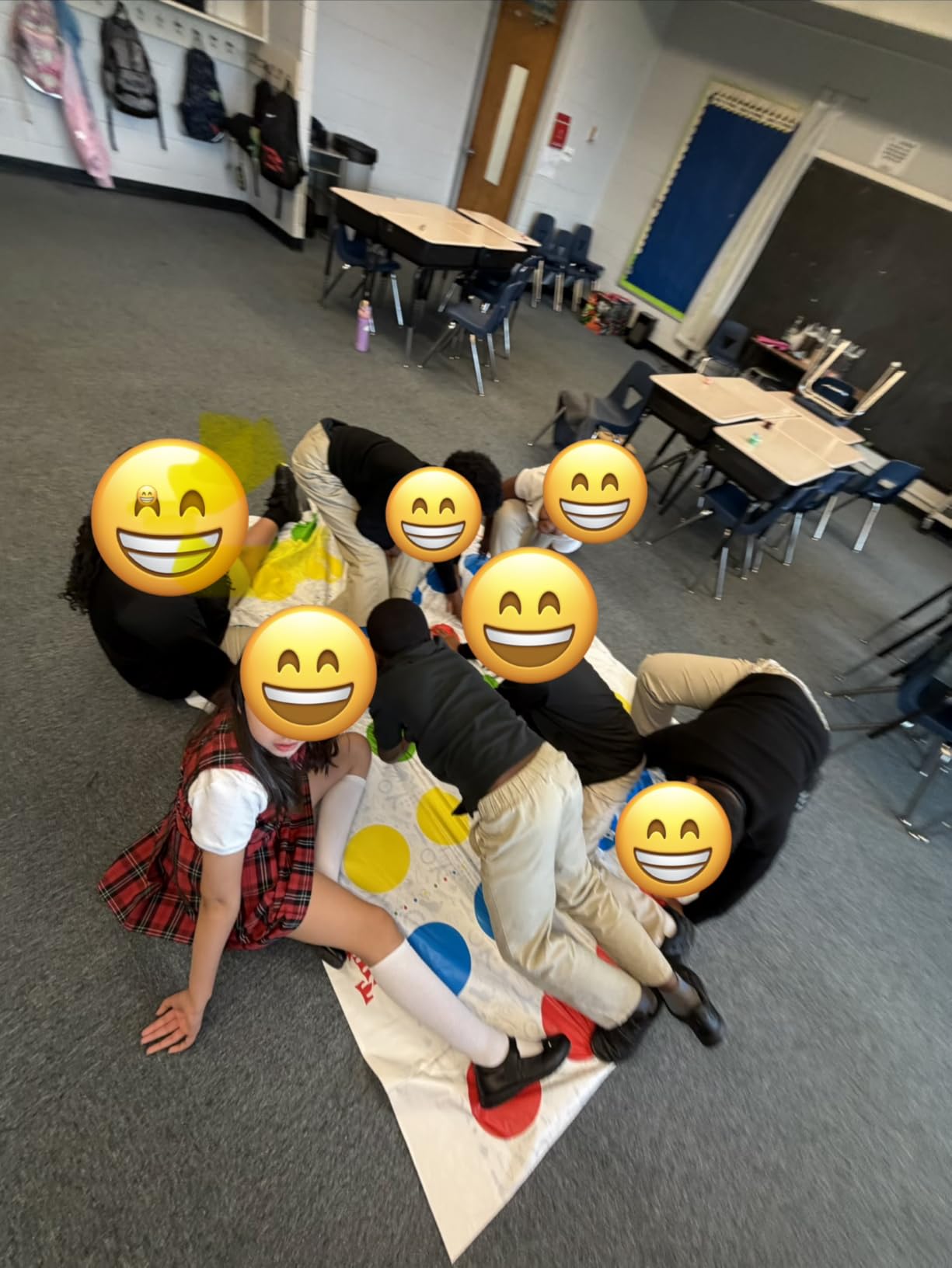
At scale, the spinner system is a problem you should plan for. With 20 people, one spinner means long pauses. Fix it by running two spinners for two simultaneous rounds, or split the room into teams of four and give each team its own pass. The manufacturer recommends ages 6 to 15.
Reviewers give it a 4.7 with about 83% five-star ratings, singling out the bigger mat and extra spots as the standout improvement, and naming floor space as the standing drawback.
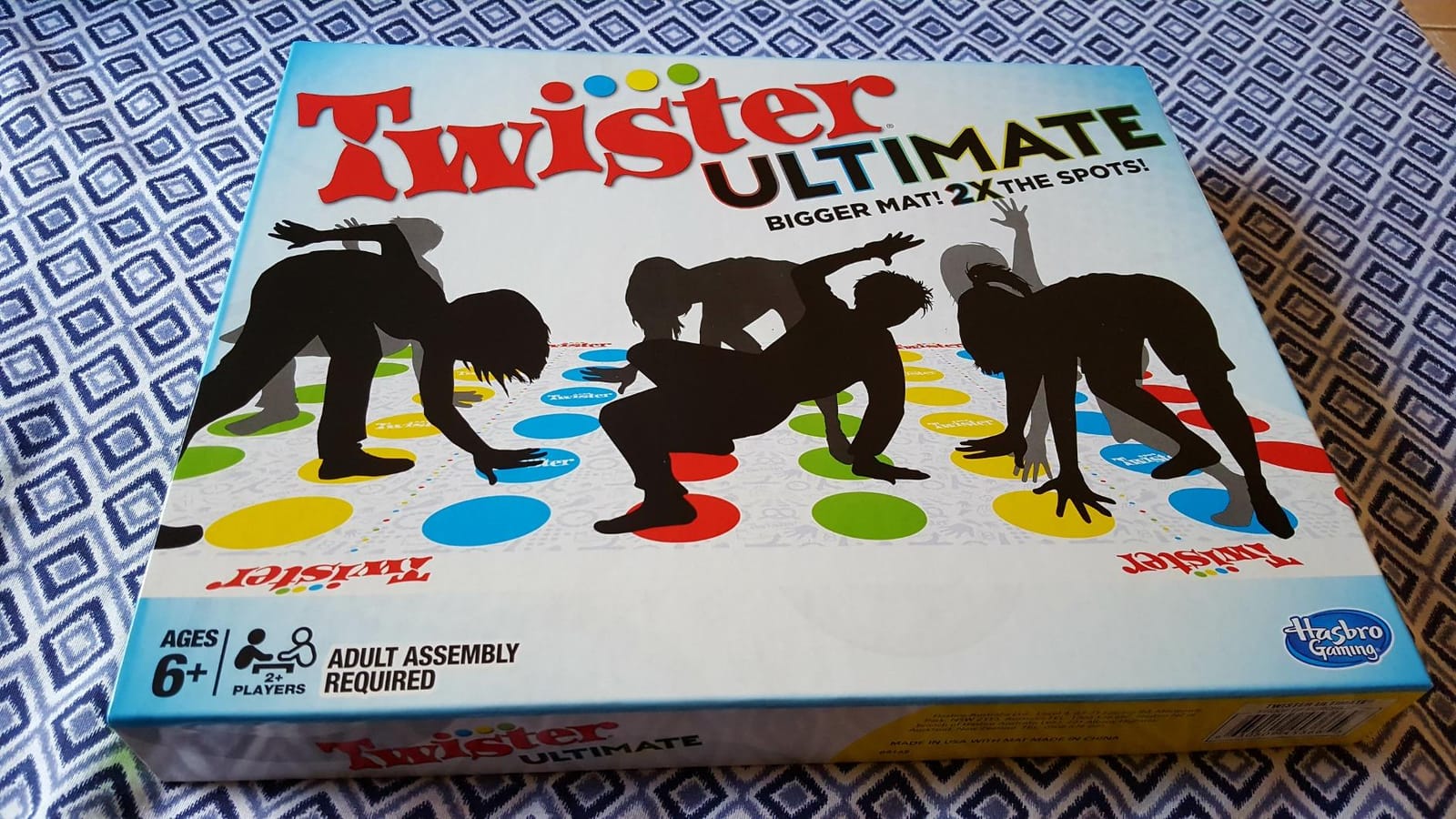
How to fit it into a crowded room
Clear the floor before guests arrive rather than during. The mat is 64 by 93 inches and the box weighs 1.7 pounds, so clearing roughly 6 by 8 feet of floor is the real requirement. In a packed living room, this game simply does not fit, and no amount of rearranging coffee tables solves it.
No batteries are required, which is a genuine advantage in a house with no outlets near the floor. It works outdoors on a flat lawn, which makes it one of the few picks here that doubles as a garden party game.
When to skip it
Skip it for large adult groups, because floor space and physical comfort become the limiting factors. Reviewers are specific that getting up and down repeatedly is difficult for anyone with joint or mobility issues, and that the game takes up far more space than a small group needs.
Also skip it as the sole evening plan. It burns energy fast, so pair it with a seated game to follow rather than expecting it to carry three hours.
7. Blank Slate – Best for Mixed-Age Groups and Fast Entry
Blank Slate Board Game, A Party Game of Addicting Predictions
3-8 players, scales higher
Ages 8+
20-35 minutes
8 slates and 250 cue cards
Pros
- Extremely low barrier to entry
- Scales past 8 with paper and pen
- Answers change with the group so replay value is high
- Dry-erase slates survive repeat use
Cons
- Dry-erase markers dry out with the caps off
- Slates and cards wear with heavy use
- Not a strategic game
- Weak with fewer than four players
Everyone writes one word that completes a phrase, without showing anyone. If your word matches someone else’s, you both score. That is the entire game, and it takes under a minute to explain to a room that has never played it before.
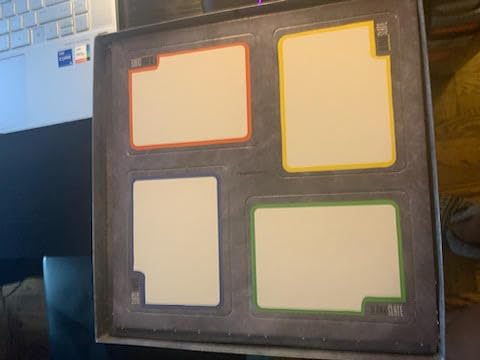
The box holds a scoreboard, 8 dry-erase slates and 250 double-sided word cue cards, with 20 to 35 minutes of play and a recommended age of 8. Mechanics are word association, guessing and deduction, which is a fair description of what happens when a group of adults tries to guess how everyone else thinks.
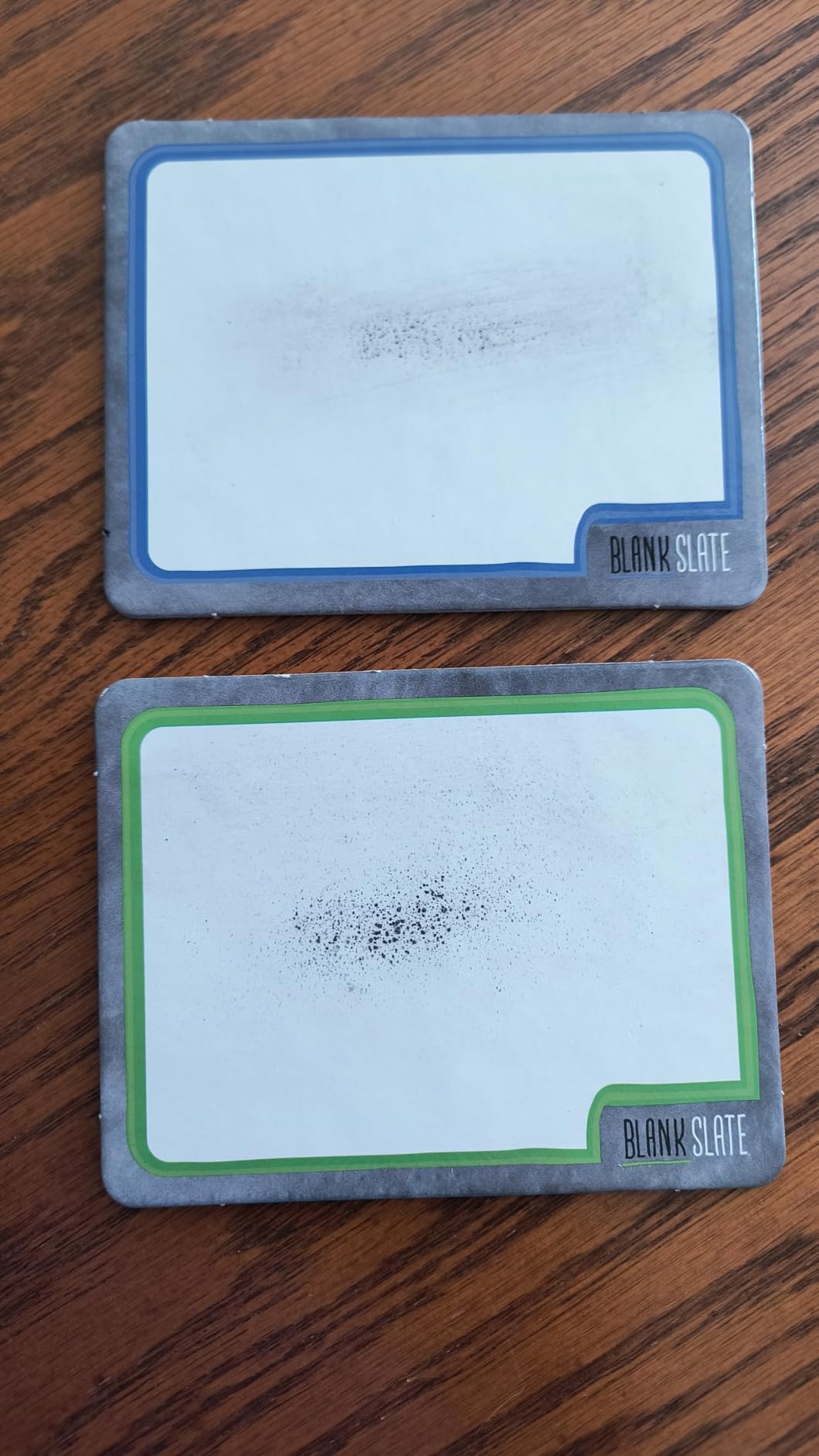
The scale-up is the useful part for big groups. The listed count is 3 to 8, but players beyond the eighth simply write on paper, and reviewers specifically note how well it scales past the stated number. We ran it at 12 that way and it worked without a single rule discussion.
That makes it one of the safest large-group picks on this list for a room that includes children, since the manufacturer recommends 8 and up and the content is ordinary word association.
How to run it for 16 or more people
Hand out paper for anyone past the eighth slate and use a shared visible tally on the scoreboard. The reveal is the fun part, so collect every answer at once and read them out rather than letting people check each other, which turns the round into a conversation.
Keep a marker caddy. The single most common complaint in reviews is dry-erase markers drying out when the caps stay off, and with 16 people writing at once you will lose two in an evening. The slates themselves hold up well to repeated use, so treat markers as the consumable.
When to skip it
Skip it if your group wants strategy. Reviewers are clear that this is a casual funny party game rather than a strategic one, and it is thinner with fewer than four players because the matching mechanic needs several other minds to collide with.
It is also not a long-session game. At 20 to 35 minutes, the same cue cards will start showing up, so bring something else for the second half of the night.
8. Tapple – Best Short Round That Fits Between Courses
USAOPOLY The Original TAPPLE, The Fun & Fast-Paced Family Word Game
2-8 players
Ages 8+
About 15 minutes
36 cards, 144 categories
Pros
- Built-in timer creates real suspense
- 144 categories keep variety high
- Portable wheel with built-in timer
- Word format works across ages and skill levels
Cons
- Shouting gets noisy and strains quieter players
- Best at 4-8 and thin with two
- Not for players who dislike word games
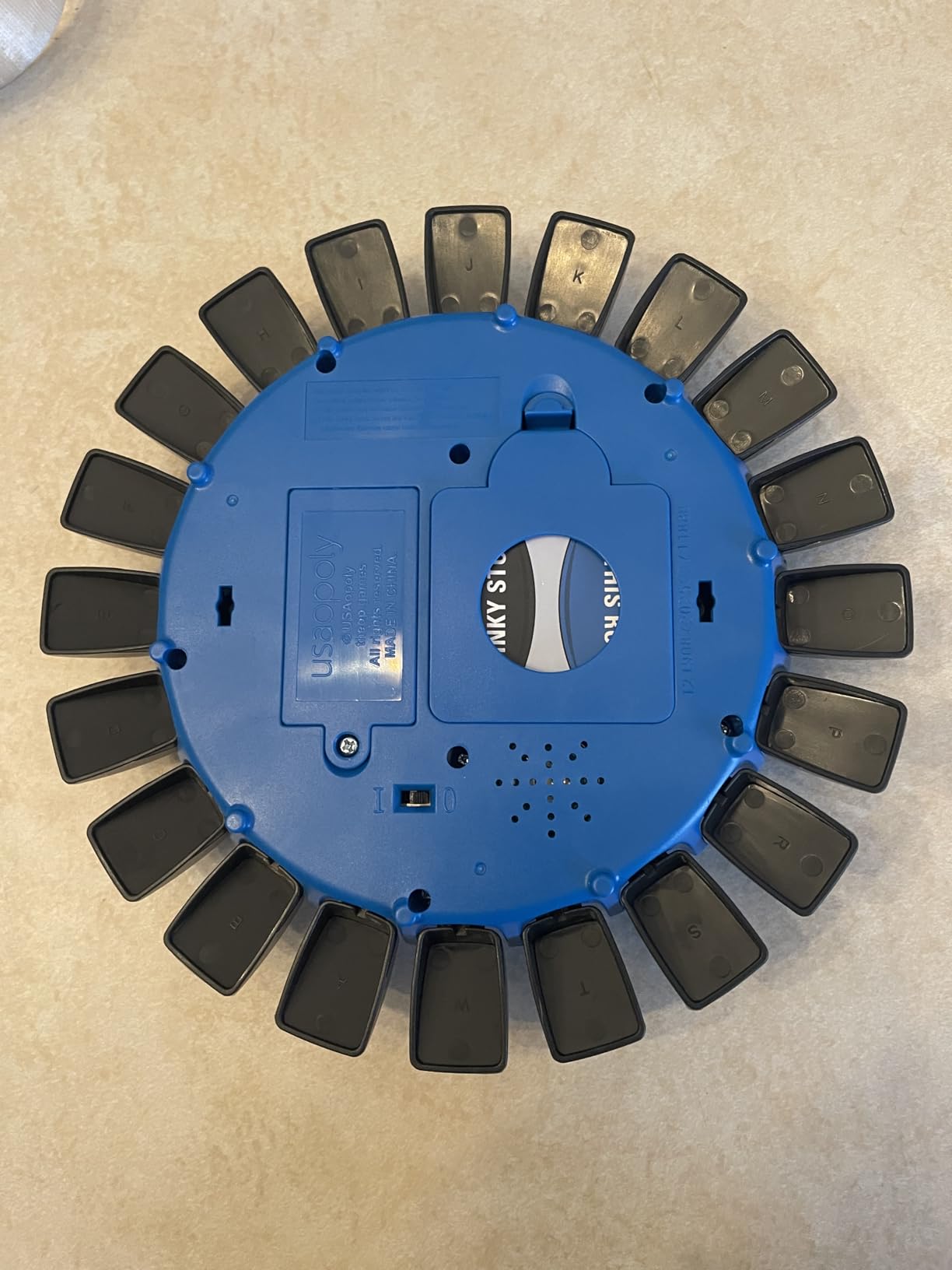
The wheel stores all the category cards and has a timer in the middle of the table. A player flips it, shouts words in the chosen category that begin with a given letter, and slaps the corresponding tab. First one down takes the round. It is 15 minutes, start to finish.
That timer is the design’s real trick. Because the clock, not the players, ends the round, a slow group and a fast group both play at the same pace, which removes the single biggest complaint people have about word games in a large group.
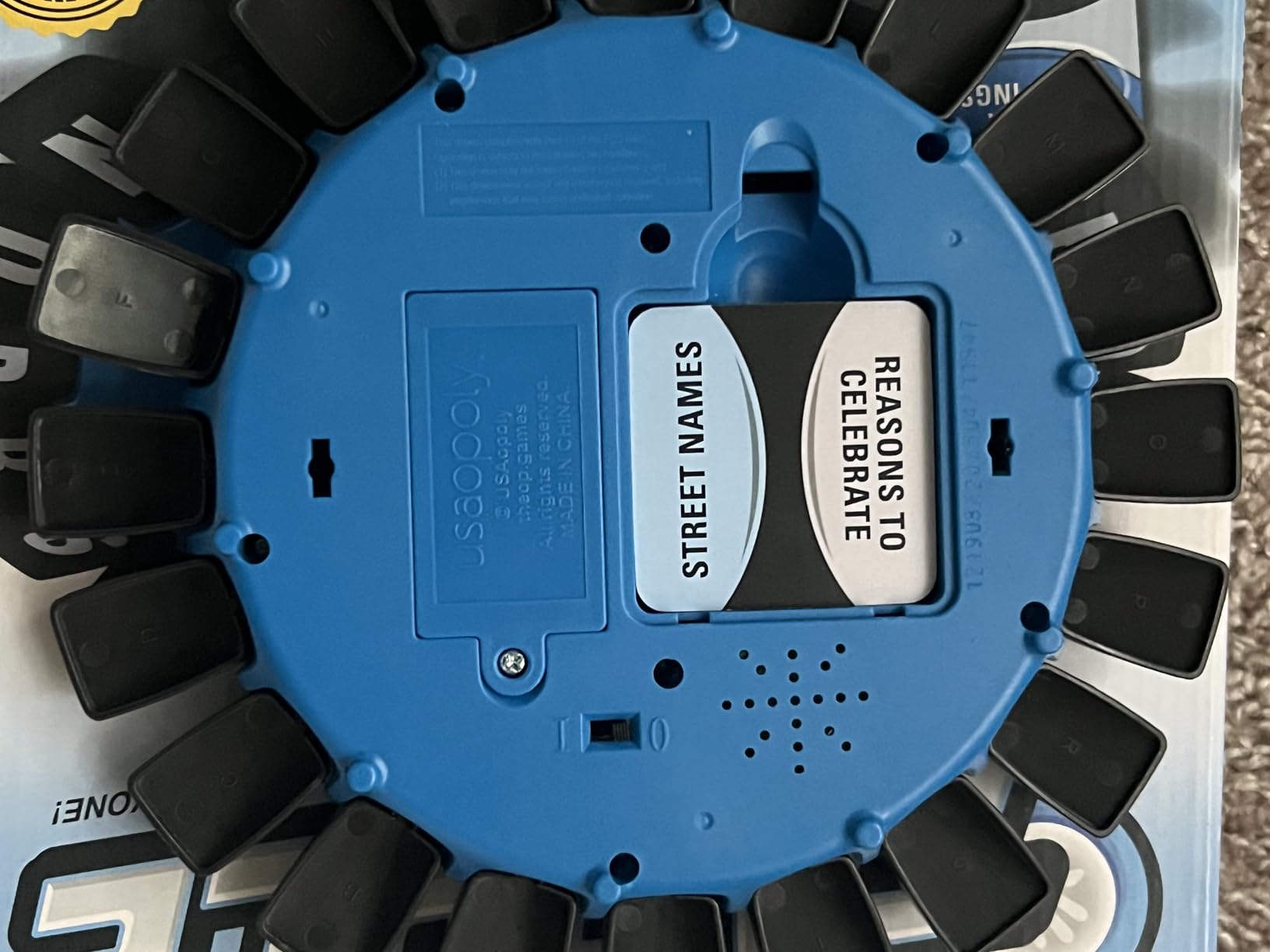
There are 36 cards covering 144 categories, and the portable wheel means the whole thing is one object to carry and nothing to assemble. That makes it the most portable pick here alongside the LCR tin, and the one we would grab for a dinner party or a trip.
Reviewers report a 4.7 with about 84% five-star ratings, and the praise clusters on pace, the timer and the variety. The manufacturer recommends ages 8 and up.
How to handle 12 to 20 players
Split into two teams of six and give each team a wheel. With one wheel and 16 people, the fun drains into waiting, because only one person interacts with the game at a time. Two wheels and two teams, and everyone is playing simultaneously again.
Score by rounds rather than individual shouts, and keep the losing team in the game with a handicap. A 15-minute game does not leave room for anyone to sit out feeling idle.
When to skip it
Skip it for a quiet room, a dinner table, or a group with anyone who does not enjoy word games. Reviewers name the shouting as both a noise problem and a strain on quieter players, and it is not the game to pick for a conversation-heavy occasion.
Also skip it as a two-player game. The listed minimum is two, but the recommendation from reviews is 4 to 8, and below that the categories and the timer have nobody to compete against.
9. Ransom Notes – Best Team Game for Big Tables With No Rules Reading
Ransom Notes – The Ridiculous Word Magnet Party Game, 3+ Players
3-6+ players, scales with teams
Ages 17+
840 magnets, 250 prompts
30-90 minutes
Pros
- Learned in under a minute
- 840 magnets and 250 prompts give strong replay
- Compact storage bag is easy to transport
- Works well when big groups team up
Cons
- Rounds run slower than typical party games
- Many prompt cards need screening for mixed ages
- Magnets can be fiddly to separate
- Not as funny with 2-3 players
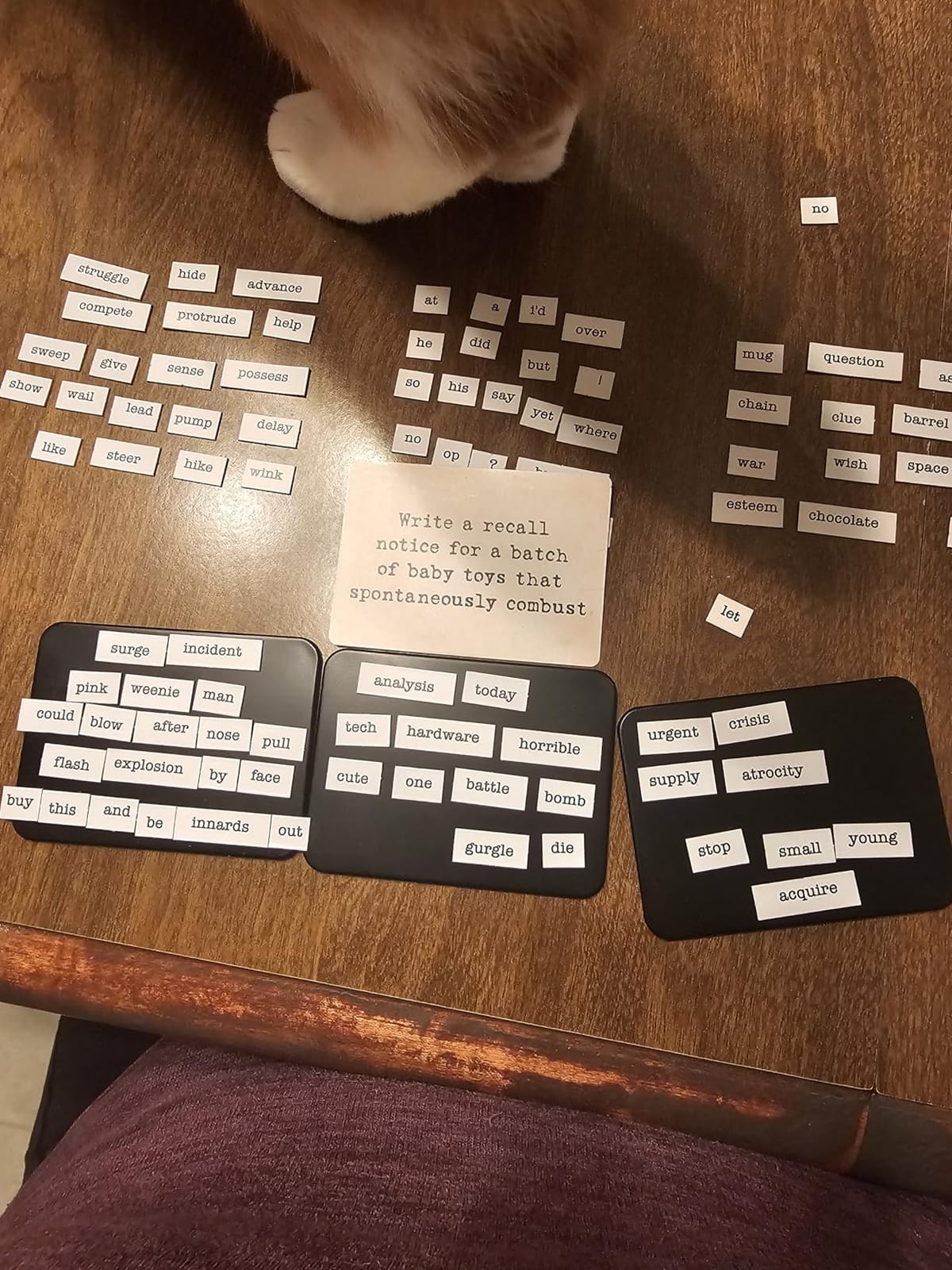
A prompt card says something outrageous, and each team builds a sentence about it from a shared handful of word magnets. Everyone talks at once, everyone argues about word choice, and the result is nonsense. The manufacturer states clearly that it takes under a minute to learn.
For a large group this is a team game rather than an individual one, which is the key to scaling it. The box is designed for 3 to 6 players but is explicitly built to be played with larger groups teaming up, and 840 word magnets plus 250 prompt cards give you a lot of material to spread around a table of 20.
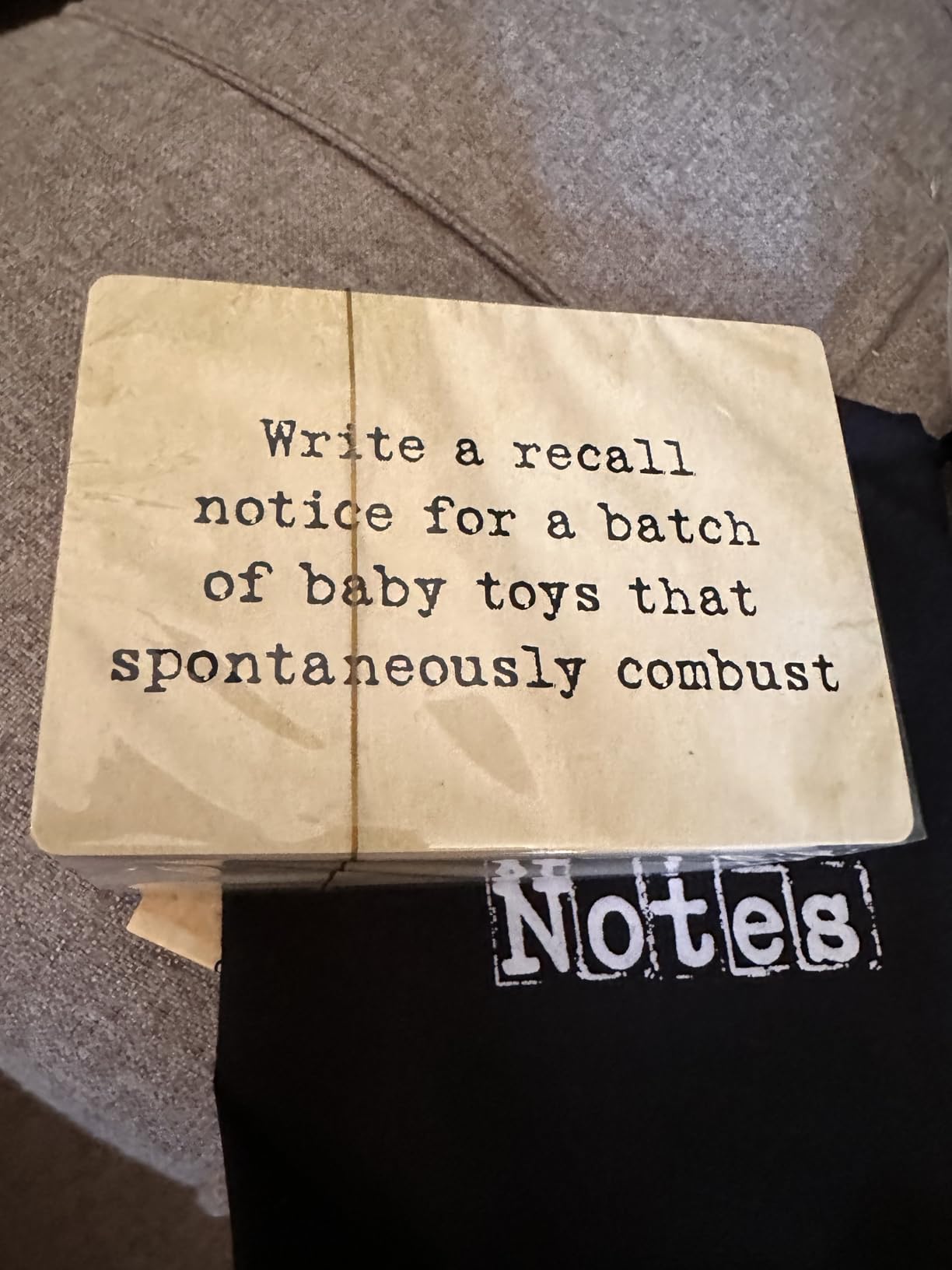
Content screening is the real work here. The box states that most cards suit all audiences but a good number do not, and estimates that pulling 15 to 30% of the deck makes it family friendly. Budget ten minutes at the start to sort if the room is mixed.
Reviewers give it 4.6 with about 78% five-star ratings, describing it as instantly funny and endlessly replayable, with recurring critiques around pace and magnet quality.
How to scale it to 15 or 20 people
Form three or four teams and give each team its own handful of magnets. Do not pool magnets for everyone, or the round becomes one table arguing and the rest of the room watching. Judging is the other half: have one person per team read the finished sentence while everyone laughs.
Expect 30 to 90 minutes depending on group size, and use the storage bag to move it between rooms. The box measures 5.25 by 4 by 4 inches and weighs 2.1 pounds, so it is heavier than the card games here but still one-handed to carry.
When to skip it
Skip it when you need a fast rotation. Reviews flag that rounds run slower and more deliberately than typical quick party games, so in a house where you planned four games in an evening, this one eats the slot of two.
Skip it for mixed-age or large senior groups without screening. Magnets also need a level of fine finger control that some players with joint or hand mobility issues find difficult, and some print is small in dim light.
10. The Chameleon – Best Two-Minute Social Deduction for Teens and Adults
The Chameleon Social Deduction Board Game for Adults, Ages 12+
3-8 players
Ages 12+
About 15 minutes
2-minute learn time
Pros
- Learned in about two minutes
- 15 minutes per game slots into a longer party
- Ages 12+ suits mixed teen and adult rooms
- Bluffing produces pointing and laughter
Cons
- Best at 5-8
- deduction is thinner below that
- Only works if the group is happy being suspected
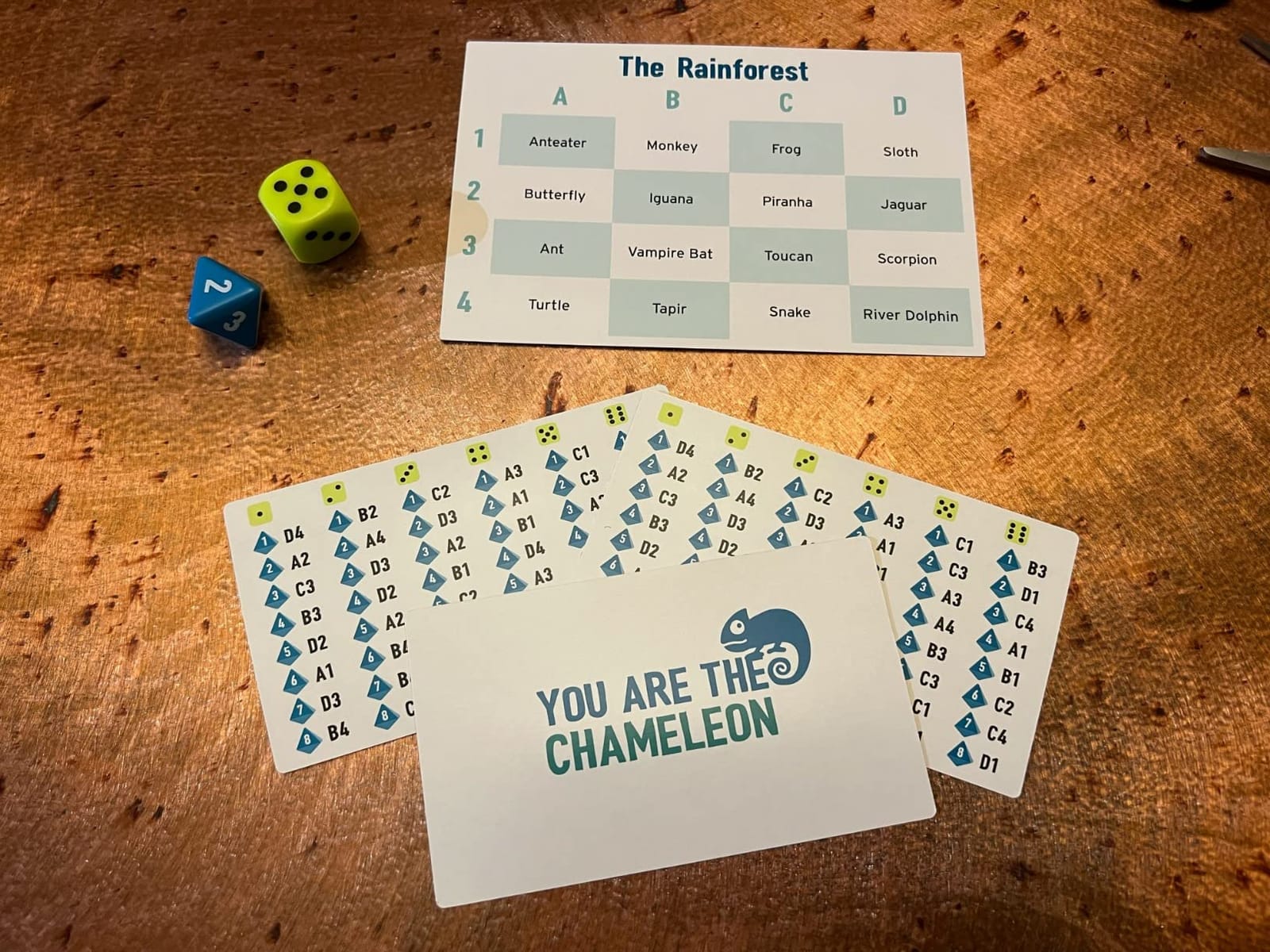
Everyone receives one word from a hidden code word, and one player receives nothing. That player is the chameleon. Everyone talks about the word they hold, the chameleon listens, and the room works out who is missing information before the imposter escapes.
It is the fastest social deduction game here after Werewolf, and the fastest to teach by a distance. The box itself states 2 minutes to learn and about 15 minutes to play, and reviewers single out the near-instant teach time as the reason it slots so easily into a party with other games.
The recommended count is 3 to 8 players, ages 12 and up. The manufacturer listed 8 in the product details and recommends 3 to 8 in the gameplay notes, and both align with what we found: this is a 5 to 8 person game that tolerates 3, not a 20 person game.
For a big group, run three to four tables. Because the whole game is one round of talking, parallel tables actually increase the noise level in a room, so put them apart if you can. Reviews note the structure produces genuine finger-pointing and laughter, which is exactly what an icebreaker needs to do.
How to use it in a group of 20
Never try to seat 20 at one table. Instead, treat a round as an icebreaker across simultaneous tables and then merge the room for something that genuinely scales, such as Wavelength or Blank Slate. The value of this game is that a mixed-age group of 12 and up plays it happily together.
Set a strict 15-minute cap. The box dimensions are 7.4 by 5.8 by 2.2 inches, so several copies stack into a bag and the setup per table is a single deal.
When to skip it
Skip it with players who dislike bluffing or do not enjoy being suspected. This game requires the group to be willing to be accused, and a conflict-avoidant guest can find it uncomfortable. Werewolf asks for the same tolerance, so check your room before either one.
Skip it below five players. Reviewers are consistent that the deduction is less layered when the group is small, so in a group of three it is thinner than the recommended 3 to 8 suggests.
11. Wavelength – Best Conversation Game for 6 to 12 Players
CMYK Wavelength – A Mind Reading Party Game
2 to 12+ players
Ages 14+
84 plus 42 prompt cards
About 30 minutes
Pros
- Scales from 2 to 12+ making it a strong large-group fit
- Five-second setup and one-minute learn time
- Family friendly and plays across generations
- Durable plastic dial device
Cons
- Some card prompts feel bland and need extras
- Experience depends on a talkative group
- Heavier device takes more table space
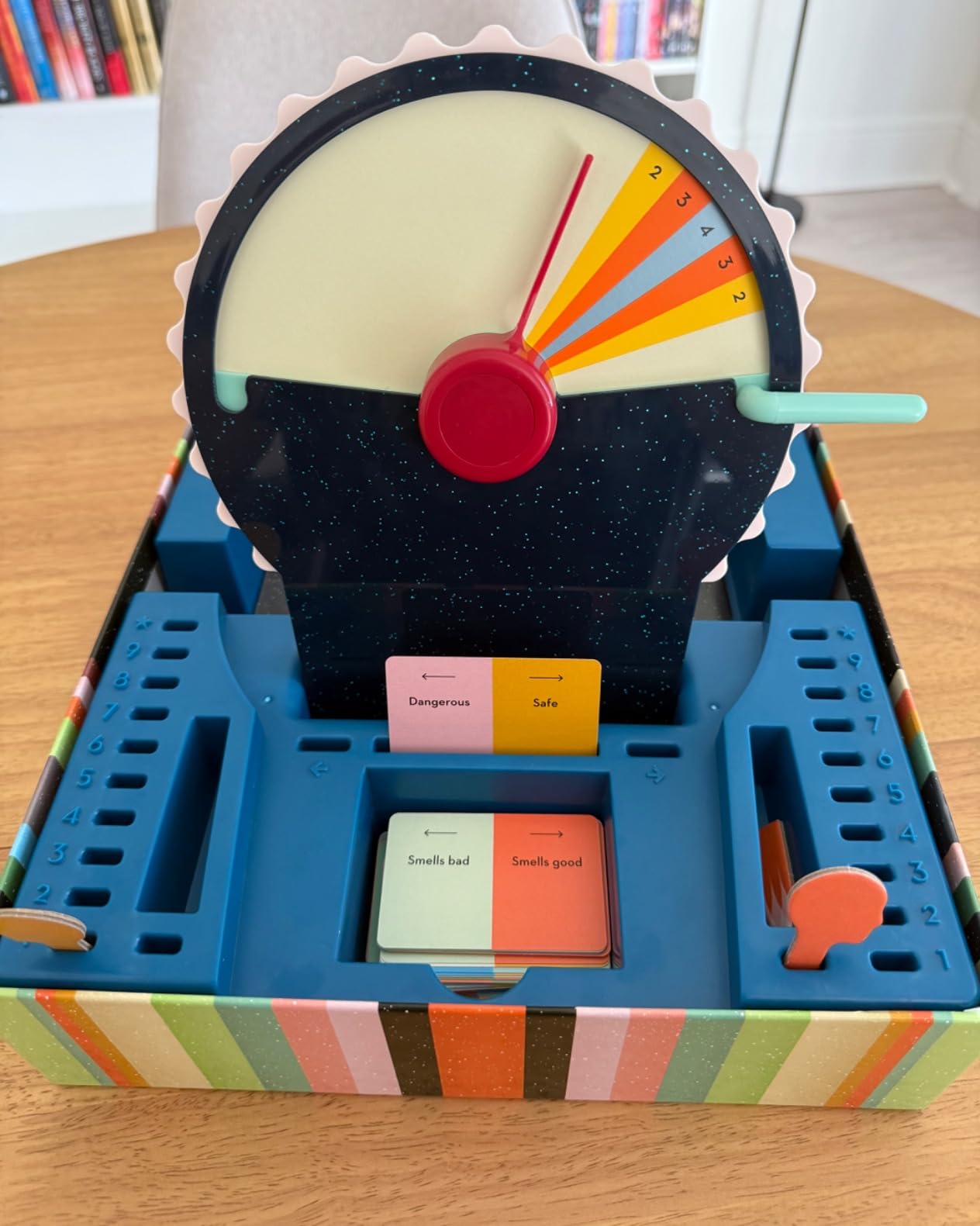
A clue giver sees a target word and a pair of near-synonyms, then places a dial on a spectrum between them. Everyone else moves a pawn along a matching track. Points land on how close the group gets. The box states 5 seconds to set up, 1 minute to learn and 30 minutes to play.
The player range of 2 to 12+ is the reason it is here. Very few games stretch that continuously without losing the thread, and reviewers consistently name that flexibility as the standout feature rather than anything about the components.
Because the whole mechanic is a dial and a row of cards, it scales by adding board space rather than adding rules. Concurrent or team play also works, which reviewers mention as a way of mixing skill levels so a strong team does not carry a weak one.
It is family friendly and playable with kids and grandparents together, which makes it a safer choice than the two adult-comedy picks earlier on this list. The manufacturer recommends 14 and up, though the format itself is gentle.
How to make it work for 12 to 20 players
Split into teams and give each team its own dial, running two or three clue givers in parallel. The 84 Wavelength cards plus 42 Advanced cards are enough material that parallel groups do not run out of prompts, which is the part that usually breaks a scaled-up version of this game.
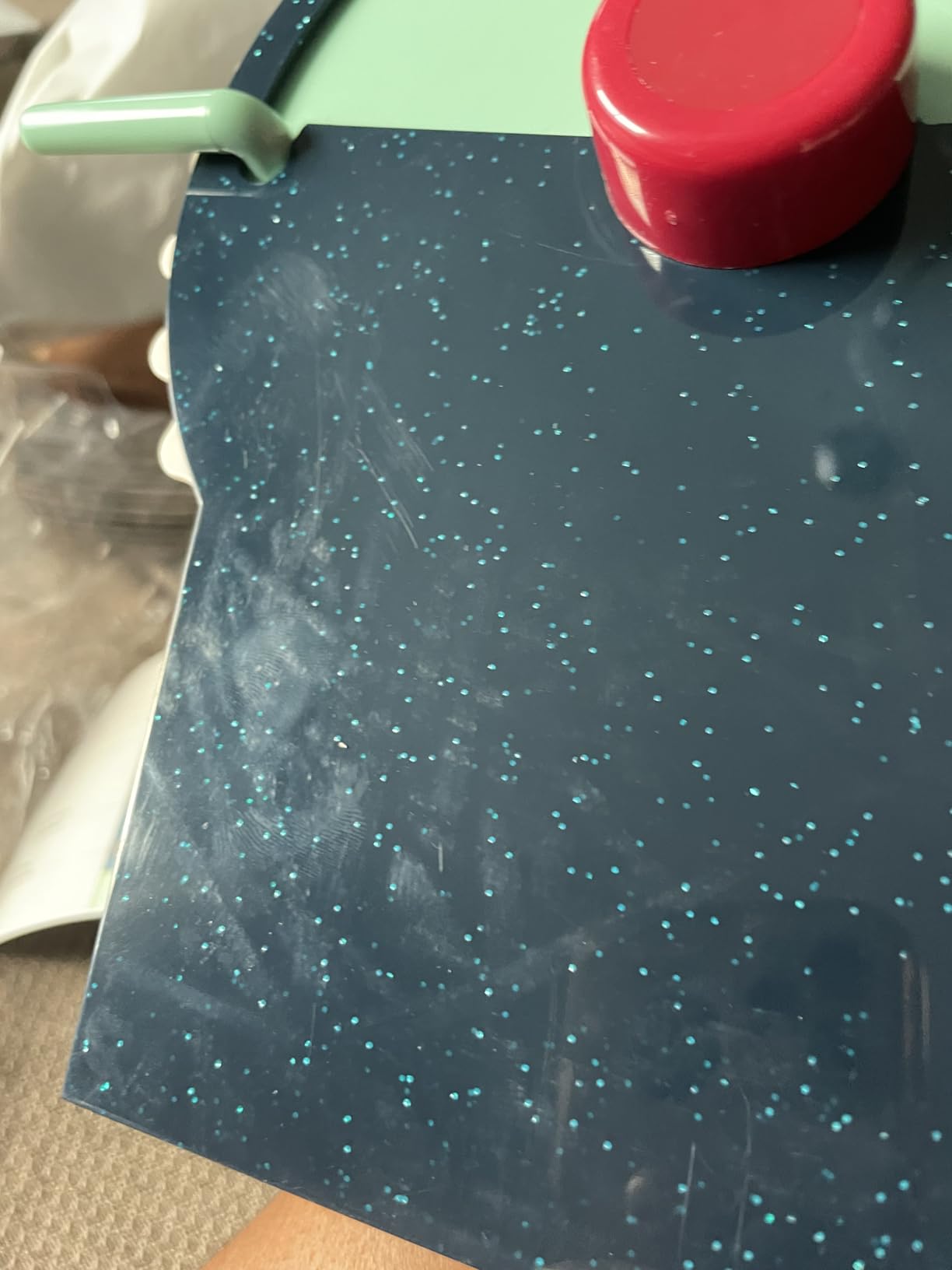
Plan for table space. The device is a physical dial, the box measures 10.25 by 10.25 by 2.75 inches, and reviewers note it takes more room than a card game. If you are working around one long table, this is the pick most likely to run out of space first.
When to skip it
Skip it for a group of quiet people. Reviews are direct that the quality of the experience depends heavily on having a talkative group, and a reserved room produces long silences between clues rather than guesses.
Skip it if you cannot invest ten minutes in extra prompts. Some of the supplied cards are perceived as bland, and the fix is simply to add your own or use the Advanced deck more heavily.
12. Stellar Factory Werewolf – Best True 20 to 35 Player Game
Stellar Factory Werewolf Party Game, Up to 35 Players, Ages 12+
7-35 players
Ages 12+
50 cards, 9 roles
30-60 minutes
Pros
- Genuinely scales to 25-35 players
- Nine distinct roles keep rounds different
- Deck fits in a pocket
- Easily explained in any language
Cons
- Needs at least 7 players
- and 10+ is better
- Requires a confident moderator
- Rules take a few minutes to absorb
This is the only pick on the list rated for a genuine crowd. The stated range is 7 to 35 players, and reviewers describe it as one of the few party games that actually scales, which is exactly the gap most big-group hosts complain about.
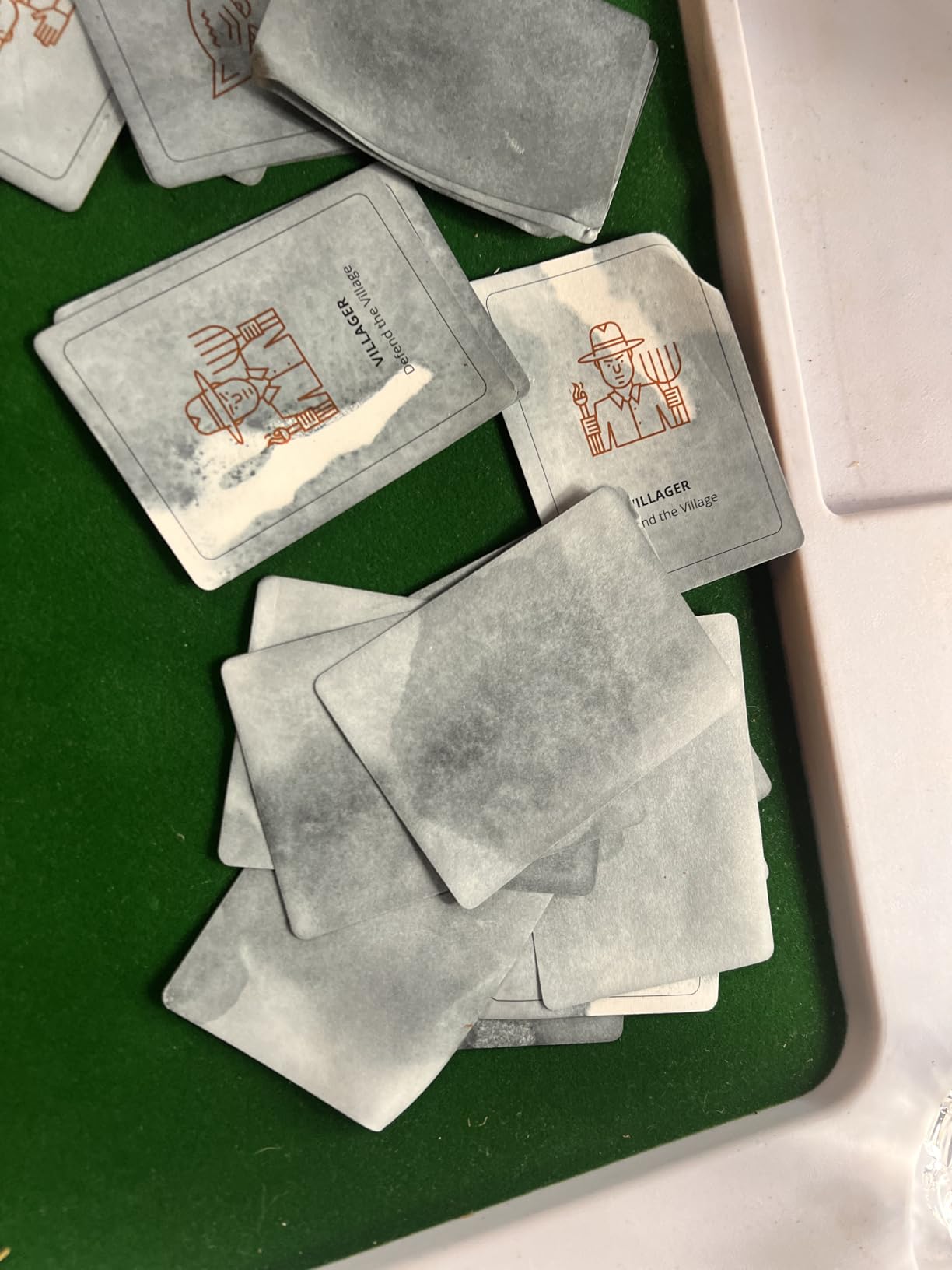
The deck holds 50 cards covering nine roles, including Villager, Werewolf, Wild Card, Seer, Doctor, Moderator, Village Drunk, Witch and Alpha Werewolf. The variety of roles is what stops a 30-player round feeling like a repeat of the last one.
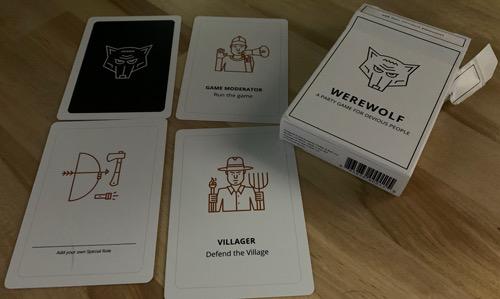
Physical logistics are excellent. The deck is the size of a standard playing card, so it travels in a pocket, and a full game runs 30 to 60 minutes. That makes it the one pick here you can hand to a host in another city rather than posting a box.
The moderator requirement is real, and the box is honest about it: moderator cards with clear instructions let a first-time game master run a smooth round. Reviews still name needing a confident narrator as the recurring problem, plus a seven-player minimum with 10 or more being better.
How to host 25 to 35 people
Pick your moderator before the night and send them the role list in advance. The rules take a few minutes to absorb, and first-time players should read ahead, so a five-minute briefing during the party costs you the momentum you just built.
Run one game, not a tournament. At 30 players, the discussion itself is the event, and a second full round is another hour. If you want a second activity, queue a fast card game for after rather than restarting this one.
The box is paper, measures 2.56 by 0.62 by 3.56 inches and carries a recommended age of 12 and up, so it clears a mixed teen and adult room better than the adult-comedy picks.
When to skip it
Skip it below 10 people. Even though the stated minimum is 7, both the reviews and our own runs say the deduction gets thin and the moderator has too few people to manage, so treat 10 as the practical floor.
Skip it if nobody in your group wants to be the narrator. A weak moderator does more than slow this one down, it ends the game, and that risk grows with group size.
Free Party Games for Large Groups With No Purchase
Not every night needs a box. These five need nothing beyond a pen, a deck of cards or an open floor, and each of them comes up again and again when large groups ask what to do without buying anything.
Reverse charades. One player stands with their back to the room and cannot hear. The entire group acts out a word or phrase while that one person guesses. It needs no equipment at all, works at 20 people because the group rather than the individual carries the round, and it produces the sort of noise a party needs at the halfway mark.
Ninja. Players stand in a circle. On a signal, everyone raises one hand and on the next signal tries to slap the hand of the person next to them. It takes ten seconds to explain, needs no space beyond a ring of people, and scales to any crowd, although it gets frantic and noisy above about 15.
Party quirks. Everyone draws a secret identity or quirk card. The game is played in ordinary conversation for twenty minutes, and each person has to work out their card from how others treat them. A pack of cards is optional, since slips of paper work fine. It is slow by design, so use it early while the room is still polite.
Two rooms and a boom, played by hand. The boxed two-room social deduction design costs money, but the idea is free to adapt. Split the group between two spaces, give half a word and half a related word, and let them negotiate without ever meeting. It is a good answer for a group spread across floors.
Most likely to. No cards needed. Ask a question, everyone writes an answer on a slip, and the group reads them out loud. It is the fastest filler we know for a group of 25 that has just run out of boxed games.
How to Run a Party for 20+ People?
Forum threads about big-group hosting converge on one frustration: splitting a 16-person group into two games is treated as failure. The prevailing view is that finding one game that holds everyone beats running two games that each hold eight, because the split is what kills the atmosphere.
So buy for your real ceiling, not your average. We used this rule: for every 10 people, have two games, and at least one of them must be a card game rather than a board game. Card games spread, board games need a table, and most large gatherings have one table and no chairs.
Rotate on the half hour rather than the hour. A 20-minute game such as LCR or Blank Slate between two 15-minute games such as Codenames or The Chameleon keeps the room moving and gives late arrivals a natural entry point. Nobody has to be taught a long game from the start.
Have a plan for drop-outs and spectators. It is a real problem at 20+ and almost nobody addresses it. The simplest fix is to make one of your games team-based, so a person who leaves early is not holding a score that evaporates, and a late arrival can join a team that is mid-round instead of starting cold.
Know which games work standing up and which need the floor. LCR, Incohearent, The Chameleon and the free circle games all work standing. Twister needs clear floor. Wavelength and Codenames need table space. When space is the constraint, sort your shortlist by that before anything else, the same way you would size equipment stands for large setups or plan enclosures for big spaces before the guests arrive.
For a group spread across two rooms, treat it as a feature rather than a problem. Any two-space social deduction design turns the split into the mechanic, which is far more fun than two conversations happening in two rooms.
Party Games Buying Guide for Big Groups
Most buying mistakes in this category come down to trusting the printed player count. Boxes routinely advertise a number that the design cannot deliver, and a game rated for 8 that falls apart at 6 leaves you with nothing at 15. Here is how to screen quickly.
Count simultaneous players, not participants. Ask how many people are doing something at the same moment. In a deduction game where one person gives clues and everyone else watches, the true number is lower than the box suggests. In a game where everyone writes or acts at once, the number is usually honest.
Screen out games that exclude non-gamers. This is a recurring worry in community threads about party games for newcomers. Avoid anything needing a confident moderator, a rulebook with more than two pages, or a specific cultural reference. Games such as Blank Slate, Wavelength, LCR and Twister all pass this test.
Check the recommended age before you invite. The recommended ages on this list run from 5 and up for the LCR dice game to 17 and up for Cards Against Humanity and Incohearent. Mixed-age rooms are easiest when you have at least two picks that clear the youngest guest present.
Count the components, not the promises. A tin of dice beats a 16 by 8 inch board for a borrowed venue. Fewer pieces also means less to lose when a large group inevitably loses something, which is why two of the three most portable picks here are card or dice based.
Buy for rotation, not for one big game. Four cheap games beat one premium game for a three-hour party, because variety is what keeps a large group together. This is the same logic behind our guides to sizing equipment for large spaces and sizing systems for large volumes: plan for the peak load, not the average one.
For teenagers, prioritise teach time. A group of teens will abandon a game the moment it feels babyish or complicated. The timer formats and bluffing formats on this list land best with that age group, and one of them carries a 12-and-up recommendation for exactly this reason.
A lot of these boxes change hands second-hand, and for a one-off party that is a perfectly good approach. Just check that the components are complete, particularly slates, markers and timer mechanisms, since those are the parts that go missing.
Frequently Asked Questions
What are some good games for a large group?
Look for games where ten or more people act at the same time, teach time is under two minutes, and nobody waits through a turn. On this list, Cards Against Humanity handles 4-20+ players with no rule change, the LCR dice game works for 3+ and scales as people are added, and Stellar Factory Werewolf is rated for 7-35 players. Games built around one clue-giver, such as Codenames or The Chameleon, need multiple tables rather than one big one.
What are some good games for 12 people?
For a group of 12, pick games where twelve people are genuinely active rather than watching. Blank Slate works because players past the eighth slate just write on paper, Tapple works once you split into two teams of six with a wheel each, and Wavelength scales by adding dials rather than rules. Cards Against Humanity handles 12 without any change, and The Chameleon is comfortable at its upper end.
What is the best game for a large group of people?
Cards Against Humanity is the best single choice for a large group. It is rated for 4-20+ players, needs no setup, teaches in about a minute, and contains 500 white cards with 100 black cards so a big group can play repeatedly. The limitation to know about is the content: the manufacturer recommends 17 and up, so it does not suit mixed-age or conservative rooms.
What are some fun giant party games for adults?
Giant-format options are limited compared with ordinary card games, so the best scale comes from games designed for a crowd. Stellar Factory Werewolf is rated for up to 35 players with a pocket-sized 50-card deck. For physical activity, Twister Ultimate uses a 64 by 93 inch mat, twice the size of the original. For a group of 20+ that does not want a moderator, the LCR dice game scales to any headcount in relay teams.
What are some good games for a large group of teenagers?
Prioritise teach time and a 12-and-up rating. The Chameleon states 3-8 players, ages 12 and up, with a 2-minute learn time and 15-minute rounds, and Stellar Factory Werewolf is rated for 7-35 players, ages 12 and up. Tapple is listed at 8 and up with roughly 15 minutes of play. Avoid the 17-and-up picks such as Cards Against Humanity and Incohearent in a room with younger teenagers.
Which party games are best for non-gamers?
Choose games with no reading, no roles and no moderator. The LCR dice game is learned in a single round, Twister Ultimate needs no reading at all, and Blank Slate explains in under a minute and works with mixed ages from 8 up. Avoid anything that requires a confident narrator or a two-page rulebook, since those are the two things that lose a room of newcomers fastest.
Conclusion
For a group of 20, start with Cards Against Humanity, keep an LCR tin in a jacket pocket for the gaps, and have the free circle games ready in case the room outgrows both. That combination covers the awkward opening, the middle stretch and the late arrivals without anyone sitting out.
Below 12 players, the field opens up considerably. Wavelength, Blank Slate and Tapple all handle a table of eight well, and The Chameleon and Codenames are worth the two tables they need. If your group is over 20, Stellar Factory Werewolf is the one pick rated for a genuine crowd.
We will keep updating this roundup through 2026 as these boxes get re-tested at bigger headcounts. If you have run one of these with more people than we managed, the honest ceiling you get to is worth more than the number printed on the side.