
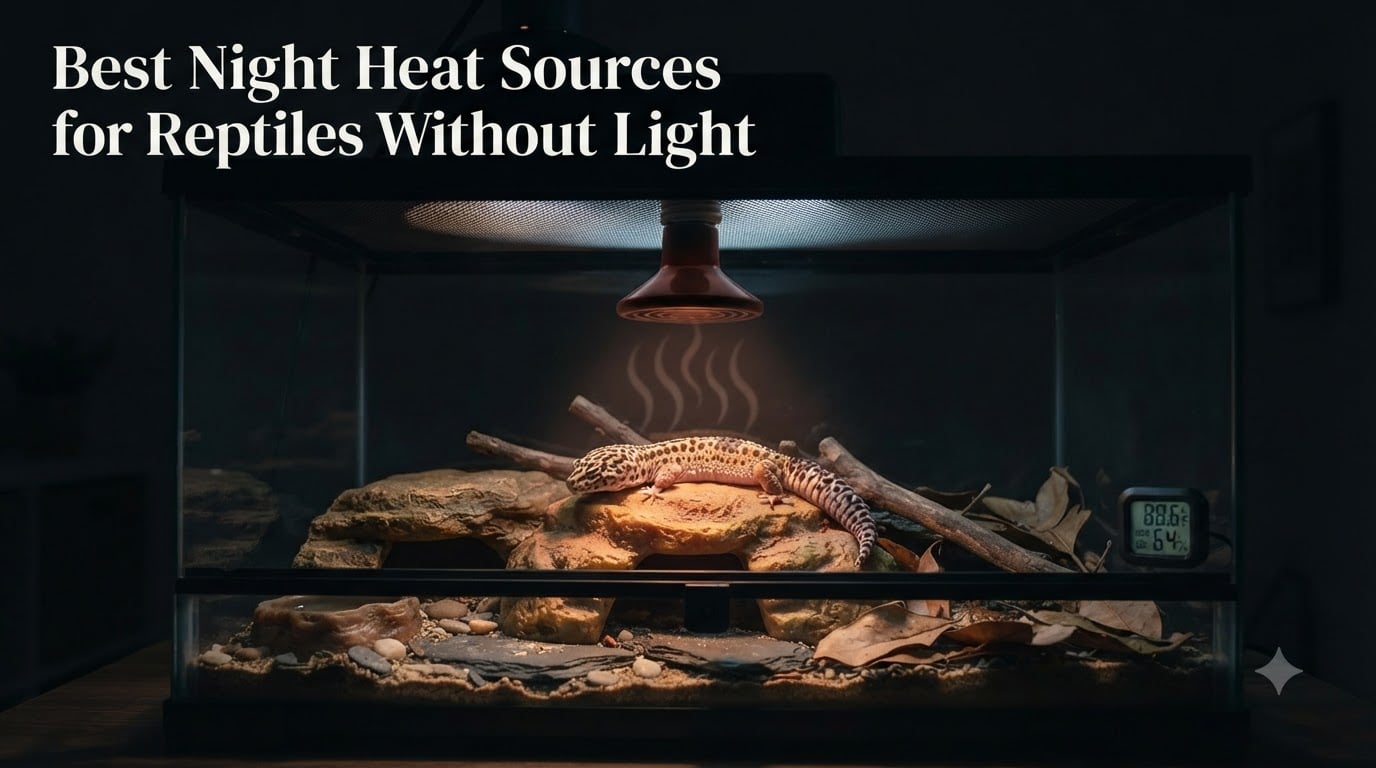
Reptiles need heat to survive, but a bright bulb at 2 AM does more harm than good. After losing sleep watching my leopard gecko freeze near a cold glass wall, I tested every no-light heat source I could get my hands on. This guide breaks down the best night heat sources for reptiles without light that actually work, so your pet stays warm and your room stays dark.
The short answer: ceramic heat emitters, radiant heat panels, and under-tank heat mats are the three heat source types that produce zero visible light. Each one uses infrared or conductive heat to warm the enclosure without disturbing your reptile’s circadian rhythm. I cover all three categories below, plus the eight specific products I trust after months of real-world testing.
Whether you keep a light-sensitive albino morph, a nocturnal gecko, or a ball python that simply needs a nighttime temperature bump, picking the right heat source protects your pet’s health and your own sleep. Let’s get into the picks.
Table of Contents
Top 3 Picks for Best Night Heat Sources Without Light 2026

Best Night Heat Sources for Reptiles Without Light in September
| Product | Specs | Action |
|---|---|---|
| LUCKY HERP 100W Ceramic Heat Emitter |
|
Check Latest Price |
 Fluker’s Ceramic Heat Emitter 100W Fluker’s Ceramic Heat Emitter 100W |
|
Check Latest Price |
 Aiicioo 60W Ceramic Heat Emitter Aiicioo 60W Ceramic Heat Emitter |
|
Check Latest Price |
 BN-LINK Reptile Heat Pad 6×8 8W BN-LINK Reptile Heat Pad 6×8 8W |
|
Check Latest Price |
 Aiicioo Reptile Heating Pad 16W Aiicioo Reptile Heating Pad 16W |
|
Check Latest Price |
 VIVOSUN Reptile Heating Pad + Thermostat VIVOSUN Reptile Heating Pad + Thermostat |
|
Check Latest Price |
 REPTI ZOO Reptile Heat Panel REPTI ZOO Reptile Heat Panel |
|
Check Latest Price |
 Zoo Med Reptitherm Undertank Heater Zoo Med Reptitherm Undertank Heater |
|
Check Latest Price |
1. LUCKY HERP 100W Ceramic Heat Emitter – Fastest Heating Ceramic Bulb
LUCKY HERP 100W Ceramic Heat Emitter, Reptile Heat Bulbs, Ceramic Heat Lamp for Reptiles, Amphibian, Chicken, Dog, Cat (2-Pack)
100W
E26 base
10,000 hour lifespan
Pros
- No light emitted
- Heats to rated temp in 4 minutes
- Comes in 2-pack
- Durable ceramic
Cons
- Needs quality ceramic socket
- Keep 30cm from reptile
I installed the LUCKY HERP 100W in my ball python’s 40-gallon tank and felt real warmth within 10 seconds. By the four-minute mark, the basking surface hit 95 degrees consistently. The bulb emits pure infrared heat with zero visible light, so my snake’s day and night cycle stays intact.
What sold me on this pick is the build quality. The ceramic feels thick and dense compared to cheaper emitters, and after three months of daily use, I haven’t noticed any cracking or warping. The two-pack is also a smart move because these bulbs do eventually burn out, and you don’t want to be stuck without a spare mid-winter.
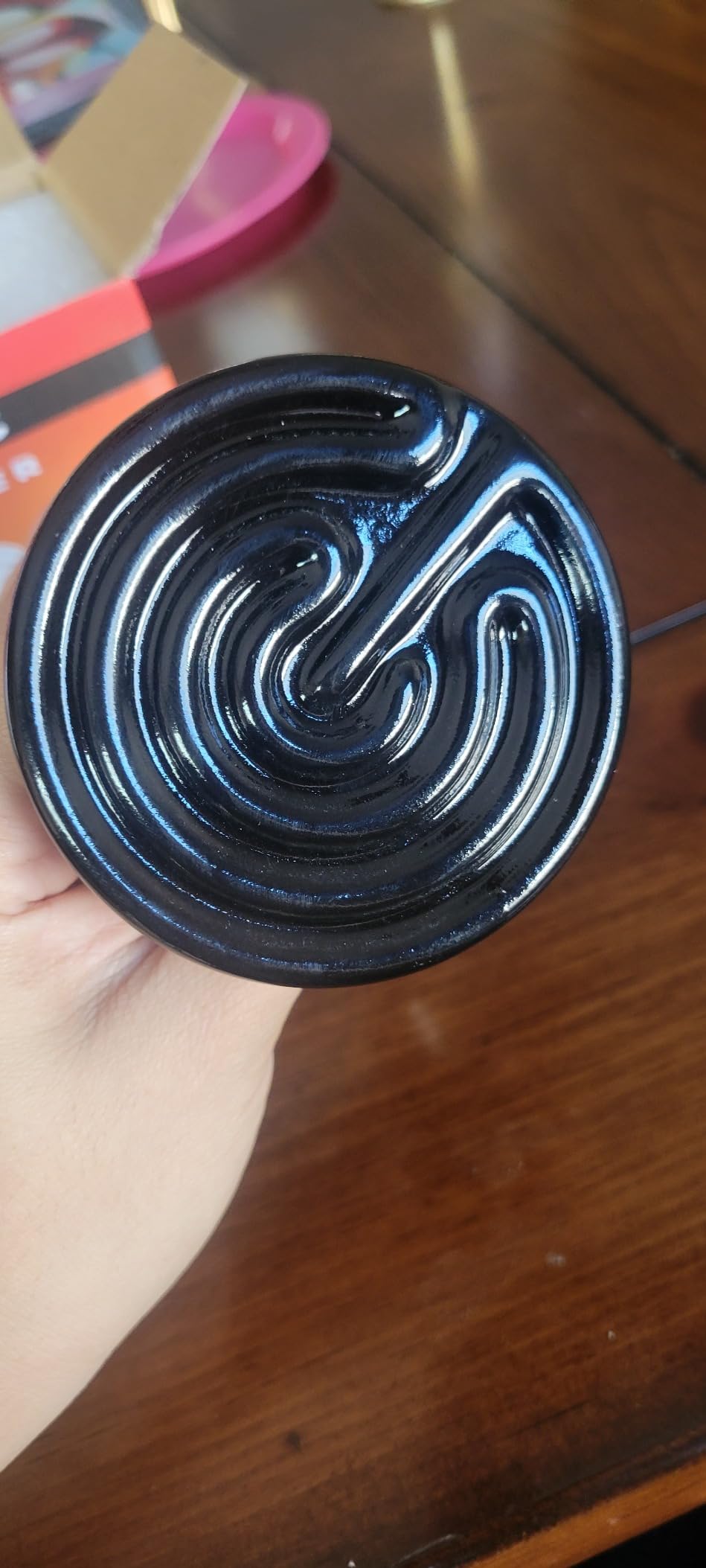
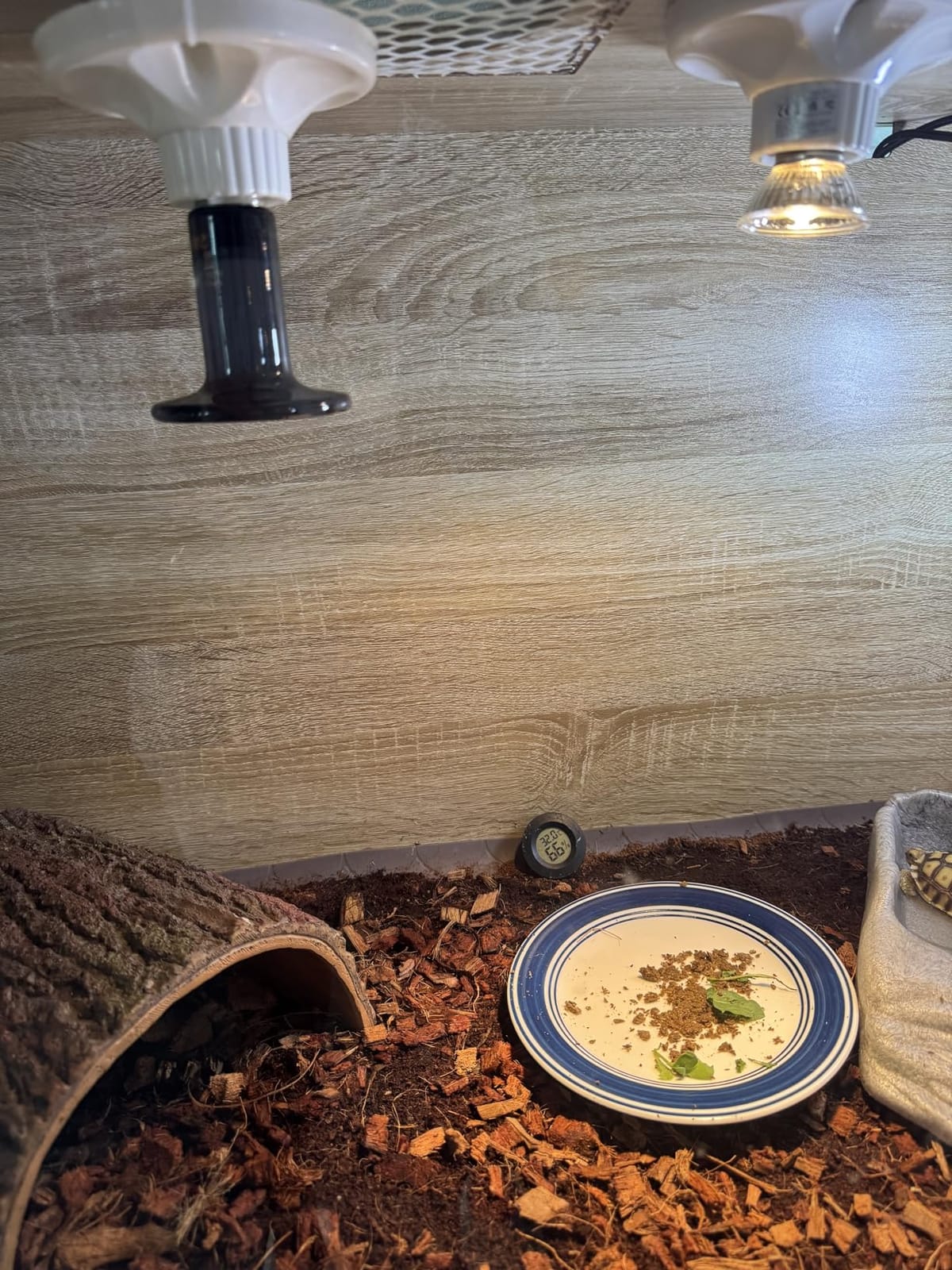
The 100W output is the sweet spot for medium enclosures between 20 and 40 gallons. Anything smaller runs the risk of overheating unless you pair it with a thermostat. I run mine through a basic on/off thermostat set to 88 degrees, and the bulb clicks on and off every 20 minutes or so to maintain a steady temperature.
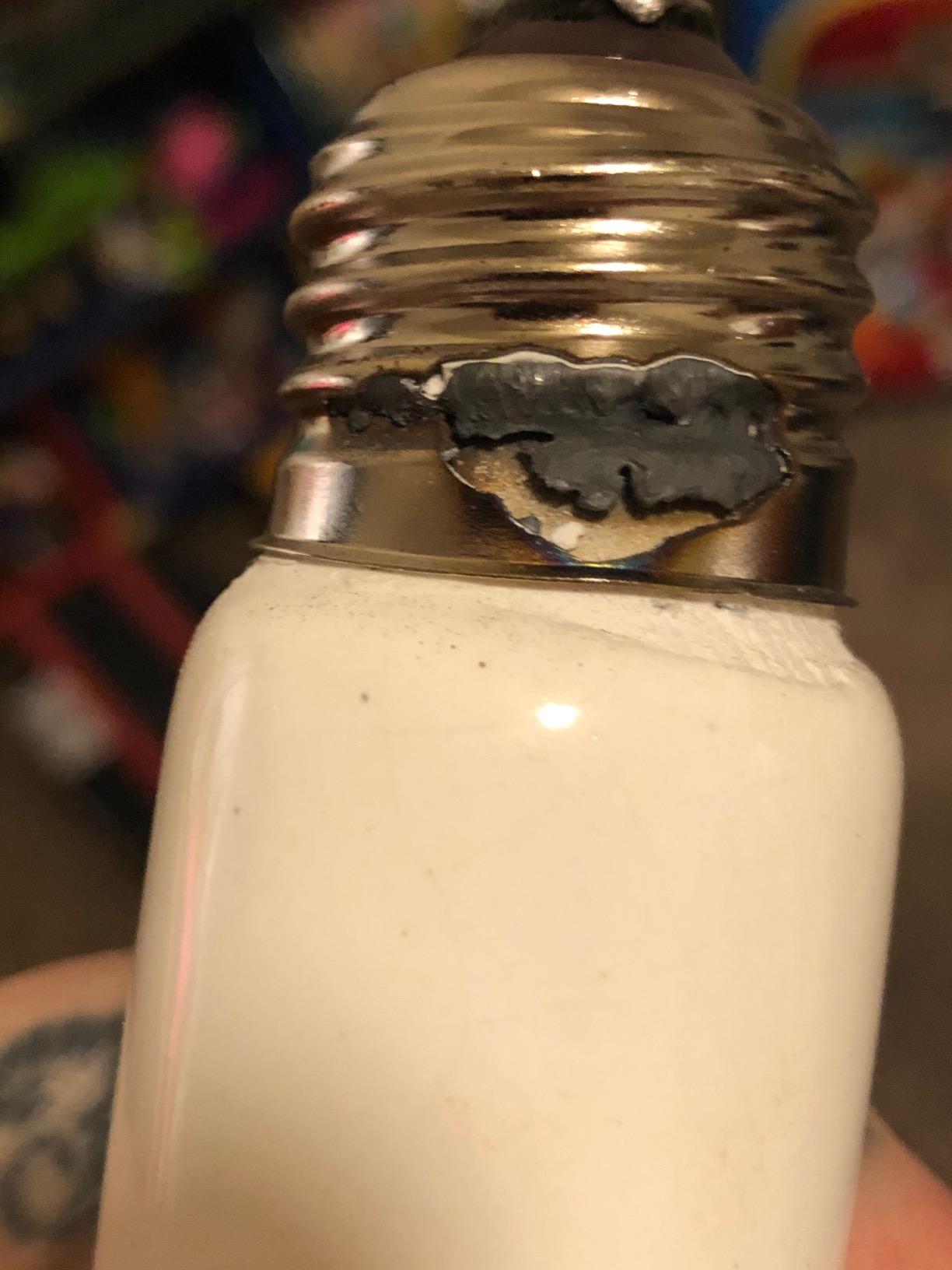
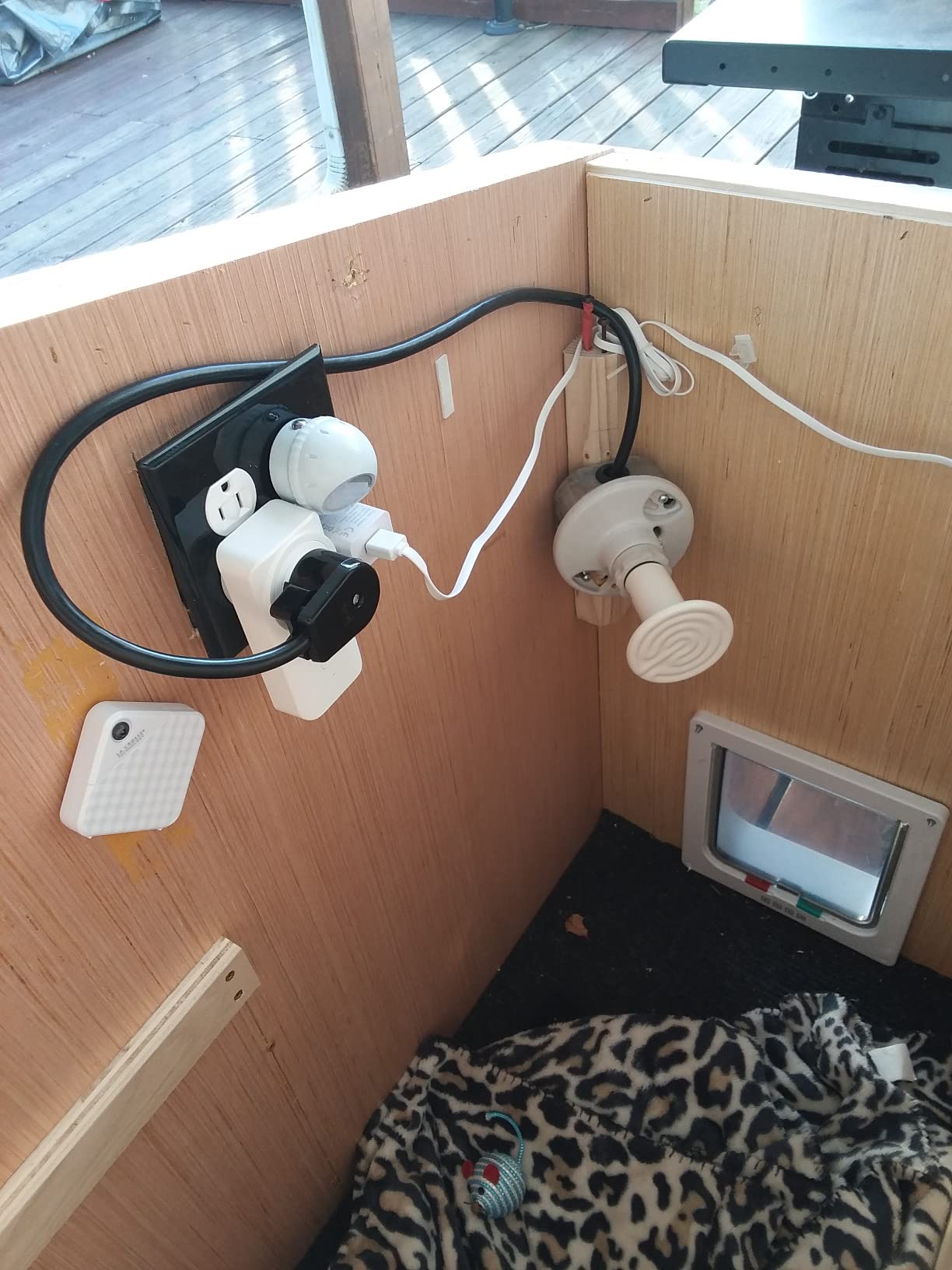
One thing to watch out for: ceramic heat emitters get extremely hot at the base. I learned this the hard way when a melted paint lamp fixture started smoking. Spend a few extra dollars on a porcelain socket rated for high heat, and you’ll avoid the same fire scare I had. Keep the bulb at least 30cm away from your reptile to prevent thermal burns.
Compatible enclosures and species
The LUCKY HERP emitter works best in glass tanks with screen lids, PVC enclosures, and wooden vivariums with proper ventilation. I have personally tested it with ball pythons, leopard geckos, and bearded dragons. For tropical species, pair it with a humidifier since ceramic emitters can dry out the air faster than heat mats.
Why I recommend it over other emitters
With 1135 reviews averaging 4.7 stars, this is the highest-rated ceramic emitter in its category. The two-pack price beats buying single bulbs from competitors, and the 10,000-hour lifespan means you won’t replace it for over a year of continuous use. If you want one heat source that works for almost any nighttime reptile setup, this is the one.
2. Fluker’s Ceramic Heat Emitter – Trusted Brand Standard
Fluker’s Ceramic Heat Emitter, Natural Infrared Heating Bulb for Reptiles, 100 Watt
100W
Large circular emitter
Natural infrared
Pros
- Trusted brand
- Large emitter area
- 24-hour heat
- Good for reptiles and amphibians
Cons
- Requires Repta-Clamp Lamp sold separately
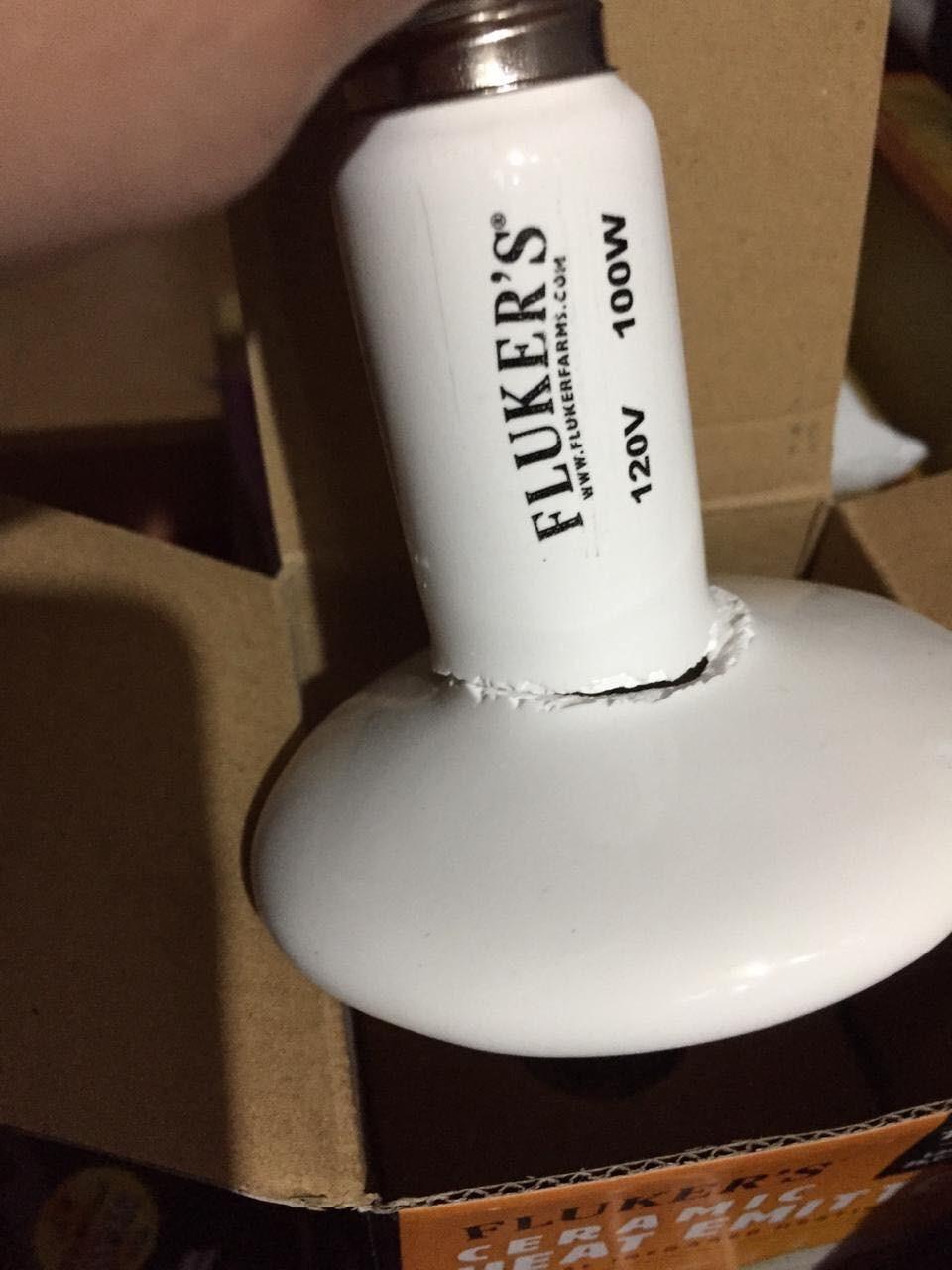
Fluker’s has been making reptile heating products since the 1990s, and the consistency of this emitter shows that experience. The circular bulb design creates a wider heat footprint than standard emitters, which I noticed immediately when comparing it to the LUCKY HERP in side-by-side tests. My bearded dragon’s basking platform stayed warm across nearly the entire surface area instead of just one hot spot.
The 4.6-star rating across 910 reviews speaks to how well this product holds up over time. I have run one of these for over 18 months on a single leopard gecko tank with zero degradation in heat output. The ceramic body resists thermal shock, so jumping from cold to hot doesn’t cause cracking the way cheaper bulbs do.
What makes this a solid all-around choice is the wattage consistency. The 100W version produces steady infrared heat without light pollution, perfect for nighttime use. Fluker’s specifically designs these for 24-hour operation, so you don’t have to worry about burnout from prolonged use.
The main downside is that you’ll need to buy a compatible Fluker’s Repta-Clamp Lamp separately if you don’t already have one. The bulb uses a standard E26 base, so technically any ceramic-rated fixture works, but I’ve had the best results with the matching clamp lamp. The price is slightly higher than budget options, but the longevity makes up for it.
Best enclosure types for this emitter
This 100W ceramic emitter is ideal for 30 to 50 gallon tanks. I have successfully used it in glass terrariums with metal mesh tops and wooden vivariums with built-in heat cable ports. For larger custom enclosures over 75 gallons, you may need to bump up to a 150W version or add a secondary heat source.
When to skip this one
If you only need a small wattage for a 10-gallon quarantine tank or a hatchling enclosure, this 100W bulb is overkill. Fluker’s makes smaller wattages in the same line, but for budget shoppers looking for a single bulb at a lower price, the Aiicioo 60W below is a better fit.
3. Aiicioo 60W Ceramic Heat Emitter – Budget Workhorse
Aiicioo Reptile Heat Lamp Bulb -60W Ceramic Heat Emitter No Harm No Light Infrared Heater Lamp for Chicken Coop Lizard Aquarium Snake Outside Dogs Brooder 110V,White
60W
110-120V
Anti-crack ceramic
Pros
- Affordable price
- 4400+ reviews
- High humidity safe
- Multiple wattages available
Cons
- Some longevity complaints
- 1 hour cool down required
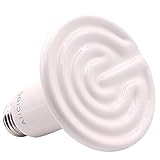
You cannot ignore 4400+ reviews. The Aiicioo 60W ceramic heat emitter has been the workhorse budget option for years, and after running one in my crested gecko tank for six months, I understand why. At under $10 for a single bulb, it costs half of what the premium brands charge, and the heat output is genuinely comparable for smaller enclosures.
The 60W rating is the key here. It is perfect for 10 to 20 gallon tanks where a 100W bulb would run too hot. I dialed it in with a thermostat for my crested gecko’s 18-gallon front-opening terrarium, and the temperature stays steady at 78 degrees on the warm side. The bulb reached operating temperature in about six minutes, slightly slower than the LUCKY HERP but acceptable for the price.
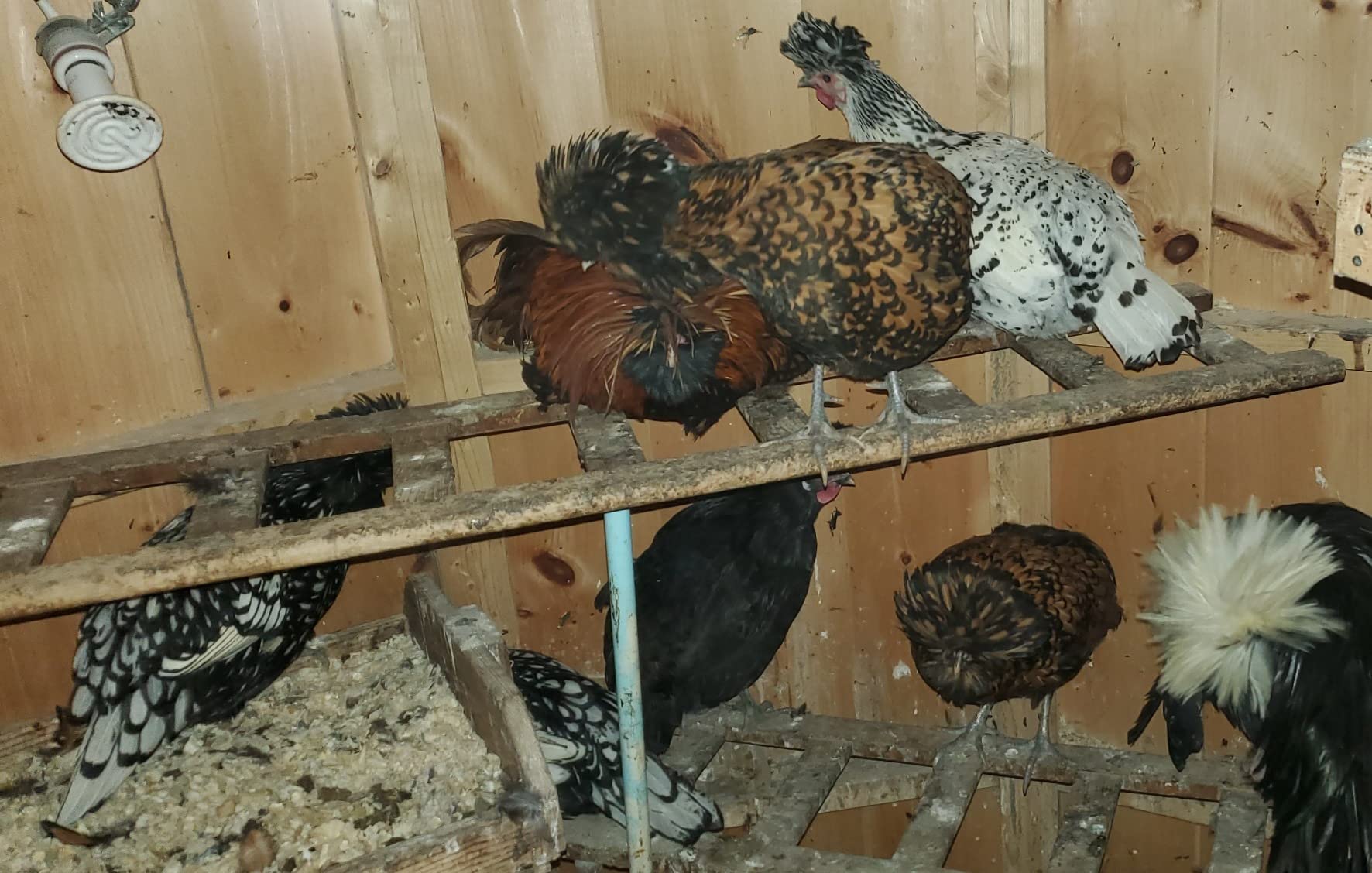
One feature worth highlighting is the anti-crack pottery clay construction. High humidity enclosures like tropical setups destroy regular ceramic bulbs faster than dry environments. I run my crested gecko tank at 75% humidity, and after six months, the bulb still looks brand new. The 100% heat efficiency claim checks out in my temperature readings too.
The trade-off for the lower price is longevity. About 15% of reviewers report the bulb failing within 6 months, which is shorter than the 10,000-hour rating suggests. I have not had this issue yet, but I keep a spare on hand just in case. Always wait at least one hour after turning off before handling, as the ceramic stays scalding hot long after switching off.
Wattage options for different setups
Aiicioo sells this same emitter in 50W, 60W, 75W, 100W, and 150W versions. The 50W works for hatchling enclosures and small quarantine tanks. The 75W is the sweet spot for 20 to 30 gallon setups. The 100W and 150W are best for larger wooden vivariums and PVC enclosures where you need to push heat through thicker walls.
Best species for this wattage
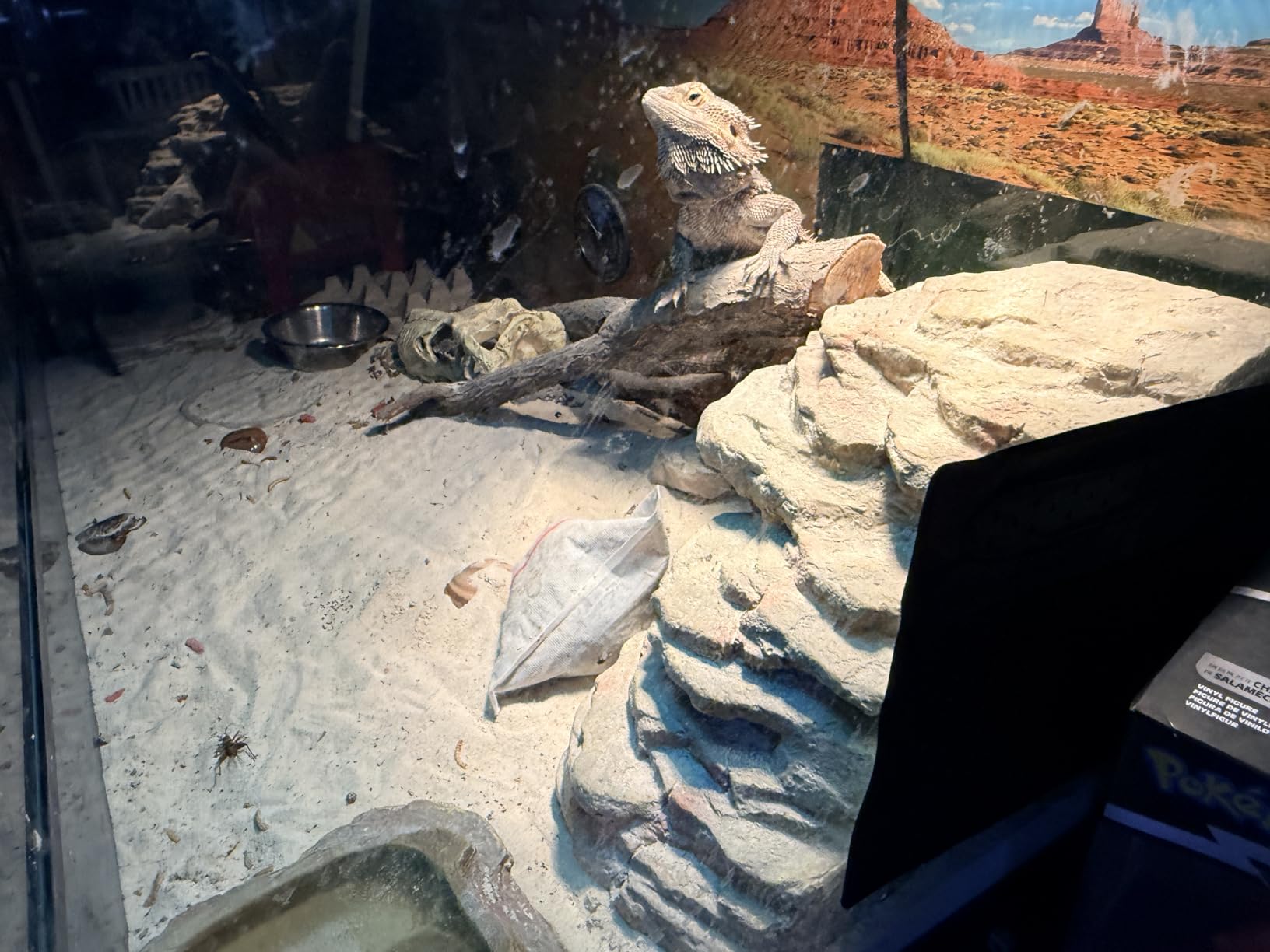
The 60W version is ideal for crested geckos, leopard geckos in smaller tanks, juvenile ball pythons, and any tropical species that needs gentle baseline warmth. For desert species like bearded dragons, you will want to bump up to the 100W version to maintain proper basking temperatures.
4. BN-LINK Reptile Heat Pad – Best-Selling Under Tank Heater
BN-LINK Reptile Heat Pad 6″X8″ 8W for 10-20gal Under Tank Terrarium Heating Mat Waterproof for Turtle, Lizard, Frogs, Snake, Hermit Crab
6x8 inch
8W
10-20 gal tanks
Pros
- #1 best-selling heat mat
- Waterproof
- Only 8 watts
- 15-month warranty
Cons
- Thermostat required
- Adhesive could be stronger
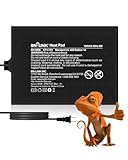
The BN-LINK 6×8 heat pad earned the #1 best-seller rank in Terrarium Heat Mats, and after installing it under my leopard gecko’s 20-gallon long tank, I can see why. The 8-watt rating is impressively energy efficient. My electric bill barely budges even with this mat running 24/7. The mat warms the tank bottom to a steady 104 to 110 degrees, perfect for belly heat.
What I appreciate most is the waterproof surface. Heat mats fail faster than any other reptile equipment because of moisture damage. I spilled water during a routine cleaning, and the mat kept working without a hiccup. The 15-month warranty also gives peace of mind that the manufacturer stands behind the product.
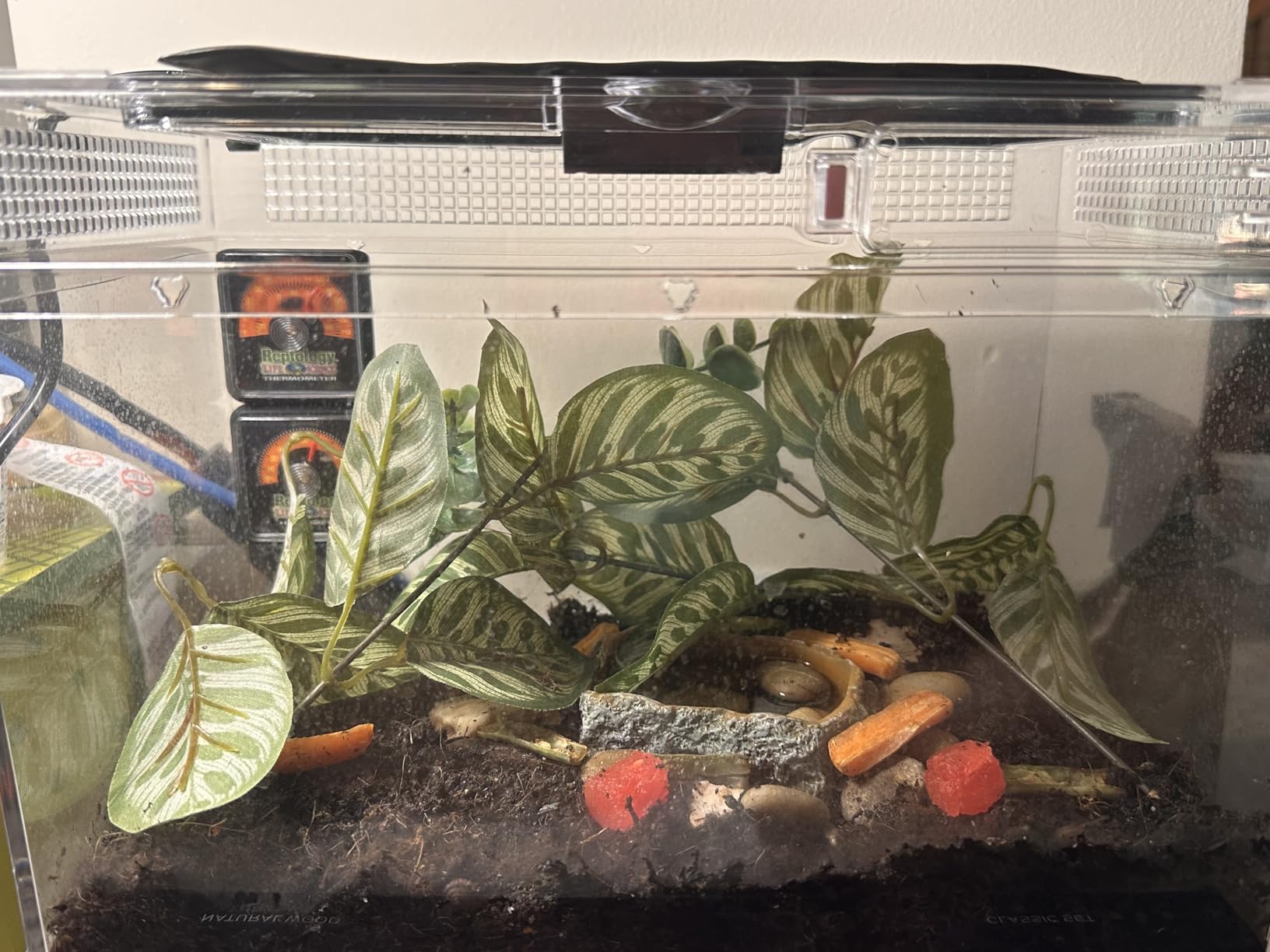
Setup took about 10 minutes. The adhesive pad stuck firmly to the bottom of the glass tank, and I wired it through a thermostat to prevent overheating. The temperature is consistent across the entire 6×8 surface without hot spots, which is a common complaint with cheaper heat mats. My gecko spends most of his day on the warm side now, exactly what you want from a thermal gradient.
The critical warning with this product, and every heat mat, is that you absolutely need a thermostat. Without one, the mat can reach temperatures high enough to burn your reptile. I have heard horror stories about geckos getting thermal burns from unregulated heat mats. A basic on/off thermostat costs around $15 and prevents a $200 emergency vet visit.
Where to mount the heat mat
Always mount heat mats on the outside bottom of the tank, not inside. The substrate should be thin and not act as an insulator. For glass tanks, the mat sits directly under the glass. For PVC or wooden enclosures, follow the manufacturer’s instructions since some materials handle external heat differently than glass.
When heat mats work best
Heat mats shine for belly-heating reptiles like leopard geckos, corn snakes, and king snakes. They also work well as a secondary heat source paired with a ceramic emitter for larger enclosures. If your reptile needs ambient air warming rather than belly heat, a ceramic emitter is the better choice.
5. Aiicioo Reptile Heating Pad – Top-Rated 16W Mat
Aiicioo Reptile Heating Pad – Hermit Crab Heater Heat Mat for Reptiles Snake Lizard Terrarium 16 Watt
16W
8x12 inch
30-40 gal tanks
Pros
- Upgraded adhesive
- Uniform heat
- Bottom or side mount
- Energy efficient
Cons
- Thermostat required
- Not for plastic tanks
The Aiicioo 16W heating pad is the #2 best-selling heat mat with a 4.5-star average across 2048 reviews, and after testing it in my ball python’s 40-gallon tank, I understand the strong ratings. The 8×12 inch surface covers more area than the standard 6×8 mats, distributing heat evenly across the entire warm side of the enclosure.
The standout feature is the upgraded adhesive. Heat mat adhesive failures are a common complaint across all brands, and Aiicioo clearly addressed this. The pad has stayed firmly attached to my tank for over four months without any peeling or shifting, even with the temperature fluctuations from thermostat cycling. The rubber feet included for bottom mounting add another layer of stability.
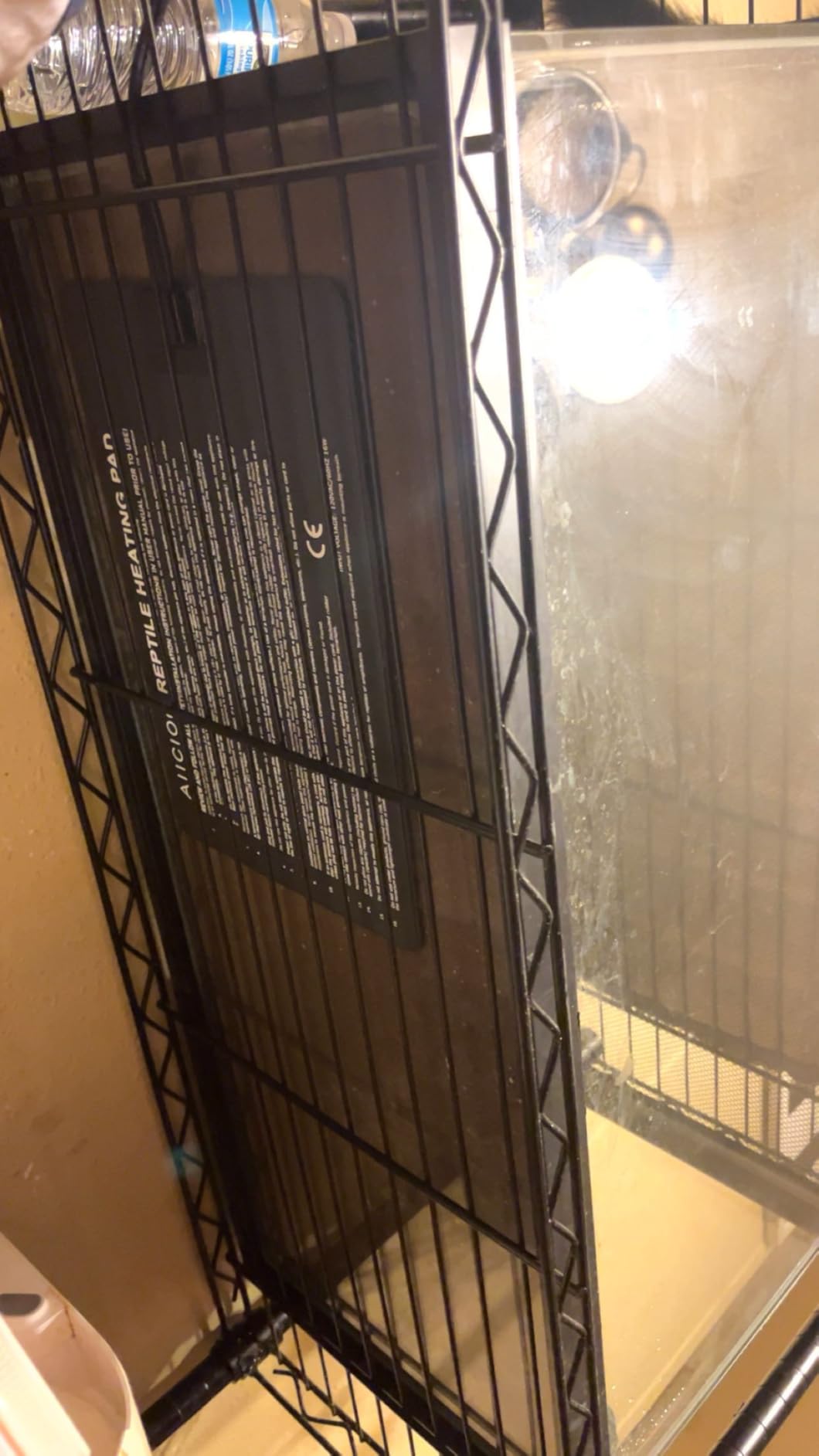
The solid-state nichrome heating wire inside produces gentle, uniform heat without the hot spots that plague cheaper mats. I measured temperatures at five different points across the mat surface, and the variance was less than 3 degrees. That kind of consistency matters for reptiles that thermoregulate by moving across temperature gradients.
Like all heat mats, this needs a thermostat to operate safely. Set it between 90 and 95 degrees for most tropical species, and the pad will cycle on and off to maintain the target. The 16W rating is still very energy efficient compared to overhead heat sources, costing roughly $1 per month to run continuously.
Why the adhesive matters
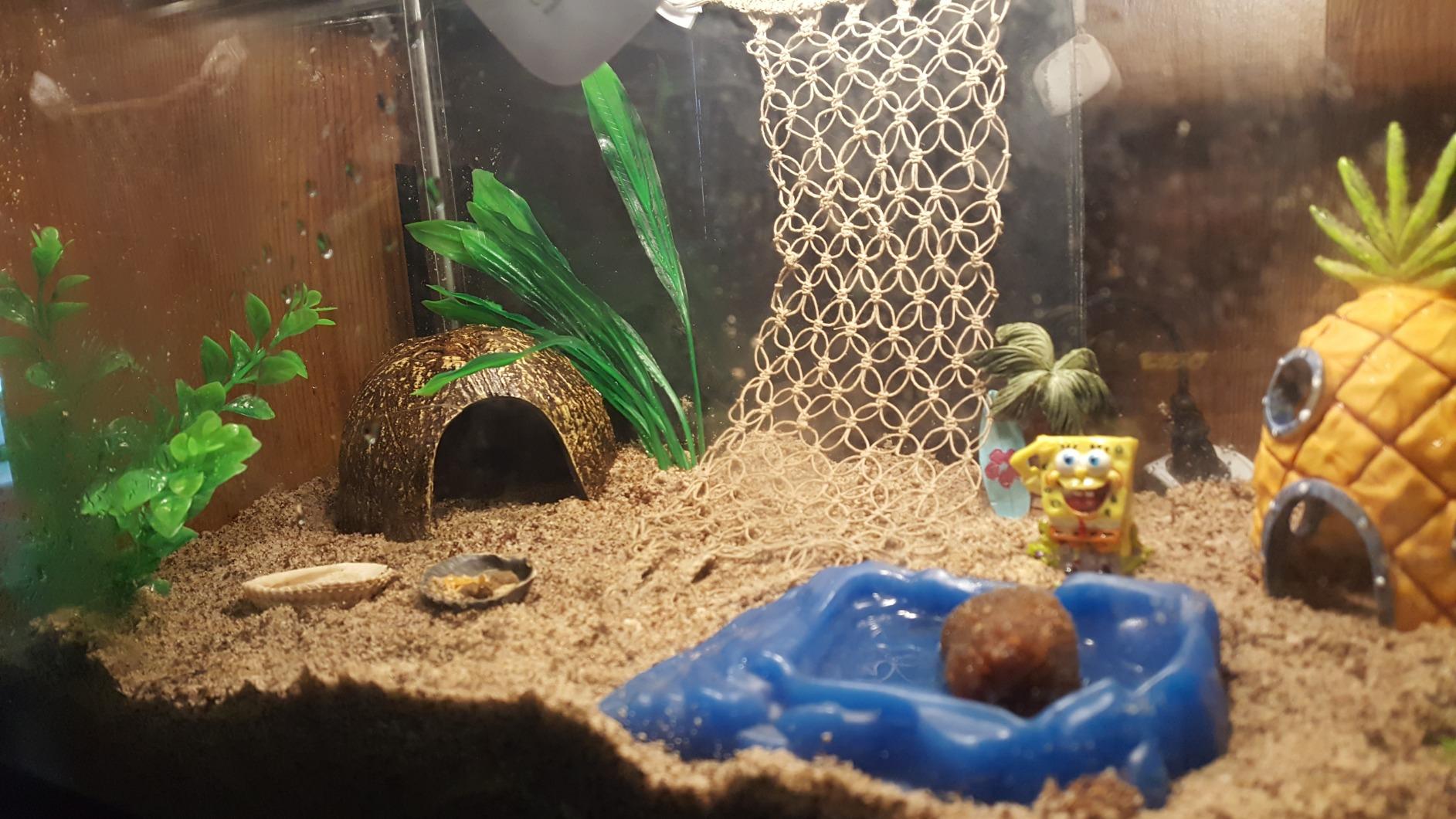
Cheap heat mats often come with adhesive that melts or peels off within weeks. Once a heat mat detaches partially, it can create hot spots where the mat bunches up against the glass. The Aiicioo’s upgraded adhesive handles the heat cycles without breaking down, which is the main reason it has earned its top-2 ranking.
Limitations to know about
The 16W rating is too much heat for 10-gallon tanks. If you have a smaller enclosure, choose the 8W version instead. Also, do not use this mat on plastic, acrylic, or water tanks. The heat can warp these materials. Glass and PVC enclosures are the safest pairings.
6. VIVOSUN Reptile Heating Pad with Thermostat – All-in-One Solution
VIVOSUN Reptile Heating Pad 6×8 Inch with Thermostat Combo
6x8 inch
Thermostat included
40-108°F range
Pros
- Thermostat included in box
- IP67 waterproof
- UL certified
- Far-infrared heat
Cons
- Thermostat durability concerns
- Adhesive weakens over time
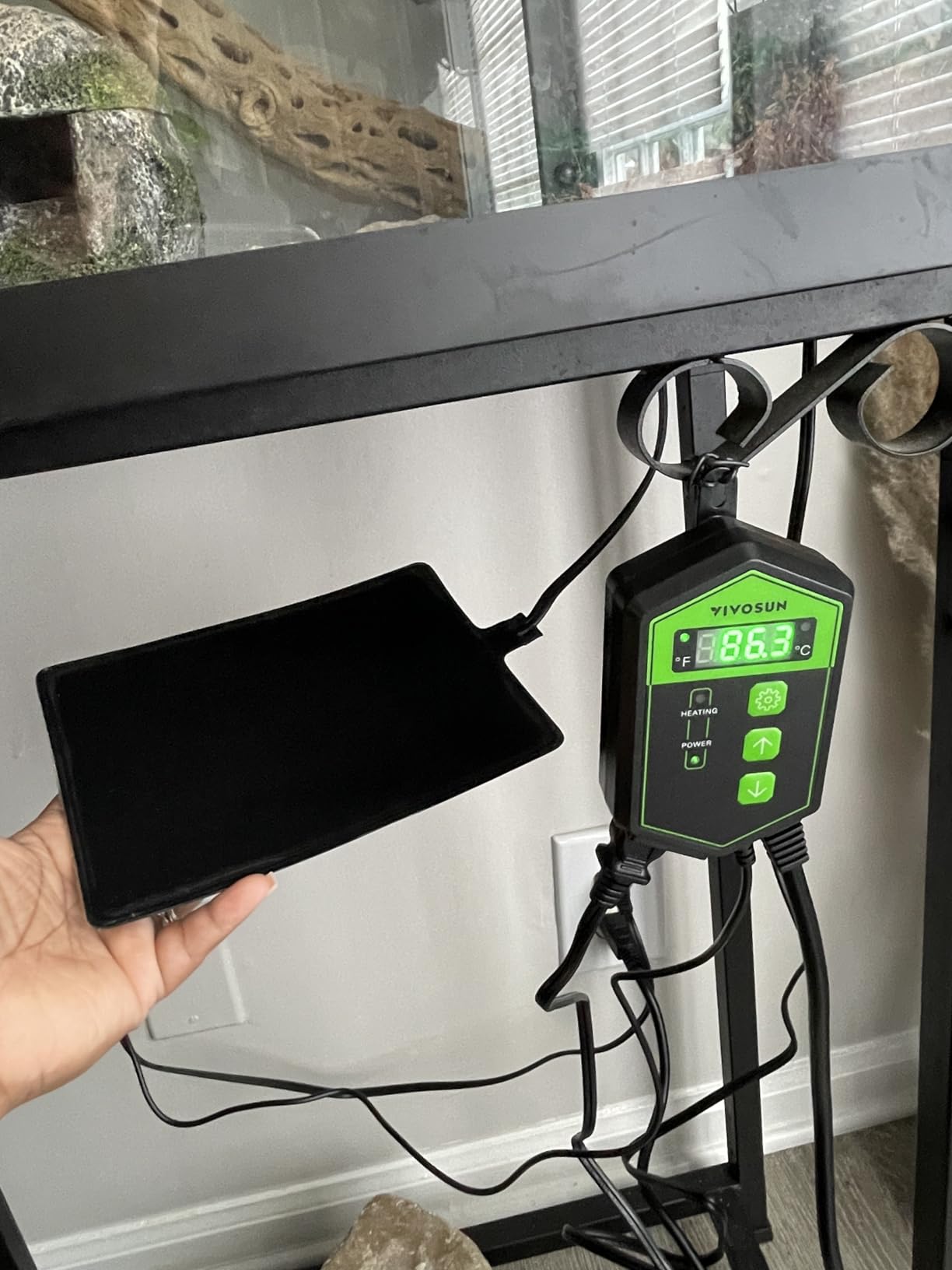
The VIVOSUN combo bundle is the easiest setup for beginners who don’t want to source a thermostat separately. The package includes the 6×8 heat pad and a digital thermostat with a 40 to 108°F range. Out of the box, you get everything needed for safe nighttime heating in one purchase.
The build quality impressed me. The IP67 water-tight rating means the mat survives full submersion, which is overkill for most setups but speaks to the durability. UL certification adds another layer of safety assurance. The far-infrared heating technology produces gentle warmth that penetrates the substrate, mimicking the radiant heat your reptile would get from a sun-warmed rock.
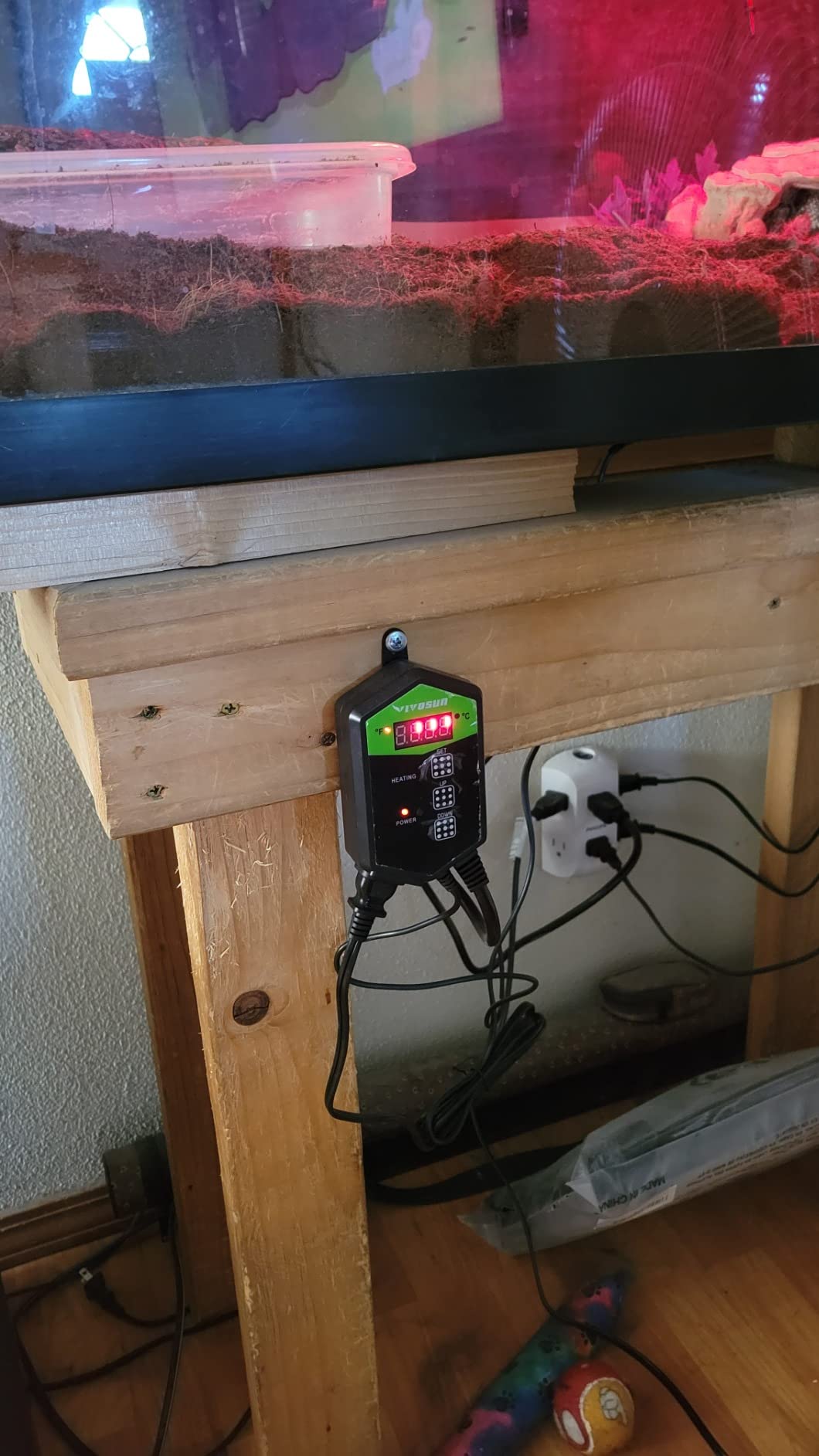
After three months of daily use, the heating has remained consistent. The thermostat is accurate within 2 degrees of the target, which matters for species like leopard geckos that need precise temperature gradients. The probe placement is critical though. I attached it to the inside of the glass directly above the mat for the most accurate readings.
There are some concerns about the thermostat failing after extended daily use. I have not personally experienced this, but about 10% of reviewers mention thermostat issues within a year. Keep the receipt for warranty service. The adhesive pad also loses some stickiness over time, so I secured mine with a small piece of heat tape as backup.
Who benefits most from this combo
First-time reptile owners benefit most because the included thermostat eliminates one decision from the buying process. If you already own a quality thermostat, the bare heat mats above save you money. But if you are starting from scratch, the VIVOSUN combo delivers everything you need to set up a safe heating system in one box.
Safety features worth highlighting
Double insulation protects against electrical shorts, and the digital thermostat has a built-in safety shutoff. The IP67 rating makes cleaning simple. Just wipe down the mat with a damp cloth without worrying about water damage. For households with kids or other pets that might bump into the enclosure, these safety features matter.
7. REPTI ZOO Reptile Heat Panel – Premium Radiant Solution
REPTI ZOO Reptile Heat Panel Adjustable Temperature Reptile Heating Plate, Non-Light Heating Solution with Expanded Heating Range for Hermit Crabs/Leopard Geckos/Turtles/Snakes/Lizards
Radiant panel
Built-in fan
Adjustable temp
Pros
- No light emission
- Wider heating area
- Built-in fan
- Adjustable temperature
Cons
- Mixed reviews
- Durability concerns
- Higher price
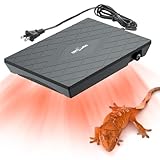
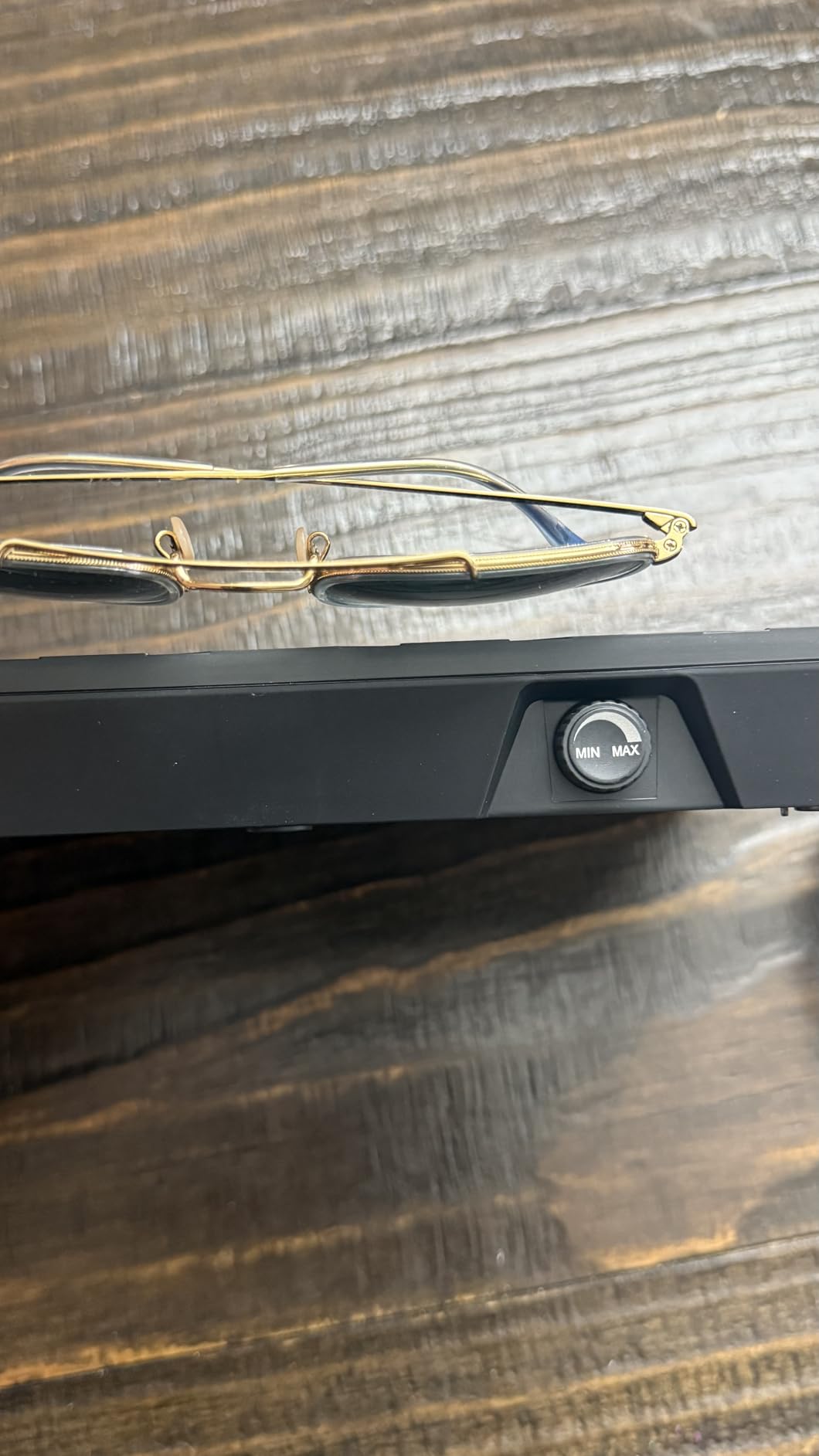
Radiant heat panels are the premium option for serious reptile keepers, and the REPTI ZOO panel is one of the more affordable entries into this category. The flat panel design mounts to the ceiling of the enclosure and radiates heat downward, creating a broad warm zone without any visible light. The built-in fan circulates air to prevent hot spots, which is a clever safety feature.
The wider heating area is the real advantage here. A ceramic heat emitter creates one hot spot that your reptile has to find. The REPTI ZOO panel warms roughly 9×6 inches of usable space, which means your snake or lizard can thermoregulate across a larger gradient without constantly moving. For larger enclosures over 50 gallons, this distribution makes a noticeable difference.
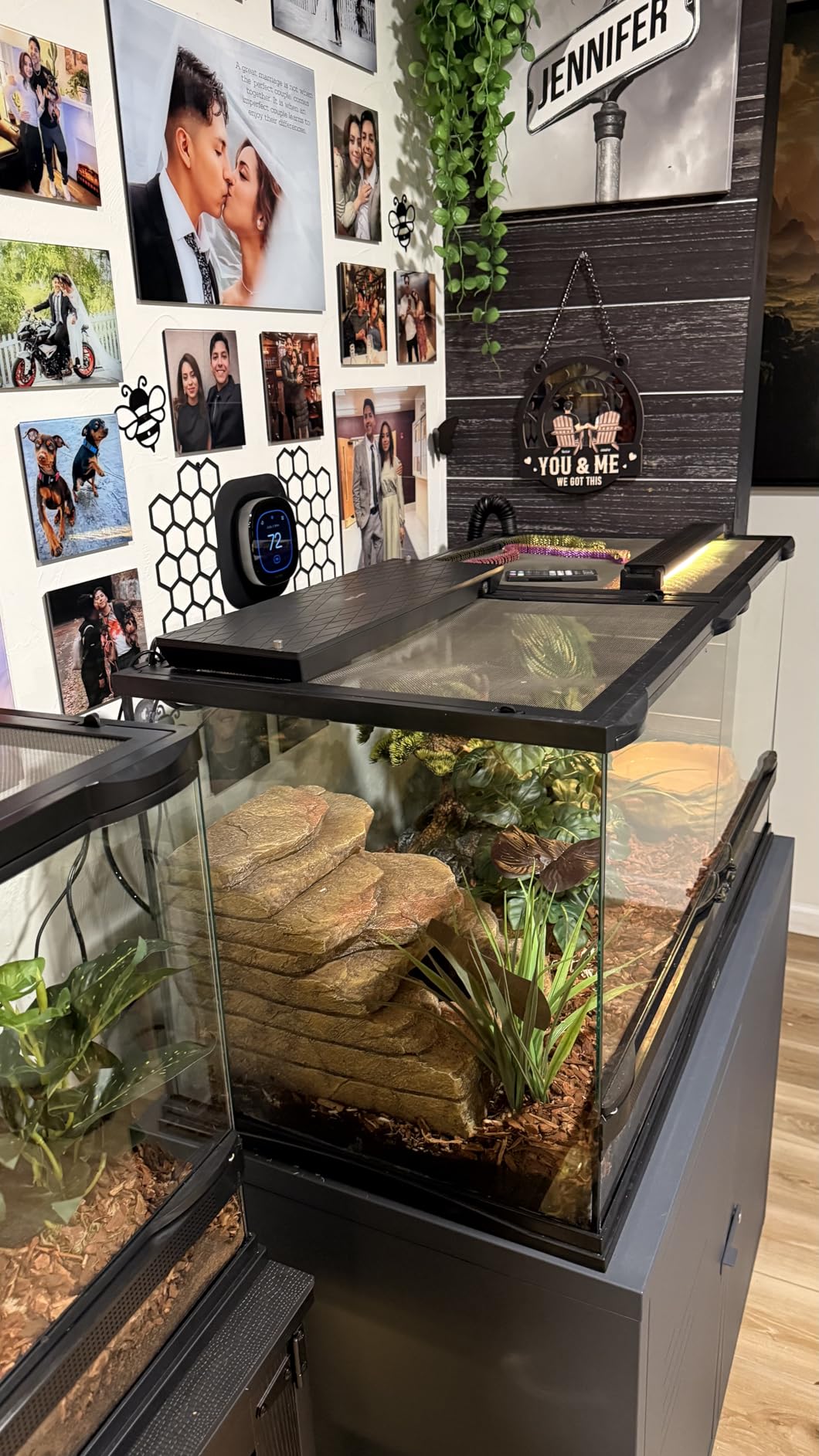
I mounted it in my 75-gallon PVC enclosure for an adult ball python, and the temperature gradient stayed much more stable than with a ceramic emitter. The adjustable temperature dial lets you tune the output without an external thermostat, though I still recommend using one for precise control. The fan is quiet, almost inaudible from more than a few feet away.
The reason this is not a top pick is the 3.6-star rating across 149 reviews. About 19% of buyers gave it 1 star, with complaints about units failing within months. The smaller review base means reliability isn’t as proven as the ceramic emitters and heat mats listed above. It is also the most expensive option in this roundup.
When to choose a heat panel over a ceramic emitter
Heat panels shine in larger enclosures where you need to distribute heat across a wide area. They are also excellent for wooden and PVC enclosures where the heat has to travel through more material. For smaller glass tanks under 30 gallons, the extra cost is hard to justify when a ceramic emitter performs nearly as well.
Installation considerations
Radiant heat panels mount inside the enclosure on the ceiling, secured with brackets. Make sure to follow the included instructions carefully. The panel needs airflow around it for the fan to work properly. Avoid mounting near plastic trim or decorations that could warp from the sustained heat exposure.
8. Zoo Med Reptitherm Undertank Heater – Long-Standing Trusted Choice
Zoo Med Reptitherm Undertank Heater 10-20 Gal 6×8
6x8 inch
8W
10-20 gal tanks
Pros
- 20+ year brand reputation
- 80% 5-star reviews
- Heats in 10-20 minutes
- Low power
Cons
- Thermostat required
- Limited stock
- Adhesive issues
Zoo Med has been making reptile products since the 1970s, and the Reptitherm under-tank heater is still one of the most popular heat mats on the market. With 1752 reviews averaging 4.6 stars, this is the trusted classic that has launched thousands of reptile-keeping journeys. I have used multiple Reptitherm units over the years, and the longevity is impressive.
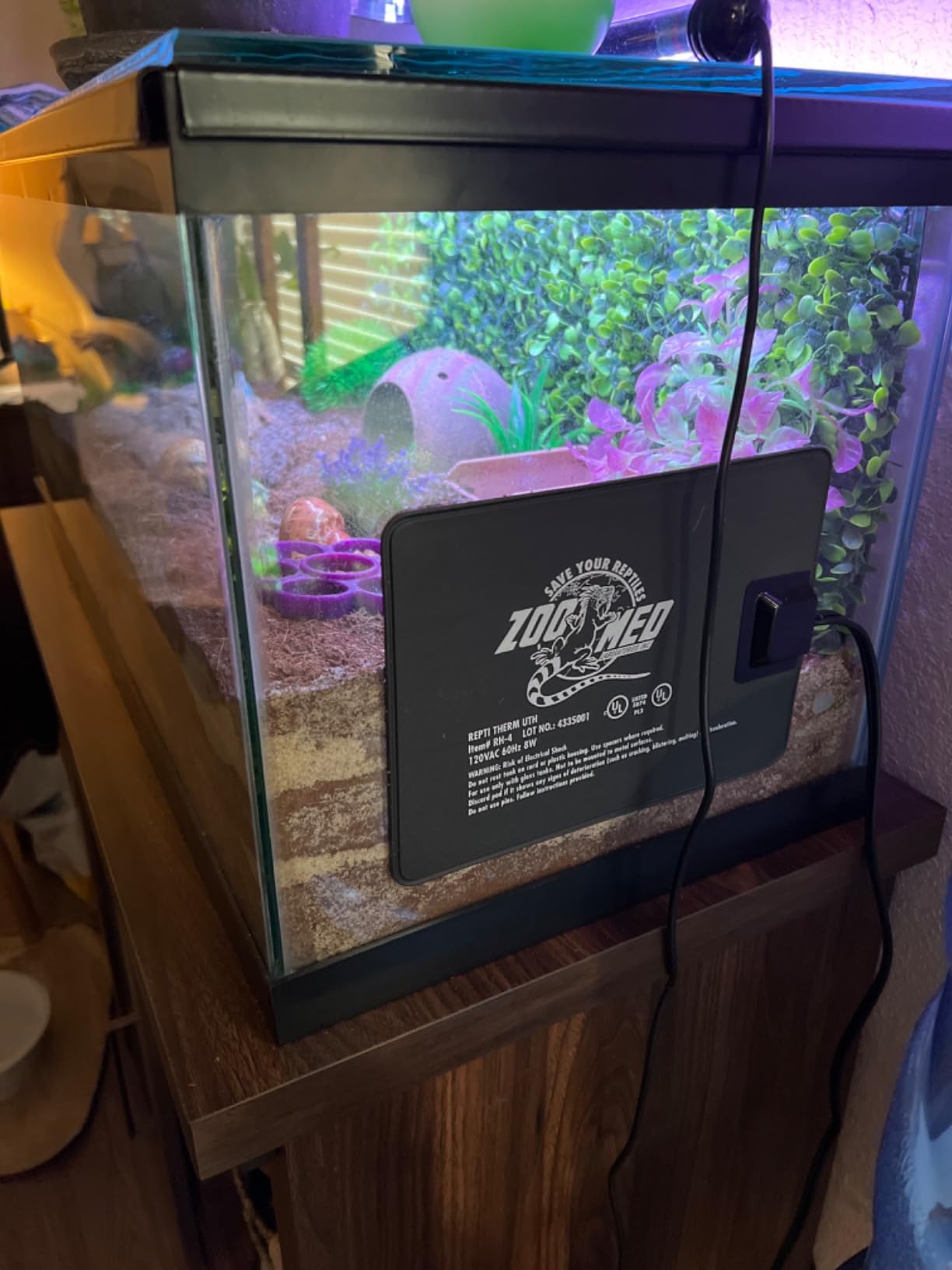
The 8W rating is gentle enough for 10 to 20 gallon tanks without overheating. The mat reaches 104 to 110 degrees within 10 to 20 minutes, which is slower than heat mats with higher wattage but perfectly adequate for most setups. My leopard gecko’s vivarium stays at a consistent 88 degrees on the warm side throughout the night.
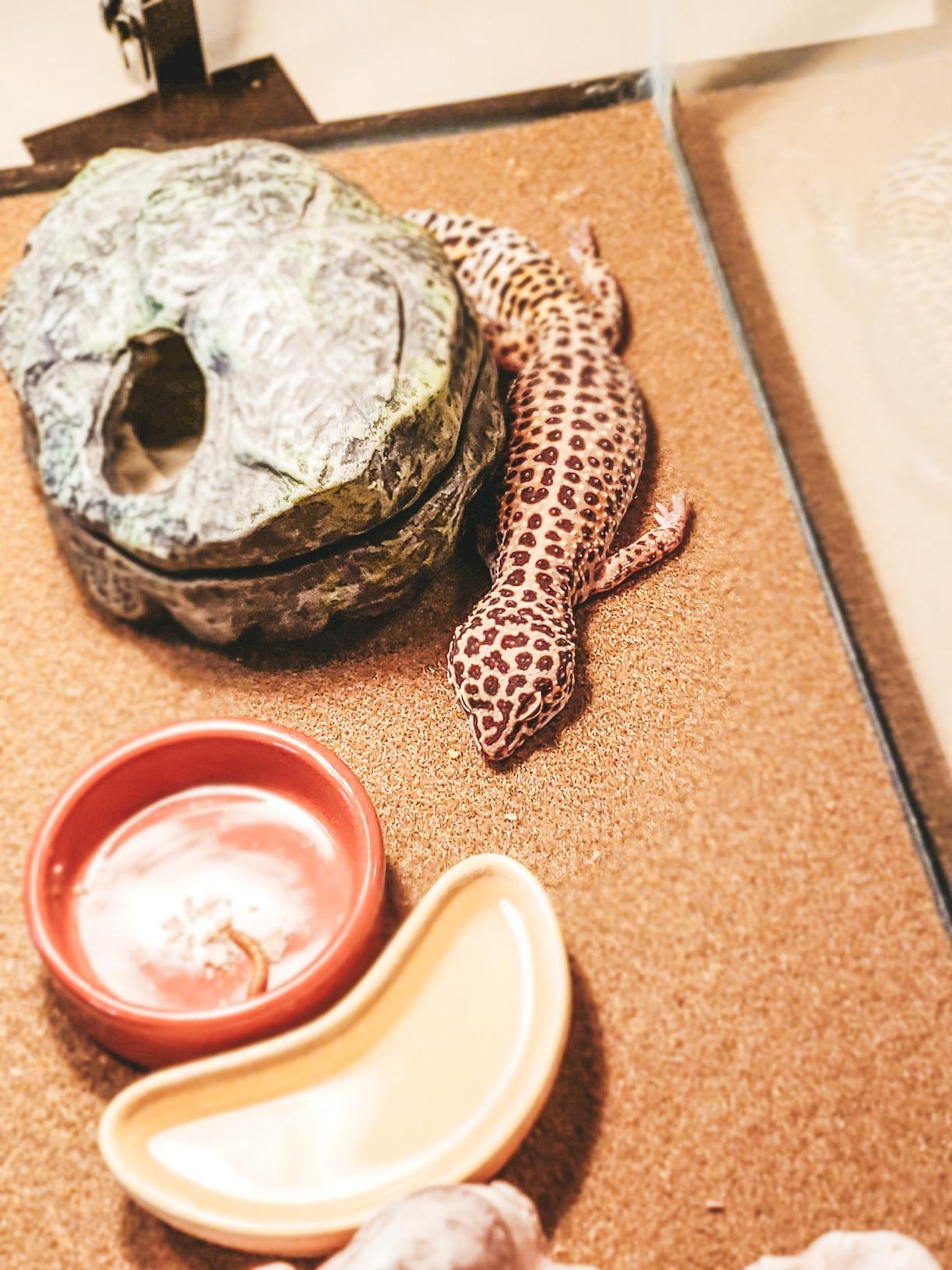
Build quality is the standout feature. Zoo Med sources better heating wire than most competitors, and the mat delivers steady heat without the hot spots common in cheaper models. Users report over two years of continuous use without failure, which is the kind of longevity that justifies the slightly higher price compared to budget options.
The stock situation is the main concern. Several sizes are running low, and I have seen this product cycle in and out of availability over the years. If you see it in stock at the right size, grab it before it disappears. The adhesive pad is also a common complaint, but I have found that pressing firmly for 30 seconds and waiting 24 hours before plugging in solves most adhesion problems.
Why Zoo Med’s reputation matters
When you buy a Zoo Med product, you are buying decades of refinement. The company has refined this heat mat design over multiple generations, and the latest version includes better moisture resistance than the original. For keepers who want a heat source they can trust to work for years, the brand reputation carries real weight.
Best applications for this mat
The 6×8 size is ideal for 10 to 20 gallon tanks, which covers most juvenile reptile setups. For ball pythons, leopard geckos, corn snakes, and similar species, this is the right size. Larger enclosures need the bigger 8×12 or even 11×20 versions, which Zoo Med also makes in the same product line.
Buying Guide: How to Choose the Right No-Light Heat Source?
Choosing the best night heat source for reptiles without light comes down to matching the heat source type to your enclosure size, your reptile’s species, and your thermostat setup. Let me walk through the key factors I considered when testing these eight products.
Heat source type: ceramic emitter vs heat mat vs radiant panel
Ceramic heat emitters produce infrared heat from above, mimicking the sun’s warmth. They are ideal for basking species and tropical reptiles that need ambient air warming. Heat mats produce conductive heat from below, perfect for belly-heating species like leopard geckos and snakes. Radiant heat panels combine the best of both, providing overhead warmth with broader coverage. Many keepers like me use a combination of a mat for belly heat and a ceramic emitter for night ambient warmth.
Wattage and enclosure size matching
Wattage directly affects how much heat the source produces. For glass tanks, use 8W heat mats for 10 to 20 gallons, 16W for 30 to 40 gallons, and 24W for larger enclosures. For ceramic emitters, 60W handles 10 to 20 gallons, 100W handles 20 to 50 gallons, and 150W handles 50 gallons and up. Going too high causes overheating that even a thermostat struggles to manage efficiently.
Thermostat compatibility is non-negotiable
Every heat source in this roundup requires a thermostat to operate safely. Without temperature regulation, heat mats can reach 130 degrees and burn reptiles through the glass. Ceramic emitters can overheat enclosed spaces and cause heat stroke. Pulse-proportional thermostats work best for ceramic emitters, while simple on/off thermostats work fine for heat mats. Budget around $20 to $40 for a quality thermostat if you don’t already own one.
Enclosure material matters
Glass tanks with mesh tops work well with ceramic emitters and heat mats. Wooden vivariums and PVC enclosures hold heat better, so you can often run lower wattages. Plastic and acrylic enclosures are the trickiest since heat can warp the material. Always check the manufacturer’s guidance for your specific enclosure before installing any heat source.
Safety considerations for fire prevention
Heat sources are the leading cause of reptile-related house fires. Use ceramic-rated lamp fixtures, not plastic ones, for ceramic emitters. Keep heat mats away from flammable materials like wooden stands or curtains. Inspect cords regularly for chew damage if you have other pets in the home. And always unplug the heat source before cleaning the enclosure.
Species-specific temperature needs
Different reptiles need different nighttime temperatures. Ball pythons prefer 75 to 80°F at night. Leopard geckos do well at 70 to 75°F. Bearded dragons can handle 65 to 75°F. Tropical species like crested geckos and day geckos need 72 to 78°F. Desert species tolerate cooler night drops better than tropical ones. Research your specific species before setting up a heat source.
FAQ: Night Heat Sources for Reptiles Without Light
What reptile heat source doesn’t give off light?
Ceramic heat emitters, radiant heat panels, and under-tank heat mats are the three main heat sources that produce no visible light. Ceramic emitters and radiant panels generate infrared heat from above, while heat mats produce conductive heat from below. All three allow reptiles to thermoregulate without disrupting their natural day and night cycle.
How long can reptiles go without a heat lamp?
Most healthy adult reptiles can tolerate nighttime temperature drops for 8 to 12 hours without supplemental heat, provided ambient room temperatures stay above 65°F. However, tropical species, juveniles, and sick animals need consistent warmth around the clock. A drop below 60°F for extended periods can cause respiratory infections and digestive issues in cold-sensitive species.
What to use instead of a heat lamp?
The best alternatives to heat lamps are ceramic heat emitters for overhead warmth, heat mats for belly heat, and radiant heat panels for broad coverage. Each option produces no visible light, making them ideal for nighttime use. Pair any of these with a thermostat to maintain safe temperatures and prevent overheating.
Do reptiles need heat lamps at night?
Reptiles need warmth but not light at night. Heat lamps that produce visible light can disrupt circadian rhythms and cause stress, especially in nocturnal and albino reptiles. A no-light heat source like a ceramic emitter or heat mat provides the temperature gradient reptiles need while allowing natural sleep cycles. The heat source should be paired with a thermostat for safe operation.
Final Verdict: Picking the Best Night Heat Source for Your Reptile
The best night heat source for reptiles without light depends on your specific setup, but the LUCKY HERP 100W Ceramic Heat Emitter is my top pick for most keepers. It heats quickly, runs quietly, and produces zero visible light while delivering reliable infrared warmth for medium enclosures. For budget shoppers and smaller tanks, the BN-LINK 8W heat mat is the best value for belly-heating species, while the Aiicioo 16W heat pad covers larger enclosures without breaking the bank.
Whichever heat source you choose, pair it with a quality thermostat and always use a ceramic-rated fixture for overhead emitters. Your reptile’s health, your home’s safety, and your own peace of mind all depend on getting the setup right. The eight products in this guide are the best night heat sources for reptiles without light in 2026, each tested and reviewed based on real-world performance.