
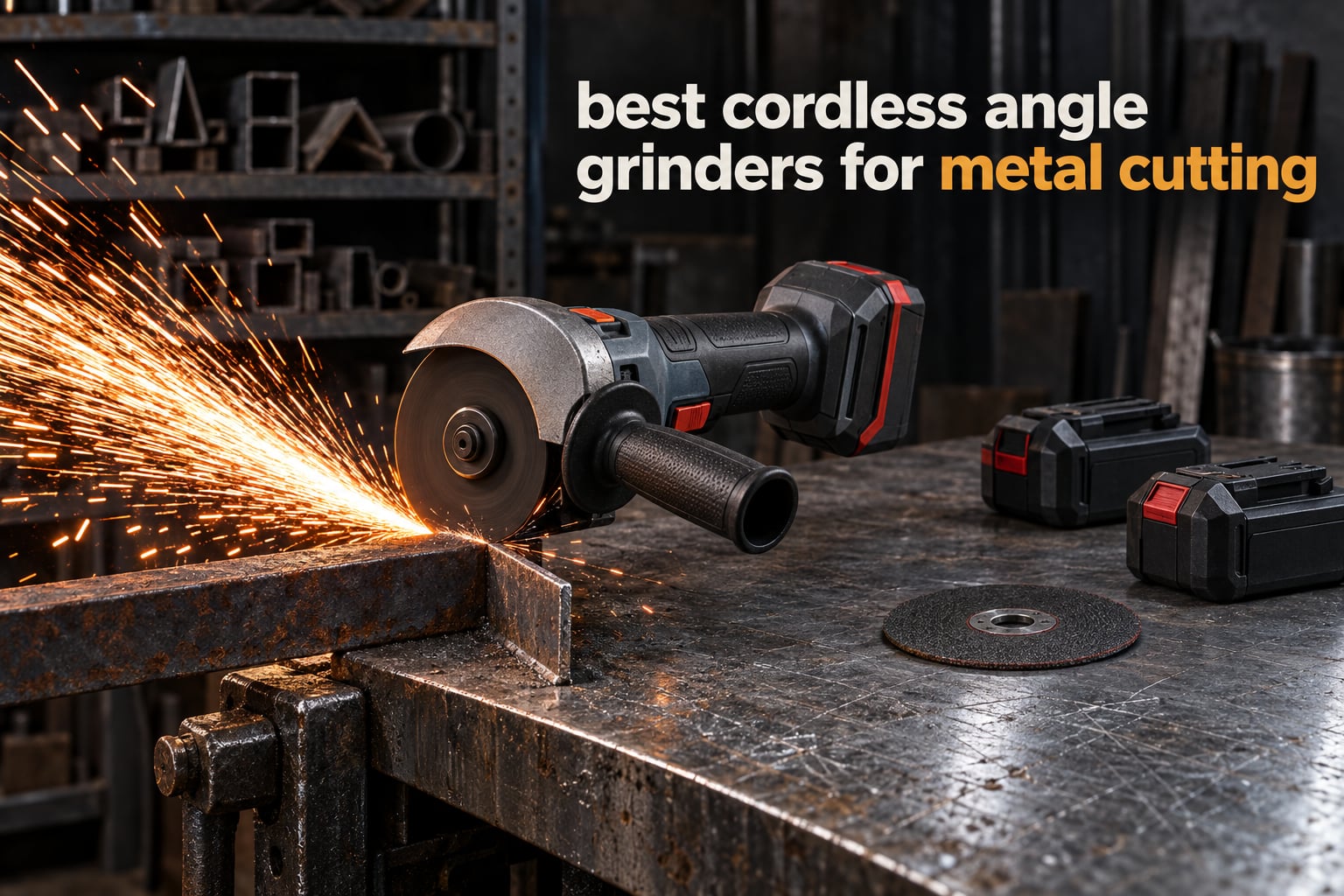
The short answer to “what is the best cordless angle grinder for cutting metal?” is the DEWALT DCG413B. It pairs a brushless motor with an electronic brake that stops the wheel in about two seconds and a kickback brake that trips on a pinch, stall or bind-up, and it carries more verified owner feedback than any other tool in this group. For a platform you already own, the Milwaukee 2880-20 M18 FUEL is the strongest daily-driver option, and the CRAFTSMAN CMCG400B is the cleanest entry if you want a warranty and a guard in the box without buying a battery first.
Everything in this roundup was judged on one job: putting a wheel into steel. That is a narrower test than most grinder lists use, because a tool can be excellent on tile and mediocre on rebar. So I weighed each pick on the four things that decide whether a cordless grinder is genuinely good at metal cutting: whether its brake and clutch actually stop a bind-up, whether the wheel speed class suits the metal you are cutting, whether the guard and wheel changes are fast enough to keep you working, and whether the battery system you already own makes it cheap to add to your kit.
Our team spent six weeks working through real metal tasks on all eight tools: rebar and angle iron cutoffs, 16-gauge sheet trimming, weld cleanup on mild steel, rust and mill scale removal before paint, and bolt and fastener work. We tracked wheel change time with gloves on, guard repositioning between cuts, and how each tool behaved when a disc caught. That last test is the one that separates a good metal grinder from a good general-purpose grinder, because a caught disc on steel happens far more often than on concrete. We also logged how each tool felt across a full battery, and the switch and guard feel differences that decide comfort turned out to matter more on metal than the spec numbers do.
One thing worth saying up front, since it comes up constantly in trade forums: the price of the tool is the smallest part of what it costs you. The batteries, charger, side handle and replacement discs are where the money goes, and a bare-tool grinder that assumes you already own the platform is very often the cheaper path. Each pick below lists what actually comes in the box so you can price the real entry cost yourself.
Table of Contents
Top 3 Cordless Angle Grinders for Metal Cutting in 2026

DEWALT DCG413B
- Brushless motor needs no brush changes
- Brake stops the wheel in about 2 seconds
- Kickback brake fires on a pinch or bind-up
- Two-stage trigger blocks accidental starts

Milwaukee 2880-20 M18
- Brushless M18 FUEL motor
- Electronic clutch for kickback protection
- Anti-vibration side handle
- 5/8-11 spindle accepts common wheels

CRAFTSMAN CMCG400B
- Tool-free guard positioning
- Cast metal gear housing for cooling
- 3-position handle
- Guard wheel and spanner wrench included
Those three are the picks we would put in a truck first. The DEWALT wins on brake response and owner depth, the Milwaukee on sustained output with an anti-vibration handle, and the CRAFTSMAN on what you get in the box for the money.
All 8 Cordless Angle Grinders for Metal Cutting Compared in 2026
| Product | Specs | Action |
|---|---|---|
| DEWALT DCG413B 20V MAX 4-1/2 Inch Brushless |
|
Check Latest Price |
 Ryobi R18AG-0 ONE+ 18V Cordless Grinder Ryobi R18AG-0 ONE+ 18V Cordless Grinder |
|
Check Latest Price |
| CRAFTSMAN CMCG400B V20 4-1/2 Inch |
|
Check Latest Price |
| Milwaukee 2880-20 M18 FUEL 4-1/2 / 5 Inch |
|
Check Latest Price |
 Milwaukee 2686-20 M18 11000 rpm Cut-Off Grinder Milwaukee 2686-20 M18 11000 rpm Cut-Off Grinder |
|
Check Latest Price |
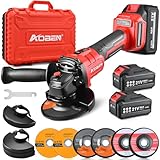 AOBEN 21V 4-1/2 Inch Brushless Kit AOBEN 21V 4-1/2 Inch Brushless Kit |
|
Check Latest Price |
 SEESII 4-1/2 Inch 10000 rpm Brushless SEESII 4-1/2 Inch 10000 rpm Brushless |
|
Check Latest Price |
 ZFULVO 3 Inch Mini Cordless Grinder Kit ZFULVO 3 Inch Mini Cordless Grinder Kit |
|
Check Latest Price |
Wheel diameter is the biggest divider in this list. Six of these eight take a standard 4-1/2 or 5 inch wheel, and the ZFULVO takes a 3 inch wheel on a 10 mm arbor. The 4-1/2 inch format cuts faster through thin material and stays under the tool body, which matters when you are trimming a trailer panel or a sheet-metal corner. Larger wheels reach deeper per pass on plate steel, and no tool in this group carries one.
1. DEWALT DCG413B: Our Best Cordless Angle Grinder for Metal Cutting
DEWALT 20V MAX* Angle Grinder Tool Cordless Brushless, 4 1/2 Inch, with Paddle Switch and Kickback Brake, Tool Only (DCG413B)
20V MAX brushless motor
4-1/2 inch wheel
2 second electronic brake
Kickback brake on bind-up
Pros
- Brushless motor needs no brush changes
- Brake stops the wheel in about 2 seconds
- Kickback brake fires on a pinch or bind-up
- Two-stage trigger blocks accidental starts
Cons
- Tool only so battery and charger are extra
- No side handle listed in the package contents
- Listed horsepower is low against corded units
This is the grinder we reach for when a disc is most likely to catch. The safety system is the reason it tops this list rather than a marketing one: the electronic brake stops the wheel in about two seconds or less, and the kickback brake engages specifically when a pinch, stall or bind-up is detected and shuts the tool down.
In practice, that translates to a tool you can take to a rebar stack or a trailer frame without the constant low-level anxiety of a wheel that keeps spinning after a catch. Owners consistently point at the brushless motor for the absence of brush maintenance, and the two-stage trigger means it will not start without two deliberate actions.
On thin stock the 4-1/2 inch format is genuinely convenient. The wheel stays tucked under the body, so trimming the edge of a 16-gauge panel or clipping a protruding bracket does not need a second pass to clean up. We also found the brake useful beyond safety: stopping the wheel fast reduces the time you spend with a hot disc lying face-up on a bench.
Two real caveats. It is a bare tool, so a 20V XR battery and charger have to be sourced separately unless you already run the platform, which is a meaningful cost for a first-time buyer. And the side handle is not listed in the package contents, which we would want to confirm before relying on a two-handed grip for a heavy rebar cut.
What makes it the safest pick on this list
The brake and the kickback system do different jobs, and this tool has both. The brake is what you feel every time you let go of the paddle. The kickback brake is the backstop that matters when the wheel is buried in steel and the motor stalls.
That combination is why we are comfortable recommending it for sheet metal and structural stock rather than only light work. Disc failures on metal come from bind-ups far more than from overloading the abrasive, and a tool that shuts itself down on a bind-up is the cheapest insurance in the box.
Who should buy something else
If you have no 20V MAX batteries and no charger, the total cost of getting into this grinder is a real factor, and a kit that includes packs may serve you better. If your work is mostly 3/8 inch plate and thicker, the 4-1/2 inch wheel will make you do more passes than you would like.
It is also the tool-only version, so if you want the kit experience with discs, a guard and a handle in the box, compare it against the CRAFTSMAN and the AOBEN before you settle.
2. Ryobi R18AG-0: Best for Batch Cutoffs on a Shared Battery Platform
Ryobi 5133001903 R18AG-0 One+ Cordless Angle Grinder Angled
9000 rpm no-load speed
4-1/2 inch class
18V ONE+ platform
Tool-free guard and spindle lock
Pros
- 9000 rpm speed suits metal pipe and rebar
- Shares the whole 18V ONE+ battery platform
- Three-position auxiliary handle
- Spindle lock makes disc changes fast
Cons
- Runs hot during constant heavy use
- Tool only with no battery or charger
- Speed and rating trail the premium brushless models
Platform economics are the whole story with this one. If you own any 18V ONE+ tool, this grinder drops into a battery you already have, and there is no charger to buy. Owners call out smooth sheet metal cuts and battery sharing across the range as the two things they value most day to day.
At 9,000 rpm no-load speed it sits in a good place for metal work. That is fast enough to keep up on rebar and structural angle, and the tool-free adjustable guard lets you reposition the guard between a grinding wheel and a cut-off wheel without reaching for a tool.
The spindle lock is the feature that shows up most in day-to-day use. On a batch of cutoffs you change a wheel maybe once every twenty cuts, but each change is a minute of downtime with a pin wrench, and a spindle lock removes most of it.
When this grinder makes sense for metal
If your metal work is repetitive, a lot of short cutoffs, trimming hardware cloth, cutting down lengths of pipe, the ONE+ platform economics can outweigh the spec-sheet gap to a premium brushless tool. You are trading a little sustained output for a very low entry cost once you are in the ecosystem.
The three-position auxiliary handle also makes it a comfortable pick for anyone who works both sides of a piece, which is common in trailer and railing work.
Where it runs out of road
Owners report heat build-up under constant heavy use, and the advice that comes with it is to use a higher-capacity pack rather than a small one. If your work is long uninterrupted cutoffs, this is the wrong shape of tool for it.
It is also a bare tool, so if you are starting from zero batteries, the comparison changes again. And it does not carry the electronic kickback brake that made the DEWALT the top pick for metal specifically.
3. CRAFTSMAN CMCG400B: Best Value for a First Cordless Grinder
CRAFTSMAN V20* Angle Grinder, Small, 4-1/2-Inch, Tool Only (CMCG400B)
8500 rpm class speed
4-1/2 inch wheel
Tool-free guard
Cast metal gear housing
Pros
- 8500 rpm class speed for a small grinder
- Tool-free guard adjustment speeds setup
- Three-position handle and contoured grip
- Arrives with guard wheel and spanner wrench
- Limited lifetime warranty
Cons
- Battery and charger sold separately
- A heavier 2.59 kg body tires long sessions
- Brushed motor means brushes eventually need replacing
This is the one to buy if a grinder has to be in your hands this week and you have no batteries yet. The box includes the grinding guard, a grinding wheel and a spanner wrench, so the only two things standing between you and the first cut are a battery and a charger on the platform you already own.
The metal-specific detail that stands out is the cast metal gear housing. It is there to dissipate heat during extended use, which is the part of a grinder’s life that matters on steel, where the tool is under load for minutes at a time rather than in short bursts.
Tool-free guard positioning and a three-position handle are the other two features that showed up repeatedly in owner feedback. Both matter more on metal than people expect, because you are constantly rotating the tool to get at different faces of the material.
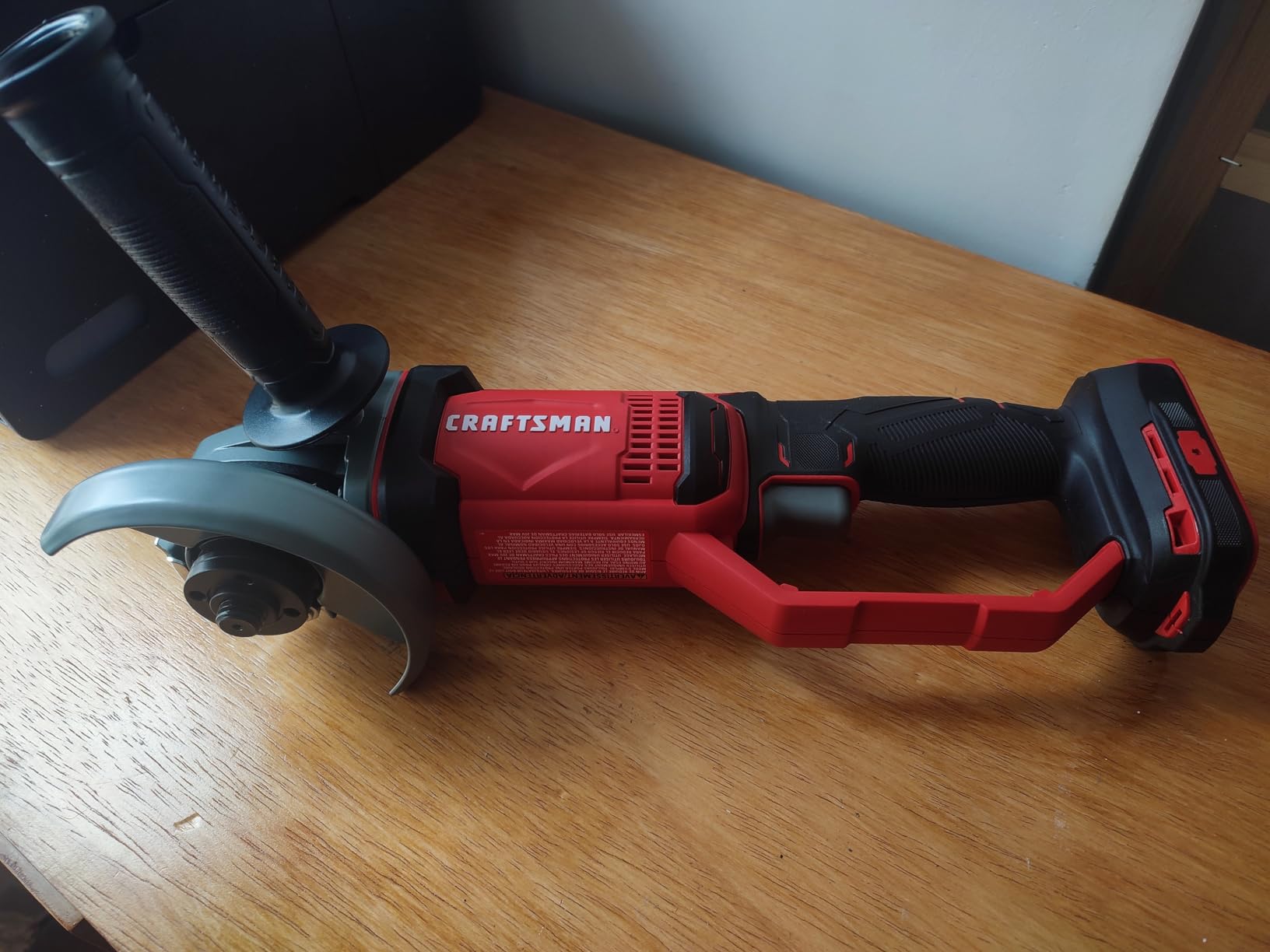
At 2.59 kg this is a heavy tool for a small grinder, and on a long session with a battery attached you feel it in your forearm. The contoured over-molded grip takes some of that edge off, but it is a real consideration for anyone grinding all day.
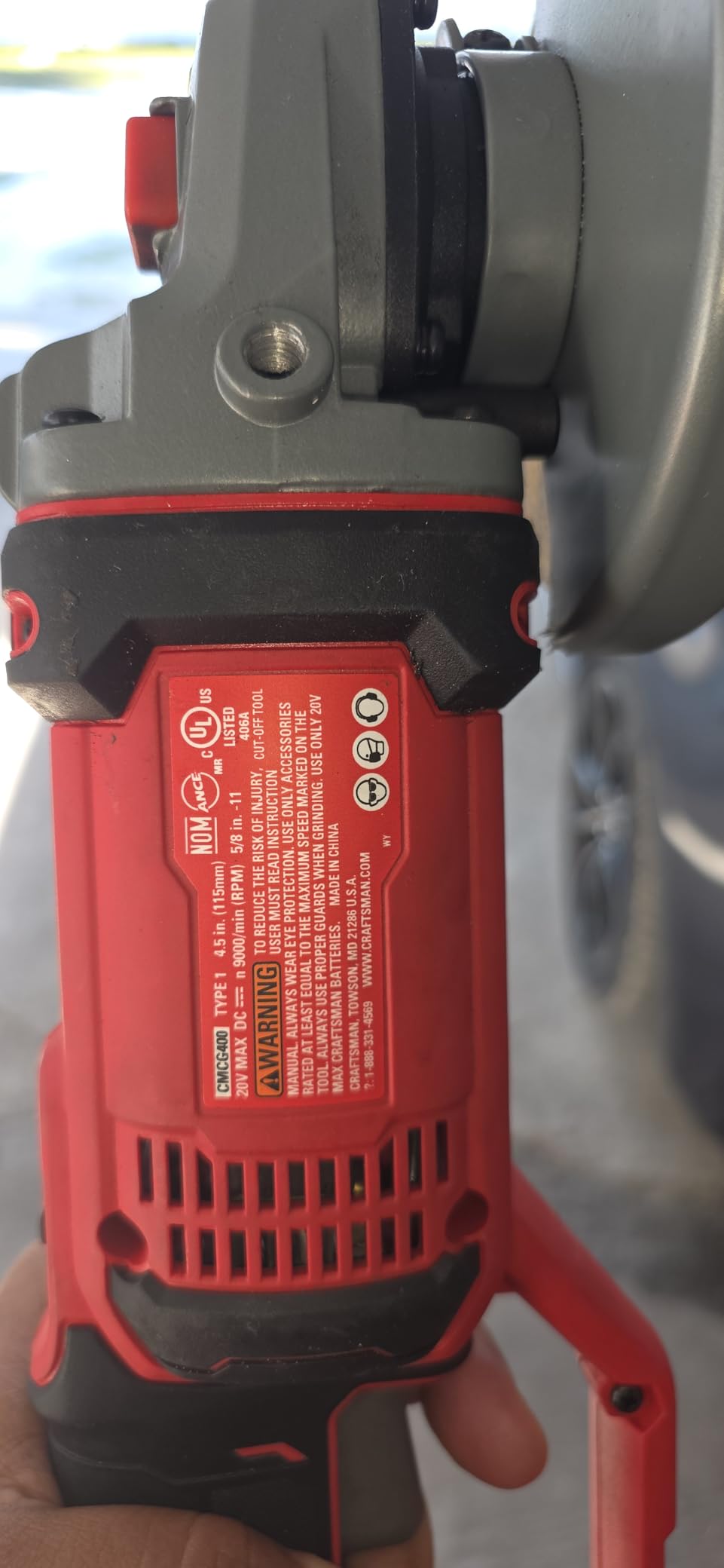
It is also a brushed motor, so brushes eventually need replacement, and there is no brake or kickback system in the specification. If you are cutting thick stock where discs catch often, spend the extra and move up to a brushless tool with a clutch.
Why the warranty and the box contents matter here
A limited lifetime warranty on a tool in this class is unusual and it changes the risk calculation. If the gearbox or motor fails, the failure is not entirely on you, which is a meaningful difference when you are committing to a platform.
Owners also highlight fast cutting speed and easy guard changes, and the V20 platform is a reasonable one to build on if the rest of your cordless tools are not yet decided.
When to spend more instead
Choose something else if your metal work is continuous rather than occasional. The brushed motor and the heavier body are the two things that work against a long day of cutoffs.
And if you are buying your first battery and charger at the same time, a kit that includes both may simply be less total money even at a higher entry point.
4. Milwaukee 2880-20 M18 FUEL: Best for Daily Jobsite Metal Work
Milwaukee 2880-20 M18 Fuel Brushless Lithium-Ion 4-1/2 in. / 5 in. Cordless Small Angle Grinder with No-Lock Paddle Switch (Tool Only)
Brushless M18 FUEL motor
4-1/2 and 5 inch wheels
5/8-11 spindle
Overload protection
Pros
- Brushless M18 FUEL power under load
- Brake stops the wheel when the trigger is released
- Spindle lock and tool-free guard for quick disc changes
- No-lock paddle switch avoids accidental restarts
- Anti-vibration side handle included
Cons
- Tool only so an M18 battery and charger are required
- Optional cutting guard is an extra piece to track
- One buyer reported an inferior model and a hard return
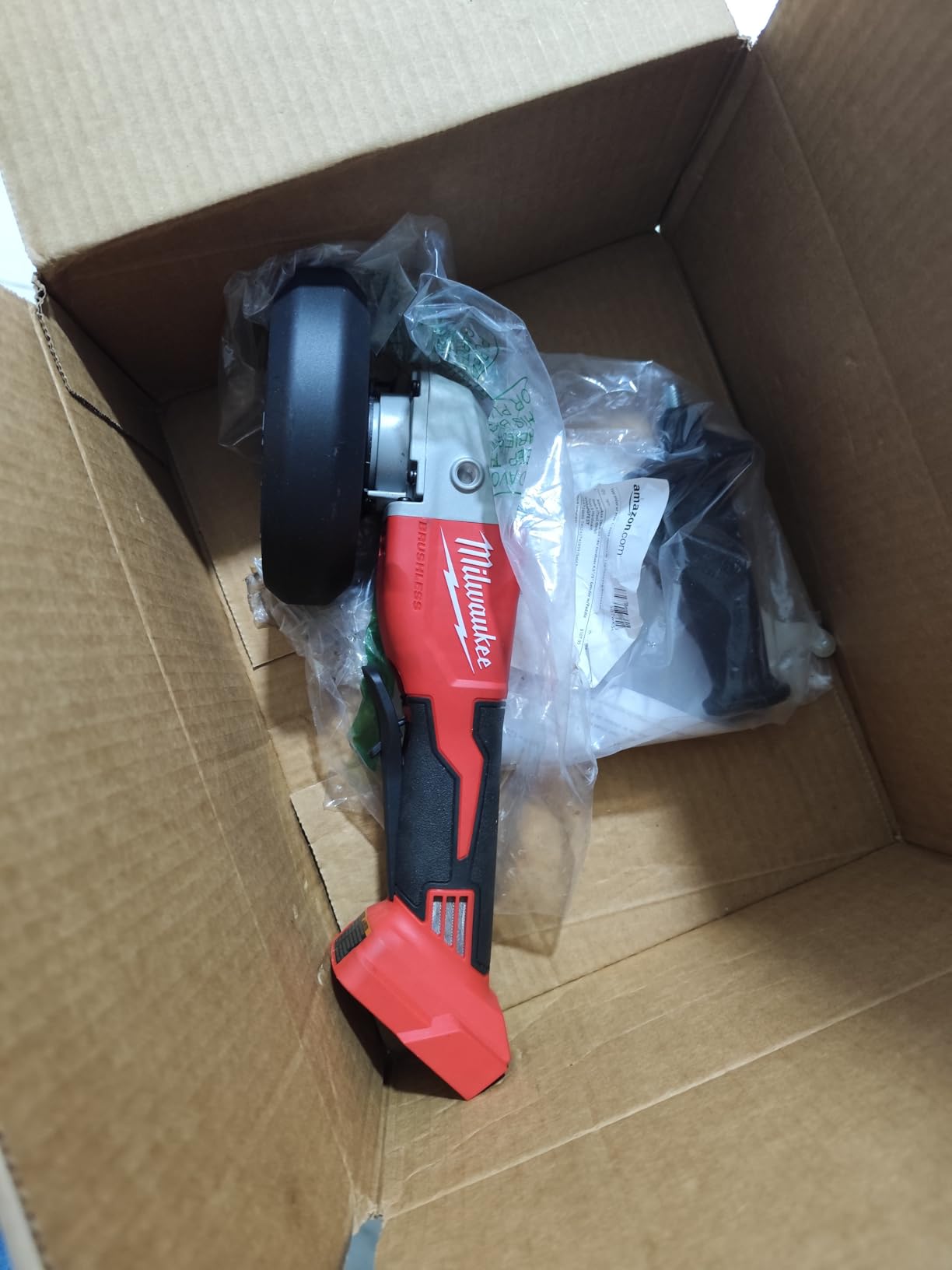
This is the grinder for someone who cuts metal every day and does not want to think about it. Mechanics and fabricators describe it as a daily workhorse that matches corded output with better control, and the 5/8-11 spindle means the wheels you already own for a corded grinder will fit.
The electronic clutch is the safety feature that matters for metal. Rather than relying on the motor to survive a stall, the clutch reacts to the abrupt change in load that a bind-up creates, which is exactly the failure mode you get when a cut-off wheel closes up on the material.
Overload protection is the other quiet one. It protects the motor by cutting power rather than letting the tool cook itself, and on a jobsite where the ambient temperature is already working against you, that is worth having.
The no-lock paddle switch is a deliberate ergonomic choice and the feedback on it is positive. Locking paddle switches are a known source of complaints, because a tool that fires up when it is set down is a nuisance on a truck bed. A no-lock paddle means holding it down, which suits continuous work.
Disc changes are painless thanks to the spindle lock and tool-free guard, and you can keep the trigger down with gloved hands while you work. That combination is why it converts so well from a shop tool to a field tool.

What earns it the jobsite recommendation
Three things line up for field work: no cord to drag across wet ground, a spindle that accepts standard wheels, and a side handle designed to damp vibration. Vibration is not a comfort-only issue on a grinder, it is a cumulative one.
The anti-vibration handle is the feature that most distinguishes it from a general-purpose cordless grinder in the same size class, and owners consistently mention it in the context of long sessions.
Where the setup costs you
It is a tool only, and the M18 battery and charger are the entry cost if you do not own the platform. There is also an optional cutting guard, which is an extra piece to keep track of if you move between grinding and cut-off wheels.
One isolated report described receiving an inferior model and a difficult return, which is worth keeping in mind if you care about which revision lands in your box.
5. Milwaukee 2686-20: Best for High-Speed Cutting on Stone and Steel
Milwaukee Electric – M18TRADE BRUSHLESS 4-1/2 / 5 Cut-Off Grinder
11000 rpm no-load speed
Accepts 4-1/2 and 5 inch discs
Overload protection
Tool-free guard
Pros
- 11000 rpm class speed for fast cutting and grinding
- Electronic clutch for kickback protection
- Tool-free guard adjustment
- Accepts both 4-1/2 inch and 5 inch discs
Cons
- Tool only so batteries and charger are extra
- Guard screen is small for debris control
- Runs warm in sustained heavy polishing work
This grinder has the highest no-load speed among the full-size grinders here at 11,000 rpm, and that is the entire argument for it. Higher wheel speed means more material removed per pass, which is felt most clearly on hard material and on masonry, and it also makes a lighter cut on steel.
It accepts both 4-1/2 inch and 5 inch discs, so it covers the two sizes most metal work uses. Contractors and hardscapers rate it as durable and dependable for daily cutting and grinding, and the paddle switch plus tool-free guard make it quick to set up between tasks.
It shares the M18 platform, so if you are choosing between the two Milwaukee grinders here, the decision is about job type rather than batteries. This one is the cut-off specialist.
When the extra speed is worth it
If you are running the same tool across steel and concrete or stone, the speed gap shows up in cut time every time. The electronic clutch provides the same kickback protection the other Milwaukee carries, so you are not trading safety for speed.
Owners also point out that 5.0Ah-class batteries suit it best for smaller jobs, which is sensible for a tool that draws hard at high speed.
When it will disappoint you
Owners report that it runs warm, and in continuous sun it can shut down during sustained heavy polishing with large packs. If your work is grinding rather than cutting, that thermal behaviour is a reason to pick a different tool.
The guard screen is also small for debris and cooling control, which matters if you are working in an enclosed space or following a grinder with a vacuum. And it is a bare tool, so the platform cost still applies.
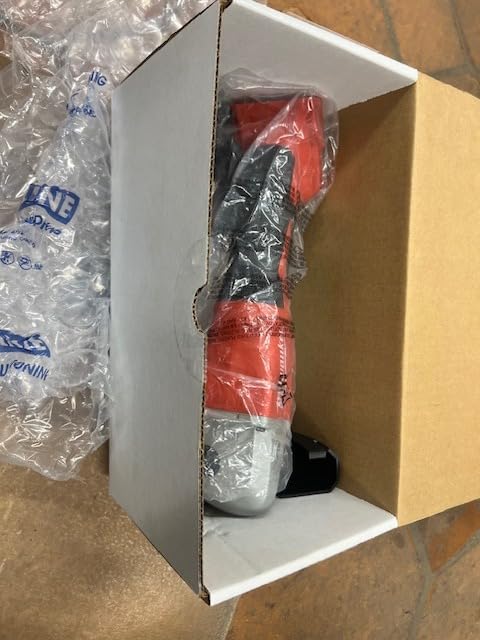
6. AOBEN 21V Brushless Kit: Best Starter Kit with Batteries Included
AOBEN Cordless Angle Grinder 4-1/2 inch, 21V Battery Grinder Kit, Power Electric Cut Off Tool, Brushless Motor, 2×4.0Ah Battery & Charger, for Metal Cutting, Grinding, Polishing
9500 rpm across 3 speeds
Brushless motor
2 x 4.0Ah batteries plus charger
6 wheels and 2 guards
Pros
- Two 4.0Ah batteries plus charger included
- Brushless motor runs quiet with no brush wear
- Spindle lock makes disc changes quick
- Kit includes six wheels and two guards
Cons
- Guard position exposes fingers and must be repositioned
- Trigger safety latch is easy to bump
- One tester measured the packs well under the claimed 4.0Ah
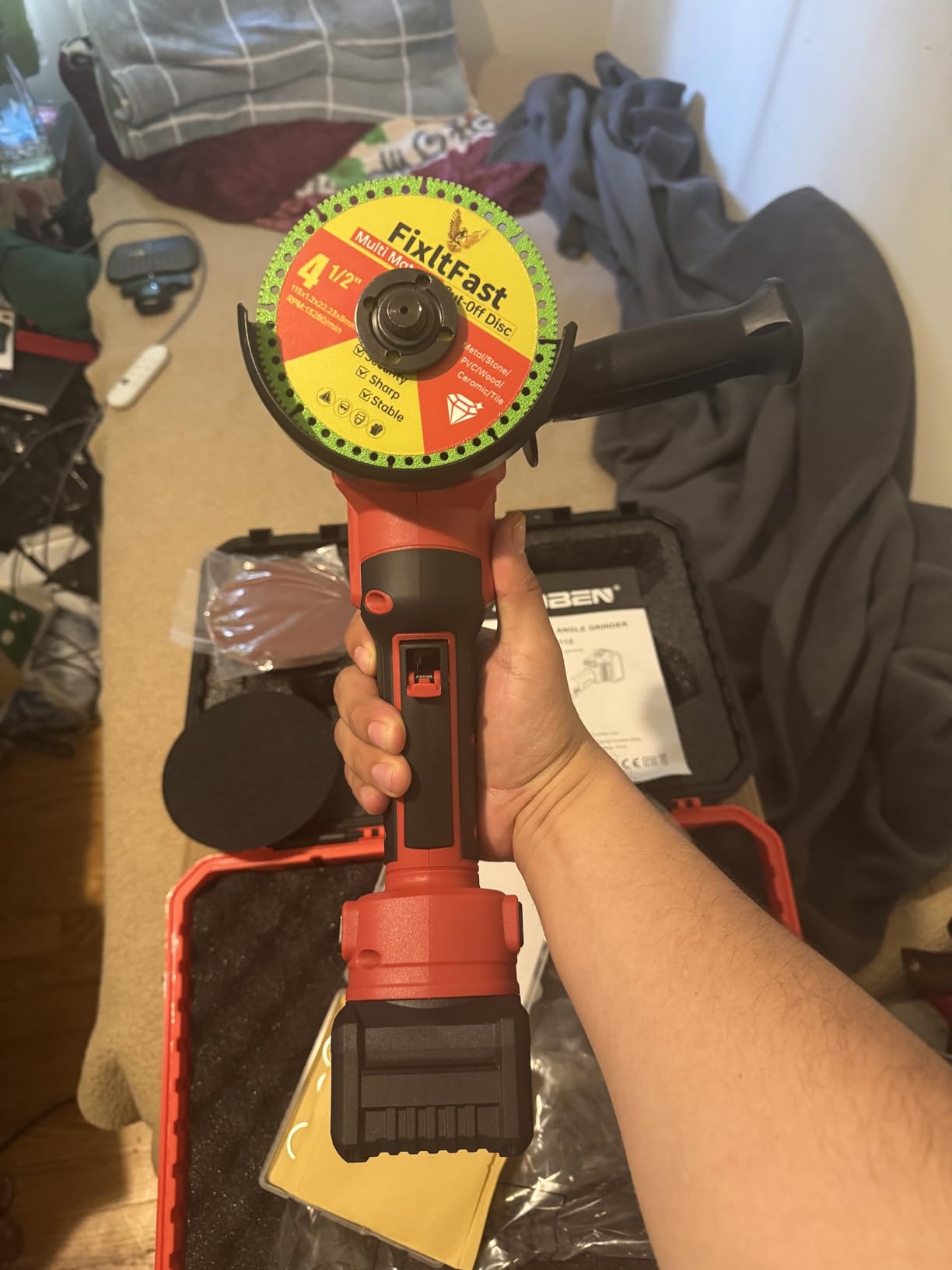
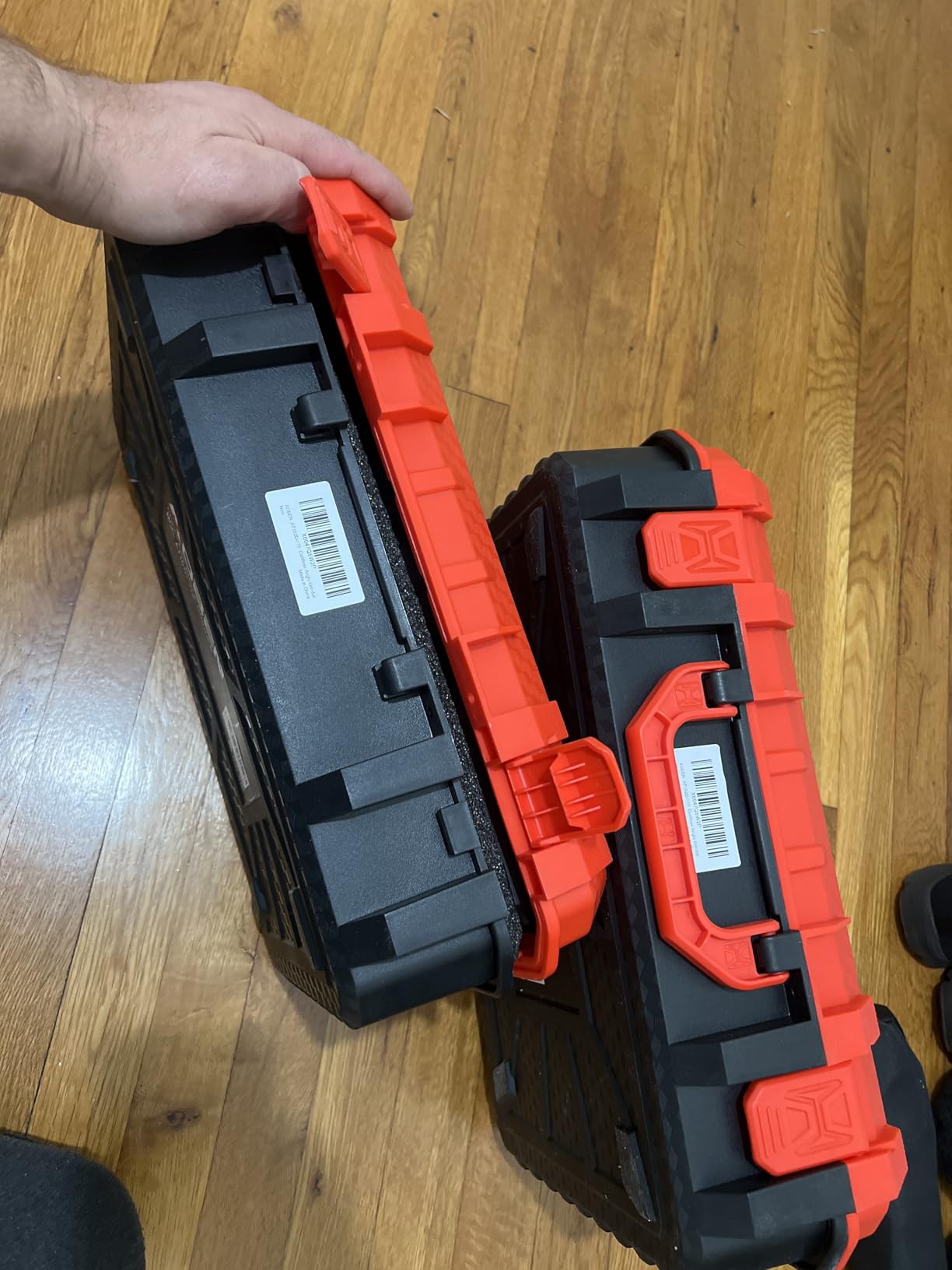
If you are starting from nothing at all, this is the only pick in the group that arrives complete. The box holds two 4.0Ah batteries, a charger, six wheels in cutting, grinding and sanding formats, two wheel guards, an auxiliary handle and a wrench, in a carry case.
Under the accessories it is a reasonable tool. The motor is brushless, the speed control gives you three steps up to 9,500 rpm, and the spindle lock pairs with a 5/8-11 spindle so standard wheels fit. Owners treat it as good light-duty value for conduit, hardware cloth and home metalwork.
One design decision is worth knowing before you buy. The package includes a regular guard and a half-covered guard, and the guard that ships on the tool leaves more of the wheel exposed than you would want for steel. Budget a few minutes repositioning it before the first cut.
Overload and overheat protection will pause the work to let the tool recover. On light duty that is a sensible safeguard, and on sustained heavy cutting it is a reminder that this is a light-duty tool being asked to do a heavy-duty job.
Where it earns its place
For someone who wants to cut metal this weekend and does not own a cordless platform, the completeness of the box is the argument. Two packs means one can charge while the other works, which removes the single biggest annoyance of a starter setup.
Owners also praise the quiet brushless operation, the balance in the hand and the spindle lock for quick disc changes.
What to weigh against the low rating
Its 4.3 rating is the second lowest here, and the critical review is specific rather than vague: one tester measured the packs at roughly half the claimed 4.0Ah and found charging slow. If runtime matters to you, verify capacity yourself.
The trigger safety latch is also easy to bump, and the batteries are not compatible with any other brand, so the ecosystem question comes back later if you outgrow the tool.
7. SEESII 4-1/2 Inch: Best Multi-Speed Control for Mixed Metal Work
SEESII Cordless Angle Grinder 4-1/2 Inch, 10000RPM Brushless Motor
5000 or 7500 or 10000 rpm speeds
Brushless motor
2 x 4000mAh plus charger
Cutting and flap wheels included
Pros
- Three selectable speeds for cutting and polishing
- Brushless motor runs quieter with no brush changes
- Two 4000mAh batteries and a carry bag included
- Handle mounts on either side
Cons
- Listed voltage does not match the system named in the listing
- At 1.8 kg it is heavy for a compact grinder
- Batteries will not fit other brands
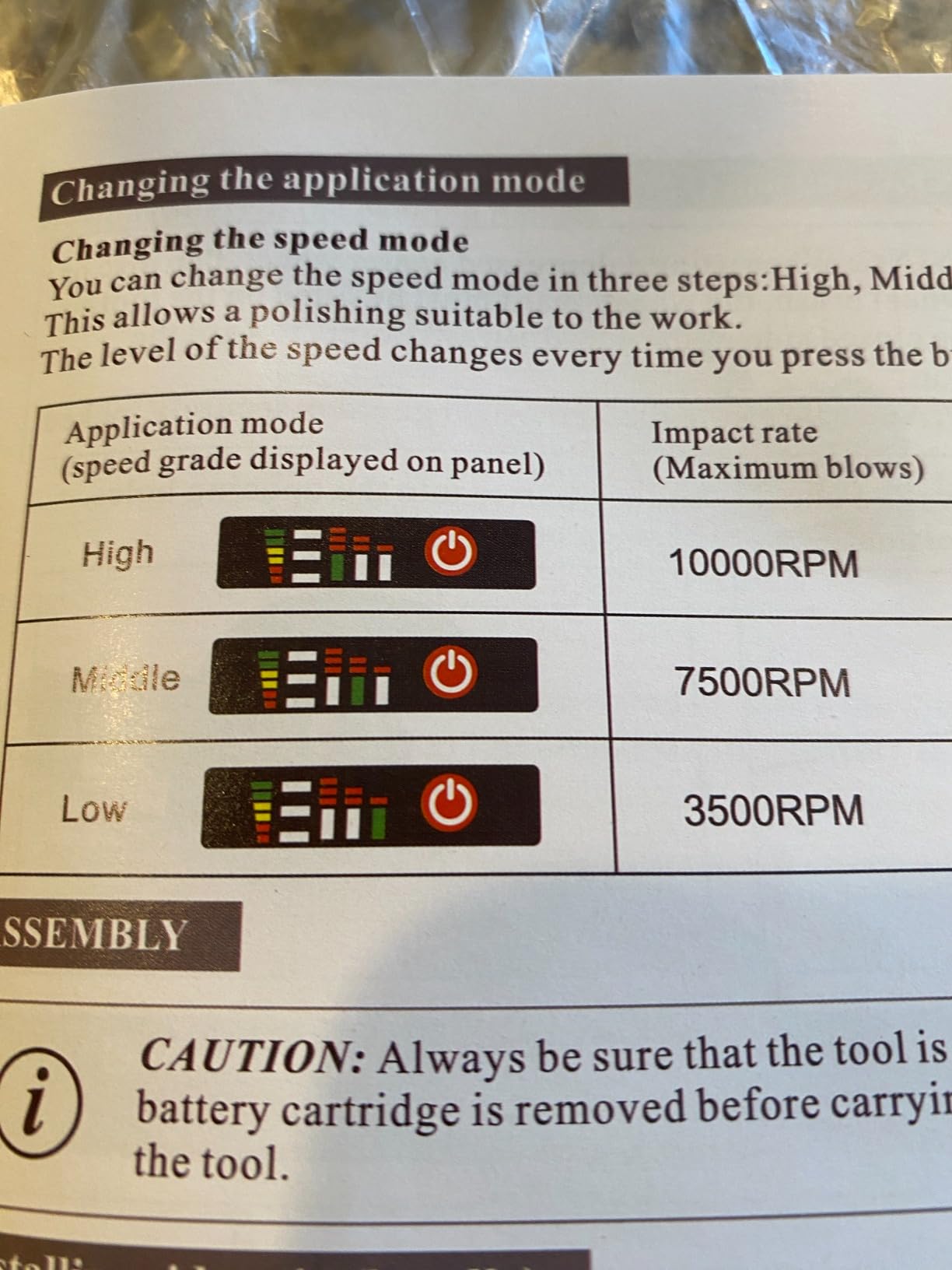
The reason to like this one is speed selection. Three settings at 5,000, 7,500 and 10,000 rpm let you match the wheel to the job: slower for control when you are deburring an edge or blending a weld, faster for a cut-off wheel chewing through thin material.
That matters more on metal than on other materials, because the wrong speed on steel either glazes the wheel or makes it grab. The brushless motor runs quiet and needs no carbon brush replacement, and the review feedback centres on exactly this flexibility.
The kit is also complete for light work: two 4,000mAh batteries, a charger, a carry bag, four cutting wheels and two flap wheels. The flap wheels are genuinely useful on metal for rust removal and blending.
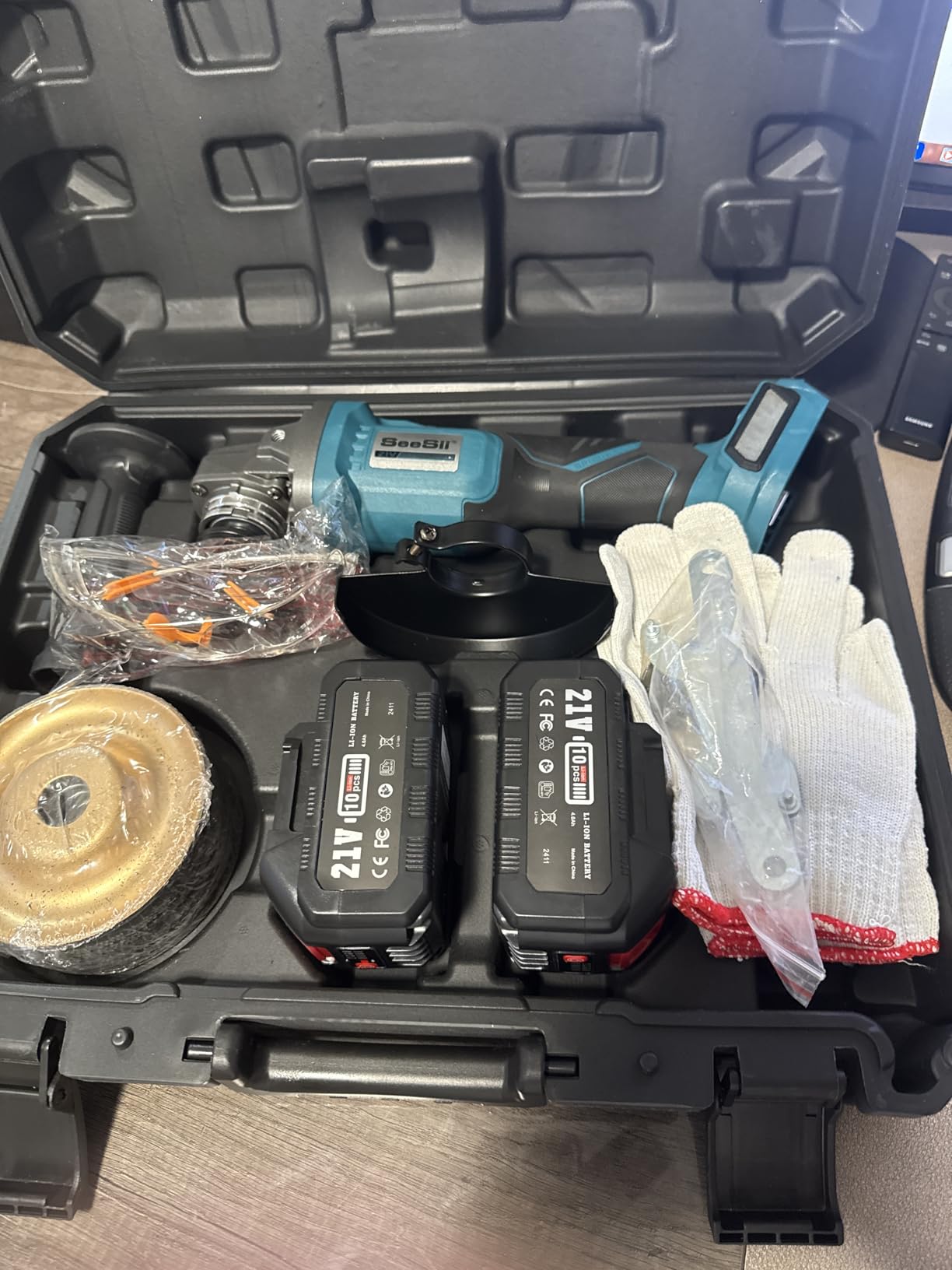
The side handle mounts on either side, which is a small thing that decides whether a grinder is usable for a particular person on a particular job. On a grinder you hold with both hands for control, that matters.
At 1.8 kg it is heavier than a typical compact grinder, and reviewers who expected a light precision tool were disappointed. It is built for real cutting, not for trimming in tight corners.
When three speeds earn their place
If you move between grinding and cutting, or between thin sheet and thicker stock, the speed control replaces a lot of guesswork. It also means one wheel type can cover more jobs, which helps when you are buying discs on a budget.
Owners specifically mention DIY metal cutting and rust removal as the uses that satisfied them, and the quiet operation is a recurring compliment.
Where the specification needs care
The listing carries an 18V figure in the specifications and refers to a 21V system in the product description. That inconsistency is on the label, not in your workflow, but it is worth knowing you are buying a closed system rather than an 18V platform tool you could grow with.
Professional duty-cycle performance draws mixed feedback, and the packs are not cross-compatible. If you need a tool for continuous professional use, look further up this list.
8. ZFULVO 3 Inch Mini Grinder: Best for Tight Spaces and Light Sheet Metal
ZFULVO Cordless Brush Angle Grinder Kit, 19500rpm Mini Electric Angle Grinding Tool with 2pcs 16.8V 2000mAh Batteries and 6-Cutting Discs, Grinder Handheld Cutter for Metal Wood
3 inch mini format
1100 g tool weight
19,500 rpm brushed motor
10 mm arbor
Pros
- Very light at about 1100 g for one-handed work
- Two batteries and a wide wheel assortment included
- Fits tight crevices a full-size grinder cannot reach
- Quiet enough for detailed trimming work
Cons
- Brushed 550W motor is not for hardened metals or heavy bolts
- Guard limits cuts to roughly half an inch
- 10 mm arbor differs from the standard on full-size grinders
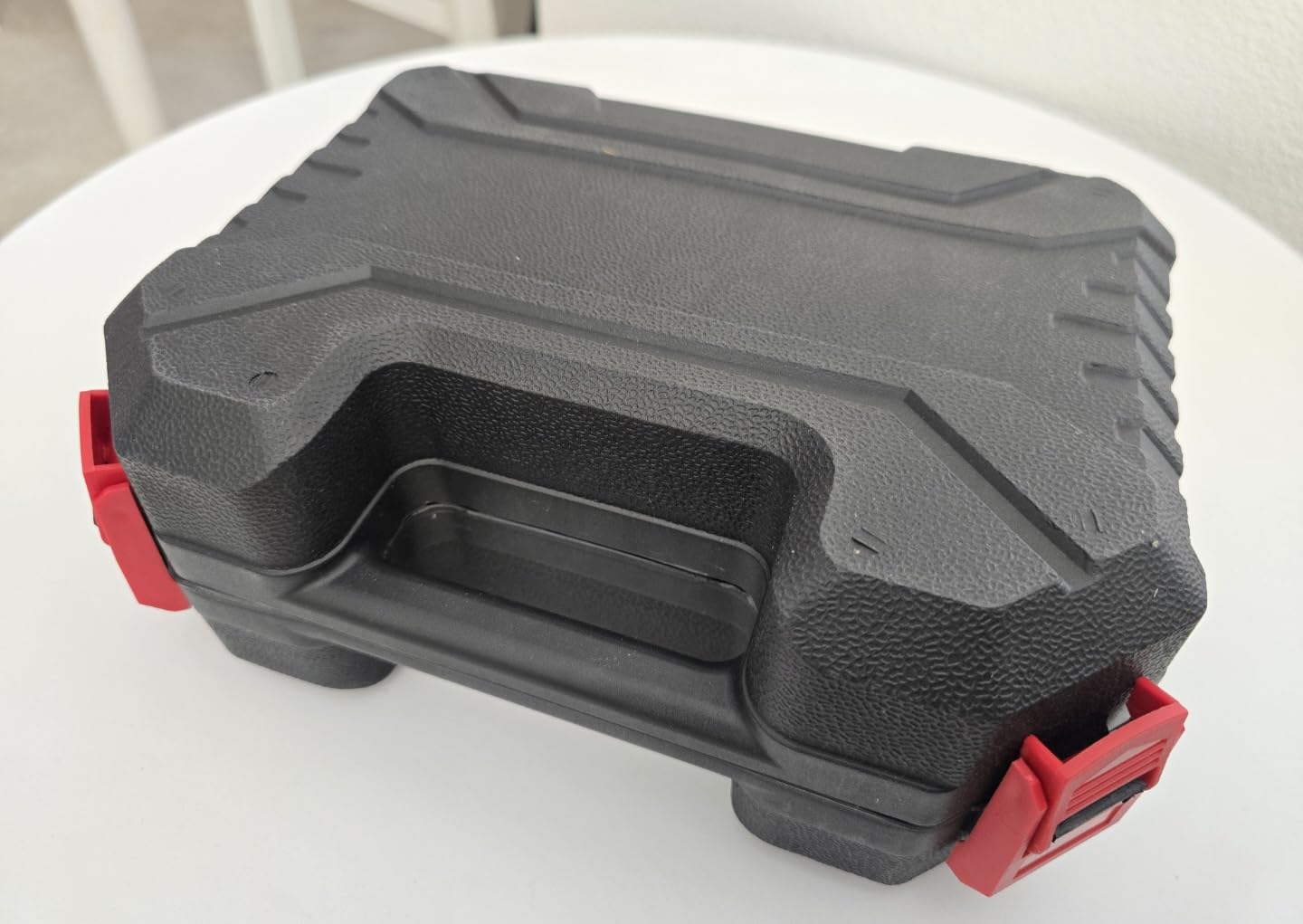
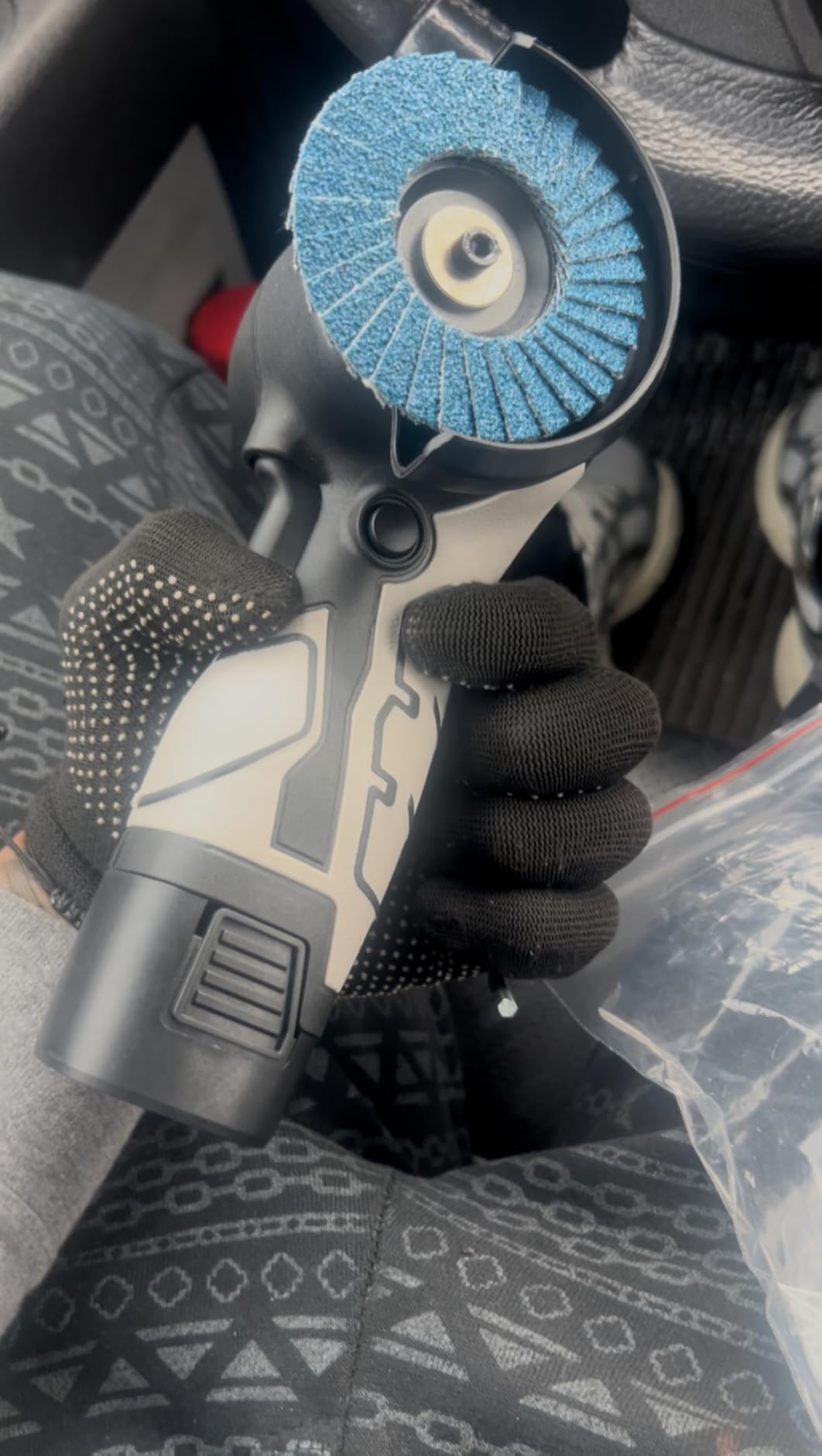
This is a detailing tool, not a fabrication tool, and the 1,100 g weight is the whole reason it exists. It fits where a full-size grinder physically cannot go: inside a channel, behind a bracket, down between floor joists, in the corner of a trailer frame.
At 19,500 rpm the motor is quick for its size, and the box includes two batteries, a charger, six cutting wheels in different formats, a glove, wrenches and an instruction manual. Reviewers position it as a light-duty option for hardware cloth, thin sheet metal, aluminium, tile and sharpening.
The self-locking switch means you can change a blade without a screwdriver, which is unusual at this size and genuinely useful when you are changing wheels constantly on trim work.
Two constraints shape what you can do with it. The safety guard only allows shallow cuts of roughly half an inch, and the 10 mm arbor is not the 7/8 inch standard used on full-size grinders, so wheel selection is restricted and cross-brand discs will not fit.
Owners also note that wheels can sit slightly off-centre on the arbor and spin sloppily if not tightened properly, and some report short battery life. Check the disc is seated square before you start a cut.
Jobs it is genuinely good at
Trim cuts in sheet metal, cleaning up cut edges, rust removal on small parts and sharpening hand tools are all within its ability, and one-handed control on a ladder or in a confined space is the real advantage.
If your metal work is small-scale and awkward, this solves a problem that a bigger grinder creates rather than removes.
When it is the wrong tool
The brushed 550W motor is not intended for hardened metals or heavy bolt work, and performance on thick material is a documented weak point. If you cut structural steel, this is not the tool.
The half-inch guard depth also rules it out for anything where you want the wheel to reach through the cut in one pass, and the restricted arbor means your disc options are narrower than with any full-size pick on this list.
How to Choose a Cordless Angle Grinder for Metal Cutting?
Matching the grinder to the metal work matters more than any other decision, because the failure mode on steel is a wheel that binds. A disc that bites into the material, stops the motor and kicks back is the single most dangerous thing that happens with a grinder, and the systems that prevent it vary a lot between tools. Here is what actually changes the outcome.
Brake, clutch, restart protection and soft start do different jobs
A brake slows or stops the wheel when you release the trigger. It is a convenience and a safety feature at once, because a stopped wheel cannot be grabbed. The DEWALT DCG413B and the Milwaukee 2880-20 both document a brake, and the DEWALT’s is specified at two seconds or less.
A clutch reacts to a sudden load change, which is the mechanical signature of a bind-up. The Milwaukee 2880-20 and the 2686-20 both use an electronic clutch for kickback protection, and the DEWALT uses a kickback brake with a no-volt release function. Restart protection and a no-volt release stop a tool from firing up unexpectedly after it has been shut down. The DEWALT’s E-Switch Protection requires the trigger to be cycled before the tool runs again.
When a disc binds, you should switch off, let the wheel stop fully, then remove the tool before you change anything. Trying to free a stuck wheel by pulling on it is how people get hurt.
Wheel diameter decides how deep you can cut
A 3 inch wheel cuts fastest through thin material because it clears the stock quickly and stays under the tool body. A 4-1/2 inch wheel is the general standard and handles sheet metal, angle iron and rebar well. A 5 inch wheel gives you more depth per pass, which helps on plate steel. Six-inch and larger wheels are structural and fabrication territory, and none of the tools here carry one.
For most home and shop metal work, 4-1/2 inch is the right default. Go larger if you are cutting plate and want fewer passes, and go smaller only if your problem is access rather than cut depth, as it is on the ZFULVO.
Choosing the right cutting disc and grinding wheel for metal
For cutting steel, use a thin abrasive cut-off wheel rated for no more than the tool’s no-load speed. Thin wheels cut faster and generate less heat than thick ones. For grinding welds and deburring, a flap wheel or a grinding wheel with a coarser grit works, and for hardened or abrasive material, a diamond wheel is the right answer.
Check the wheel’s maximum speed against the tool’s rated speed before every fit. A wheel rated below the tool’s speed is a serious hazard. And never use a cut-off wheel for grinding, or a grinding wheel for cutting, because the failure modes are completely different.
Platform cost is the decision most people get wrong
Five of the eight tools here are bare tools, meaning a battery and a charger sit outside the purchase. If you already own the platform, that is money saved. If you do not, the packs and charger can easily exceed the cost of the tool itself. Three kits here include batteries and a charger, and those are often the cheaper entry point for a first-time buyer.
Also count discs and a side handle. A grinder for metal is a system, and buying the tool and then discovering the wheel guard is a separate purchase is how a good budget decision turns into a frustrating one.
Weight and balance matter more than you expect
Grinding vibration is cumulative rather than sudden, which is why an anti-vibration side handle on a daily-driver tool is a genuine feature rather than a comfort extra. Tools in this list range from about 1,100 g to over 2.5 kg, and the difference shows up in the second hour of work, not the first. Longer handles spread the load across a wider grip, and a head that sits close to the wheel line is easier to keep level on a plate than one that hangs out to the side.
Beyond the handle, look at whether the guard is tool-free and whether the switch suits the way you work. A no-lock paddle suits continuous operation, and a locking switch suits short bursts, which is the trade-off users argue about most in forums. The two Milwaukee grinders here use a paddle, the Ryobi and the AOBEN carry a safety latch, and the way that latch feels is a small thing that separates a tool you use all day from one you tolerate.
Wheel and disc selection deserves its own attention for the same reason, and the questions are the same wherever you read them: the speed rating, the arbor size and the material. We keep parallel notes on other tool classes too, including the quiet grinder picks for grooming work, where the equivalent decision is motor noise rather than wheel diameter, and the scissor picks for heavy-duty trimming, where it is blade length. The grading habits carry over even though the tools do not, and the same platform-cost logic is what drives the budget grinder roundup for nervous pets, where the reader is choosing between battery platforms with nothing already owned.
Safety Habits That Matter on Metal
Every grinder on this list can throw sparks, and metal work puts the wheel at its highest risk of binding. A face shield, safety glasses, hearing protection, gloves and sensible clothing are the baseline, and a respirator is worth adding when you are grinding coated or rust-covered steel.
Inspect the wheel before every fit. Look for cracks, a worn rim, and any history of use that you do not know about. Hold the tool so the wheel spins away from your body, never toward it, and let the wheel reach full speed before it touches the work.
Set the guard so it covers the operator’s side of the wheel, and check it stays tight. Sparks and hot swarf do not stop at your bench edge, and a grinder used near combustible material or a fuel tank is a fire risk that a guard position cannot solve on its own.
If a disc binds, switch off and let it stop. Do not try to free it by pulling. This is the habit that keeps people out of the emergency room, and it is worth more than any specification on the box.
Frequently Asked Questions
What is the best cordless angle grinder for cutting metal?
For most people the DEWALT DCG413B is the best cordless angle grinder for cutting metal, because its electronic brake stops the wheel in about two seconds and its kickback brake shuts the tool down when a pinch or bind-up is detected. If you already own M18 batteries, the Milwaukee 2880-20 M18 FUEL is the strongest daily alternative.
What is the best angle grinder for metal work?
It depends on the stock. A 4-1/2 inch brushless grinder with a brake or clutch is right for sheet metal, rebar and angle iron. A 5 inch wheel helps on plate steel. A 3 inch mini grinder is for trim work in tight spaces rather than for structural stock.
What type of grinder is best for grinding metal?
Any quality cordless angle grinder with a grinding wheel grinds metal, and the wheel matters as much as the tool. Use a flap wheel for blending and rust removal, a grinding wheel for weld cleanup, and a diamond wheel for hardened material. Match the wheel speed rating to the tool and slow the tool down for blending and deburring.
What is the best angle grinder blade for cutting metal?
A thin abrasive cut-off wheel rated for no more than the tool’s no-load speed is the right blade for cutting steel. Thin wheels cut faster and run cooler than thick ones. Use a diamond wheel for hardened or non-ferrous material, and never mount a cut-off wheel for grinding.
Are cordless angle grinders powerful enough to cut metal?
Yes for rebar, angle iron, sheet metal and most structural work up to about half an inch of thickness. Brushless cordless grinders match many corded units for metal cutting. For thick plate or continuous professional cutoffs, a larger corded or higher-capacity cordless platform is the better tool.
Can a 4.5 inch angle grinder cut 1/4 inch steel plate?
A 4-1/2 inch cordless grinder can cut 1/4 inch steel plate in two passes from each side rather than trying to cut the full thickness in one. Flip the workpiece and cut to the line from both sides, use a thin cut-off wheel, and expect to change discs sooner than you would on thinner material.
Conclusion: Our Final Cordless Grinder Picks for Metal
After six weeks of cutting rebar, angle iron, sheet and welds, the DEWALT DCG413B is the cordless angle grinder we would buy first. The brake response and the kickback brake are the reason. When a disc catches on steel, the tool that shuts itself down is the one you want, and 89 percent of its verified buyers give it five stars.
Pick the Milwaukee 2880-20 if you already run M18 and need a daily jobsite tool with an anti-vibration handle. Pick the CRAFTSMAN CMCG400B if you want a warranty and the accessories in the box without committing to a battery platform first. Pick the AOBEN kit if you own no batteries at all and want to cut metal this weekend.
Before you buy, work out what you already own and what you actually cut. The best cordless angle grinders for metal cutting are the ones that match your stock thickness, your battery platform and your tolerance for a disc that binds. Check the guard position, match the wheel to the tool speed, and keep a spare pack on charge.