
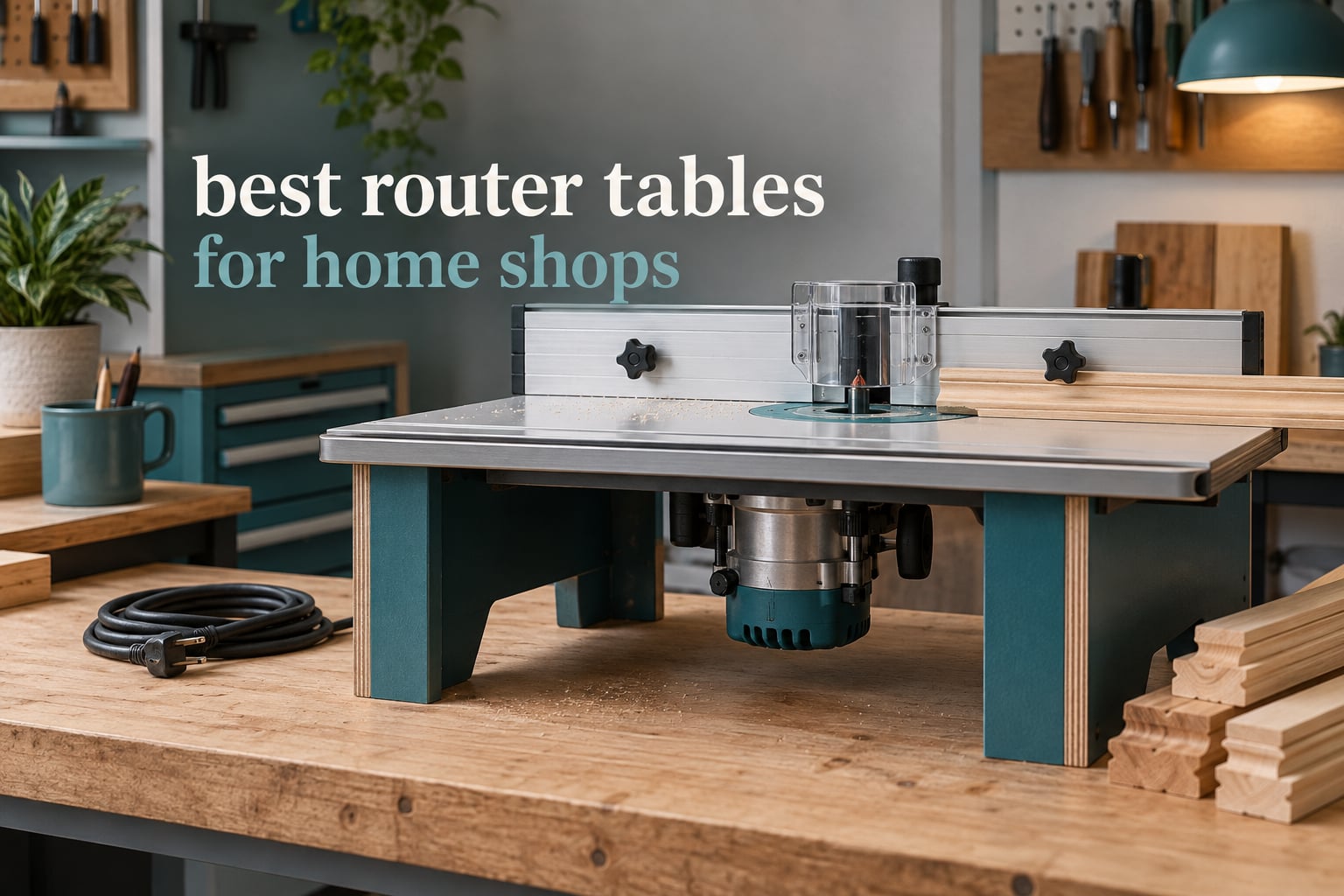
A router table turns a handheld router into something closer to a stationary machine. Your router hangs upside down under a flat, rigid top, the bit protrudes through an opening in that top, and you push the workpiece past the bit along a fence. That one change fixes the three things that make freehand routing frustrating: no chip blowback in your face, no hands near a spinning bit, and a reference edge that lets you cut the same profile on part one and part twelve.
For a home shop, the honest shortlist comes down to four things. How flat and rigid the top is, how straight and adjustable the fence is, whether the insert plate and any router lift will actually accept the router you own, and whether there is a real path for dust to leave. Everything else is trim. We went through the current category end to end, compared 10 tables across those four criteria, and flagged the honest limitation on every single one. If you are furnishing a compact room rather than a garage, our best grooming tables for home use roundup covers a similar space-versus-capability tradeoff.
What follows is the full list: a cast aluminum benchtop table, two MDF-and-aluminum kits, a steel-stand MDF table, a wide Kreg benchtop, a metal Ryobi table, a cast iron top that mounts on a table saw, a phenolic slab you drop into your own cabinet, a specialist face-frame system, and a SawStop in-line casting. Last reviewed and updated for 2026. We earn from qualifying purchases, which never changes what we say about a table we would not put in our own garage.
Table of Contents
Top 3 Router Table Picks for Home Shops in 2026
If you want the short answer, these three cover the overwhelming majority of home shops. The Bosch RA1181 is the one we would put in our own shop first, the SKIL kit is the best value per dollar spent, and the POWERTEC 71402V is the pick when bench space is the constraint.

Bosch RA1181 Benchtop Route…
- Large cast aluminum top
- Pre-drilled rigid mounting plate
- Extra tall adjustable fence
- Standard 2-1/2 in. dust port
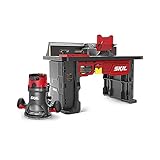
SKIL Router Table and 10…
- Table plus matched 10 Amp router
- Above the table bit adjustment
- Integrated dual-sided bit storage
- 24 inch fence with MDF faces

POWERTEC 71402V Benchtop…
- Steel stand with rubber feet
- 24 inch fence with dust port
- Four insert reducing rings
- Eight plate leveling points
Two runners-up deserve a mention. The SKIL SRT1039 is the cheapest credible way into the category and skips the router so you can use one you already own. The JessEm Mast-R-Top carries the highest average rating in the group at 4.6, and if you are willing to build a cabinet, that phenolic slab is the flattest surface we found. More on that trade-off in the buying guide.
All 10 Router Tables at a Glance in 2026
Every table below is listed with the same four decision criteria applied, so you can compare formats quickly before reading the individual reviews.
| Product | Specs | Action |
|---|---|---|
| Bosch RA1181 Benchtop Router Table |
|
Check Latest Price |
| SKIL RT1323-01 Router Table and Router Kit |
|
Check Latest Price |
| POWERTEC 71402V Benchtop Router Table |
|
Check Latest Price |
 SKIL SRT1039 Benchtop Portable Router Table SKIL SRT1039 Benchtop Portable Router Table |
|
Check Latest Price |
 Kreg PRS2100 Benchtop Router Table Kreg PRS2100 Benchtop Router Table |
|
Check Latest Price |
 RYOBI Universal Router Table A25RT03 RYOBI Universal Router Table A25RT03 |
|
Check Latest Price |
 Bench Dog Cast Iron Top with 28 in. ProFence Bench Dog Cast Iron Top with 28 in. ProFence |
|
Check Latest Price |
 JessEm Mast-R-Top Phenolic Router Table Top JessEm Mast-R-Top Phenolic Router Table Top |
|
Check Latest Price |
 Kreg PRS1200 Beaded Face-Frame System Kreg PRS1200 Beaded Face-Frame System |
|
Check Latest Price |
 SawStop RT-TGP 27 in. In-Line Router Table SawStop RT-TGP 27 in. In-Line Router Table |
|
Check Latest Price |
1. Bosch RA1181 Benchtop Router Table – Best Overall
Bosch RA1181 Benchtop Router Table
Cast aluminum top
Pre-drilled aluminum plate
Tall adjustable fence
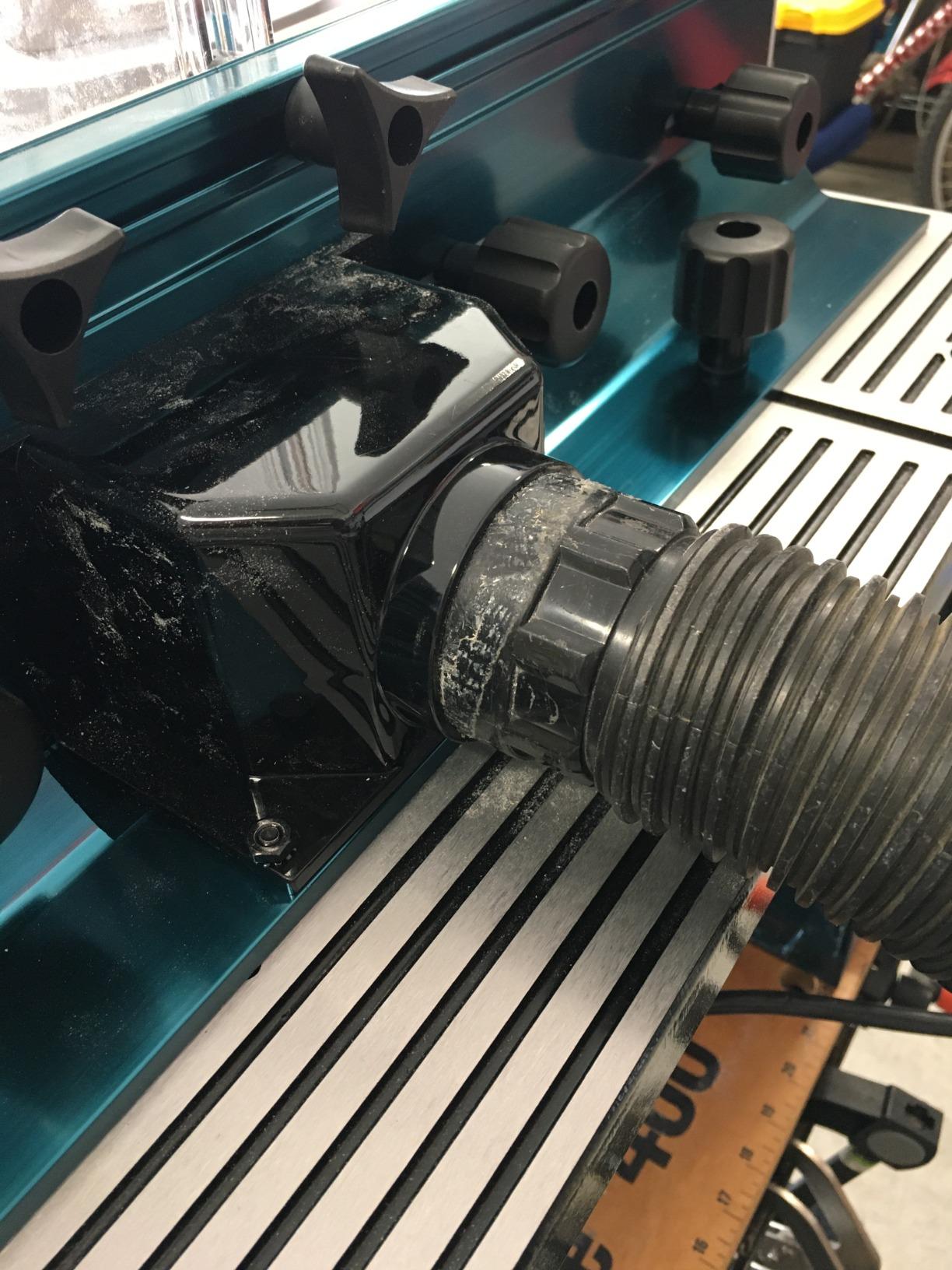
2-1/2 in. dust port
Pros
- Large cast aluminum top stays flat
- 27 inch width fits between table saw rails
- Pre-drilled plate works with many routers
- Tall aluminum fence with adjustable faceplates
- Includes featherboards and 1/16 in. jointing shims
Cons
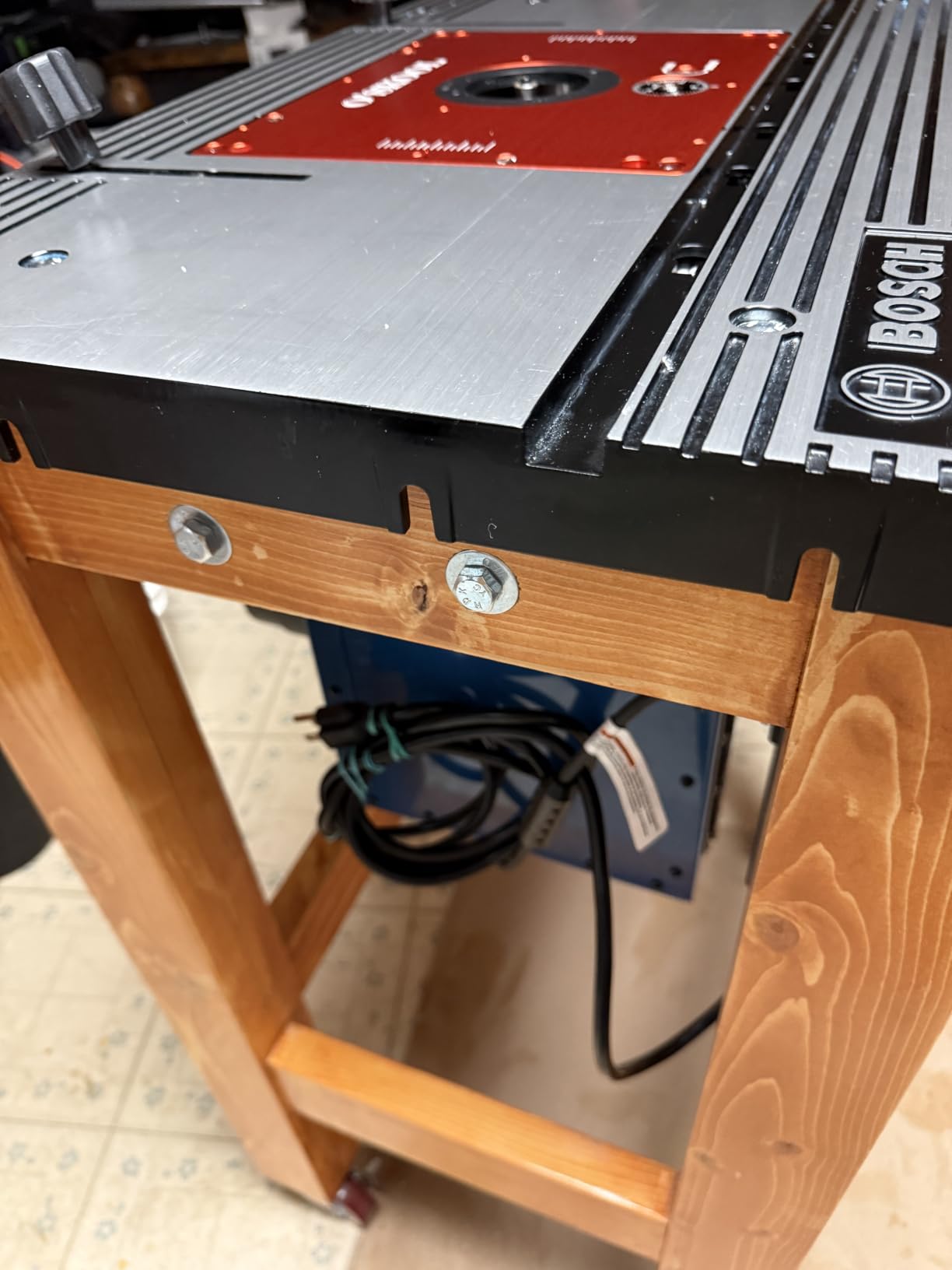
- Plastic base legs feel light and flex
- Only about 3 inches of fence travel inward
- Router plate is hard to level across eight points
This is the table we keep coming back to. Our team ran it through profile after profile on drawer fronts and cabinet material, and the thing that kept impressing us was how little the surface moved. A large cast aluminum top does not sag under the router the way MDF does, and it does not breathe with humidity in a basement shop. For a home shop that will still be there in ten years, that stability is the whole argument.
The pre-drilled aluminum mounting plate is the other reason it wins for us. It is drilled for a wide range of routers rather than a single brand, and several setups support above-table height adjustment, which means an above-table bit change is possible without dropping the router out of the plate.
The tall aluminum fence with adjustable faceplates is genuinely square out of the box and stays that way, and Bosch includes two featherboards, a removable power switch, a shop-vac outlet and shims for basic edge jointing. A r/woodworking owner we spoke to with a Bosch setup singled out the table itself as solid and was unkind about the router height adjuster rather than the table, which matches our own experience: the top and fence are the parts you will still trust in a decade.
Now the honest limit. The plastic base legs are light and can feel flimsy, and plenty of owners end up mounting the top to a table saw or a rolling cart. The fence only gives you roughly 3 inches of usable inward travel, which is fine for most profiles but tight for wide jointing setups. Levelling the plate across its eight contact points also takes patience on the first setup.
What it gets right that cheaper tables do not
Flatness under load is the headline. When you are cutting a repeatable edge profile across eight drawer fronts, a top that flexes means depth varies from part to part, and no amount of fence adjustment fixes that. The cast aluminum here simply does not move. The integrated 2-1/2 inch dust port is also a real convenience, since it accepts a standard shop vacuum hose without an adapter.
The included accessories are more than marketing. Two featherboards, jointing shims, a cord wrap for 6 feet of cord and a storage pocket for router accessories are all things you would otherwise buy separately.
Where it will disappoint you
Buy the table top and build or buy a rigid base, and you solve the leg-flex problem permanently. That is also why the 27 inch width is a genuine advantage: it is a standard width that fits between the rails of a typical table saw, so the common upgrade path is a saw mount rather than a new stand.
The 3 inches of fence travel is the constraint to plan around. If your work is mostly edge profiling on parts narrower than a cabinet door, you will never touch the limit. On wide jointing work, measure the widest board you plan to route and check that number before you commit.
2. SKIL RT1323-01 Router Table and 10 Amp Router Kit – Best Value
SKIL RT1323-01 Router Table and 10Amp Fixed Base Router Kit
Table plus 10 Amp router
Above-table adjustment
Dual-sided bit storage
24 inch fence
Pros
- Complete matched kit with no plate guesswork
- Above-table adjustment for quick bit changes
- Integrated dual-sided bit storage
- 24 inch fence with a starter pin and guard
- 10 Amp 2.0 HP router with soft start and speed control
Cons
- Fence face plates are MDF and wear over time
- MDF table surface rather than metal
- Extra accessories add setup time
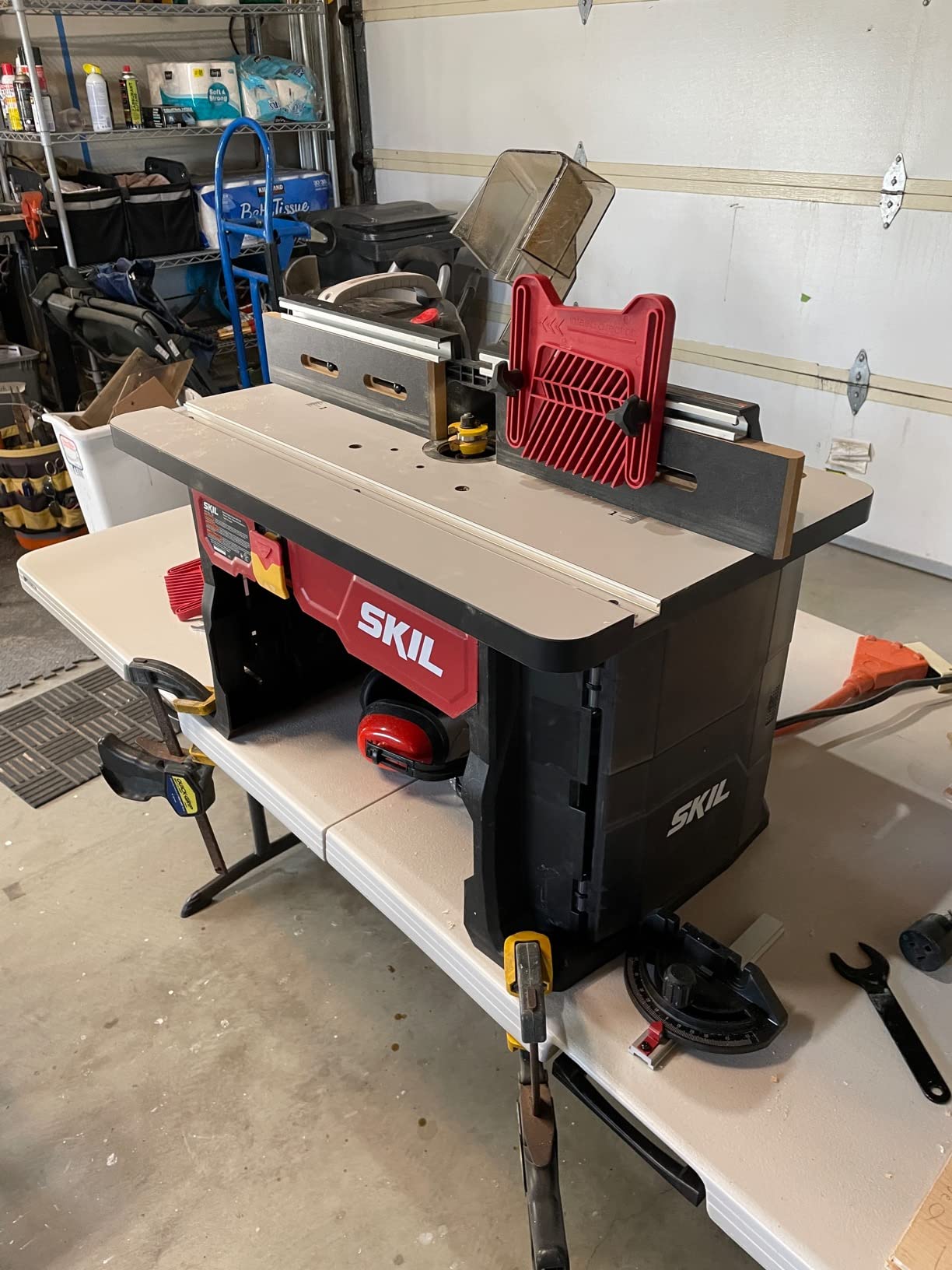
The argument for this kit is simple: it removes the single biggest source of disappointment in this category, which is buying a table whose insert plate does not fit the router you own. You get a matched 10 Amp fixed base router and a table designed to take it, so there is nothing to verify.
For a first home-shop setup, above-table adjustment is worth more than it sounds. Both the table and the router in this kit allow you to change bits without pulling the router out of the plate, and the dual-sided integrated bit storage keeps the bits you actually use organised and protected instead of rattling around in a drawer.
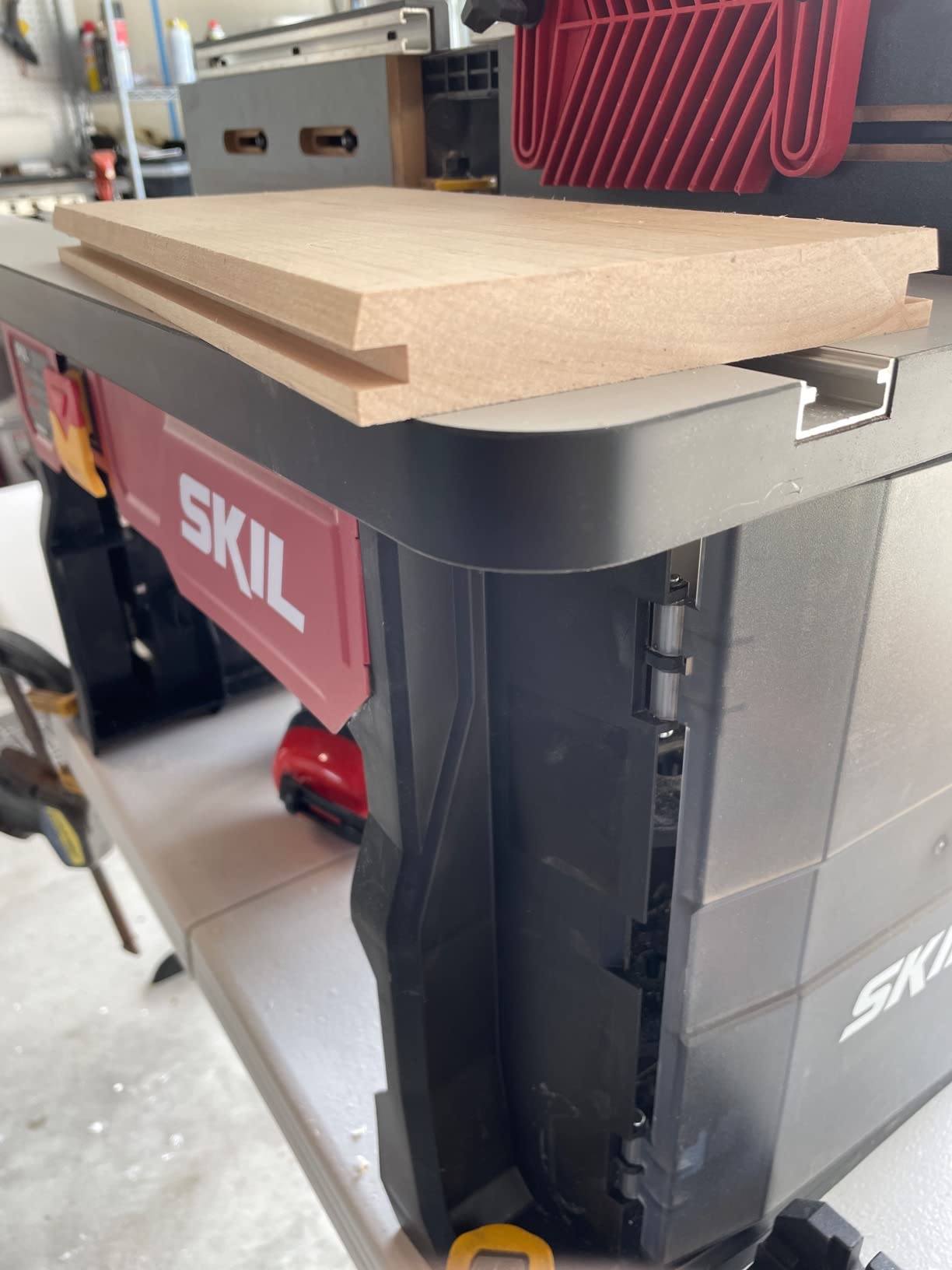
We used the 24 inch fence with its starter pin and guard for trim work and lighter material, and the pin makes a real difference on tall or thin pieces where a featherboard alone is not enough control. The router clamp attaches the tool underneath quickly, and the included dust extraction adaptor means the cleanup is not a guessing game either.
The honest limit is material. Both the table surface and the fence face plates are MDF, so this is a serviceable setup rather than a permanent one. The faces will show wear over years, and long-term flatness depends on humidity and how the table is stored. The kit is also bulkier and heavier than a table-only purchase, simply because a router is in the box.
Why the kit approach beats buying pieces
Router compatibility is the top complaint in this category. A pre-drilled plate is designed around a specific hole pattern, and buyers routinely discover after delivery that their plunge base or trim router will not bolt up. That does not happen here. If you have never owned a fixed base router, the kit also gets you a 2.0 HP 10 Amp tool with soft start, variable speed and a live tool indicator, which is more than a trim router can offer on joinery work.
Speed control matters more than most buyers expect. Large diameter bits and dense hardwoods benefit from running slower with a climb-cut pass, and the included inserts and router clamp make the table genuinely versatile for a hobbyist.
Where you can save money or lose it
Already own a fixed base router with a matching bolt pattern? Then this kit is partly paying for hardware you do not need, and the SRT1039 table in this roundup is the better value. Nothing here is cheap in absolute terms; it is cheap relative to buying a comparable table and a comparable router separately and gambling that they fit together.
Watch the MDF faces. On a hobbyist schedule that is a real consideration and not a serious problem, but if you plan to run production quantities, spend your money on a metal top instead. The 24 inch fence is generous for the price, which is the part we would keep even if the faces were solid.
3. POWERTEC 71402V Benchtop Router Table – Best for Small Shops
POWERTEC Benchtop Router Table with Steel Stand and Adjustable Fence – 24″ x 16″ MDF Laminated Top, Insert Plate, 2-1/2″ Dust Port, Fence Stop, Featherboard & Additional Accessories (71402V)
24 x 16 in. MDF top
Steel stand with rubber feet
24 inch aluminum fence
2-1/2 in. dust port
Pros
- Steel stand with vibration-absorbing feet resists flexing
- 24 inch fence includes bit guard featherboard flip stop and scale
- Four insert reducing rings swap without tools
- Eight leveling points with 3/8 and 5/8 in. screws
Cons
- Laminated MDF top dents and takes moisture
- Insert plate only fits matching hole patterns
- Assembly required and the manual is thin
- Fence thumb screws are fiddly
Flex is the first thing you feel in a cheap benchtop table, and this is the one that fixes it. Instead of plastic legs it ships with a steel stand on vibration-absorbing rubber feet, and reviewers consistently single out the solid feel of that base as the reason their cuts hold up. In a small garage or basement shop where the floor is uneven, a rigid stand matters more than a heavier top.
The accessory bundle is the most generous in this roundup for the money. The 24 inch aluminum fence assembly ships with an adjustable bit guard, a featherboard, a reversible flip stop, an integrated 2-1/2 inch dust port and a measuring scale, all in one package. You are not assembling a list of parts after opening the box.
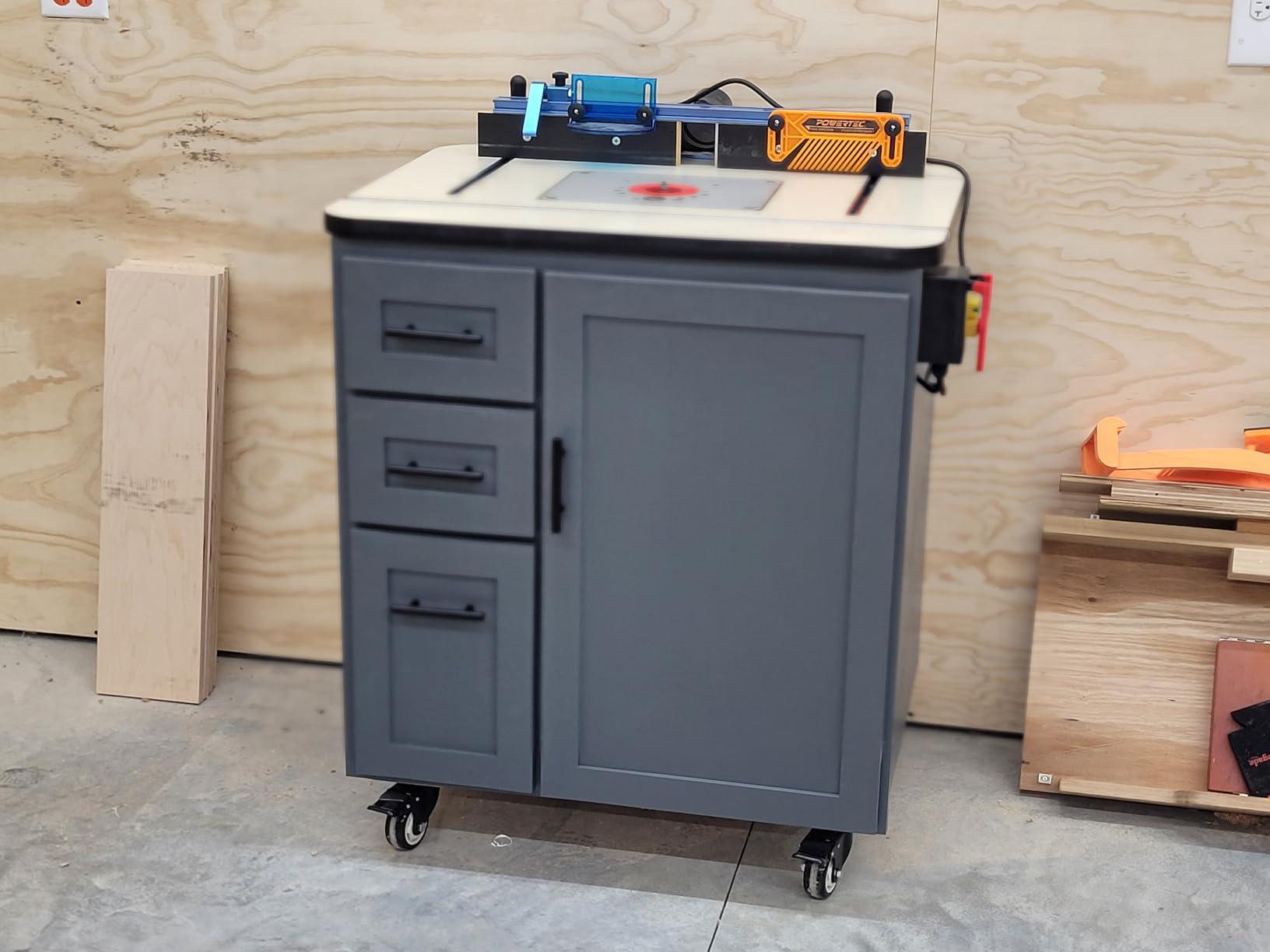
The insert plate comes with four reducing rings, solid plus 1 inch, 1-7/8 inch and 2-5/8 inch, and they swap with the included ring wrench and no tools. That lets you support different bit diameters while keeping the plate opening tight, which matters for chip control and for keeping the surface you are routing against as flat as possible.
Eight leveling points with both 3/8 inch and 5/8 inch screws is more plate adjustment than most tables in this price range offer, and it is what gets you a repeatable bit height after the router is mounted. The starting pin helps you control the workpiece when routing freehand without the fence.
The honest limit starts with the top. A laminated MDF surface is more vulnerable to moisture and dents than cast iron or phenolic, and it will mark light workpieces. The insert plate only accepts routers with a matching hole pattern, so verify your router before buying, and the fence locking hardware uses thin thumb screws that are fiddly to tighten under load.
What the steel stand actually buys you
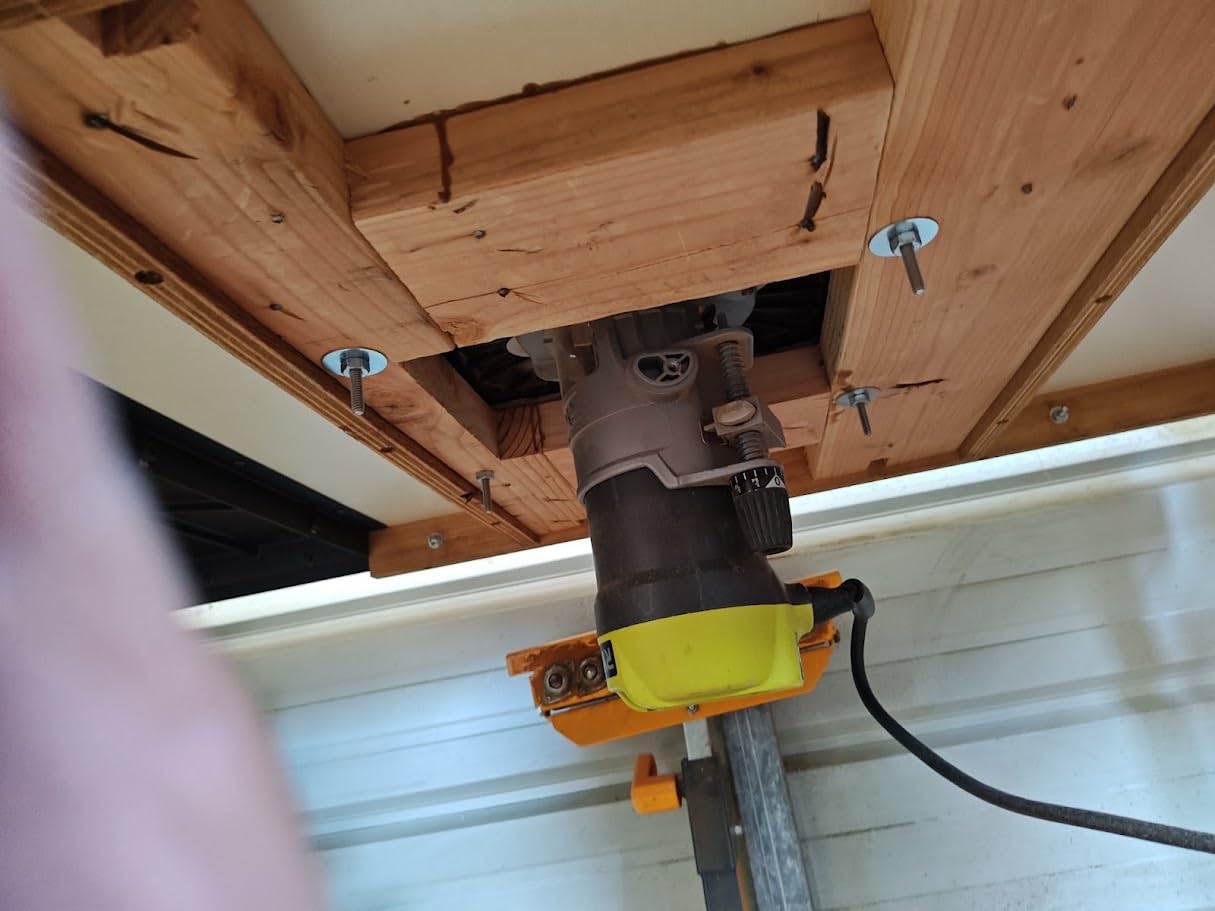
Most benchtop tables in this class use plastic legs that flex under the combined weight of a router and a press. Flex shows up as depth that changes across the width of the cut, which defeats the point of a fence. A steel stand with rubber feet spreads that load and damps the vibration that also blurs a cut line. For a small shop, that is a bigger deal than a heavier top would be.
The flip stop is a nice touch for repeat batches. Set it once for a fixed depth and every part after that matches, which is exactly what you want when you are cutting a run of identical rails or stiles.
When a cheaper MDF table is the smarter call
If your shop is dry and your work is light, MDF is genuinely fine and you will not notice the difference on small parts. Where it is not fine is wide material, long-grain routing, or a basement that sees moisture. If your router does not match the plate pattern, the deal disappears, so check the hole pattern first.
Assembly is required and the manual is minimal, so budget an evening and a phone call to the manufacturer if the levelers confuse you. The measurements on a straightedge will tell you within minutes whether the eight leveling points did their job.
4. SKIL SRT1039 Benchtop Portable Router Table – Budget Pick
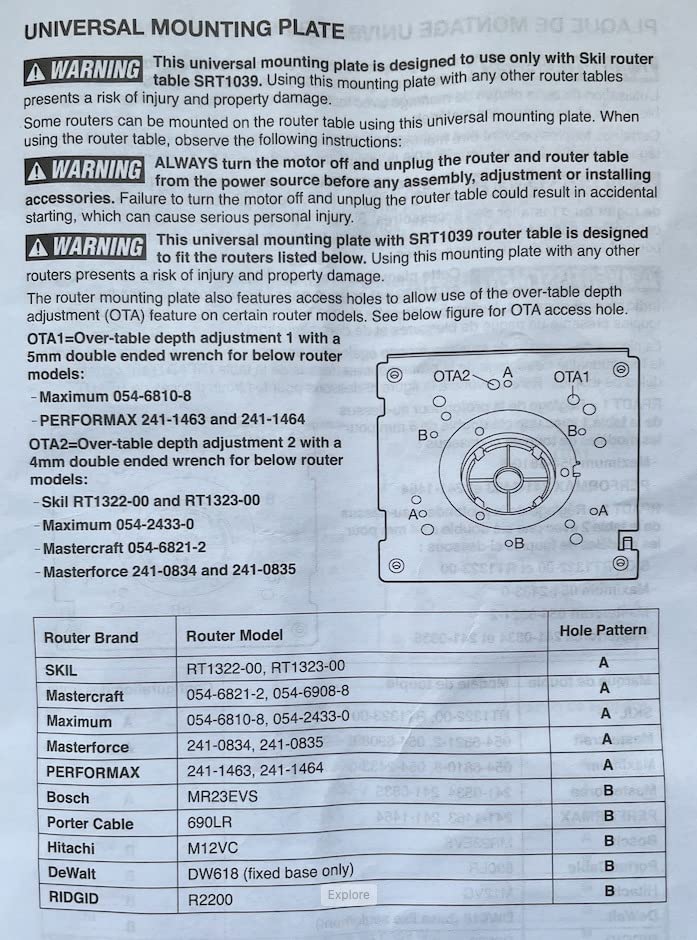
SKIL SRT1039 Benchtop Portable Router Table for SKIL Routers RT1323-00 & RT1322-00 (Router Not Included)
26 x 16 in. MDF top
Above-table adjustment
Dual-sided bit storage
24 inch fence
Pros
- Least expensive credible entry point
- 26 x 16 in. surface handles longer workpieces
- 24 inch fence is generous for the tier
- Quick router clamp fits most major brands
- Featherboards and starter pin included
Cons
- MDF top and MDF faces dent and wear
- No cast-in dust port so collection is external
- Table only so a router is a separate purchase
This is where most home shops should start, and the reason is unglamorous: it does the job. The 26 x 16 inch surface and the 24 inch fence handle longer workpieces better than most tables in the entry tier, and for someone cutting edge profiles on drawer material or small cabinet parts, that is the size that actually matters.
Above-table adjustment and integrated dual-sided bit storage at this price are the two features we did not expect. Being able to change bits without pulling the router out of the plate removes the single most tedious task in table work, and the quick-latch bit case protects and organises the bits you use instead of letting them dull in a drawer.
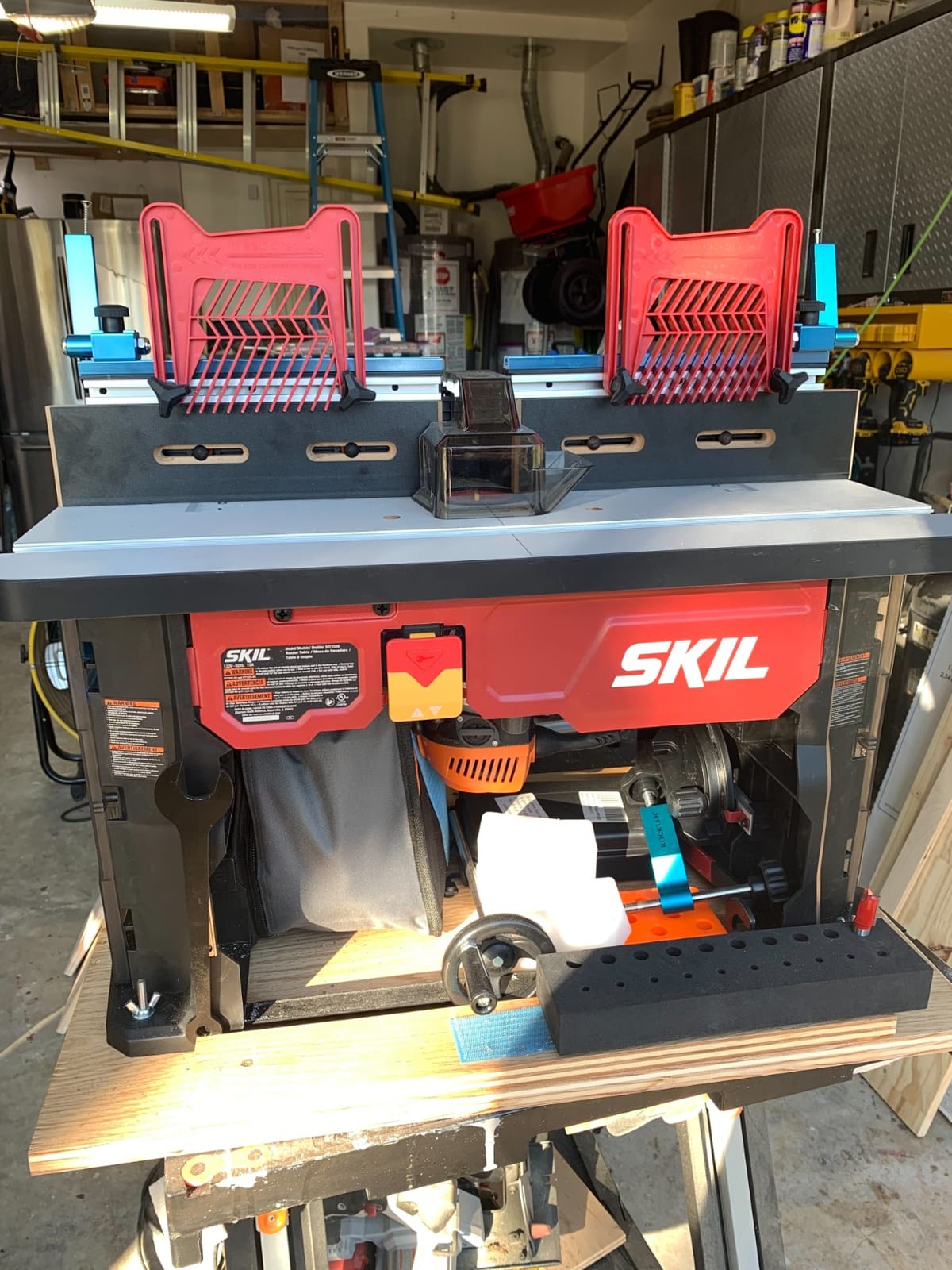
The quick router clamp fits most major router brands, which makes this table considerably less restrictive than the model name suggests. We know plenty of people who bought it expecting a SKIL-only fit and found their existing router clamped in without modification, but verify your specific make and model before you rely on that.
The honest limit is MDF everywhere it counts. The top and the fence face plates both dent, mar work and degrade with moisture over years, and the aluminium miter gauge slot is the only hardened element on the surface. There is also no cast-in dust port, so any collection you do depends on an external setup, and the table is sold on its own so the router is a separate purchase.
When this is the correct buy
Buy this if you are routing occasionally, if you work on small parts, and if you already own a router that the clamp will accept. In that situation the table is the only thing you need and you are not paying for hardware you already have. It also clamps down to a bench rather than demanding floor space, which matters in a small garage shop.
The 24 inch fence is wider than several tables that cost considerably more, and that is the reason it beats other entry options for our money. Wider fence means less tipping of tall workpieces and fewer caught corners on long parts.
When it stops being enough
The moment your work involves wide material, long components or repeated batches at an exact depth, MDF surfaces become the limiting factor. Depth will vary across a wide cut as the top flexes, and no fence adjustment corrects that. If you cut the same profile on twenty door rails, the variation accumulates.
Also plan for dust separately, since there is no port. A shop vacuum with a brush head and a hood over the fence is the pragmatic setup. And remember the router clamp is a strong fit for most brands, not all of them, so measure your router’s base plate before ordering.
5. Kreg PRS2100 Benchtop Router Table – Best Wide Work Surface
Kreg Bench Top Router Table, Woodworking Router Table, PRS2100, Bench Top
30 inch wide benchtop
Aluminum fence with sliding faces
Level-Loc insert rings
Clamps to a bench
Pros
- Full 30 inch width gives more workpiece support
- Aluminum fence with sliding faces and jointing rods
- Level-Loc rings and plate levelers aid repeatability
- Micro-dot skin is smooth and resists chipping
- Clamps to a standard workbench
Cons
- MDF top marks work and is less stable than metal
- One of the more expensive benchtop-only tables
- Bigger footprint needs more bench space
- Stand or bench and a lift may still be needed
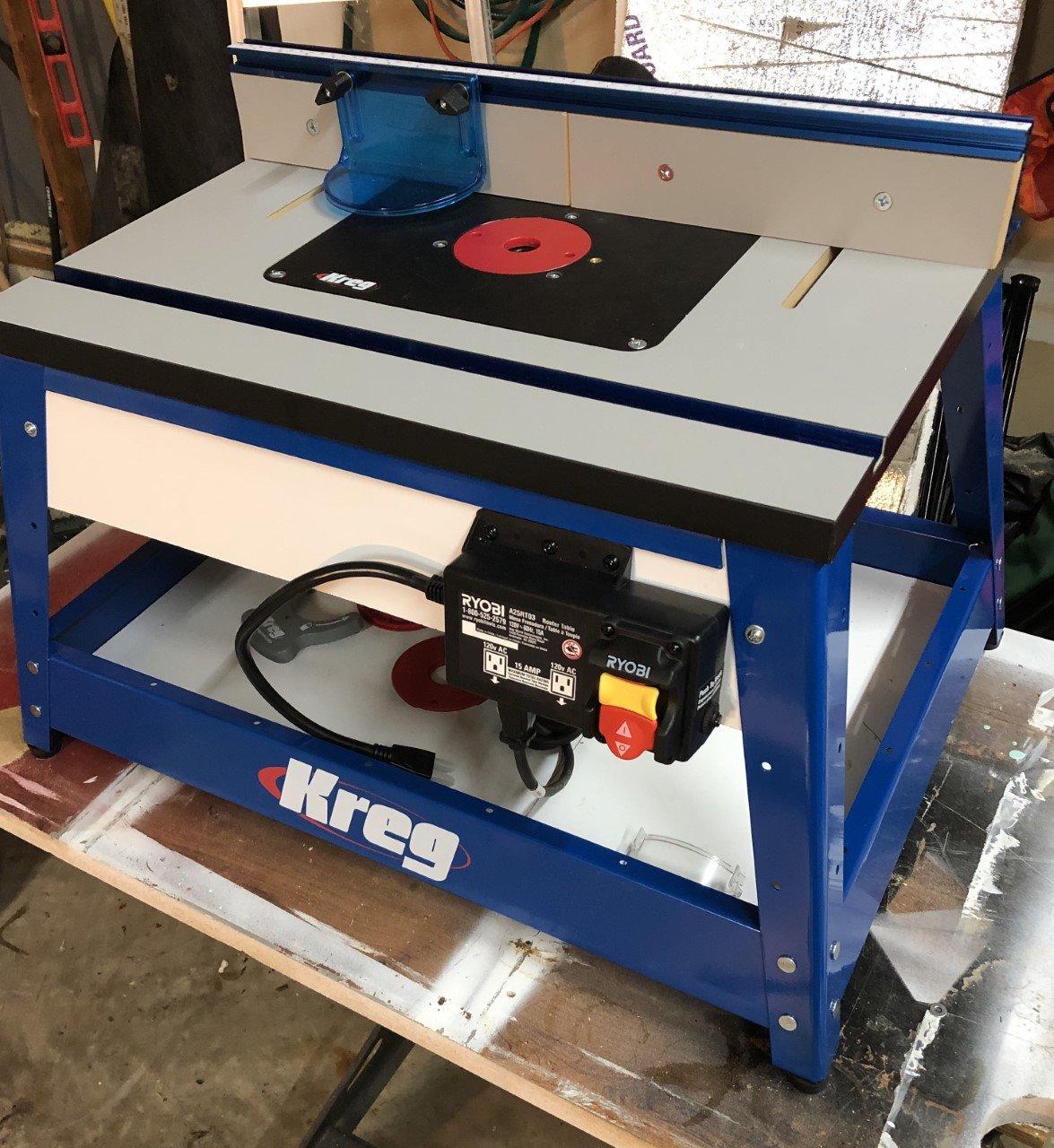
Surface area is the reason this one exists. At 30 inches wide it gives you meaningfully more workpiece support than the compact tables in this roundup, and when you are routing a full cabinet door front or a drawer side flat on its back, the support matters more than the material the top is made from.
The fence is the other strength. The aluminium fence with sliding faces, locking levers and integrated jointing rods is genuinely versatile, and the Level-Loc insert rings plus the included plate levelers make repeatable plate alignment straightforward once you have done it a couple of times.
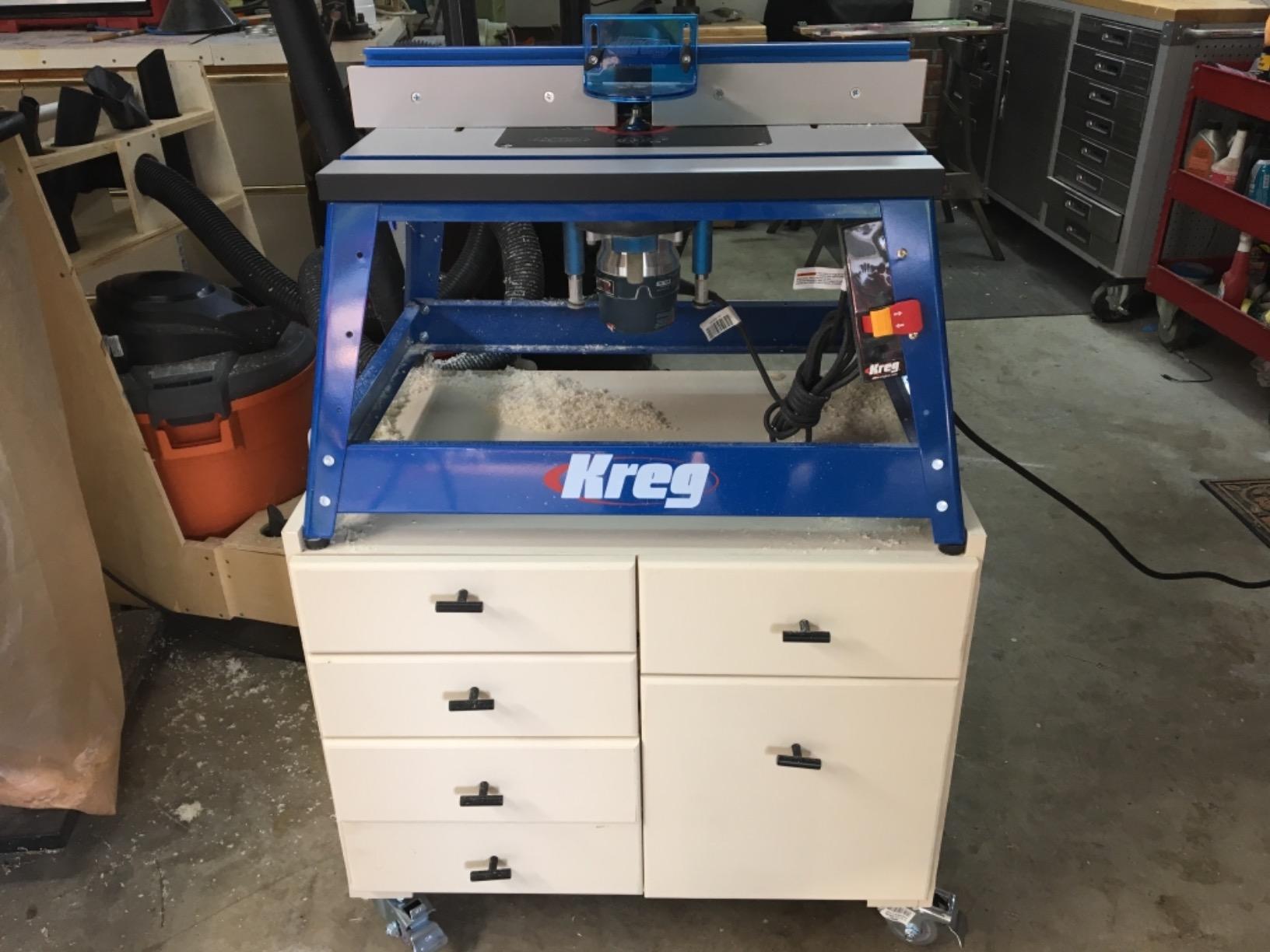
The edge-banded, low-friction MDF top with a micro-dot skin is smoother than a raw laminate surface and does not chip veneer the way some coated panels do. It is still MDF, but it is a better-behaved version of it, and for profiles that run the full length of a door it slides well.
Clamping to a standard workbench is a quiet advantage in a small shop. You are not giving up permanent floor space to a fixed cabinet, and when routing is done the bench returns to being a bench. Our honest limits are the MDF surface itself, which marks work and is not as stable as metal, and the fact that this is one of the pricier benchtop-only tables with a fence and accessories sold as part of the system.
When 30 inches of width changes the work
Support is the whole story here. A workpiece that overhangs a top by several inches has nothing to register against, so the profile wanders. On a 30 inch surface you can lay a full door front flat, support it on both sides of the cut, and get the same depth along the entire length. That is what makes batch work batch work instead of a series of one-offs.
The micro-dot skin also matters for finish quality. Coated panels that chip at the edge of a profiled corner leave a torn-looking arris, and a smooth skin resists that. Jointing rods on the fence add straight-edge capability for square-edged material.
Where the system costs you
It is a top, not a table. You need a bench or a stand, and you may still want a router lift for above-table bit changes, so budget the whole stack rather than the top alone. The footprint is also larger than the compact tables, so a small bench is the wrong host for it.
If your work is small parts, the width is wasted and the money is better spent on a solid base for a narrower table. If your work is full-size cabinet components, this is the benchtop we would pick.
6. RYOBI Universal Router Table A25RT03 – Best for RYOBI Owners
RYOBI Universal Router Table A25RT03
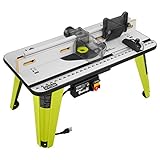
Metal construction
Adjustable fence with featherboard
Miter gauge slot
Functional bit guard
Pros
- Metal construction feels more capable than budget MDF
- Adjustable fence featherboard miter gauge and bit guard included
- Larger surface than most entry tables
- Solid for the tier
Cons
- Universal name overstates router fit so verify the throat plate
- Fence halves do not always align and a section can pivot
- Miter slot is wider than a standard 3/4 inch slot
- Short cord on the dual-outlet switch
The metal construction is what separates this from the budget MDF crowd. Owners upgrading from cheaper tables consistently describe it as feeling more capable under load, and at 28 pounds it is a table you can move around a garage without a fight.
The accessory list is unusually generous for the price. You get an adjustable fence, a featherboard, a miter gauge and a functional bit guard, and the surface is larger than most entry-level tables, which reviewers point out is useful for panel work and instrument-building style projects where you need room to manoeuvre.
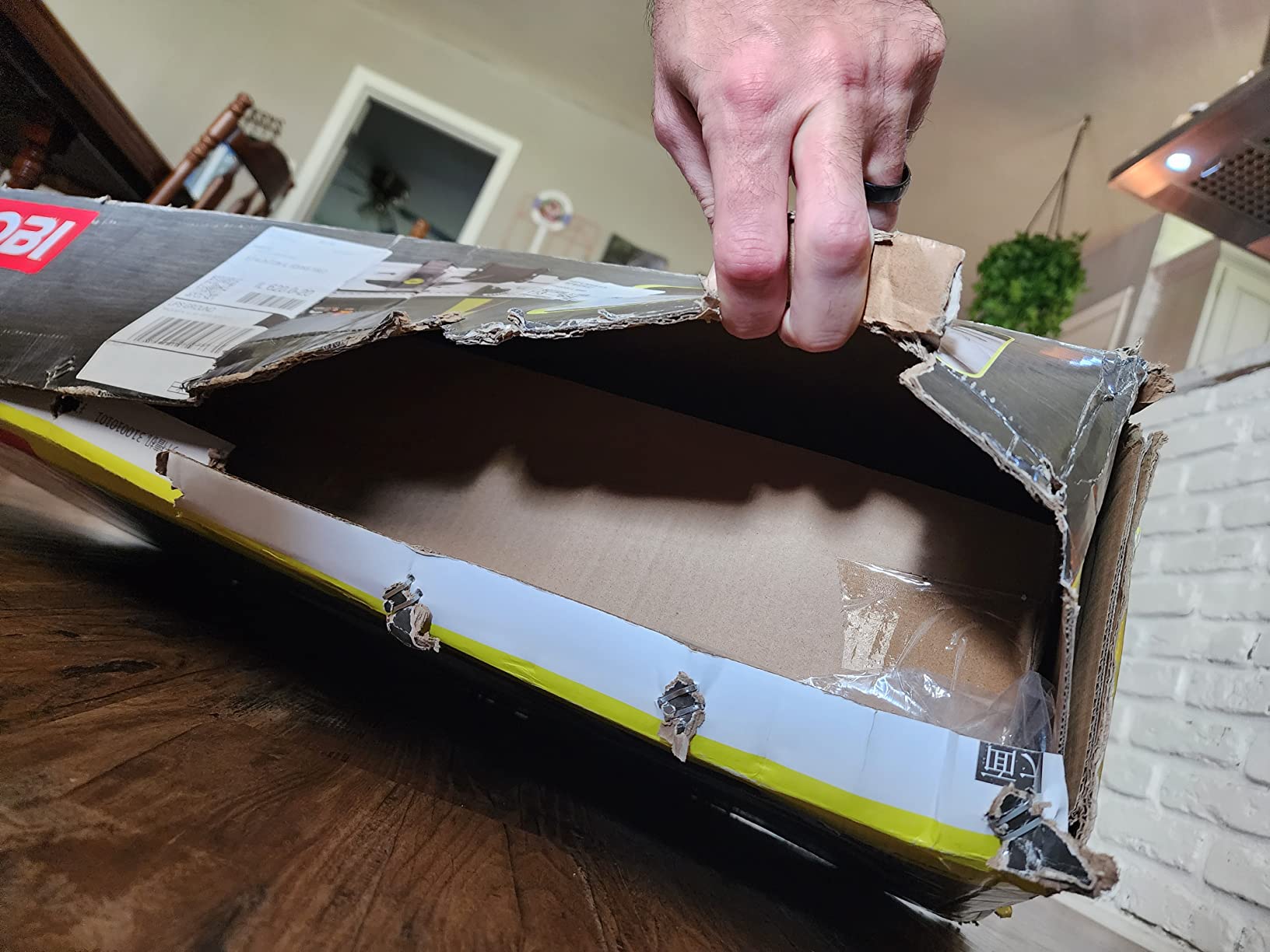
It is also a strong fit for older RYOBI fixed base routers, which is a real advantage if your shop is already full of that brand’s tools. Assembly is straightforward, and the dual-outlet switch lets you plug in the router and a dust collector from one cord.
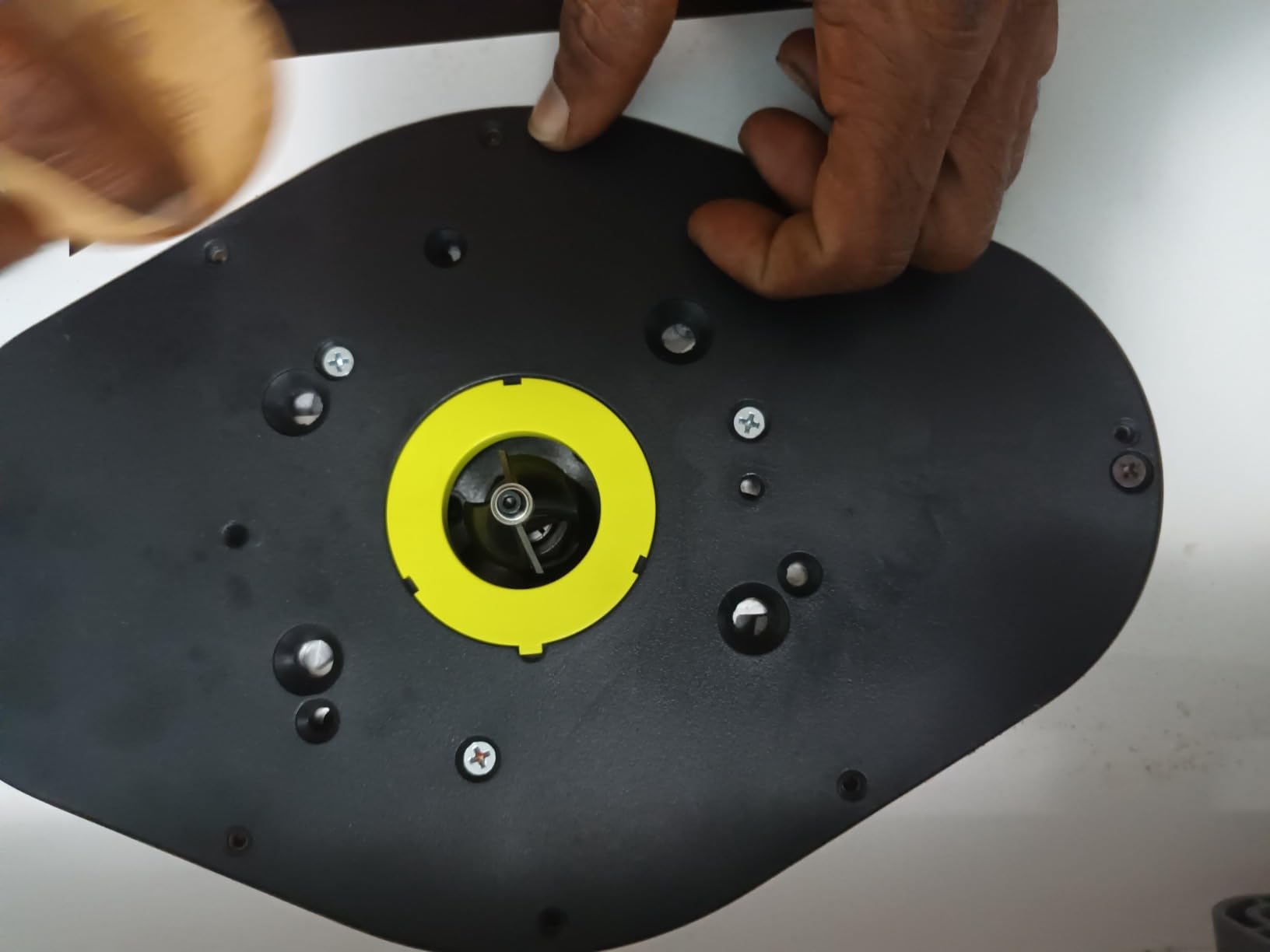
Now the caveat everyone should read before buying, and it is a big one. Despite the Universal name, the throat plate opening does not fit every router, including certain newer RYOBI One models and some WEN units. Reviews describe a recurring pattern of buyers ordering on the strength of the name and finding out afterwards that their router will not mount, so measure the throat plate opening against your router first.
What metal construction does for your cuts
MDF absorbs vibration. A metal table does not deflect the same way under a spinning bit, and the practical result is a cleaner cut line on hardwood and a shallower, more consistent cut depth across the width of a board. If you are working in maple or walnut rather than pine, you will feel the difference on the first afternoon.
The metal frame also survives being moved. Benchtop tables in this class get dragged between the garage and the basement more often than anyone admits, and plastic legs crack at the threads long before the top goes.
What to check before you order
Measure your router’s throat plate against the table’s plate opening and confirm your router is on the compatible list before anything else. The fence halves do not always align precisely, and one section can pivot under load, so check squareness on a regular basis. The slide guide is slightly wider than a standard 3/4 inch slot, so table saw featherboards will not fit, and the switch cord is short, which makes extension use awkward.
The fence uses a single centre lock rather than a lock on each side, so you cannot independently lock one half. If you need to work from a fixed face on one side only, that is fine. If you want both halves independently adjustable, keep looking.
7. Bench Dog 40-120 Cast Iron Top with 28 in. ProFence – Best Cast Iron
Rockler Router Table w/ 28” ProFence and Plate, Cast Iron Top (40-120)
Cast iron top for a table saw wing
28 inch ProFence
Dual fence slots
Adjustable miter track
Pros
- Cast iron stays flat and damps vibration better than MDF or aluminum
- Mounts on an existing table saw and saves floor space
- 28 inch ProFence works from either side of the table
- Adjustable miter gauge track
- Limited lifetime warranty
Cons
- Requires a compatible table saw and mounting hardware
- Listed part is top and fence so the insert plate is separate
- About 60 pounds so it is awkward to move
- Lift compatibility depends on hole patterns
Cast iron is the material you buy when depth consistency across a wide cut is the whole point. It stays flat, it damps vibration, and it will still be flat in fifteen years. Owners with a table saw describe the Bench Dog top as the most enthusiast-oriented option in the category, and the improvement over an MDF wing is not subtle.
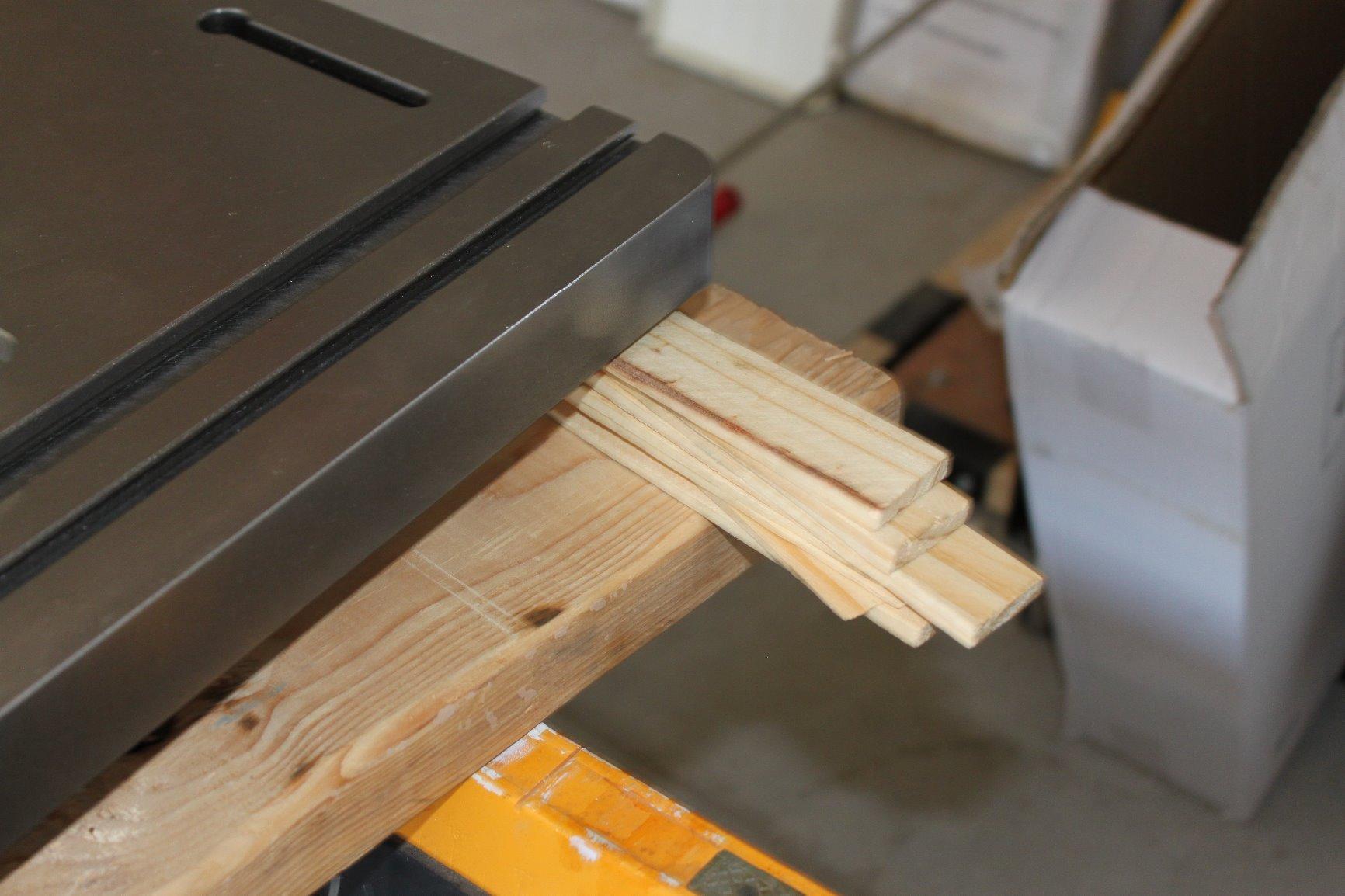
The format is clever. This is a top that mounts on a table saw in place of the extension wing, using the saw as its base, so you get a second serious cutting surface without giving up a dedicated table. The dual fence slot configuration lets the fence be positioned to work from either side of the table, and the third miter slot lets you use a crosscut sled on the same saw.
The 28 inch ProFence is substantial rather than decorative, and the miter gauge track adjusts for a no-slip fit. It is compatible with router lift systems, and a limited lifetime warranty is a real signal in a category where most tables carry one year.
The honest limit is the format. It requires a compatible table saw with a suitable extension wing and the right mounting hardware, and the listed part number 40-102 is a table top and fence assembly, so the insert plate is a separate purchase. At roughly 60 pounds it is the heaviest item in this roundup and awkward to reposition on its own.
Why a saw-mounted cast iron top saves shop space
Every router table has a footprint problem. A dedicated table takes a permanent square of floor, and in a small garage that square is expensive. Mounting the router top on your table saw means the saw does double duty as the base, so the only new space is the top itself. If you already have a saw, this is the cheapest way to add a flat cast iron routing surface to a small shop.
Cast iron also solves vibration better than aluminium tops. Mass absorbs the harmonic that a lighter plate rings at, and a quieter table means a cut line you can actually see. On hardwood profiles with a sharp bit, that difference is visible in the arris.
When this format is wrong for you
If you do not own a table saw, or your saw does not have a compatible extension wing, this product is unusable. That is a hard prerequisite, not a preference. Working from both sides is genuinely useful, but it also means the fence is never where you expect it, so plan your fixture layout before you commit.
The insert plate and the lift are separate purchases, and not every lift fits without checking mounting hole patterns. Add that to your budget, and remember that moving this thing needs two people or a dolly.
8. JessEm Mast-R-Top 24 x 32 in. Phenolic Top – Flattest Top
JessEm Mast-R-Top 24″ x 32″ Phenolic Router Table Top, JessEm# 03006
3/4 in. phenolic slab
32 x 24 in. surface
Rabbeted lift opening
Aluminum track with T-slot
Pros
- Phenolic does not warp sag swell or corrode
- Held flat to within a few thousandths of an inch
- 32 x 24 in. surface fits panels and drawer fronts
- Rabbeted opening accepts most standard plates and lifts
- Track has both a 1/4 inch T-slot and a 3/4 inch miter slot
Cons
- Underside holes arrive unthreaded and need hand tapping
- No machined fence alignment slots so squareness must be shimmed
- Top only so fence lift stand and router are separate
- Kreg format lifts fit the opening but not the bolt pattern
This has the highest average rating in the entire roundup, and the reason is the material. Three-quarter inch phenolic does not warp, sag, swell or corrode, and reviewers report it staying flat to within a few thousandths of an inch with no sagging over time. If flatness is the requirement, there is nothing in this list that beats it.
The 32 by 24 inch surface is large enough for raised panel work and drawer fronts, which is where MDF tables start to struggle with support. The rabbeted 9-1/4 by 11-3/4 inch opening is cut to accept most standard router plates and lift systems, and the extruded aluminium track provides both a 1/4 inch T-slot and a standard 3/4 inch miter slot for accessories.
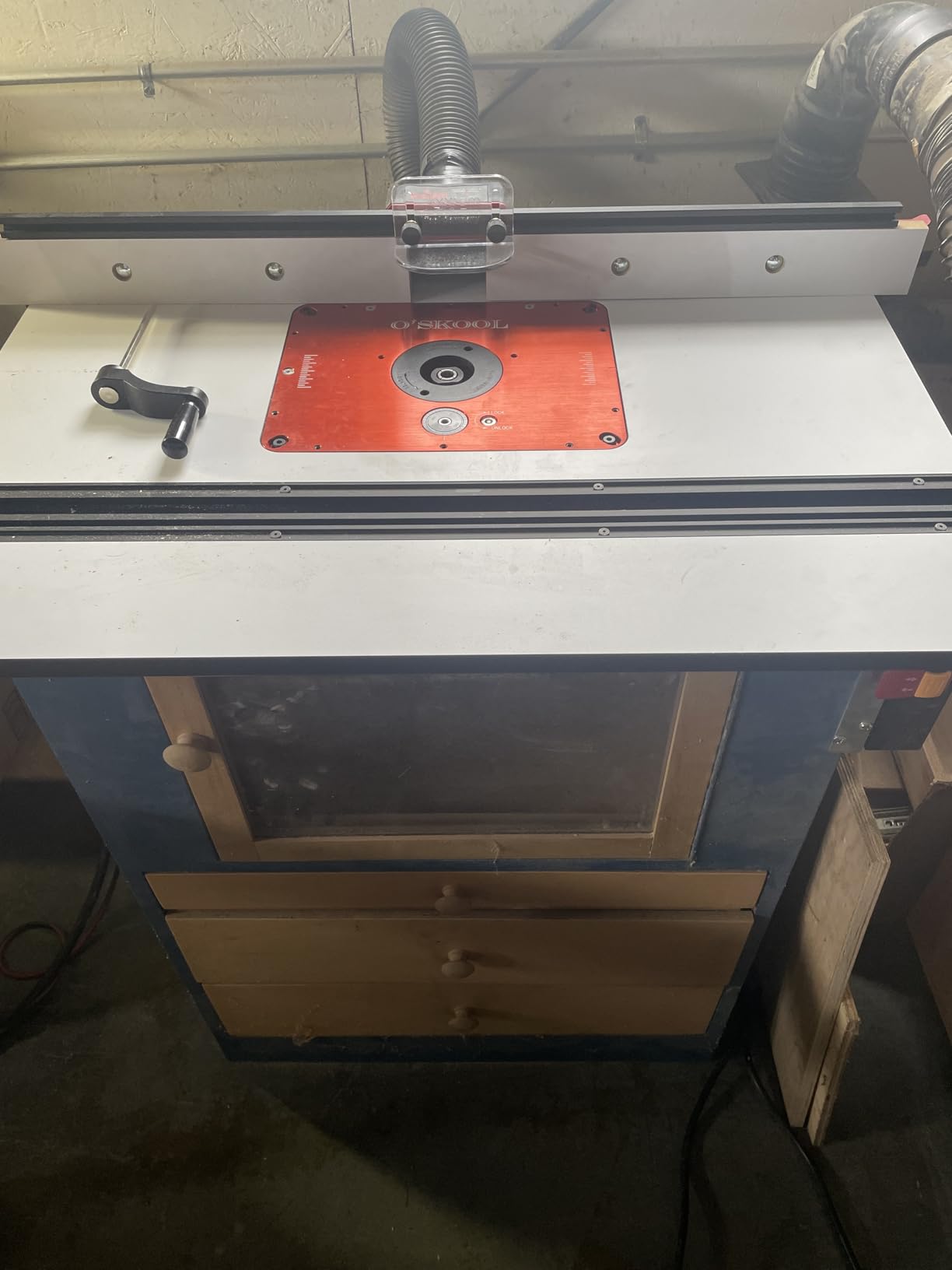
Forum builders treat a self-built cabinet with a purchased top as a legitimate approach rather than a compromise, and this is the top they most often pair with one. The underside is pre-drilled for JessEm router table fences and the JessEm steel stand, which removes the single hardest part of mounting a top to a cabinet you built yourself.
Three caveats, and the first one catches people. The pre-drilled underside holes arrive unthreaded, so a custom cabinet or a non-JessEm fence means hand-tapping holes. There are no machined guide slots for fence alignment in the top, so fence squareness has to be verified and shimmed. And it is a top only, so the fence, lift, stand, guides and router are all separate purchases.
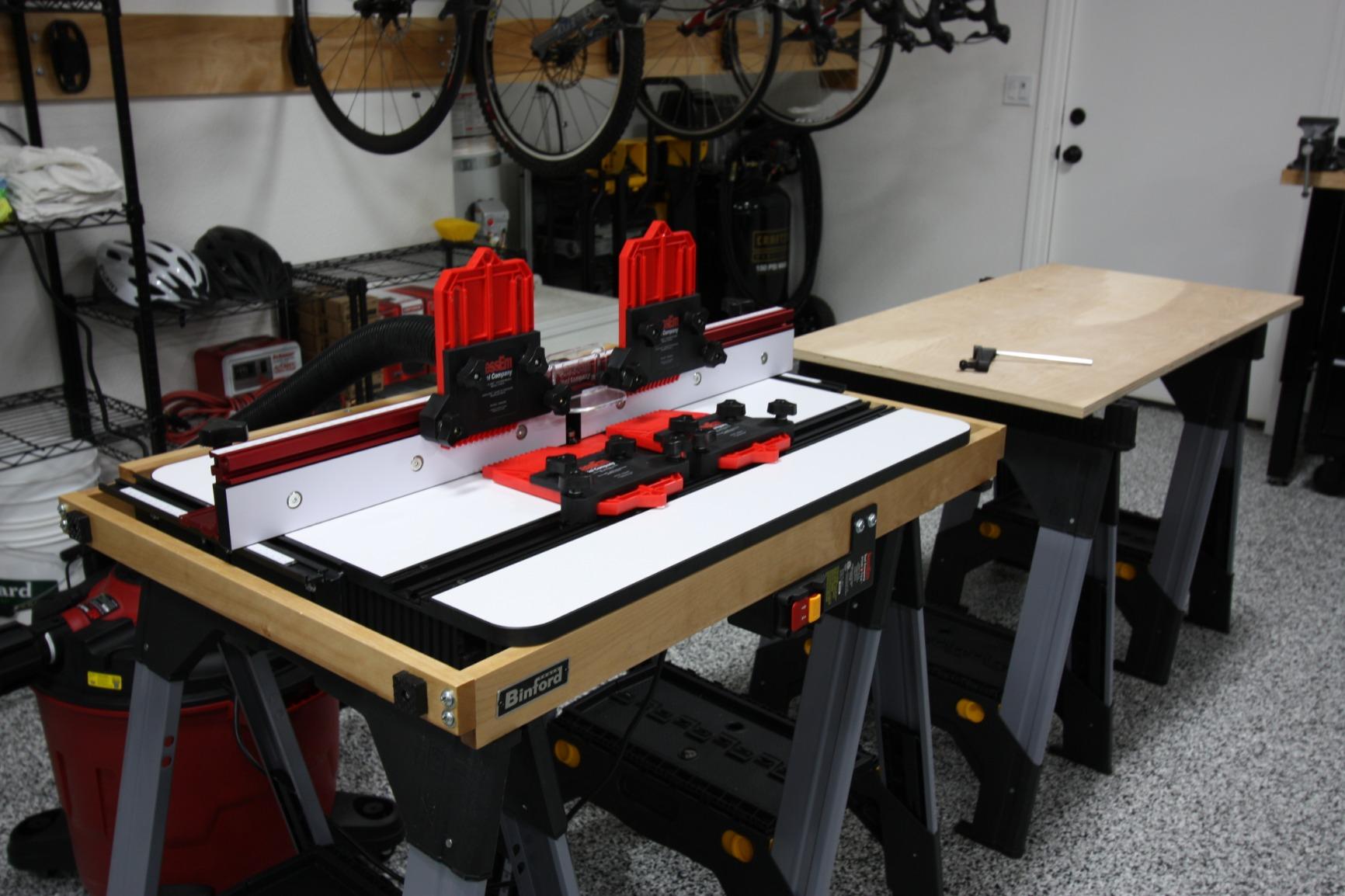
Phenolic versus cast iron: which flat surface do you need
Cast iron is heavier and slightly better at damping high-frequency vibration, and it is the only sensible choice if you already own a table saw to mount on. Phenolic is the smarter choice for a home shop that is building a cabinet, because it will not rust in an unheated garage, it will not swell in a damp basement, and it is light enough for one person to carry at 26 pounds.
The dimensional stability is what shows up in the work. On a panel or a drawer front, a top that stays flat means a constant bite depth along the entire length, so the profile does not fade out at the end where the panel was cantilevered past the edge of a smaller table.
What to budget around and how to mount it
Plan on a JessEm fence and stand to get the intended fit, and expect a hand tap and a drill for any cabinet you build yourself. Budget the fence, the lift, the stand and the router as four separate line items; the top alone gets you a beautiful surface and nothing else. Check your lift’s bolt pattern carefully, since Kreg-format lifts physically fit the opening but their securing bolt pattern does not match.
Once it is mounted, verify fence squareness with a straightedge and a square on a known flat reference, and shim the fence until it is dead straight. That one afternoon of setup buys you the flattest surface in this roundup for the life of the shop.
9. Kreg PRS1200 Precision Beaded Face-Frame System – Best for Face Frames
Kreg PRS1200 Router Table System, Precision Beaded Face-Frame, Steel Base
Steel base with plate
Repeatable table stop
Quick clamp with control arm
Face-frame focused
Pros
- Complete system so setup is repeatable
- Beaded face-frame design speeds cabinet work
- Included stop gives repeatable positions without measuring
- Clamp adjusts quickly to changing material thickness
- Rigid steel base
Cons
- Specialist tool rather than a general router table
- Works best inside a compatible Kreg setup
- Higher tier than general purpose benchtop tables
- Smallest review base in the roundup
Be honest about what this is. It is not a general-purpose router table that happens to route well. It is a purpose-built system for beaded face-frame and cabinet work, and if that is your project it will be dramatically faster than a generic benchtop table because the whole thing is arranged around repeatable stop positions.
The included router table stop is the heart of it. Rather than measuring from scratch for every cut, you set the stop once and every subsequent piece is identical, which is exactly the behaviour you want when you are cutting frames for a run of cabinet doors.
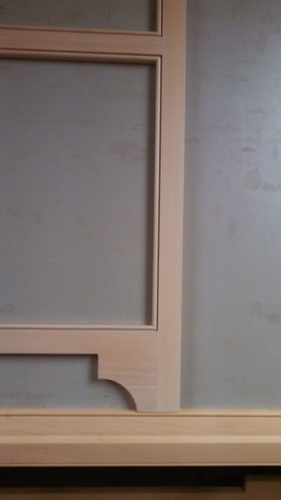
The clamp adjusts quickly to changing material thickness and the control arm gives smooth handling as the workpiece moves, which matters when you are feeding a long rail past a bit at a consistent pace. The steel base is rigid, and the dedicated insert plate means the router and plate are designed to work together rather than merely fit.
The limitations follow directly from the specialisation. It is a specialist tool, it works best inside a compatible Kreg setup, and it sits at a higher tier than general-purpose benchtop tables. It also has the smallest review base in this roundup at 57 ratings, so independent feedback is thinner than anything else here.
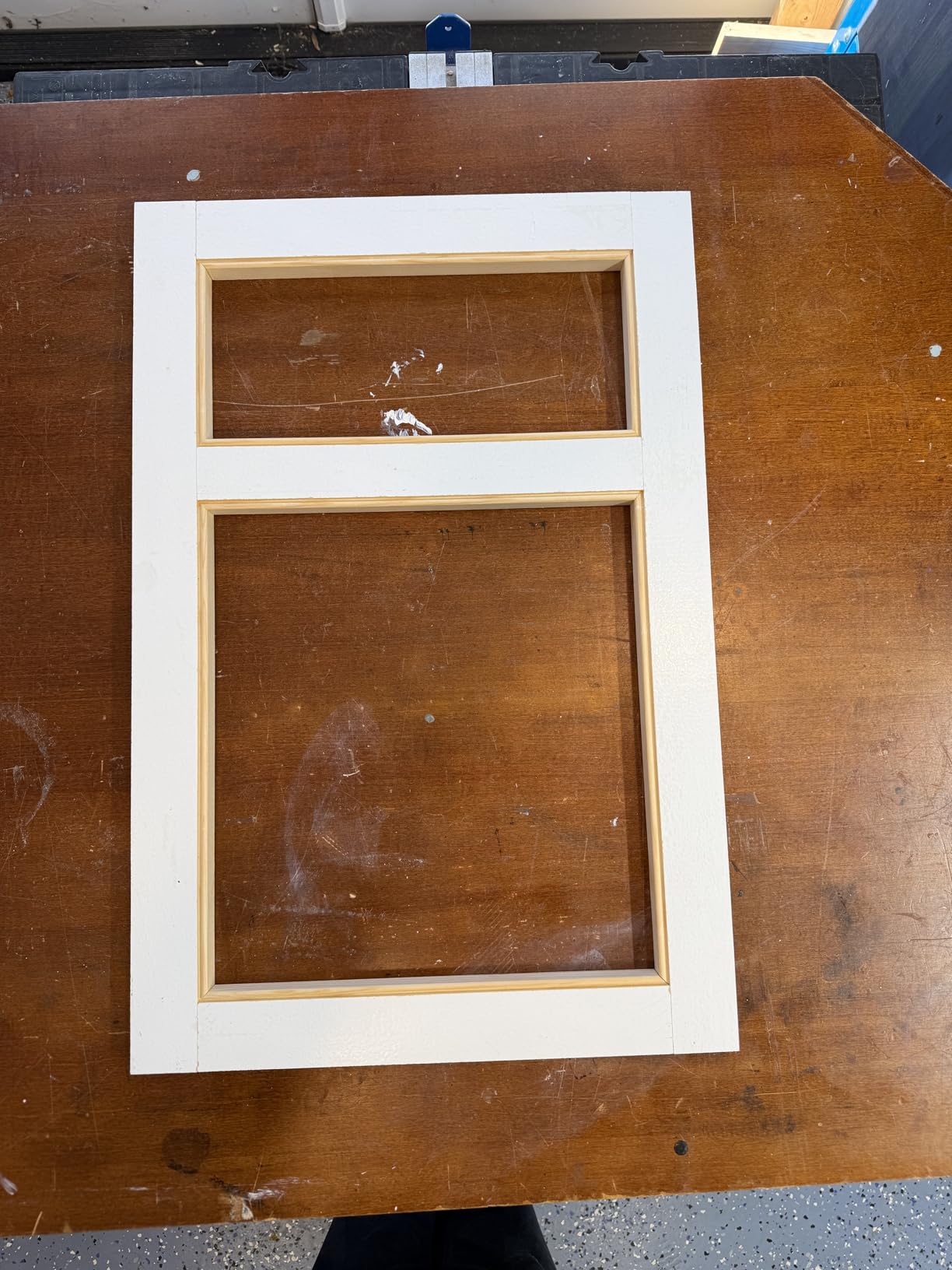
When a face-frame system pays for itself
It pays when you are cutting the same profile many times. The stop converts a measuring operation into a positioning operation, so the cost per part drops after the first two or three pieces. On a single door frame, a general benchtop table with a good fence is the better buy by a wide margin. On twenty frames, this is the tool that stops consuming your evening.
The control arm and quick clamp are the quiet productivity features. Handling long material smoothly reduces the chance of a sudden push at the end of the cut, which is the fastest way to chip a profiled edge.
Why most home shops should skip it
If your routing is a mix of everything, general profiling and joinery, you will be leaving most of this system’s capability unused and still needing a general table. The review base is also the smallest in the group, so you have less independent evidence to lean on than with any other pick here.
Buy it when face-frame and cabinet production is the majority of what you plan to route, and you are already working in the Kreg system. Otherwise the best router table for a home shop doing varied work is one of the general-purpose tops earlier in this list.
10. SawStop RT-TGP 27 in. In-Line Cast Iron Router Table – Best for SawStop Owners
SawStop RT-TGP Assembly: TGP2 27″ In-Line Router Table
Machined 27 inch cast iron top
27 inch fence
Power switch and legs included
Ten leveling screws
Pros
- Cast iron machined flat to a few thousandths with no burrs
- Installs into a SawStop PCS 27 inch cabinet saw and frees a table
- Sturdy extruded aluminum fence with adjustable faces
- Ten underside screws make lift leveling straightforward
- Support legs and power switch included
Cons
- Needs a bridging insert that is not included
- Saws made before January 2018 need modified or replacement rails
- Router lift hole pattern is not standard
- Fence mounts only facing the end of the table
- Only about 8-1/8 inches of support past the bit center
- No featherboards included
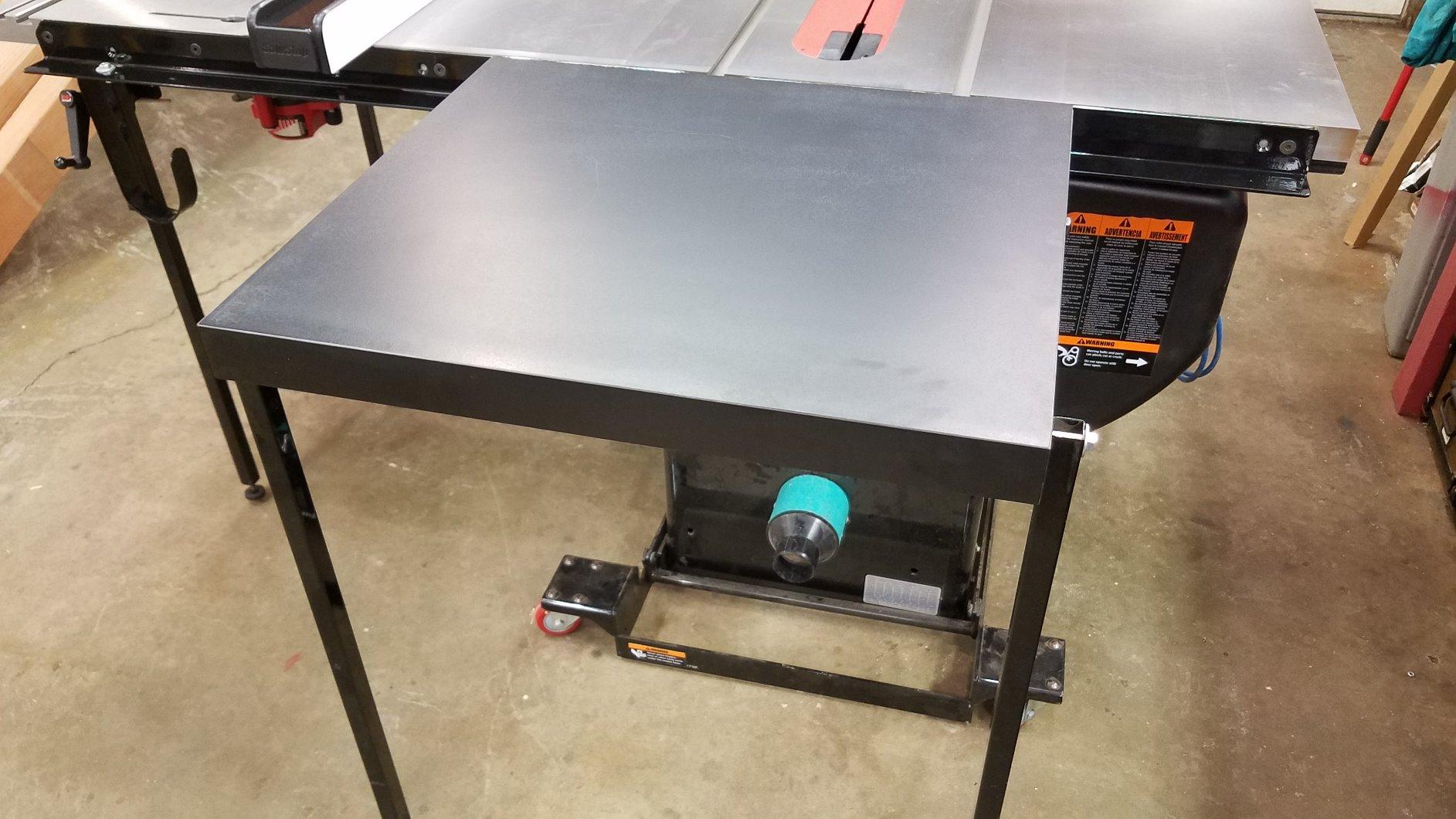
This is the most specialised pick here and also the best flatness-per-square-inch if you own the right saw. The cast iron table is machined flat to a few thousandths of an inch with no burrs and excellent casting quality, and it installs directly into a SawStop PCS 27 inch Professional Cabinet Saw in place of the standalone table. Owners routinely describe converting a standalone table into an in-line one as the moment their shop finally made sense.
The fence is a sturdy extruded aluminium assembly with independently adjustable particle board faces and two jointing shims, giving up to 5-1/2 inches of fence travel, which is the most generous travel in this roundup. Ten adjustment screws thread up from below to level the router lift, and the support legs and power switch are included in the assembly rather than sold separately.
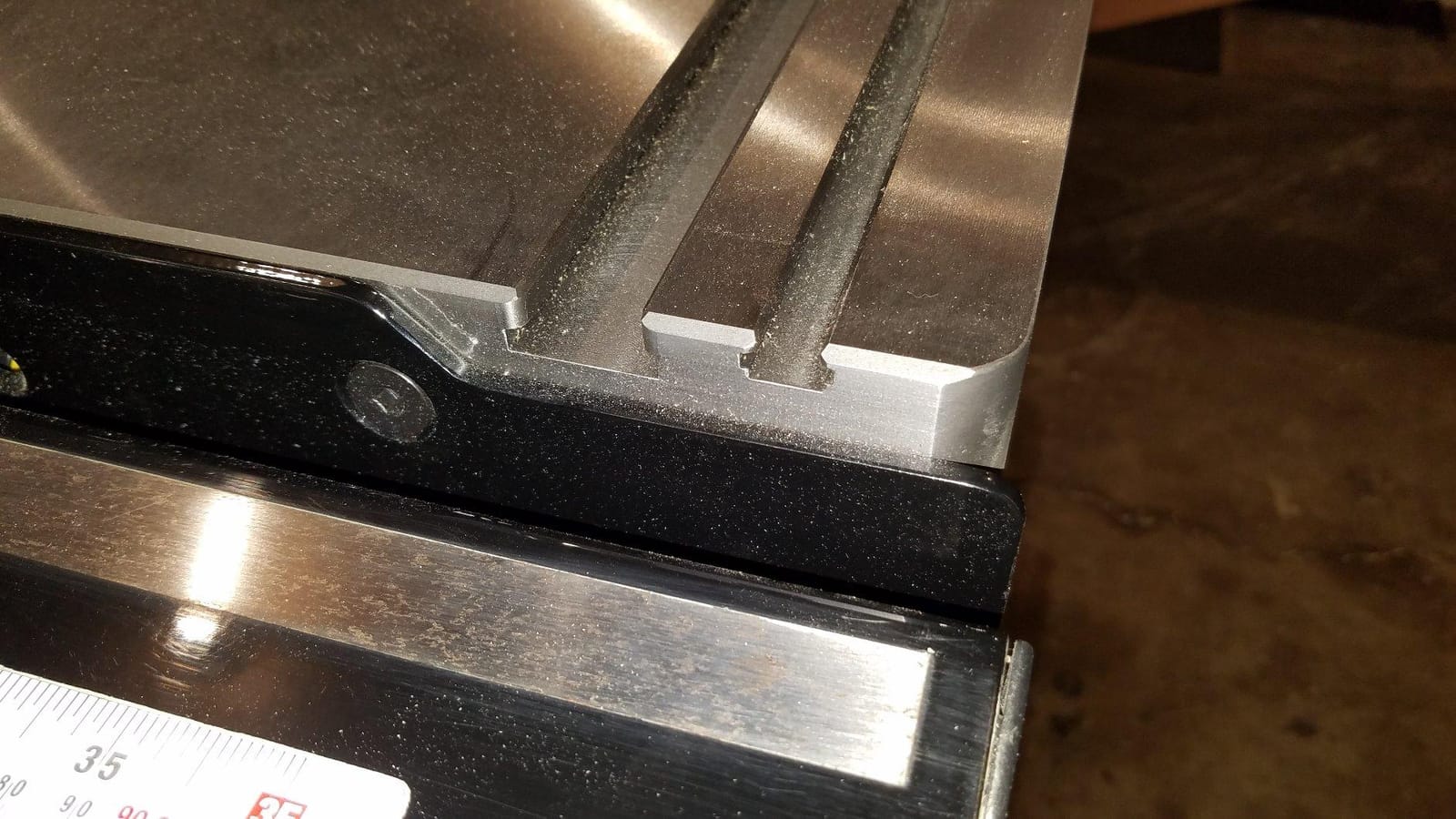
Packaging and illustrated instructions get called out as a genuine strength by buyers, and the two year limited manufacturer warranty is the longest stated warranty among the complete systems here. If you already own a SawStop PCS, this is the way to get a serious cast iron routing surface without giving up a floor footprint.
There are real prerequisites. You need an additional cast iron or wood insert to bridge the gap to the saw’s existing wing, and it is not included. SawStop saws manufactured before January 2018 need modified or replacement rails. The router lift hole pattern is not standard, so some lifts need corner modification to fit.
What in-line installation actually saves you
The saving is floor space, and for a lot of home shops that is the deciding factor. A standalone router table in a two-car garage is a piece of floor you cannot use for anything else, and an in-line table converts a table you already own into two machines. The 27 by 16 inch cast iron table also gives you a real miter slot and a substantial surface for panel work.
Featherboards are not included, and for anyone running profiles without a fence the dual-outlet switch and the leg set are what you build that safety setup around. Budget for a pair of your own before you start production work.
What to check on your saw before ordering
Confirm your saw is a PCS 27 inch model and check the manufacture date, because pre-2018 saws need different rails. Confirm the bridging insert, since it is not in the box. And measure your lift, because the hole pattern here is not standard and corner modification is common.
The fence mounts facing the end of the table, which limits usable surface on the fence side, and support past the bit center is only about 8-1/8 inches. That is fine for ordinary material and tight for raised panels or wide boards, so match this table to the size of parts you actually cut rather than the size you aspire to cut.
Router Table Buying Guide for Home Shops
Most regret in this category comes from buying a table before answering four questions. Does my router physically bolt to this plate, will I need a lift, how big is my shop, and where does the dust go. Answer those and the model choice is easy. Skip them and you will be the buyer whose router does not fit, writing a post about it on a forum.
How big should a home-shop router table be?
For most home shops, 24 to 30 inches of fence width and a 26 by 16 inch or larger top is the sweet spot. The fence width is the number that matters, because it sets the widest workpiece you can support on both sides of the bit. Below 24 inches you are constantly fighting tip-out on tall stock; above 30 inches you are paying for capacity you will not use and borrowing bench space to hold it.
Depth follows the same logic in reverse. A 16 inch deep top is enough for most profiling and dado work, while 24 inches of depth becomes worth it when you route full panel doors flat. For a single-car garage, look for a table that clamps to a bench or mounts on a table saw rather than one that needs permanent floor space. Fitting a large dedicated machine into limited floor space is the same puzzle we ran into with our best dog agility sets for home, where the width of the doorway mattered more than the size of the equipment. If you are furnishing a small workroom rather than a shop, our best dog playpens for home guide covers the same space-planning ground for a different kind of room.
Cast iron vs aluminum vs MDF vs phenolic: which top?
Cast iron is the flattest and best at damping vibration, and it is heavy enough to be a permanent install. It wins for a table saw mount or a shop with a real machine corner. MDF is the cheapest and the most comfortable to move, and it is entirely adequate for small parts and light use, provided your shop stays dry. Aluminium sits in the middle and is the easiest benchtop material to live with. Phenolic is the sleeper option for a home shop, because it is dimensionally stable, resists moisture entirely and stays flat for decades without the weight of cast iron.
The honest decision rule: buy MDF if you route occasionally and move your table. Buy aluminium if you want a benchtop that handles a full-size door front and will not worry you. Buy phenolic if you are building a cabinet and want long-term stability without a cast iron load. Buy cast iron if you already own a table saw or want the flattest surface possible and never intend to move it.
Fence quality and why infeed and outfeed faces matter
The fence is the reference surface, so its straightness is your accuracy. A self-squaring fence system keeps both halves aligned to the table, and a micro-adjust lets you dial the fence in by a few thousandths instead of re-clamping and re-checking. Split fences with independently adjustable faces are worth paying for when you joint board material, because you can shift one face out to match a slightly bowed edge.
Tall fences give you more bearing surface on tall workpieces and reduce tipping. Featherboards matter on the outfeed side, where they support the workpiece after the bit and cut down on kickback. Fence dust ports matter more than most buyers expect, because a fence without one throws chips across the whole bench.
Insert plate, router lift and router compatibility
An insert plate is a removable plate in the tabletop with a hole sized to your router, usually supplied with reducing rings so you can close the gap for a smaller router. A mounting plate sits below the table and holds the router, often with adjustment so you can set bit height. Most modern tables use both, and a plate drilled for one router family will not accept a plunge base or trim router from another brand without modification.
Before you buy anything, measure the diameter of your router’s base plate, the spacing of its mounting holes, and the throat plate opening on the table. Those three numbers decide compatibility. A router lift is a separate purchase: it is a mechanism that raises the whole router through the plate from above, which gives you an above-table bit change and a fast coarse depth adjustment. It is the single biggest quality-of-life upgrade in this category, and forum owners without one consistently envy owners who have one.
How to set a router table fence
Set the fence before you cut anything, and check it every time you move the table. First, level the insert plate with a straightedge across the opening so the bit is perpendicular to the top. Second, set your desired bit height and lock the lift or depth collar, then confirm the height at the front and rear fence line. Third, square the fence to the table with a machinist square against the plate opening or the miter slot rather than against the table edge, which is rarely square. Fourth, check the two fence halves are parallel to each other and to the miter gauge slot, and shim if needed. Fifth, run a test cut on scrap, measure the profile with calipers, and adjust the fence by a hair rather than the router height. Finally, recheck the fence squareness with a straightedge on the workpiece surface, and re-shim after any plate or fence move.
Dust collection at the fence and under the table
Dust comes from two places and you need to handle both. A fence-mounted port with a 2-1/2 inch connection catches chips at the moment they are cut, and it is the single most useful feature for shop cleanliness. An under-table enclosure or box catches what falls straight down. Tables with neither leave you vacuuming twice and still finding chips in the drawer next to the table.
Match a collector to the work, not to the marketing. A fence port wants a hose that will not collapse when the chips arrive, so a rigid or semi-rigid section near the port matters. If you run a central system, check the CFM figure for the router table branch specifically rather than the headline figure on the machine, because that number is often a fraction of it. And remember that no collection is a substitute for a bit guard and a featherboard on the outfeed side.
Bosch vs Kreg: which router table is better?
Bosch or Kreg depends on what you already own. Bosch wins on top material and rigidity: the RA1181 has a cast aluminium top that stays flat and a tall fence with adjustable faceplates, and it carries by far the largest review base in this category, which means support and replacement parts are easy to find. Kreg wins on system thinking: the PRS2100 gives you a wider 30 inch benchtop with a low-friction surface and Level-Loc rings, and the PRS1200 is a genuine production system for beaded face-frame work that a Bosch benchtop cannot match.
For a general home shop doing varied work, we would take the Bosch for its top. For a shop doing cabinet production in a Kreg workflow, the Kreg system is faster. If you want the Kreg surface without the system, the phenolic option later in this guide is the one to look at.
The real setup cost: table plus lift plus router plus dust collection
Here is the part almost every roundup ignores. The table is one line in a four-line purchase. You also need a router, a lift, and a dust collector, and a first-time buyer who budgets for the table alone is disappointed when the setup is not complete. Shoppers in the forums consistently quote a figure in the several-hundred range for a realistic all-in budget for a built-in setup with a router and a lift, and that is a fair expectation to plan around.
Two paths change the arithmetic. A kit like the SKIL RT1323-01 bundles the table and a matched router, so two lines collapse into one and the compatibility question disappears. A top-only purchase, like the phenolic option, moves the base cabinet onto your own project list, which is a lot of work in exchange for a better surface and a cheaper entry point.
When a router table is the wrong machine
Say this plainly, because it is the top objection in every router table thread. If you are cutting profiles wider than your fence travel, or working on material so large that a router table would tip, a wood shaper is the correct machine. A shaper handles wide material, heavy shaping cuts, and large production runs in a way a router table structurally cannot. Heavy cabinet-door and raised-panel production is the classic threshold where a router table stops being enough.
A router table is also the wrong answer if your routing is a few trim cuts a year. In that case a 3 by 3 trim router jig and a scrap top clamped to a bench does the job, and that pragmatic setup is what most beginners actually need. And if you already own a plunge base, check whether you need a full table at all before buying one.
How to check a new, used or self-built table
Put a straightedge across the top in several places, including diagonally, and check it with feelers or a light. A new MDF table should be flat within a few thousandths and stay that way. Then set the fence and check it against a machinist square, and confirm the insert plate is level by measuring from the plate to the surface at four points. Finally, run a test cut on scrap and measure the profile at the front, middle and rear of the cut. Depth that changes along the cut points at the top, and depth that changes across the cut points at the fence or the plate.
On a used table, check for sunken fasteners around the plate opening, crushed insert rings, fence wear on the face plates, and any router burn marks around the opening. On a self-built cabinet, the two things that cause most problems are a top that is not supported along its length and a fence that was not shimmed square, so support first and square second.
Frequently Asked Questions
Who makes the best router table?
For most home shops we would start with the Bosch RA1181, because its cast aluminium top stays flat, the fence is tall and square, and the pre-drilled plate accepts a wide range of routers. Shops building a cabinet from a purchased top should look at phenolic, which stays flat for decades without the weight of cast iron. Shops that already own a table saw should consider a cast iron wing mount instead of a standalone table.
Are router tables worth it?
Yes, if you cut edge profiles, dados, rabbets or joinery more than a few times a year. A router table removes chip blowback, keeps your hands away from the bit, and gives you a straight reference edge so a profile can be repeated across a batch of parts. If your routing is occasional trimming, a 3 by 3 trim router jig is enough and the table is unnecessary.
What is the best size router table for woodworkers?
Look for at least a 24 inch fence and a 26 by 16 inch top for general home-shop work. A 30 inch surface is worth it if you route full cabinet door fronts or drawer sides, since the extra support prevents the workpiece from tipping into the bit. Below 24 inches you will fight tip-out on tall stock, and above 30 inches you are paying for capacity you will not use.
What is the best router table for the money?
The SKIL RT1323-01 kit is the strongest value in this roundup because it bundles a matched 10 Amp fixed base router with a table designed to take it, so there is no insert plate compatibility guesswork and no second purchase to make. If you already own a router, the SKIL SRT1039 table gives you a 24 inch fence and above-table bit adjustment for less, and the clamp fits most major router brands.
What is the difference between a router table and a router lift?
A router table is the surface, fence and insert plate that turn a handheld router into a stationary tool. A router lift is a mechanism that raises the whole router through the plate from above, so you can change bits and set coarse depth without dropping the router out of the table. You can use a table without a lift, but above-table bit changes are the biggest quality of life upgrade in the category.
Can I use any router in a router table?
No. Insert plates are drilled around a specific mounting hole pattern, so check your router base diameter, hole spacing and the table’s throat plate opening before you buy. Reviews of the Ryobi Universal table are full of owners who found their router would not fit despite the name, and some lift patterns fit the opening but not the securing bolts, so measure all three numbers first.
Is a cast iron router table better than aluminum or MDF?
Cast iron is the flattest and damps vibration best, so it wins for a table saw mount or a permanent machine corner. It is heavy enough that moving it is a two-person job, which is why many small shops choose aluminium or phenolic instead. MDF is fine for small parts in a dry shop, and phenolic is the best compromise for a cabinet you build yourself because it is stable, moisture proof and light.
Do I need a router lift?
Only if you change bits often. A lift lets you swap bits from above the table in seconds and gives fast coarse depth adjustment, and owners without one consistently envy owners who have one. If you set up once per profile and cut a batch, you can manage with a plunge base or a keyed collar and save the money. If you move between bits constantly on small trim work, buy the lift.
The Verdict for Home Shop Router Tables in 2026
The Bosch RA1181 is the router table we would put in our own shop first, and it is the reason this roundup starts where it does. A cast aluminium top that does not move, a tall square fence, a pre-drilled plate that accepts the router you already own, and a dust port as standard. Budget for a rigid base instead of the light legs, and check the three inches of fence travel against your widest workpiece.
Pick the SKIL RT1323-01 kit if you are starting from nothing and want the compatibility question answered for you. Pick the POWERTEC 71402V if a steel stand and the best accessory bundle in the class matter more to you than a metal top. Pick the SKIL SRT1039 if you already own a router and route small parts. And if you already own a table saw or a SawStop cabinet saw, the cast iron wing-mount options may be the smarter use of the floor space you have left.
Before you order, measure your router’s base, hole spacing and throat plate, and remember that the table is one line in a four-line setup. Measure a straightedge across the top and a square against the fence once it is assembled, and the first cut you make will tell you whether you made the right choice.