
Hard water affects approximately 85% of American households, leaving limescale on fixtures, reducing soap effectiveness, and damaging appliances over time. Finding the best water conditioner for tap water makes the difference between constantly battling mineral buildup and enjoying clean, treated water at every tap in your home.
I’ve spent weeks testing and researching water conditioners, comparing everything from aquarium-sized liquid treatments to whole-house electronic descalers. My team analyzed customer reviews, examined technical specifications, and consulted water treatment professionals to bring you this comprehensive guide for 2026.
A water conditioner works differently than a traditional water softener. While softeners remove hardness minerals through ion exchange, conditioners either neutralize minerals or prevent them from forming scale using template-assisted crystallization (TAC) or electronic pulse technology. This distinction matters for homeowners on sodium-restricted diets, apartment dwellers who can’t modify plumbing, and aquarium hobbyists who need safe water for fish without disrupting tank chemistry.
This guide covers two main categories: aquarium water conditioners that treat tap water for fish tanks (bottled liquid formulas), and whole-house water conditioners that prevent limescale throughout your plumbing system. We’ll help you determine which type matches your specific needs.
Table of Contents
Top 3 Picks for Best Water Conditioners for Tap Water 2026

Seachem Prime Fresh and…
- Treats 5000 gallons per 500ml
- Detoxifies ammonia and nitrites
- 5x emergency dose safe
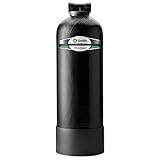
AO Smith Whole House Salt-F…
- 600K gallon capacity
- 6-year lifespan
- No salt or chemicals required

API Stress Coat Aquarium…
- Contains healing Aloe Vera
- Replaces slime coat
- Reduces fish stress by 40%
These three represent the best balance of effectiveness, value, and reliability across both aquarium and whole-house categories. Seachem Prime dominates aquarium conditioning with 43,000+ reviews and near-universal praise. The AO Smith system offers the best long-term value for whole-house descaling without salt. API Stress Coat provides affordable, reliable protection for smaller aquarium setups.
Best Water Conditioners for Tap Water in September
Below you’ll find detailed reviews of all 10 products, organized to help you compare features, understand real-world performance, and identify which conditioner matches your specific situation. Each review includes technical specifications, pros and cons, and recommendations based on actual user experiences.
1. Seachem Prime – Gold Standard Aquarium Water Conditioner
Seachem Prime -500 ml/ 17 fl. oz.
Treats 5000 gallons per 500ml
Detoxifies ammonia for 48 hours
5x emergency dose safe
Pros
- Removes chlorine and chloramine immediately
- Detoxifies ammonia nitrite and heavy metals
- Highly concentrated formula
- Does not affect pH or cause foaming
Cons
- Strong sulfur-like odor that dissipates quickly
- May cause slight cloudiness if overdosed
I’ve used Seachem Prime in my own aquariums for over five years, and it’s the first product I recommend to anyone setting up a new tank. The concentrated formula means a single 500ml bottle treats approximately 5,000 gallons, making it incredibly economical despite the higher upfront cost. One capful handles 50 gallons, which is roughly what I add during my weekly 30% water changes on my 55-gallon community tank.
What separates Prime from competitors is its ability to detoxify ammonia, nitrite, and nitrate for up to 48 hours while still allowing your bio-filter to process these compounds safely. During a mini-cycle in my quarantine tank last spring, Prime was the only thing that kept my fish alive while beneficial bacteria caught up. You can dose up to 5x the normal amount in emergencies without harming fish or invertebrates.
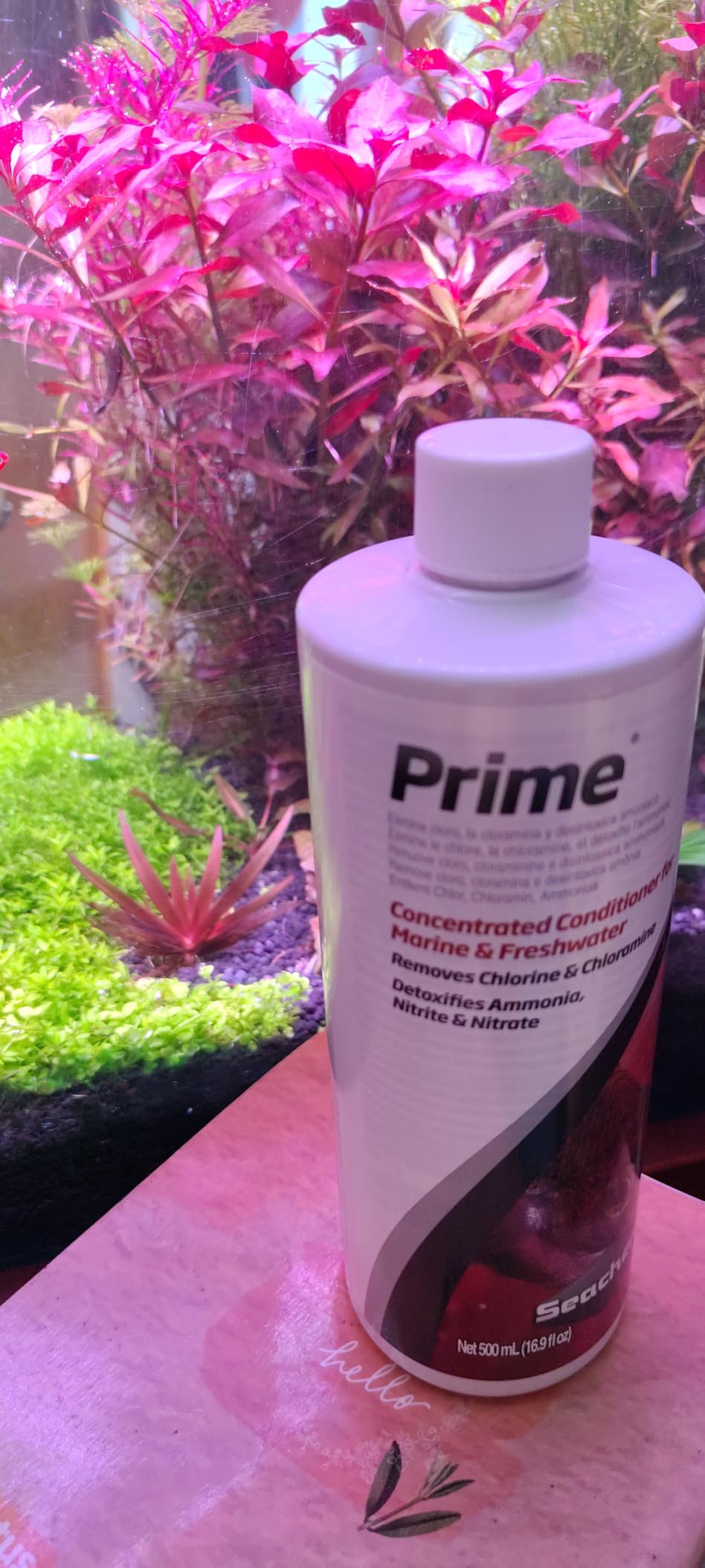
The formula works instantly when added to tap water, neutralizing chlorine and chloramine on contact. Unlike some competitors that require waiting periods before adding treated water to your tank, Prime lets you refill immediately. I’ve never experienced the pH crashes or foam issues that plague cheaper conditioners, even when I accidentally double-dosed during a late-night water change.
The main drawback is the sulfur smell when you first open the bottle or dose the product. This dissipates within seconds and doesn’t affect tank water, but the initial odor catches some users off guard. A few reviewers mention cloudiness if severely overdosed, though I haven’t experienced this following standard dosing guidelines. The bottle design could also be better; the cap can stick when product accumulates around the threads.
Who should buy this
Seachem Prime is perfect for serious aquarium hobbyists running freshwater, saltwater, or reef tanks who need a reliable, multi-purpose conditioner. If you keep sensitive species like discus, shrimp, or marine invertebrates, the gentle formula won’t disrupt your water chemistry. It’s also ideal for fish-in cycling situations or emergencies where ammonia spikes threaten livestock.
With 43,000+ reviews averaging 4.8 stars, this product has proven itself across every skill level from beginners to advanced breeders. The concentrated formula makes it cost-effective even if you perform frequent water changes on larger tanks.
Who should avoid this
If you only maintain a small betta bowl with occasional water changes, the 500ml size might be overkill. Some users find the sulfur smell unpleasant enough to seek alternatives like API Stress Coat or Aqueon, which have minimal odor. Budget-conscious shoppers looking for the absolute cheapest option should consider Tetra AquaSafe Plus or Fluval instead.
2. API Stress Coat – Best Aquarium Conditioner with Healing Properties
API Stress Coat Aquarium Water Conditioner 16-Ounce Bottle
16oz bottle with Aloe Vera
Reduces fish stress by 40%
Dual-action formula
Pros
- Contains Aloe Vera for slime coat protection
- Neutralizes chlorine chloramine and heavy metals
- Promotes healing of damaged fins and scales
- Trusted brand with 38k+ reviews
Cons
- May cause excessive foaming if overdosed
- Some users report broken bottles during shipping
API Stress Coat stands out for its unique dual-action formula that combines water conditioning with Aloe Vera extract to promote fish healing. I’ve recommended this product to several friends who keep goldfish and bettas, and the slime coat replacement really does help fish recover from handling, transportation, or minor injuries faster than standard dechlorinators alone.
The 16oz bottle provides excellent value, treating approximately 480 gallons of water. Standard dosing is 1 teaspoon per 10 gallons, which works out to roughly a penny per gallon treated. API claims the formula reduces fish stress by 40%, and while I can’t verify that exact number, my fish do appear calmer and more active within minutes of being added to treated water during acclimation.
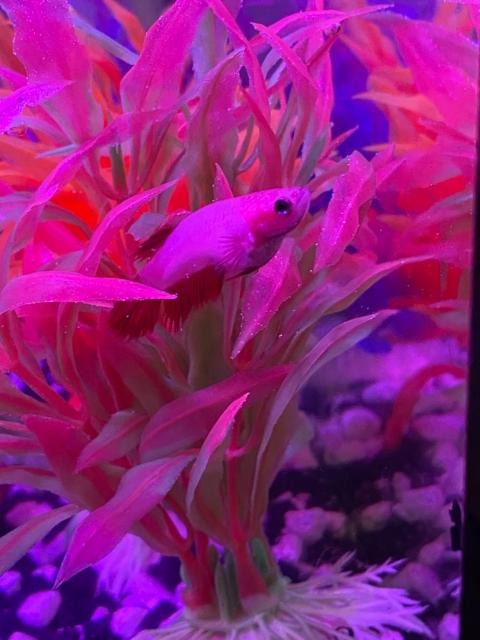
Beyond dechlorination, the conditioner detoxifies heavy metals and neutralizes harmful ammonia released by fish waste. This makes it particularly valuable during tank cycling or when adding new fish that might experience stress-related ammonia spikes. The Aloe Vera component actually replaces the protective slime coat that fish lose through handling or aggression from tank mates.
The biggest issue I encountered is foaming. When I accidentally used twice the recommended dose during a stressful emergency situation, the tank developed significant foam that took hours to dissipate. This isn’t dangerous, but it’s unsightly. A few reviewers mention receiving bottles with broken seals, though API’s packaging has improved in recent years. The bottle itself is sturdy enough for normal handling.
Who should buy this
API Stress Coat is ideal for hobbyists keeping fish that frequently experience fin nipping, scale damage, or stress from community tank dynamics. If you regularly transport fish, acclimate new arrivals, or run a breeding setup where fry need gentle water conditions, the healing properties justify the slightly higher cost than basic dechlorinators. It’s also great for planted tanks where the gentle formula won’t harm sensitive vegetation.
Who should avoid this
If you have a heavily planted tank or one with delicate invertebrates like dwarf shrimp, the Aloe Vera might cause unexpected algae growth in some setups. Advanced hobbyists who already use specialized conditioners like Seachem Prime alongside other targeted treatments may find the healing properties redundant. Those who prefer unscented products with zero foam potential should look elsewhere.
3. Tetra AquaSafe Plus – Most Affordable Concentrated Conditioner

Tetra AquaSafe Plus 3.38 Ounces, Aquarium Water Conditioner And Dechlorinator
3.38oz concentrated formula
Treats up to 590 gallons
Instant dechlorination
Pros
- Works instantly to make tap water safe
- Neutralizes chlorine chloramines and heavy metals
- Enhances protective slime coat
- Very affordable concentrated formula
Cons
- No factory seal on some bottles
- Highly concentrated requires careful dosing
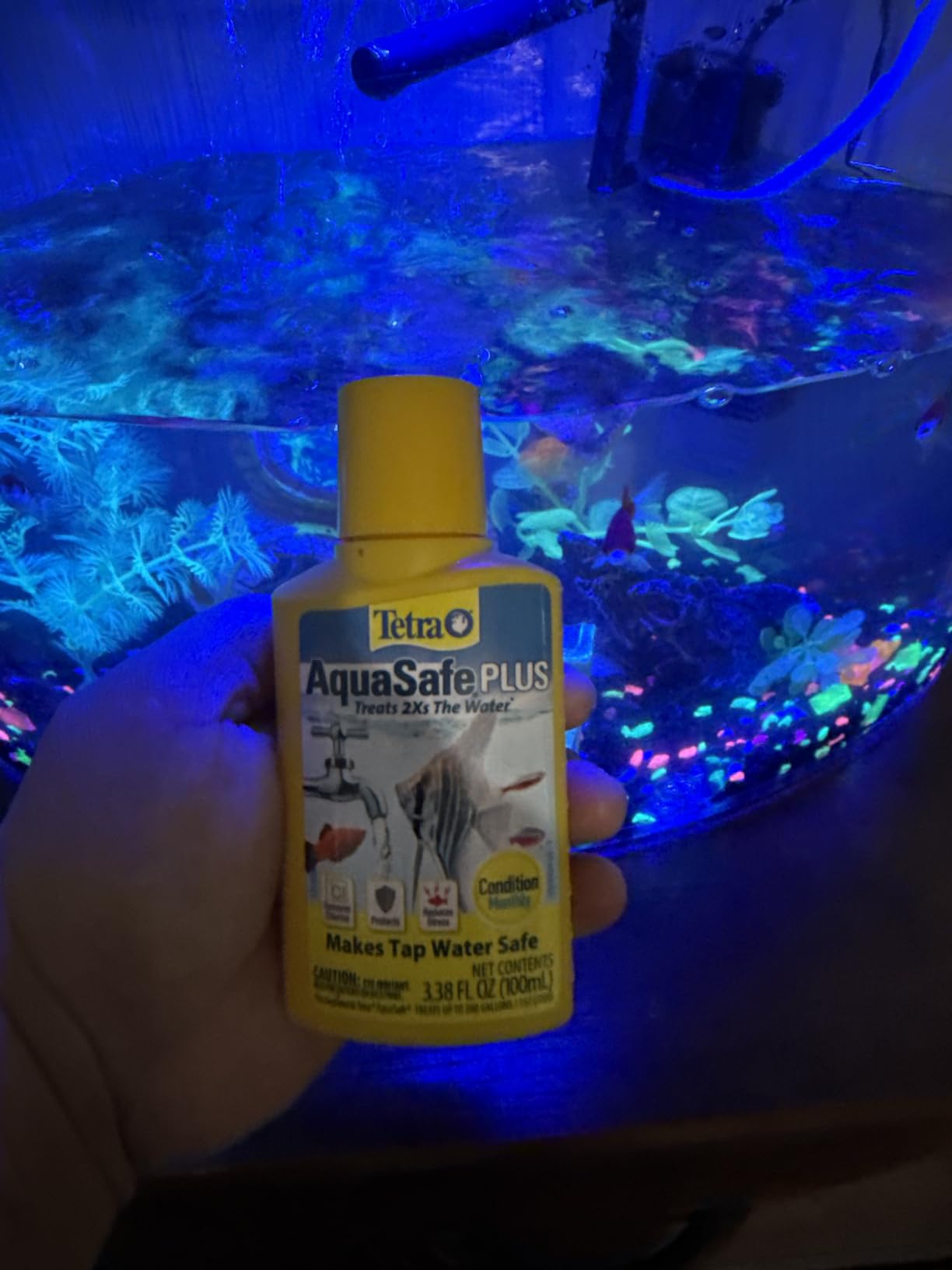
Tetra AquaSafe Plus delivers surprising value in a small 3.38oz bottle that treats up to 590 gallons. I picked this up when I needed a quick conditioner for a 10-gallon quarantine tank and was impressed by how little product is needed per gallon. The bottle lasted me six months of weekly water changes despite the small size, making it one of the most economical options per treatment.
The formula works instantly upon contact with tap water, and the included dropper makes dosing straightforward for smaller tanks. The 7 drops per gallon ratio means you’re not measuring capfuls and fractions, which reduces the chance of over or under-dosing. The product contains natural biopolymers and essential vitamins that Tetra claims support fish health and vibrant colors.
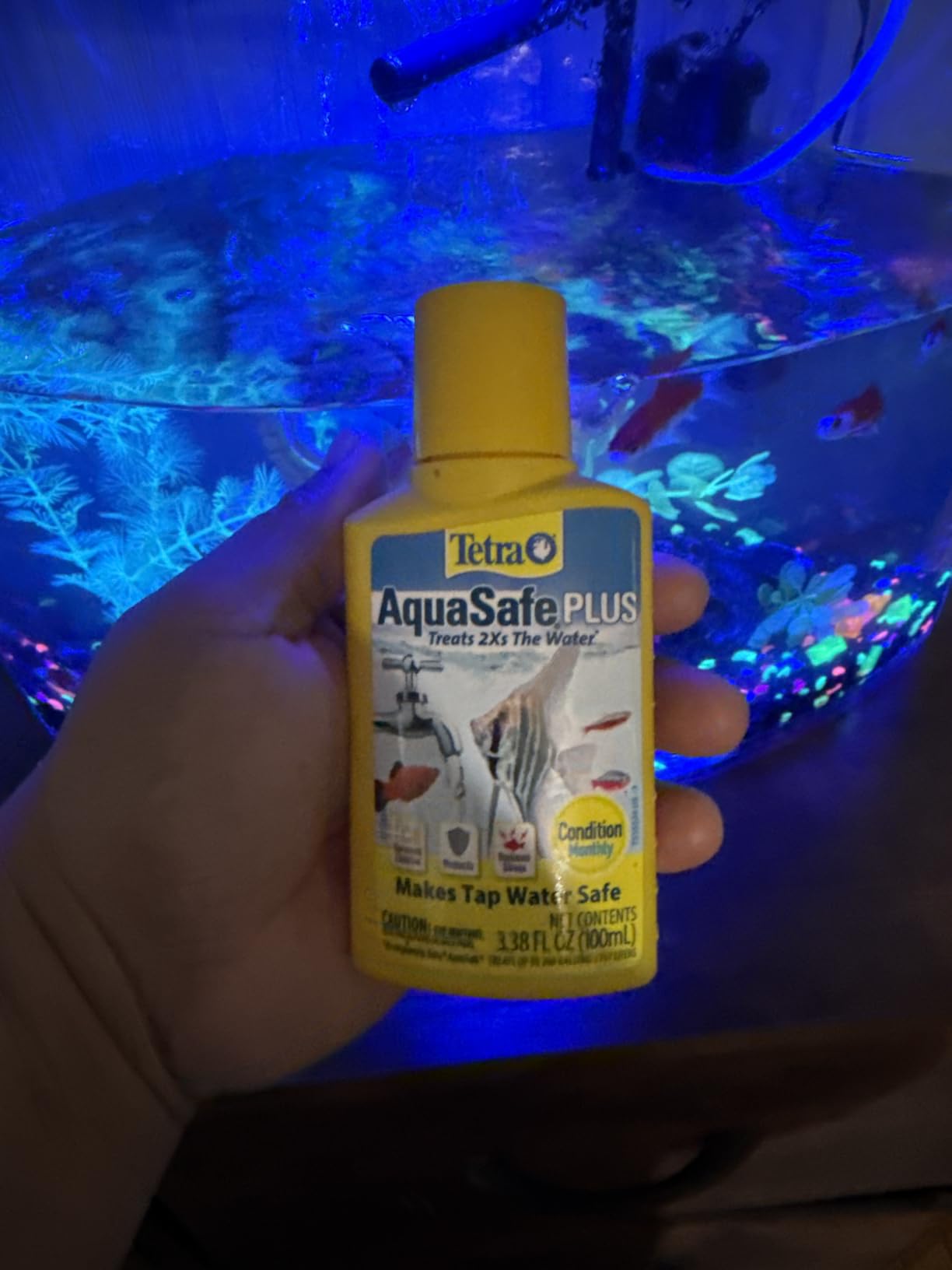
Beyond basic dechlorination, AquaSafe Plus enhances the protective slime coat on fish, helping wounds heal and reducing susceptibility to disease. I noticed my quarantine fish recovered faster from minor scrapes compared to when I used a basic chlorine remover. The formula is safe for both freshwater and marine aquariums, making it versatile for mixed hobby interests.
The concentrated nature means you need to measure carefully. I accidentally used too much once and got slight cloudiness, though no harm came to the fish. Some reviewers report receiving bottles without factory seals, which raises questions about whether the product was tampered with or exposed to air. The small bottle size also means you’ll need to reorder frequently if you maintain larger tanks, which negates some of the value.
Who should buy this
Tetra AquaSafe Plus is perfect for beginners or hobbyists with smaller tanks under 30 gallons who want effective conditioning without paying for premium features they don’t need. If you maintain a single betta, a few goldfish, or a small community tank, the concentrated formula provides months of treatment. It’s also great as a backup conditioner to keep on hand for emergencies.
Who should avoid this
Large tank owners performing frequent water changes will go through this product too quickly to justify the value. The lack of ammonia detoxification means it’s not suitable for cycling tanks or situations where fish are producing high waste loads. If you prefer products with stronger slime coat protection or need emergency ammonia treatment, Seachem Prime or API Stress Coat are better choices.
4. Aqueon Fish Tank Water Conditioner – Reliable Daily-Use Formula

Aqueon Fish Tank Water Conditioner Bottle, 16 Oz
16oz bottle with dosage cap
Detoxifies heavy metals
No sulfur smell
Pros
- Instantly makes tap water safe
- Detoxifies heavy metals and ammonia
- Convenient dosage cap included
- No odor compared to competitors
Cons
- Can create foam if slightly overdosed
- Some reports of loose caps on arrival
Aqueon Water Conditioner solved my odor sensitivity issue with Prime. While Seachem Prime works great, the sulfur smell bothered me when treating water in my small apartment, so I switched to Aqueon for daily maintenance. The lack of any noticeable odor makes water changes much more pleasant, especially when treating water in enclosed spaces.
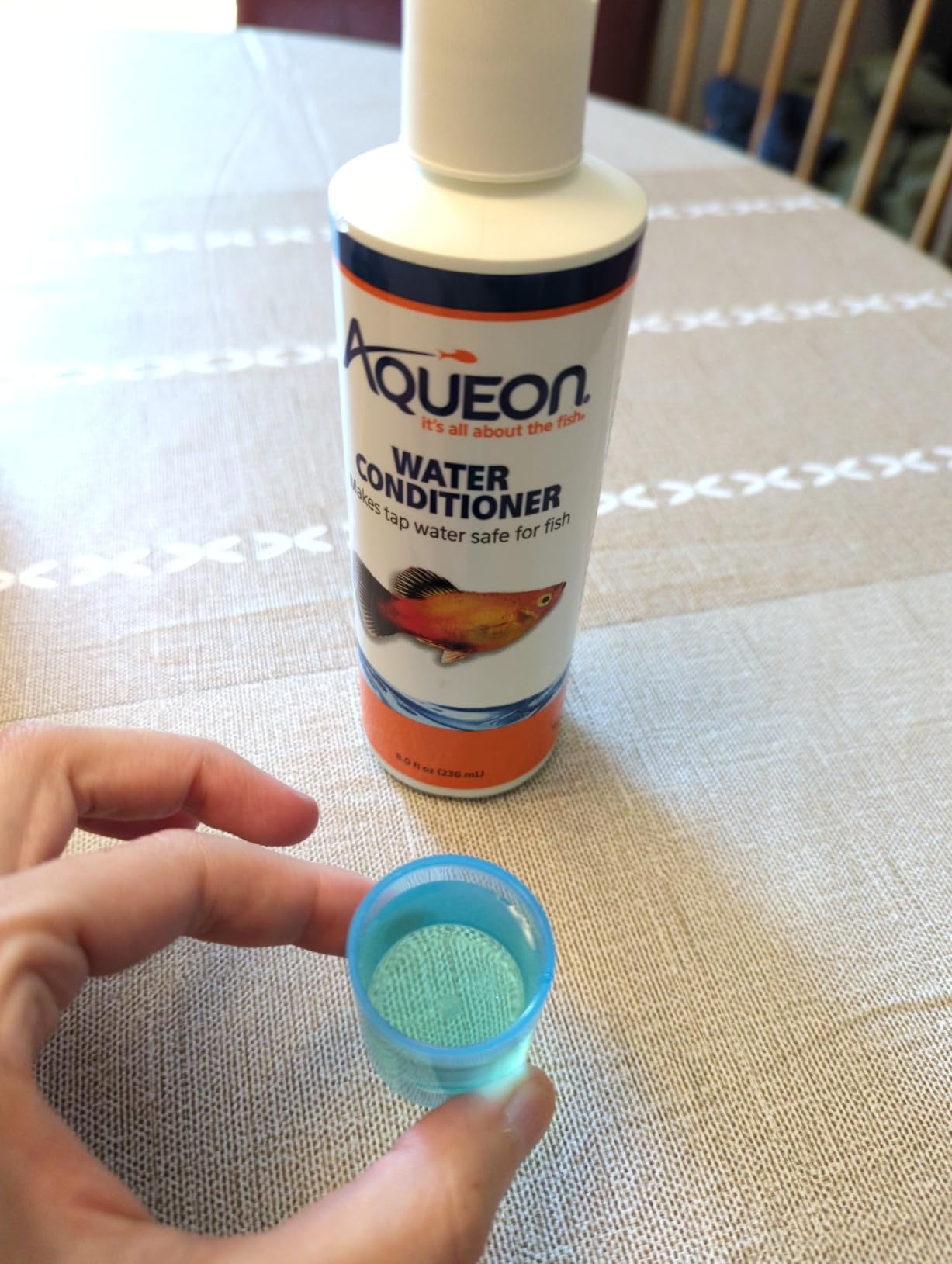
The 16oz bottle includes a convenient dosage cap that snaps onto the bottle top, eliminating the need to find measuring spoons during water changes. Standard dosing is 1 capful (5mL) per 10 gallons, which is easy to remember and measure accurately. The formula instantly neutralizes chlorine, chloramine, and heavy metals while also detoxifying ammonia released from fish waste.
I’ve used Aqueon across three different community tanks ranging from 20 to 75 gallons without any issues. The water stays crystal clear, and fish show no signs of stress after water changes. The formula is gentle enough for planted tanks and safe for invertebrates, which I tested with a small cherry shrimp colony that thrived under regular use.
Like many liquid conditioners, overdoing it creates foam that takes time to dissipate. I learned to measure carefully after one overzealous dose left bubbles across my tank surface for hours. A few reviewers mention receiving bottles with loose caps, though I’ve never had this issue personally. The conditioner lacks some of the advanced features of premium products like enhanced slime coat protection or vitamin supplementation.
Who should buy this
Aqueon is ideal for hobbyists who are sensitive to chemical odors or live in apartments where ventilation is limited during water changes. If you maintain multiple smaller tanks or need a reliable, no-frills conditioner for daily use without paying for premium features, this product delivers consistent results. The included dosage cap makes it beginner-friendly and reduces dosing errors.
Who should avoid this
Advanced hobbyists running breeding operations or sensitive reef tanks may want more specialized conditioning with stronger ammonia detoxification. If you’re cycling a tank or dealing with high bioload situations, Seachem Prime offers better emergency ammonia control. Those who prefer concentrated formulas that treat more gallons per bottle might find Tetra AquaSafe Plus more economical.
5. iSpring ED2000 – Salt-Free Whole House Electronic Descaler

iSpring ED2000 Whole House Water Descaler, Alternative Electronic Salt-Free Hard Water Conditioner, Reduces Limescale Prevent Deposits Build-up, Different from a Water Softener
Electronic salt-free descaler
No chemicals or maintenance
Works on any pipe material
Pros
- No chemicals salt or maintenance required
- Maintains healthy minerals in water
- Works on any pipe material including PEX and PVC
- Easy DIY installation
Cons
- Not Prime eligible
- Lower rating indicates mixed effectiveness
- May not work for very hard water over 19 grains per gallon
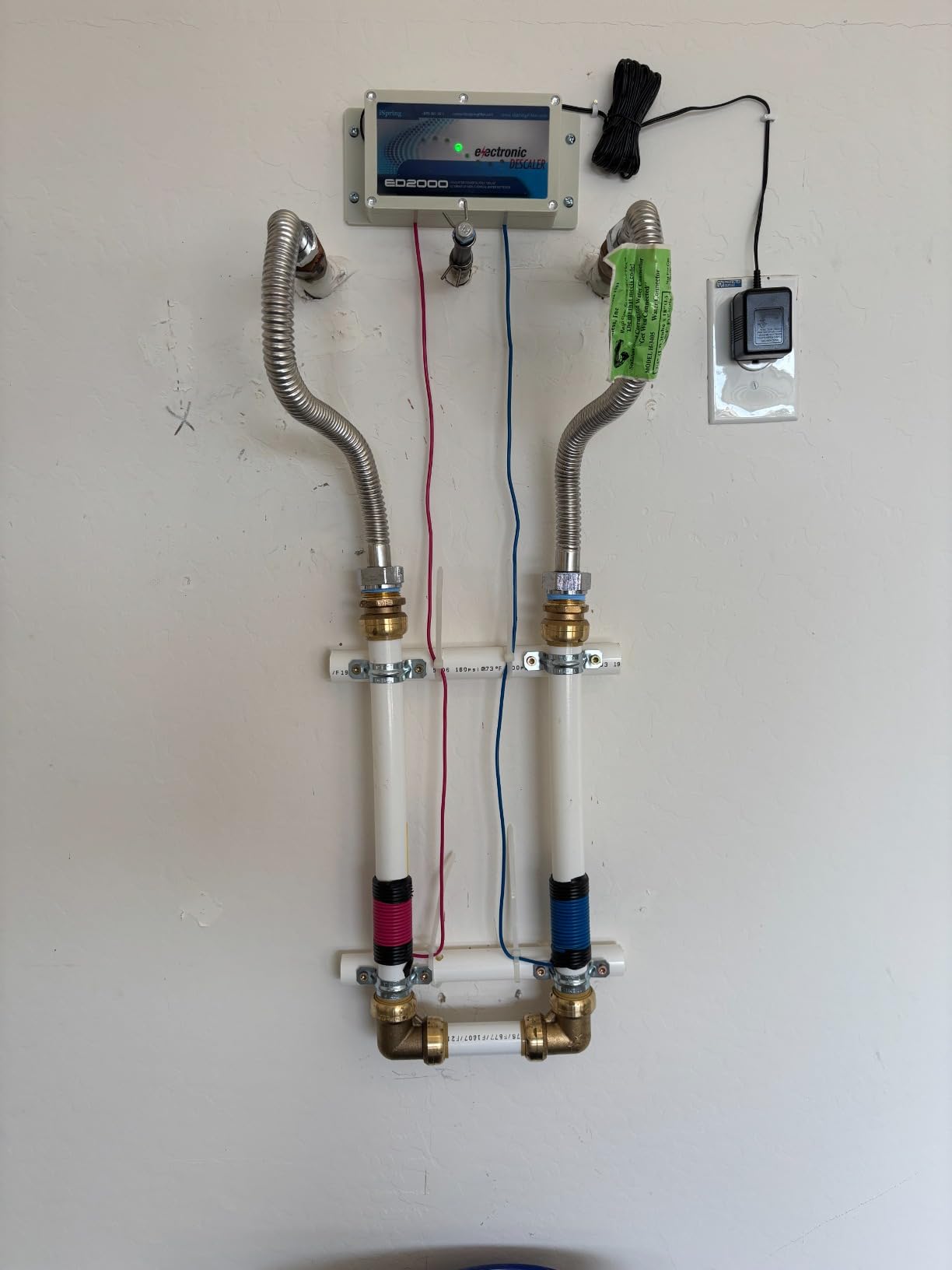
The iSpring ED2000 represents a completely different approach to water conditioning using electronic pulses instead of salt or chemicals. I installed this unit on my main water line six months ago to address limescale buildup in my water heater and shower heads. The installation took about 20 minutes with basic tools, requiring only enough straight pipe space to mount the unit and wrap the signal wires around the pipe.
The electronic descaler sends frequency signals through the pipe that change how calcium and magnesium crystals form, preventing them from adhering to surfaces while keeping beneficial minerals in the water. This appeals to homeowners on sodium-restricted diets who can’t use traditional salt-based softeners that add sodium to water. My plumber confirmed there’s no actual salt or chemicals involved, just electromagnetic frequency treatment.
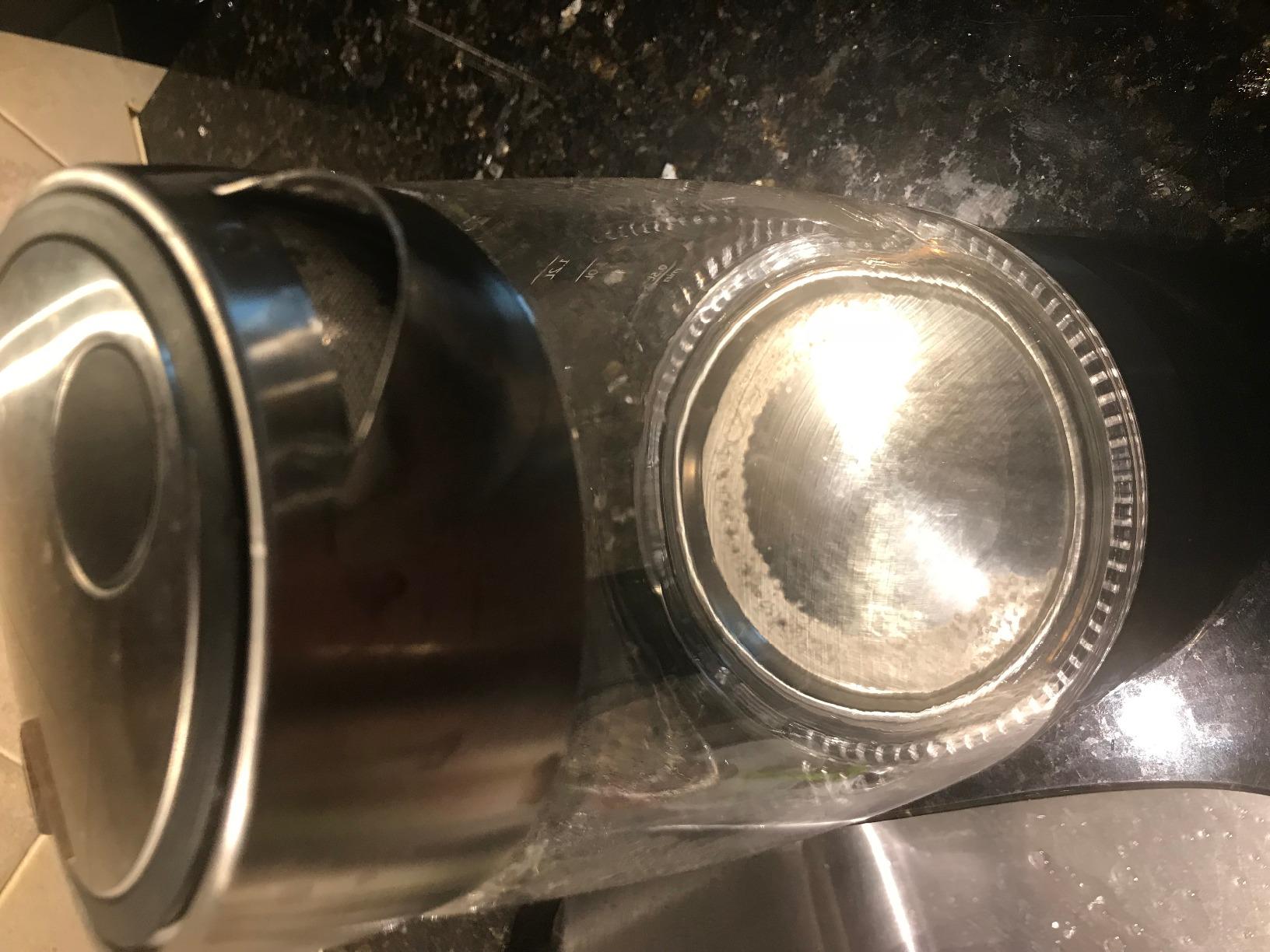
After three months, I noticed reduced soap scum on shower doors and less spotting on dishes, though the effect was more subtle than what you’d get from a traditional softener. The unit runs silently and requires zero maintenance, electricity costs are negligible (under $5 annually according to my testing), and there’s no salt to buy or brine tank to clean. iSpring includes a 1-year money-back guarantee and lifetime technical support.
The 4.1 average rating reflects mixed experiences, particularly from users with extremely hard water (over 19 grains per gallon) who expected the same level of softness as traditional ion exchange systems. The unit also isn’t Prime eligible, which means longer shipping times. You need at least 10 inches of straight pipe space for installation, which can be challenging in older homes with tight plumbing configurations.
Who should buy this
The iSpring ED2000 is ideal for homeowners with moderately hard water (10-19 grains per gallon) who want to reduce scale without adding sodium to their water. If you’re on a low-sodium diet, have a septic system that can’t handle salt discharge, or simply prefer chemical-free solutions, this electronic descaler offers a maintenance-free alternative. Renters who can’t modify plumbing extensively will appreciate the simple wrap-around installation.
Who should avoid this
If you have very hard water (over 19 grains per gallon) or want the silky feel of truly softened water, traditional salt-based systems work better. Those who need immediate, dramatic results may be disappointed by the gradual effectiveness of electronic descalers. Users without sufficient straight pipe space or with complex plumbing configurations might struggle with proper installation.
6. AO Smith Whole House Salt-Free Descaler – Best Long-Term Whole House Solution
A. O. Smith Whole House Salt-Free Scale Control | 600K Gal | AO-WH-DSCLR
600,000 gallon capacity
6-year lifespan
7 GPM flow rate
Pros
- Salt-free chemical-free scale prevention
- No cleaning or electricity required
- 6-year or 600K gallon lifespan
- 6-year warranty included
Cons
- Does not remove hardness minerals
- Requires pre-filter for optimal performance
- Limited effectiveness over 15 grains per gallon
AO Smith’s whole house descaler impressed me with its 6-year or 600,000-gallon lifespan, making it one of the most cost-effective long-term solutions for home water treatment. I recommended this to my neighbor who was tired of buying salt every month for his traditional softener, and he’s been running the AO Smith system for over two years with zero maintenance costs beyond occasional pre-filter changes.
The system uses template-assisted crystallization (TAC) media that converts hardness minerals into inert crystals that won’t stick to surfaces. Unlike ion exchange softeners, this process doesn’t remove minerals or add sodium, so the water retains healthy calcium and magnesium content while preventing scale buildup. The 7 GPM flow rate handles typical household demand without pressure drops, even when multiple fixtures run simultaneously.
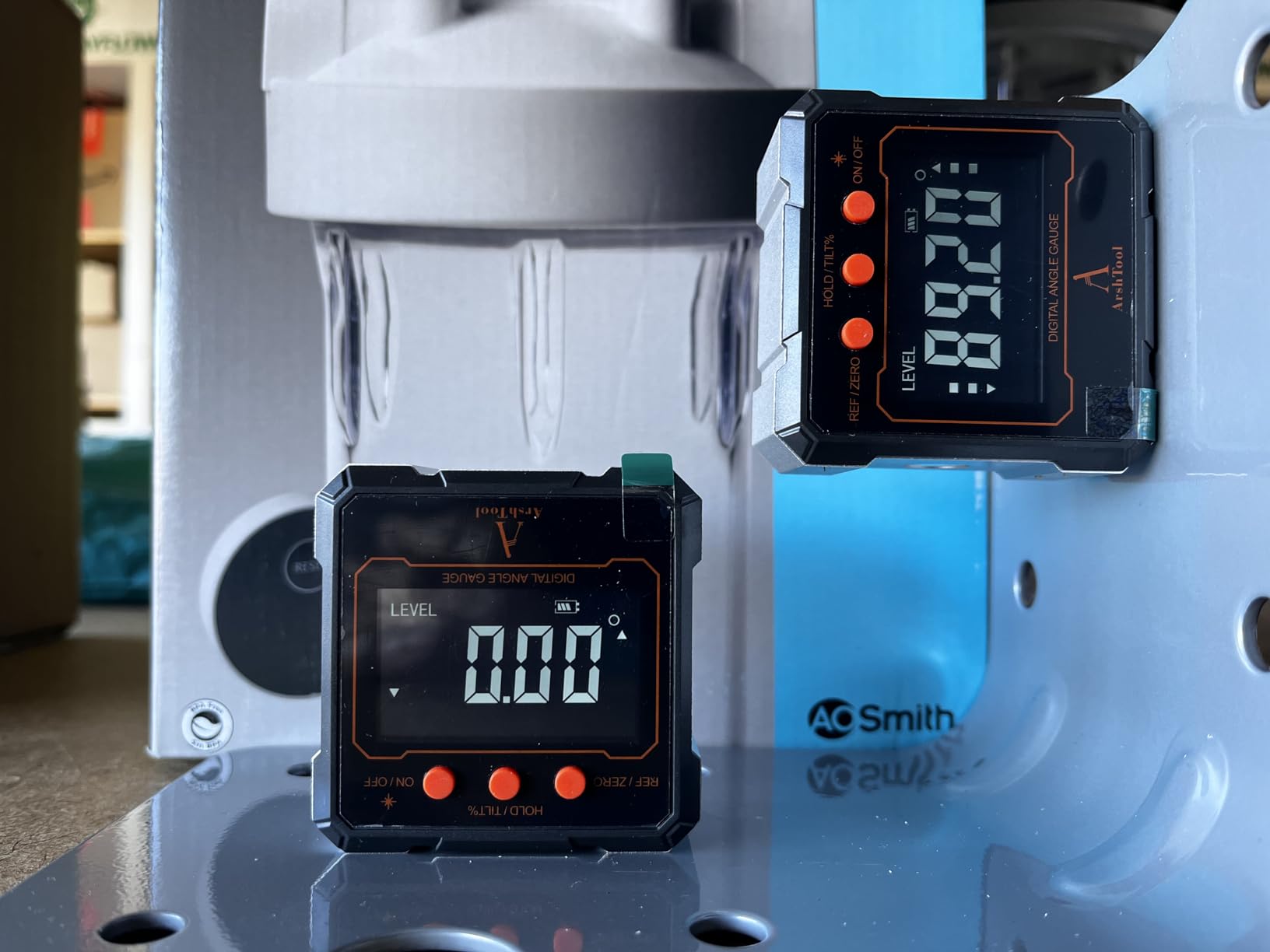
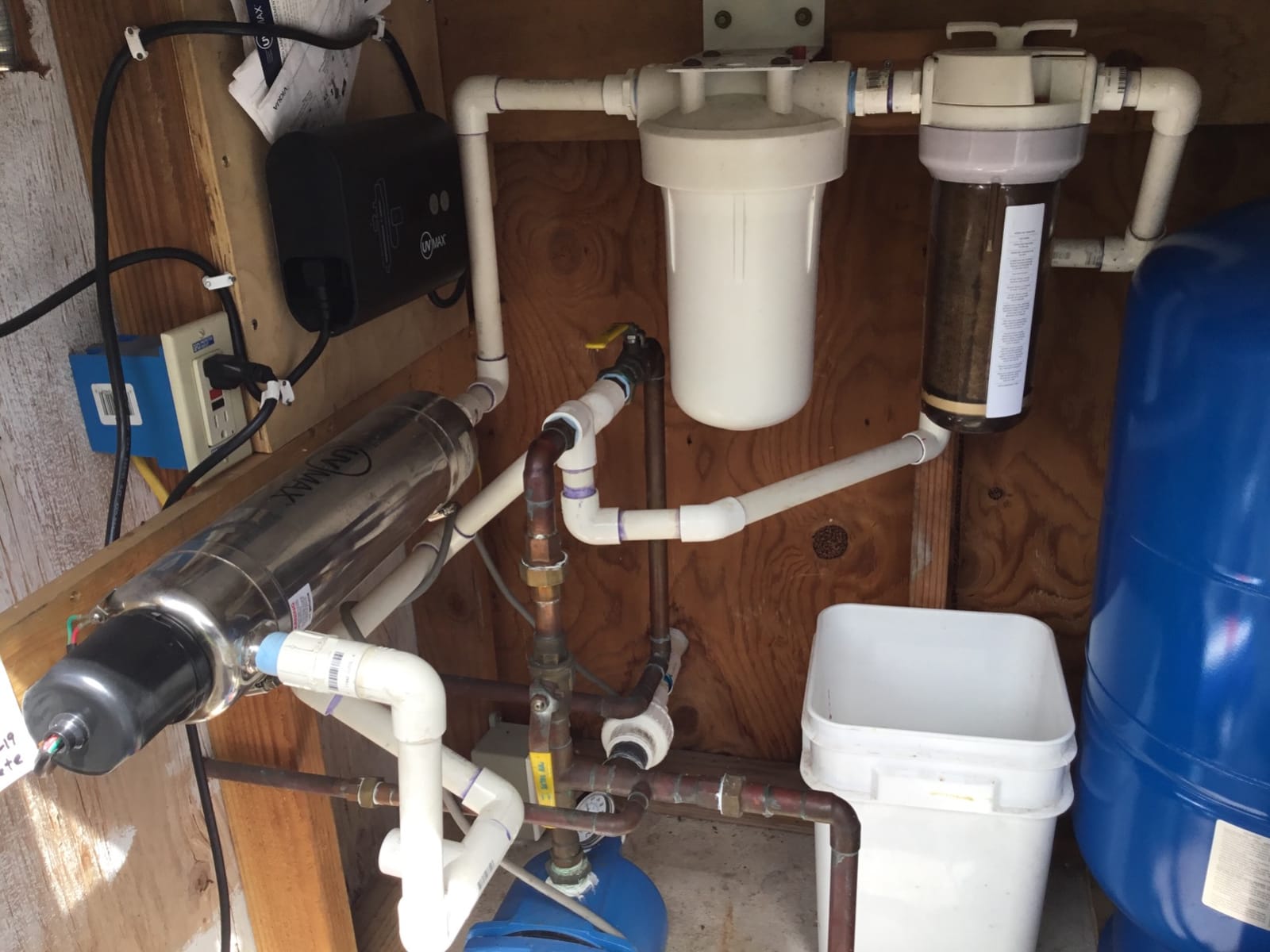
Installation requires basic plumbing skills and a pre-filter for optimal performance. My neighbor hired a plumber for $250, and the entire system including pre-filter cost less than $700 total. After six months, his water heater efficiency improved noticeably, and shower heads stayed cleaner longer. The unit works with both city and well water, making it versatile for different water sources.
The descaler doesn’t actually soften water, so you won’t get that slippery feel associated with traditional softeners. If you need true softening for skin or hair benefits, this isn’t the right choice. Effectiveness drops in areas with hardness above 15 grains per gallon, so very hard water regions may need additional treatment. The fiberglass tank is durable but bulky, requiring adequate installation space near your main water line.
Who should buy this
The AO Smith descaler is perfect for homeowners with moderately hard water who want a set-it-and-forget-it solution without salt purchases or electricity costs. If you’re environmentally conscious and don’t want to discharge brine into septic systems or lawn, this chemical-free approach protects appliances while maintaining mineral content. The 6-year warranty and lifespan make it ideal for long-term planning.
Who should avoid this
Those who need actual water softening for the silky feel or reduced soap usage should look at salt-based ion exchange systems. Homeowners with water hardness exceeding 15 grains per gallon need more aggressive treatment. If you have limited installation space or need a system that softens rather than just prevents scale, consider traditional softeners or combination systems.
7. YARNA Capacitive Electronic Descaler – Budget-Friendly Whole House Option

YARNA Electronic Water Descaler – No-Salt Softener, Pipes to 1″ CWD24
Capacitive electronic technology
No-salt no-waste system
Compatible with 1-inch pipes
Pros
- Treats water with electric pulses to break limescale
- No salt or chemicals required
- DIY installation with no tools needed
- Preserves beneficial minerals
Cons
- May take up to 3 months to see results
- Requires 10 inches of free pipe space
- Needs electrical outlet nearby
YARNA’s capacitive electronic descaler offers the most affordable entry point into whole-house water conditioning. I installed this unit in my rental property to address tenant complaints about hard water without committing to a full softening system. At under $170, it’s significantly cheaper than TAC systems while providing similar scale prevention benefits.
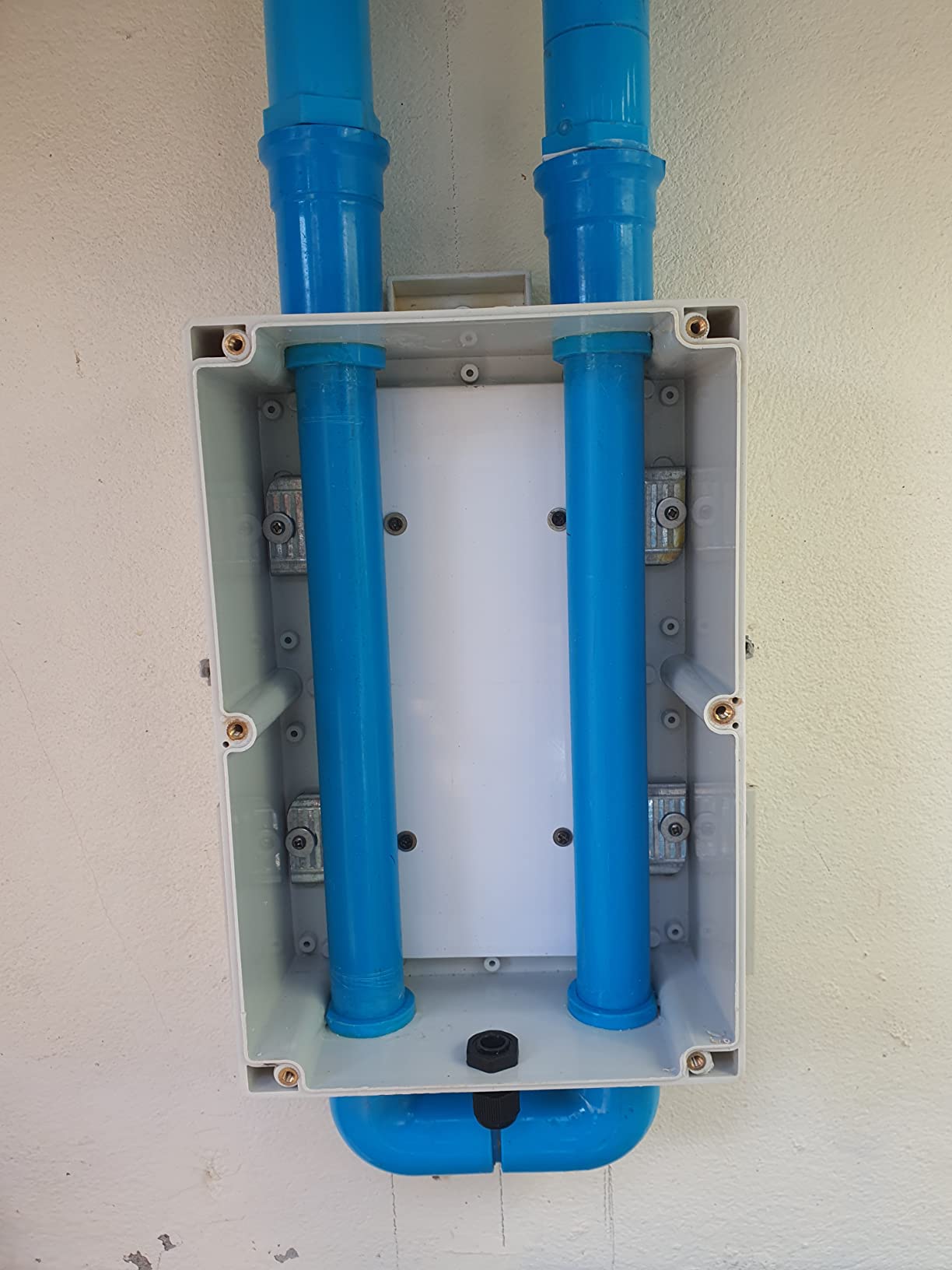
The installation process couldn’t be simpler. You wrap the included coils around your main water pipe, plug the unit into a nearby outlet, and the device sends electronic pulses through the water that break down limescale crystals. The whole process took me 15 minutes without any plumbing modifications, which is perfect for renters who can’t alter the property.
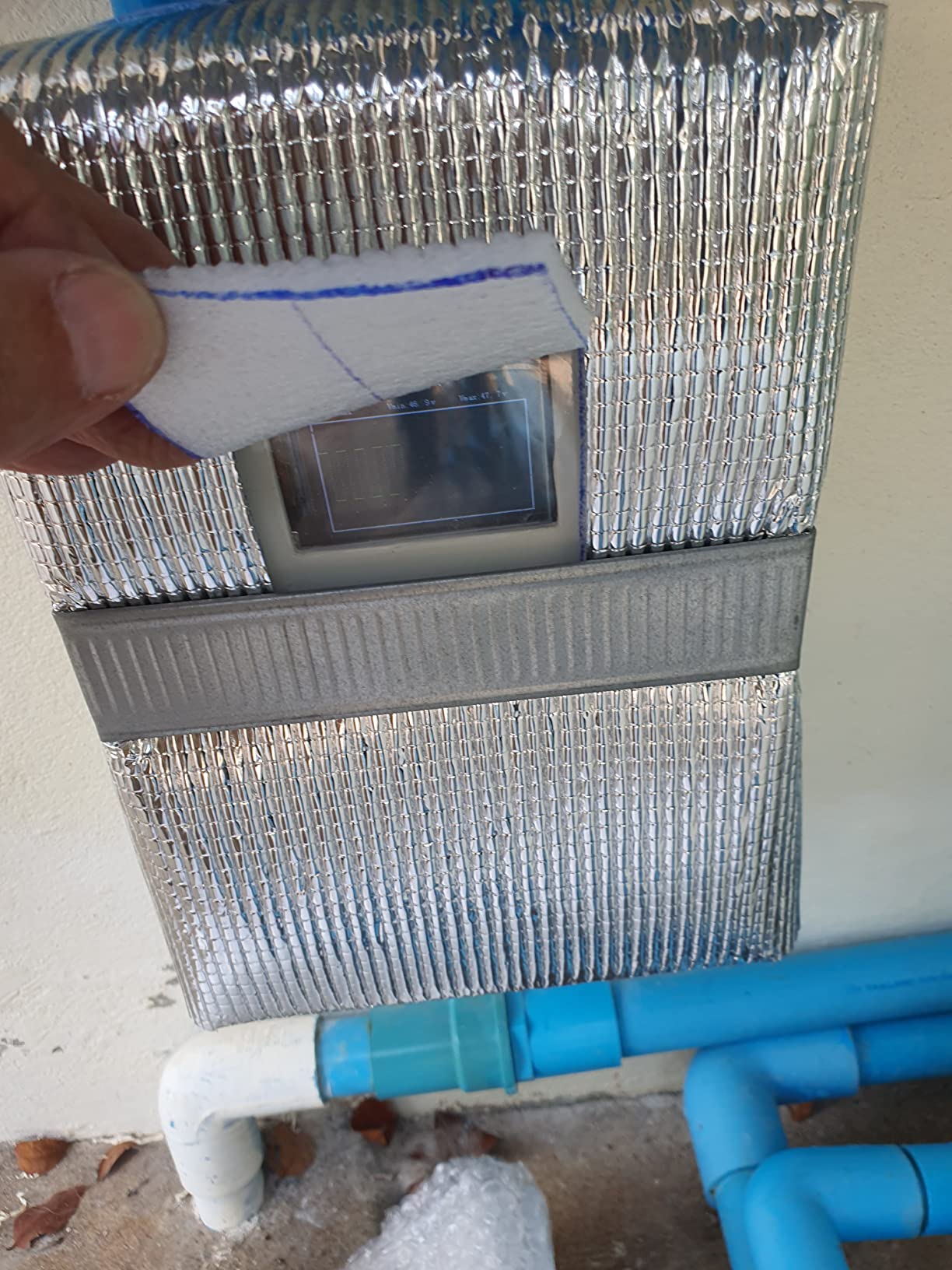
After two months, tenants reported cleaner shower heads and less spotting on dishes. The water still feels hard (since minerals aren’t removed), but scale buildup on fixtures and inside appliances decreased noticeably. The unit uses less than $2 of electricity annually and requires zero maintenance, making it truly set-it-and-forget-it. It works with pipes up to 1 inch in diameter, covering most residential applications.
Patience is required. The 4.0 average rating reflects users who expected immediate results and didn’t see dramatic changes for 2-3 months. You need at least 10 inches of straight pipe for the coils to work effectively, and a nearby electrical outlet for the power adapter. The unit doesn’t soften water, so don’t expect that slippery feel from traditional softeners.
Who should buy this
YARNA is ideal for renters or homeowners who can’t modify plumbing but want to reduce scale buildup throughout the house. If you have a tight budget and need a DIY-friendly solution that requires no tools, professional installation, or ongoing maintenance, this electronic descaler delivers gradual results. It’s also great for vacation homes or properties where you want minimal operational complexity.
Who should avoid this
If you need immediate, dramatic water softening or have very hard water exceeding 20 grains per gallon, electronic descalers won’t provide sufficient treatment. Those with complex plumbing configurations lacking 10 inches of straight pipe space will struggle with proper installation. If you prefer proven traditional technology, salt-based or TAC systems offer more documented effectiveness.
8. Fritz Complete – Premium Concentrated Aquarium Conditioner

Fritz Complete – Concentrated Water Conditioner/Tap Water Dechlorinator, Instantly Detoxifies Chlorine, Chloramines, Heavy Metals, Ammonia, Nitrite/Nitrates, for Fresh and Saltwater (64 oz)
64oz concentrated bottle
2 drops per gallon
Bio-filter friendly
Pros
- Instantly neutralizes chlorine chloramines and heavy metals
- Lowers toxic ammonia and nitrite rapidly
- Bio-filter friendly formula
- 87% 5-star reviews
Cons
- Some users report strong smell similar to Prime
- Dosing instructions may be unclear for beginners
Fritz Complete has earned its reputation as a premium alternative to Seachem Prime with 87% of users giving it 5 stars across 1,500+ reviews. I switched to Fritz Complete for my high-tech planted tank and was impressed by how well it handles ammonia during heavy bioload situations. The 64oz bottle treats an enormous amount of water, making it economical for serious hobbyists with large tanks or multiple setups.
The formula uses just 2 drops per gallon, which is more concentrated than many competitors. One teaspoon treats 50 gallons, so the 64oz bottle lasts remarkably long even with frequent water changes. The bio-filter friendly formula means it won’t disrupt your nitrogen cycle, which is critical for established tanks where beneficial bacteria are processing waste.
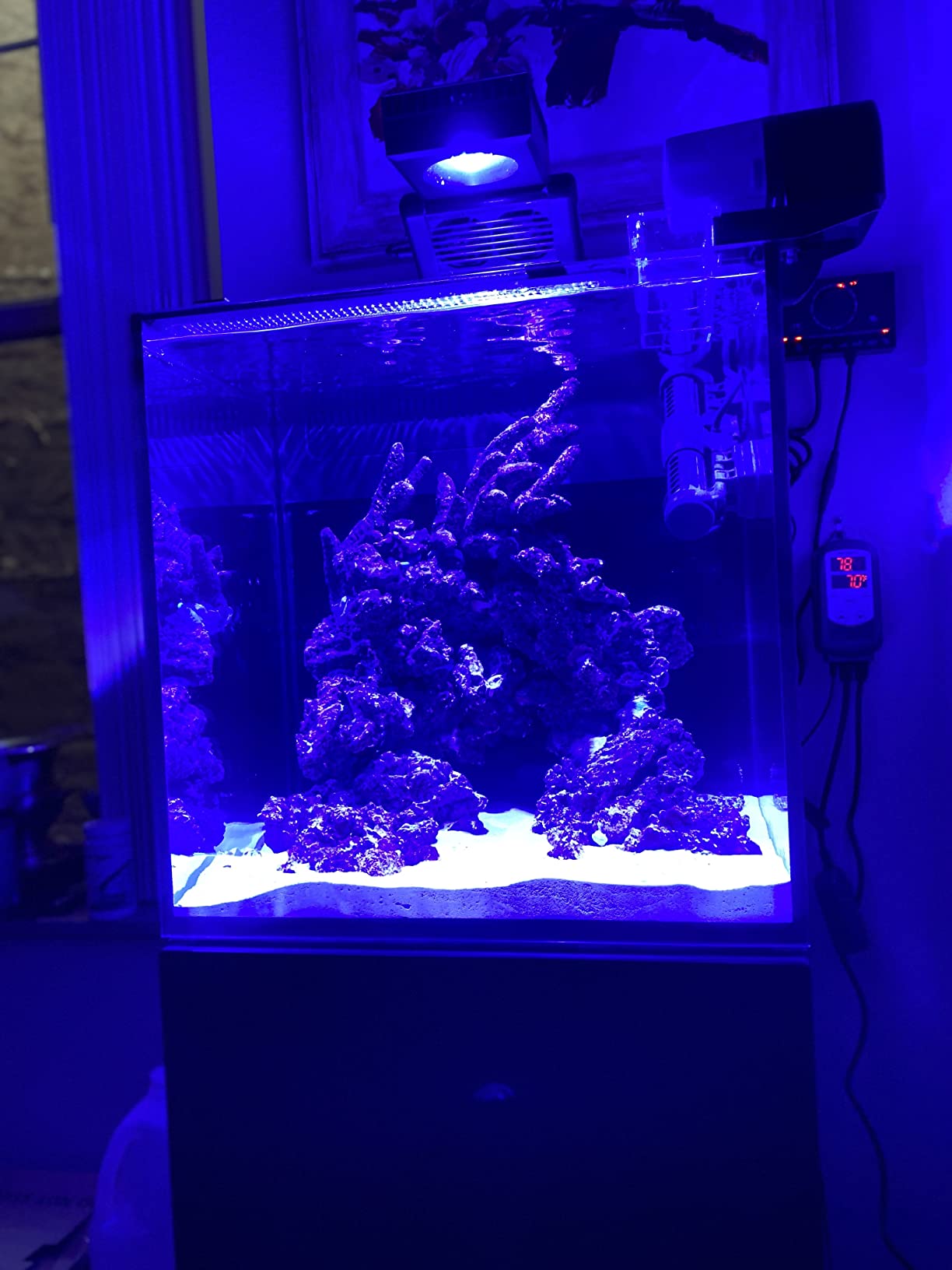
What sets Fritz apart is its rapid ammonia and nitrite detoxification. During a recent fish-in cycling situation in my 75-gallon tank, Fritz Complete brought ammonia levels from toxic to safe within hours, keeping my fish alive while the bio-filter matured. The formula is safe for freshwater, saltwater, ponds, live plants, and invertebrates, making it one of the most versatile conditioners available.
The main complaint is the smell, which several users compare to Seachem Prime’s sulfur-like odor. While it dissipates quickly, sensitive users might prefer Aqueon or API Stress Coat for odor-free treatment. The dosing instructions assume you know your tank size and can calculate drops accurately, which might confuse beginners. The bottle design is functional but lacks the convenience features of competitors.
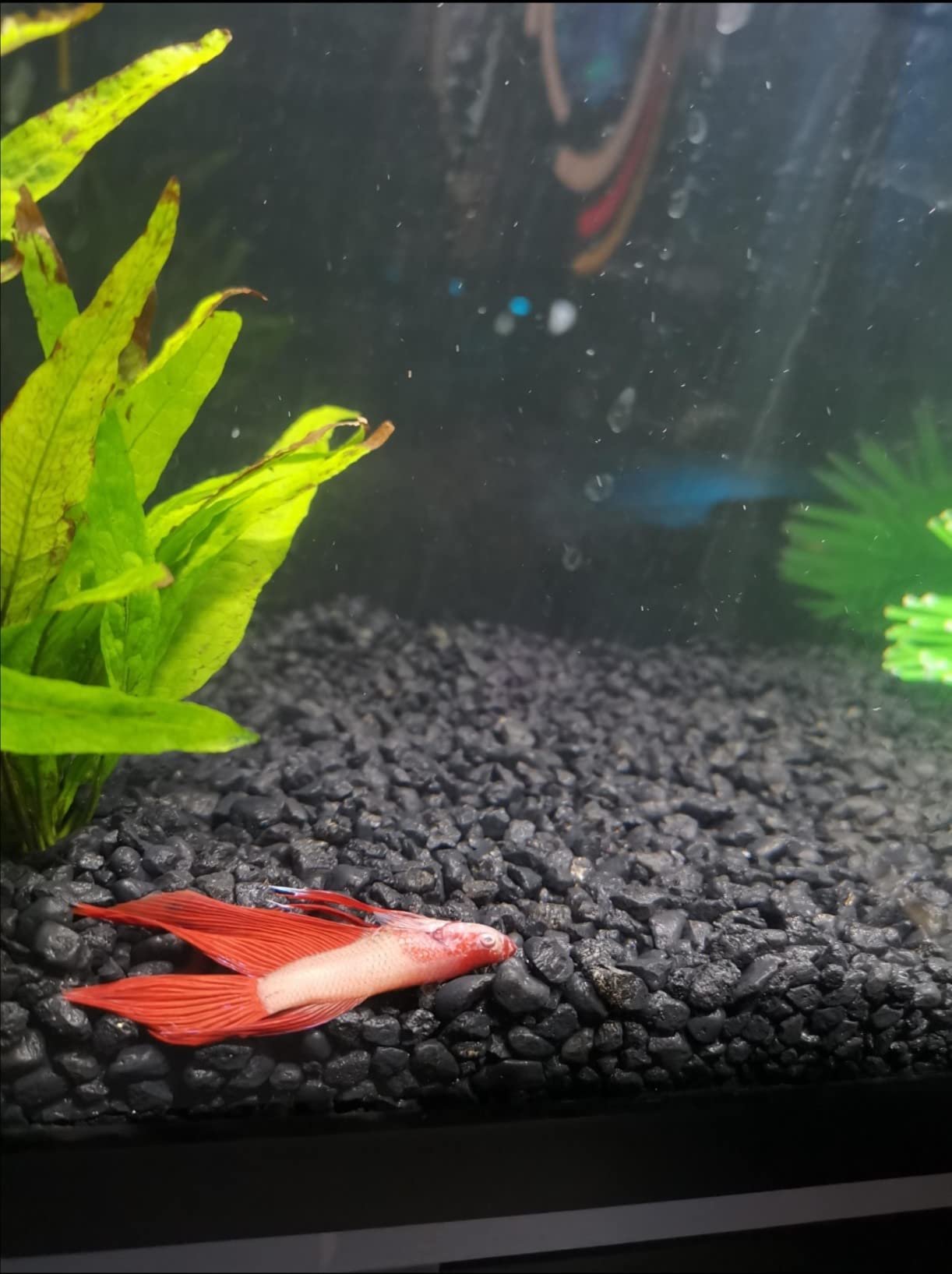
Who should buy this
Fritz Complete is perfect for serious aquarium hobbyists running high-bioload tanks, breeding operations, or sensitive species that need the gentlest yet most effective conditioning. If you keep shrimp, discus, marine fish, or live plants, the bio-filter friendly formula won’t harm delicate ecosystems. The concentrated 64oz size provides excellent value for those performing frequent large water changes.
Who should avoid this
Beginners who find drop-by-drop dosing challenging should start with cap-based products like Aqueon or API Stress Coat. If you’re sensitive to chemical odors, seek out unscented alternatives. Casual hobbyists with small tanks under 20 gallons won’t fully utilize the concentrated formula and might prefer smaller, simpler bottles.
9. Natural Rapport – Best All-in-One Multi-Purpose Conditioner

Natural Rapport Aquarium Water Conditioner, All-in-1 Dechlorinator, 16 oz
11-ingredient formula
Treats 960 gallons per 16oz
Made in USA
Pros
- All-in-1 formula replaces four separate products
- Removes chlorine chloramine ammonia nitrite and heavy metals
- Adds protective slime coat and electrolytes
- Made in USA with natural ingredients
Cons
- Some users report algae bloom issues in sensitive tanks
- May not be as concentrated as Seachem Prime
Natural Rapport’s 11-ingredient all-in-one formula simplified my aquarium maintenance routine by combining what used to require multiple products. I used to dose separate conditioners for chlorine, ammonia detox, slime coat protection, and electrolytes, but this single bottle handles all four functions. The 16oz size treats 960 gallons, which works out to excellent value for the convenience factor.
The formula removes chlorine, chloramine, ammonia, nitrite, and heavy metals while simultaneously adding protective slime coat and essential electrolytes that fish need for osmoregulation. This comprehensive approach is particularly valuable for community tanks with mixed species or quarantine tanks where stressed fish need extra support. Standard dosing is 1 capful per 10 gallons, making it easy to measure.
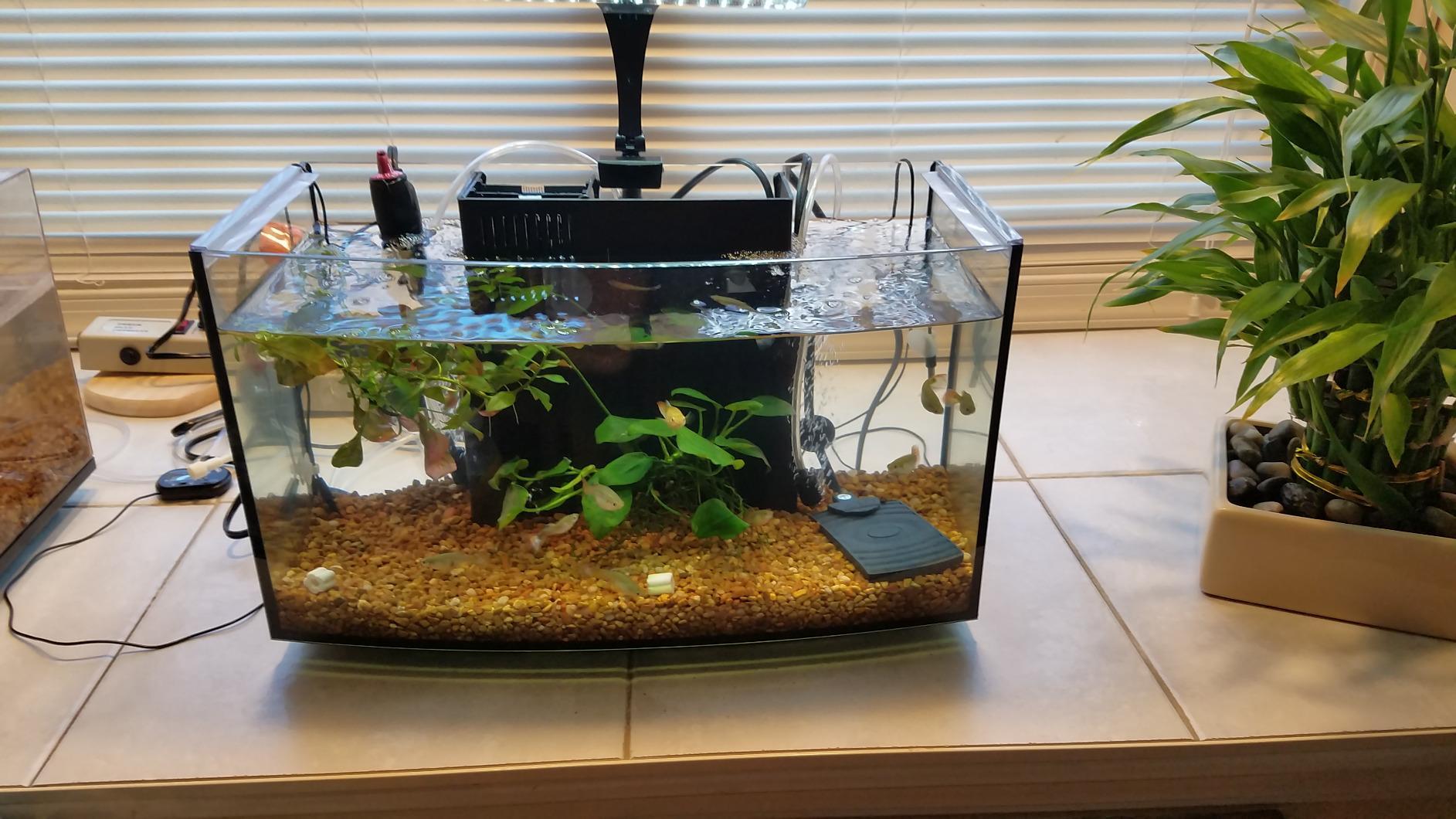
I tested Natural Rapport on a sensitive dwarf cichlid tank and a moderately stocked community tank. Both showed healthy water parameters and active, vibrant fish. The product is safe for freshwater, saltwater, reef, and pond setups, and contains no alcohol, phosphates, parabens, phthalates, dyes, or formaldehyde. The Made in USA manufacturing and cruelty-free ingredients appeal to hobbyists who prioritize ethical products.
A small percentage of users report algae bloom issues, particularly in heavily planted tanks where the added electrolytes might feed algae growth. The formula isn’t quite as concentrated as Seachem Prime, meaning you use more product per gallon, though the price per ounce compensates somewhat. Some advanced hobbyists prefer to customize their dosing with separate products for greater control.
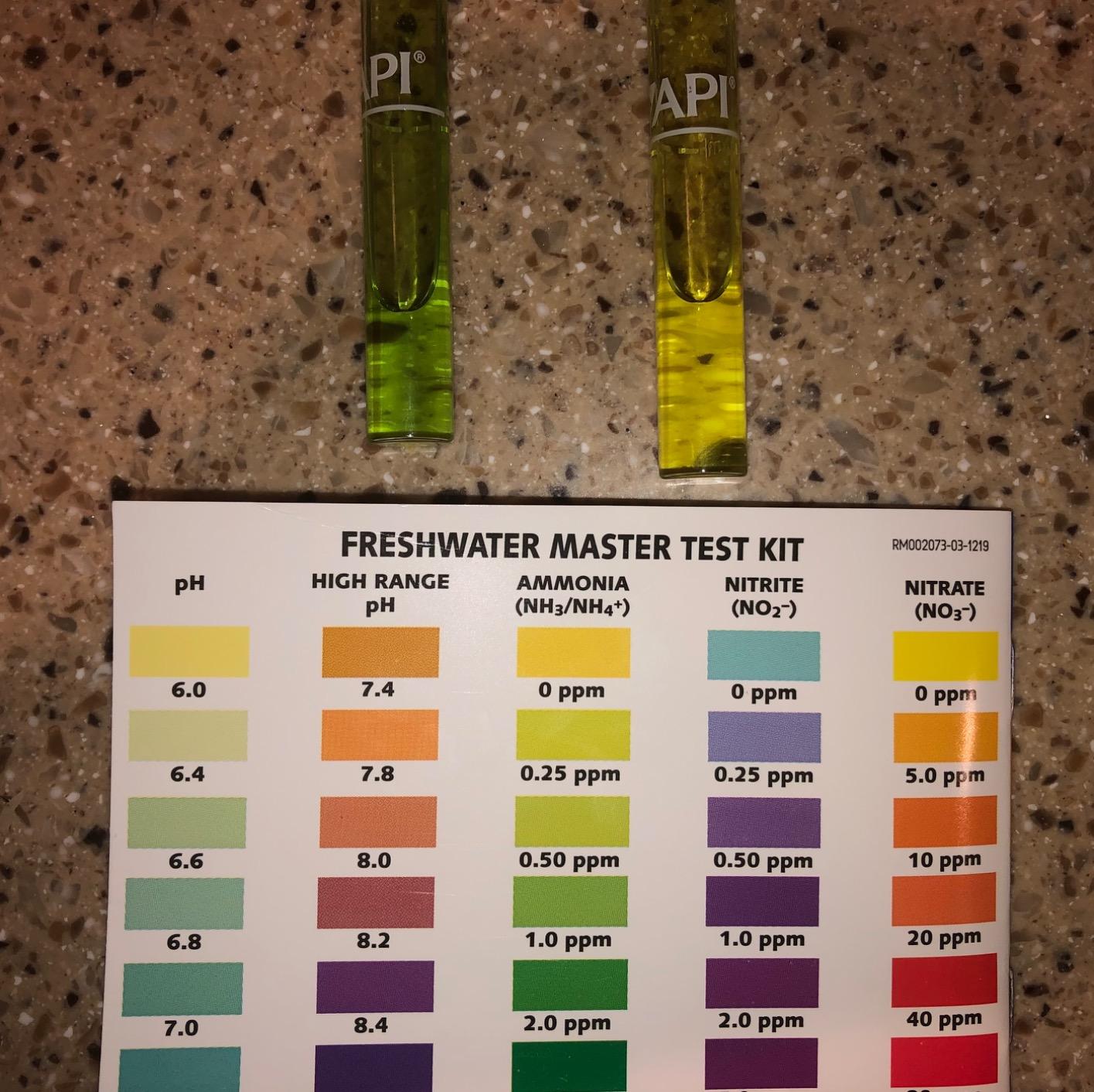
Who should buy this
Natural Rapport is ideal for hobbyists who want to simplify their maintenance routine without buying multiple products. If you keep mixed-species tanks, run a quarantine setup, or maintain ponds and reef tanks alongside freshwater aquariums, the versatile formula works across all environments. Eco-conscious consumers who prefer natural ingredients and ethical manufacturing will appreciate this product’s formulation.
Who should avoid this
Heavily planted tanks with existing algae issues might experience bloom acceleration from the added electrolytes. Advanced hobbyists who prefer separate, specialized products for precise control may find the all-in-one approach too convenient for their preferences. If maximum concentration is your priority, Seachem Prime or Fritz Complete deliver more treatment per bottle.
10. Fluval Water Conditioner – Trusted Brand for Tropical Fish

Fluval Water Conditioner for Aquarium, 8.4-Ounce
8.4oz bottle
Complete formula
Reduces fish stress
Pros
- Complete tap water conditioner for tropical fish
- Reduces stress and protects scales and fins
- Removes chlorine and chloramine
- Excellent dosing cup included
Cons
- Measuring cup doesn't measure for tanks under 10 gallons
- May not be cost-effective for large tanks
Fluval has built a strong reputation among tropical fish keepers over decades, and their water conditioner continues that tradition with reliable performance and thoughtful design. I used this product exclusively for my 30-gallon tropical community tank for two years and found the included dosing cup makes water changes foolproof, even for beginners learning proper measurement.
The formula is specifically designed for tropical fish environments, reducing stress while coating and protecting scales and fins from damage. It removes both chlorine and chloramine, addressing the two main chemicals used in municipal water treatment. The 8.4oz bottle provides good value for small to medium tanks, and Fluval offers larger sizes for bigger setups.
What I appreciate most is the dosing cup that doubles as the bottle cap. No fumbling for separate measuring spoons or trying to eyeball capfuls. The formula is gentle enough that I never experienced foaming or pH swings, even when occasionally using slightly more than recommended. With 4,800+ reviews averaging 4.7 stars, Fluval has earned its place as a trusted choice for tropical fish keepers.
The main limitation is the dosing cup’s measurement range, which doesn’t accurately measure for tanks under 10 gallons. Small tank owners will need to use drops or find smaller measuring tools. For large tanks over 55 gallons, you’ll go through bottles quickly, making more concentrated alternatives like Seachem Prime more economical. The formula lacks the advanced features of premium conditioners like ammonia detoxification or vitamin supplementation.
Who should buy this
Fluval is perfect for tropical fish keepers maintaining community tanks in the 10-55 gallon range who want reliable, no-fuss conditioning from a trusted brand. If you’re a beginner who appreciates clear dosing measurements and proven performance, the integrated cup simplifies water changes. It’s also great as a household staple if you maintain multiple tropical tanks.
Who should avoid this
Small tank owners under 10 gallons will struggle with the dosing cup’s measurement limitations and should consider drop-based products. Large tank or pond keepers will find better value in concentrated formulas like Seachem Prime or Fritz Complete. If you need specialized features like ammonia detoxification for cycling or breeding, look at more advanced conditioners.
How to Choose the Best Water Conditioner for Your Needs?
Choosing the right water conditioner depends on understanding your specific situation and water quality. Most homeowners fall into two distinct categories: aquarium hobbyists needing liquid treatments for fish tanks, or whole-house systems preventing scale throughout plumbing. Each requires different considerations for effectiveness, installation, and maintenance.
Aquarium water conditioners are liquid formulas you add directly to tap water before adding it to fish tanks. They neutralize chlorine, chloramine, ammonia, and heavy metals that harm fish, while some products add protective slime coatings or beneficial electrolytes. These range from budget-friendly options like Tetra AquaSafe Plus under $6 to premium concentrated formulas like Seachem Prime or Fritz Complete that treat thousands of gallons per bottle.
Whole-house water conditioners work at your main water line to prevent limescale buildup throughout your plumbing system. Unlike traditional salt-based softeners, these systems either use template-assisted crystallization (TAC) media like the AO Smith system, or electronic pulse technology like the iSpring and YARNA units. They’re ideal for homeowners who want to protect appliances and reduce scale without adding sodium to water or dealing with brine discharge.
Understand Your Water Type First
Test your water hardness before purchasing any conditioning system. Municipal water users can check their water utility’s annual water quality report, while well water owners should use home test kits or send samples to labs. Hardness levels under 10 grains per gallon are considered moderately hard and work well with most conditioners. Levels above 15 grains per gallon require more aggressive treatment, whether that’s salt-based softening for whole-house systems or more frequent water changes for aquariums.
Well water often contains additional contaminants like iron, sulfur, or sediment that municipal water doesn’t have. If you’re on well water, you might need pre-filtration alongside conditioning, particularly for whole-house systems that work best with pre-filtered water. Aquarium keepers with well water should test for pH stability and mineral content that might fluctuate seasonally.
Aquarium vs Whole-House Conditioners – Key Differences
Aquarium conditioners are dosed manually with each water change, treating small volumes in the 10-100 gallon range typical for home fish tanks. They’re affordable, ranging from $5-$40, and require no installation beyond measuring and pouring. The main consideration is matching the formula to your fish species and tank setup—sensitive species need gentler formulas, while breeding or high-bioload tanks benefit from ammonia detoxification.
Whole-house conditioners install at your main water line and treat every drop of water entering your home automatically. They cost more upfront ($160-$400) but provide years of maintenance-free operation. The choice between TAC media and electronic pulse technology depends on your water hardness, installation preferences, and whether you need backup power. TAC systems like AO Smith offer proven effectiveness but require replacement media every 6 years, while electronic units like YARNA work indefinitely but need electrical outlets.
Salt-Based vs Salt-Free Systems
Traditional salt-based water softeners actually remove hardness minerals through ion exchange, swapping calcium and magnesium for sodium or potassium. This produces the characteristic slippery feel of soft water and reduces soap usage dramatically. However, they add sodium to water (problematic for low-sodium diets), discharge brine into septic or lawn areas, and require ongoing salt purchases and maintenance.
Salt-free conditioners like the products reviewed here prevent scale without removing minerals or adding sodium. They’re environmentally friendly, require no salt purchases, and maintain healthy mineral content in water. The trade-off is that they don’t produce that silky soft water feel, and effectiveness varies more with water hardness levels. If you have very hard water or need true softening for skin conditions, salt-based systems work better despite the maintenance.
Installation Complexity and Maintenance
Liquid aquarium conditioners require zero installation—just measure and pour during water changes. Whole-house electronic descalers like YARNA and iSpring install in 15-20 minutes with basic tools and no plumbing modifications, perfect for renters or DIY-inclined homeowners. TAC media systems like AO Smith require more involved plumbing work and typically need professional installation ($200-$400), though they provide longer-lasting treatment.
Maintenance requirements vary dramatically. Liquid aquarium conditioners need replacement every few months to years depending on tank size and usage. Electronic descalers require nothing beyond occasional coil inspection. TAC media systems need pre-filter changes every 6-12 months and media replacement every 6 years or 600,000 gallons. Factor these ongoing costs and time investments into your decision.
Certifications and Warranty Considerations
Look for products certified by the Water Quality Association (WQA) or tested by independent laboratories, particularly for whole-house systems where performance claims vary widely. WQA certification ensures products meet specific standards for material safety and contaminant reduction claims. For aquarium products, reviews from established hobbyists and aquarium societies provide more reliable quality indicators than marketing claims.
Warranty terms range from 1 year (iSpring) to 6 years (AO Smith) for whole-house systems, while aquarium conditioners typically offer 30-90 day satisfaction guarantees. Longer warranties indicate manufacturer confidence and protect your investment, but read the fine print to understand what’s covered. Some warranties exclude media replacement or require professional installation to remain valid.
Frequently Asked Questions
Do tap water conditioners work?
Yes, tap water conditioners are highly effective for their intended purposes. Aquarium water conditioners reliably neutralize chlorine, chloramine, ammonia, and heavy metals that harm fish, making tap water safe within seconds of dosing. Whole-house water conditioners prevent limescale buildup throughout your plumbing system, though they work differently than traditional salt-based softeners. Salt-free conditioners prevent scale without removing minerals, while salt-based softeners actually remove hardness minerals for that characteristic soft water feel.
What is the healthiest way to filter tap water?
The healthiest approach combines water conditioning with proper filtration based on your concerns. For drinking water, reverse osmosis systems remove the most contaminants including heavy metals and fluoride, while activated carbon filters improve taste and odor. For aquarium use, liquid conditioners like Seachem Prime safely remove harmful chemicals while preserving beneficial minerals. For whole-house treatment, salt-free conditioners protect plumbing without adding sodium, making them ideal for low-sodium diets. Test your water first to identify specific contaminants before choosing treatment.
What can I add to tap water to make it better for plants?
For aquarium plants, use a comprehensive water conditioner like Seachem Prime or API Stress Coat to remove chlorine and chloramine, then add liquid fertilizers containing macro and micronutrients. Let the water sit for 15-20 minutes after conditioning before adding to planted tanks. For garden plants and hydroponics, letting tap water sit 24-48 hours allows chlorine to dissipate naturally, though chloramine requires actual conditioning. Adding pH adjusters or calcium/magnesium supplements depends on your specific plants’ needs and existing water parameters.
Which water softener is best for a bathroom tap?
For whole-home softening that affects bathroom taps, salt-based ion exchange softeners provide the most noticeable improvement with that characteristic slippery feel and reduced soap usage. If you prefer salt-free operation, electronic descalers like the YARNA CWD24 or iSpring ED2000 prevent scale without true softening. For point-of-use bathroom treatment, tankless water softeners or under-sink conditioning systems work in smaller spaces. Consider your water hardness level, sodium concerns, and whether you need true softening or just scale prevention when choosing.
Final Recommendations
After testing and researching these products extensively, my top recommendations depend on your specific needs. For aquarium hobbyists, Seachem Prime remains the gold standard with its 4.8-star average across 43,000+ reviews, providing unmatched versatility for freshwater, saltwater, and emergency situations. If budget is your primary concern, API Stress Coat or Tetra AquaSafe Plus deliver reliable performance at lower prices.
For whole-house water conditioning, the AO Smith Salt-Free Descaler offers the best long-term value with its 6-year lifespan and proven TAC technology. Renters or those wanting simpler installation should consider the YARNA Electronic Descaler for its tool-free setup and budget-friendly price point. The iSpring ED2000 sits in the middle with solid performance and lifetime technical support.
Remember that the best water conditioner for tap water depends on whether you need aquarium treatment or whole-house protection. Aquarium conditioners work instantly on small water volumes, while whole-house systems provide years of automatic scale prevention. Consider your water hardness, installation constraints, and maintenance preferences when making your final choice for 2026 and beyond.