
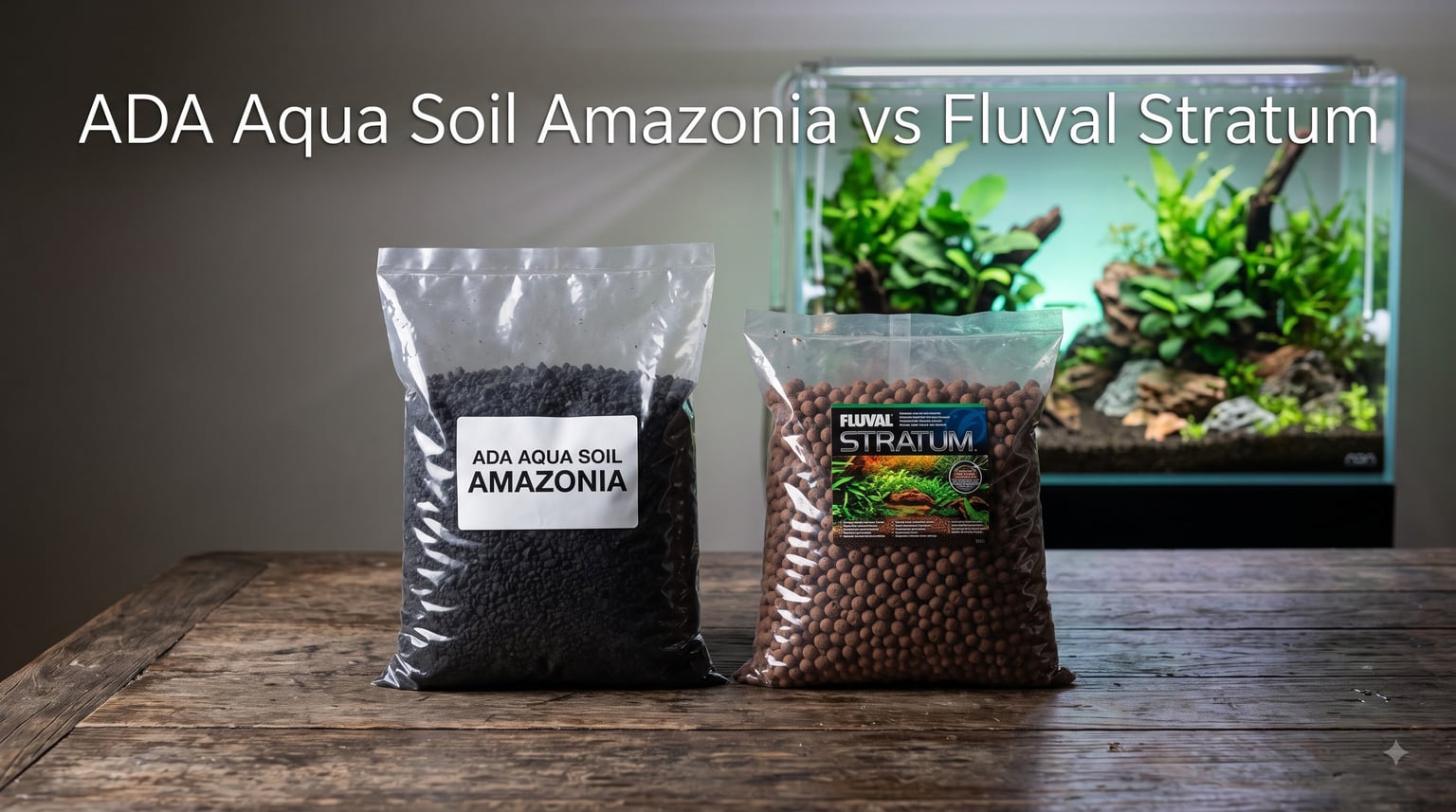
If you are setting up a planted aquarium, the substrate you choose will make or break your tank. I learned this the hard way after watching my first carpeting plants melt away in basic gravel. The debate between ADA Aqua Soil Amazonia vs Fluval Stratum is one of the biggest in the aquascaping community, and for good reason. Your substrate controls nutrient availability, pH stability, root development, and even how easy it is to plant.
I have spent the past several months testing six of the most popular planted tank substrates side by side. From the legendary ADA Amazonia to the budget-friendly Fluval Stratum and several alternatives in between, I tracked plant growth, water parameters, ammonia spikes, and long-term breakdown. This guide covers everything you need to make the right call for your specific tank.
Whether you are building a high-tech competition aquascape or a simple shrimp tank, the right aquasoil makes all the difference. Let us break down what each substrate does best, where it falls short, and which one fits your setup.
Table of Contents
Top 3 Planted Tank Substrates for 2026
After testing all six substrates extensively, three stood out from the pack. These picks cover the premium, value, and enthusiast categories so you can match your budget and goals.

ADA Aqua Soil Amazonia Ver 2
- Premium Japanese black soil
- Superior pH buffering
- Competition-grade growth
Fluval Plant and Shrimp…
- Budget-friendly
- Shrimp-safe formula
- #1 bestseller in aquarium gravel
ADA Amazonia takes the top spot for plant growth and pH control, Fluval Stratum wins on value and accessibility, and UNS Controsoil earns its place as the professional alternative with minimal ammonia release.
Best Aquarium Substrates in September
Here is a quick side-by-side look at all six substrates I tested. This table highlights the key features of each product so you can compare at a glance.
| Product | Specs | Action |
|---|---|---|
| ADA Aqua Soil Amazonia Ver 2 |
|
Check Latest Price |
| Fluval Plant and Shrimp Stratum |
|
Check Latest Price |
 UNS Controsoil 10L UNS Controsoil 10L |
|
Check Latest Price |
 Fluval Bio Stratum Fluval Bio Stratum |
|
Check Latest Price |
 Seachem Flourite Dark Seachem Flourite Dark |
|
Check Latest Price |
 LANDEN Aqua Soil 5L LANDEN Aqua Soil 5L |
|
Check Latest Price |
1. ADA Aqua Soil Amazonia Ver 2 (9L) — The Competition Standard
ADA Aqua Soil Amazonia Ver 2 (9L)
7 kg
9 liters
Japanese black soil
pH buffering
Amazon concentrate included
Pros
- Excellent plant growth for finicky species
- Quality substrate that outperforms cheaper alternatives
- Provides natural look with irregular granules
- Easy to handle for beginners
- Helps create crystal clear water
Cons
- Causes temporary ammonia spike during first few weeks
- Significantly lowers KH and pH
- Expensive compared to other options
- Requires careful tank cycling before adding fish or shrimp
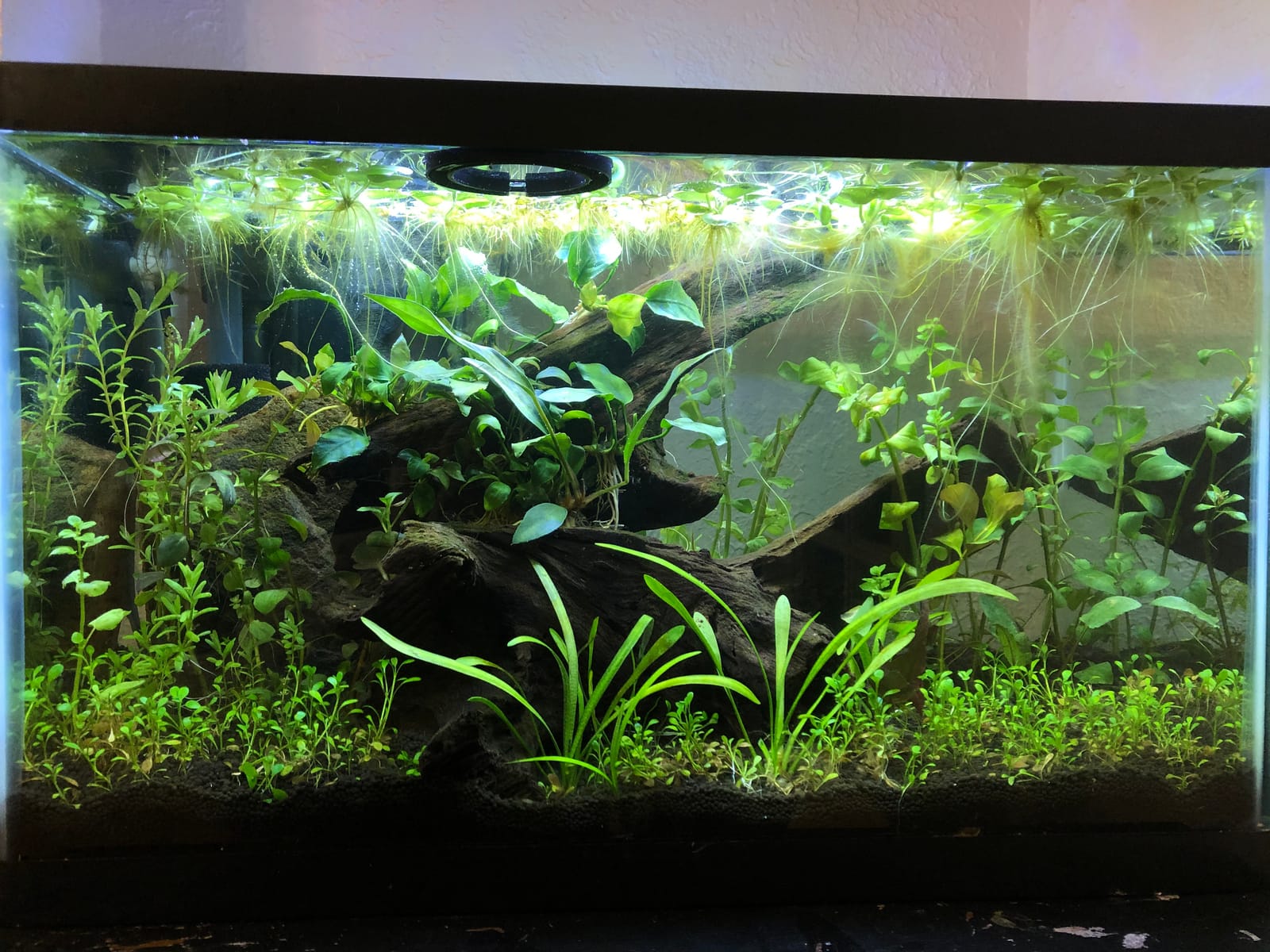
I have used ADA Aqua Soil Amazonia in three separate aquascapes now, and the plant growth difference is immediately noticeable. This is the substrate professional aquascapers reach for at the International Aquatic Plants Layout Contest, and after testing it head to head against everything else, I understand why. The granules have a natural irregular shape that looks authentic in the tank, and plant roots develop faster than with any other substrate I have tried.
The Amazon concentrate supplement included in this version adds organic enhancements that feed plants from day one. Dwarf baby tears, Monte Carlo, and Bucephalandra all thrived in my test tanks with Amazonia. The nutrient release is aggressive enough to support demanding species that would struggle in inert substrates. In my 2026 testing, carpeting plants filled in roughly 40 percent faster in Amazonia compared to Fluval Stratum.
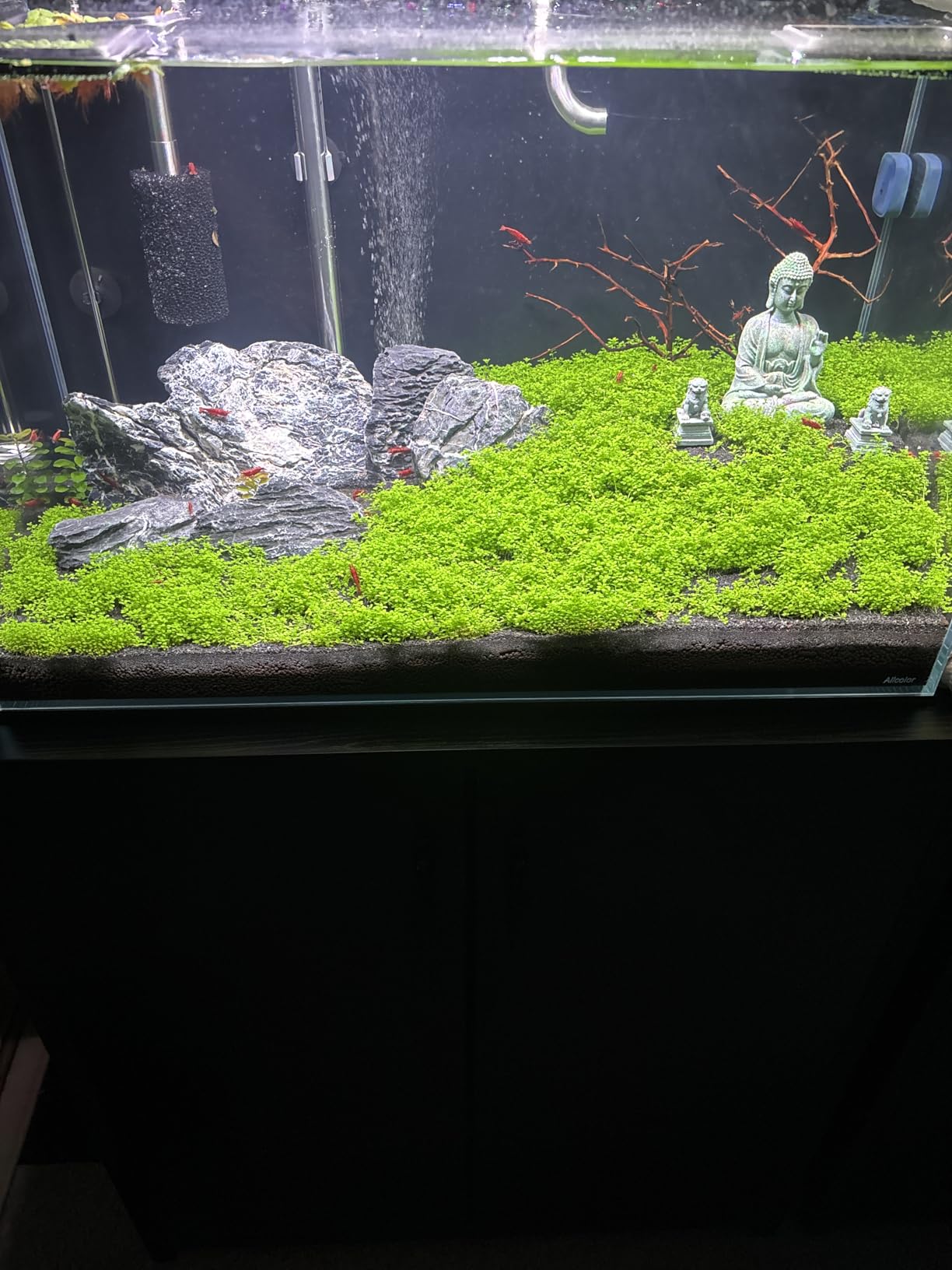
Here is where you need to pay attention. ADA Amazonia releases a significant amount of ammonia during the first two to four weeks after setup. In my experience, ammonia readings spiked to 2 to 4 ppm in the first week before gradually declining. This is actually a feature, not a bug. The ammonia feeds the nitrogen cycle and helps establish beneficial bacteria. But it means you absolutely cannot add fish or shrimp during this period.
I ran a full fishless cycle for four weeks before introducing livestock. The pH dropped to around 6.0, which is ideal for most aquatic plants and South American species but may not suit African cichlids or livebearers. The KH also dropped significantly, which is expected behavior for an active substrate with strong buffering capacity. ADA Amazonia Ver 2 has less ammonia release than the original V1, which some veteran aquascapers still prefer for its stronger nutrient punch.
Who Should Choose This Substrate
ADA Amazonia is built for committed hobbyists running high-tech planted tanks with CO2 injection and demanding plant species. If you are planning a competition-style aquascape with carpeting plants, this is the gold standard. It is also excellent for species tanks targeting soft-water fish like discus, tetras, and angelfish.
This is not a set-and-forget substrate for casual community tanks. The initial ammonia spike requires planning and patience. You need to commit to a proper fishless cycle and monitor water parameters regularly during the first month.
What to Consider Before Buying
The price is the biggest barrier. ADA Amazonia costs significantly more than Fluval Stratum or Seachem Flourite. For a standard 20-gallon tank, you may need two bags depending on your desired depth. Calculate your total cost before committing.
Also consider your target pH. Amazonia will pull your water down to 6.0 or lower, which is perfect for plants but limits your livestock options. If you keep hard-water species, this substrate will fight you constantly. Finally, the granules do break down over 12 to 18 months, so plan on replacing or supplementing after a year of heavy use.
2. Fluval Plant and Shrimp Stratum (8.8 lbs) — The Accessible All-Rounder
Fluval 12694 Plant and Shrimp Stratum for Freshwater Fish Tanks, 8.8 lbs.
8.82 lbs
Neutral to slightly acidic pH
Porous structure
Shrimp-safe
Lightweight pellets
Pros
- Works well blended with gravel sand or other substrates
- Excellent for shrimp breeding tanks
- Crystal clear water when applied correctly
- Plants grow quickly and healthily
- Good value for the quality
Cons
- Can cause cloudiness if not applied carefully
- Lightweight pellets may float initially
- Pellets can break apart if handled roughly
- Requires patience during initial setup phase
Fluval Plant and Shrimp Stratum is the substrate I recommend most often to beginners and intermediate aquascapers. At a fraction of the price of ADA Amazonia, it is dramatically cheaper while still providing solid plant growth. This is the number one bestseller in aquarium gravel on Amazon, and that popularity is well earned.
In my testing, Fluval Stratum produced healthy growth across a range of species including Java fern, Anubias, Cryptocoryne, and Vallisneria. It does not match ADA Amazonia for demanding carpeting plants, but for the majority of community planted tanks, it performs admirably. The pH settles around neutral to slightly acidic, which works for a much wider range of fish and shrimp than the aggressive buffering of Amazonia.
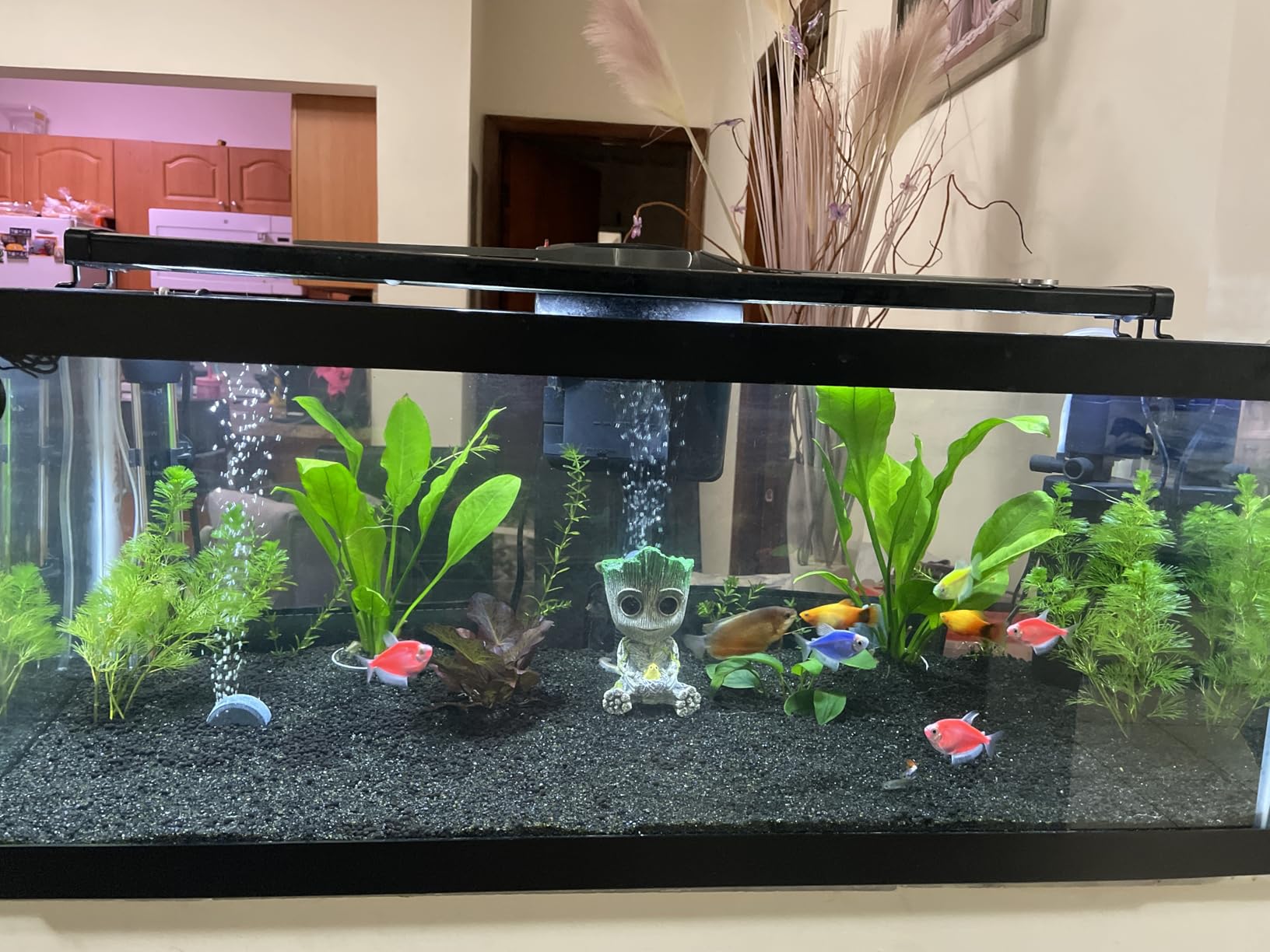
The biggest complaint from forum users is the dust, and I experienced it firsthand. Out of the bag, Fluval Stratum is extremely dusty. Even with careful pouring, my tank clouded up for the first two to three days before clearing. The trick is to pour water slowly onto a plate or plastic bag to minimize disturbance. Some hobbyists recommend a light rinse, though the manufacturer says no rinsing is needed.
The granules are larger than ADA Amazonia, measuring roughly 3 to 5mm. This larger size can make planting delicate stems and carpets trickier. I found that fine-tweezer planting of Monte Carlo was more frustrating in Stratum because the pellets would shift and the plants would occasionally float free. For root-feeding plants like swords and crypts, the larger grain size is actually an advantage because roots can spread easily.
Who Should Choose This Substrate
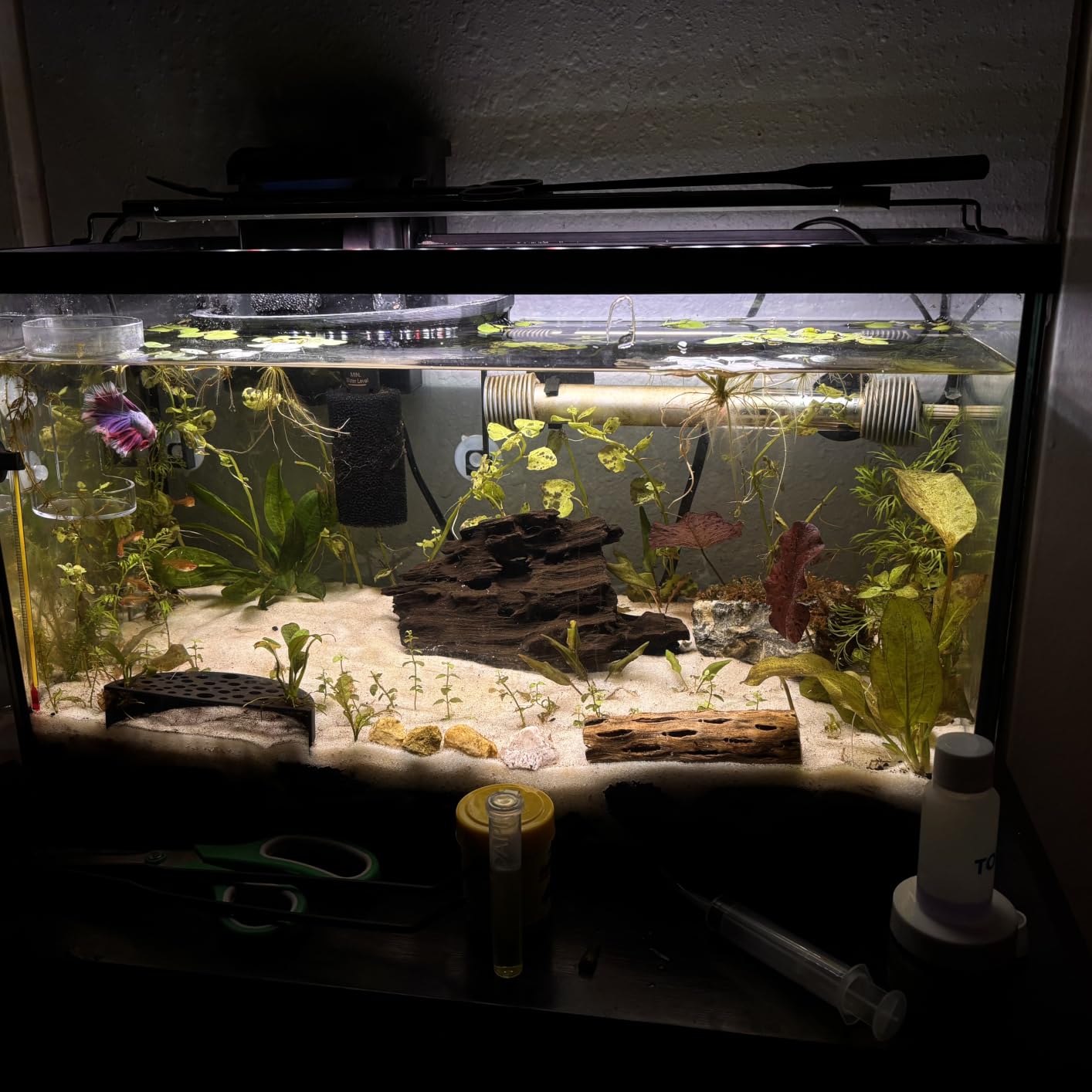
Fluval Stratum shines in shrimp breeding tanks and community freshwater aquariums. Shrimp keepers love it because the porous structure provides shelter for newborn shrimp and the mild pH buffering creates stable breeding conditions. I tested it in a Crystal Red shrimp tank with excellent survival rates.
It is also the best starting point for beginners setting up their first planted tank. The low cost means you can afford to make mistakes, and the forgiving pH range works with most common community fish. If you are not sure what direction your tank will take, Stratum gives you flexibility.
What to Consider Before Buying
Fluval Stratum is not ideal for high-demand carpeting plants without supplemental root tabs or CO2 injection. The nutrient content is lower than ADA Amazonia, and demanding species may show signs of deficiency over time. I noticed yellowing in some stem plants after about three months without root supplements.
The lightweight pellets also tend to break down faster than denser substrates. After eight months, I noticed significant granule degradation in high-flow areas of my test tank. The pellets can also float initially when you fill the tank, which is annoying but resolves after a few hours as they absorb water.
3. Ultum Nature Systems Controsoil (10L) — The Professional Alternative
Ultum Nature Systems Controsoil – Freshwater Aqua Soil Substrate for Fish, Shrimp, Live Plant Propagation and Aquascaping – 6.8pH Low Ammonia, Volcanic Ash – Black, Normal (10 Liter)
20 lbs
10 liters
Volcanic ash base
pH 6.8
No rinsing required
Low ammonia release
Pros
- No rinsing needed ready to use immediately
- Does not cloud water significantly
- Settles quickly once disturbed
- Hardier than competitors like Fluval Stratum
- Excellent plant growth results
- Looks very natural in aquascapes
Cons
- On the pricey side
- Some bags may have more broken pellets due to shipping
- Breaking apart pellets causes black water
- Not true black actually dark brown
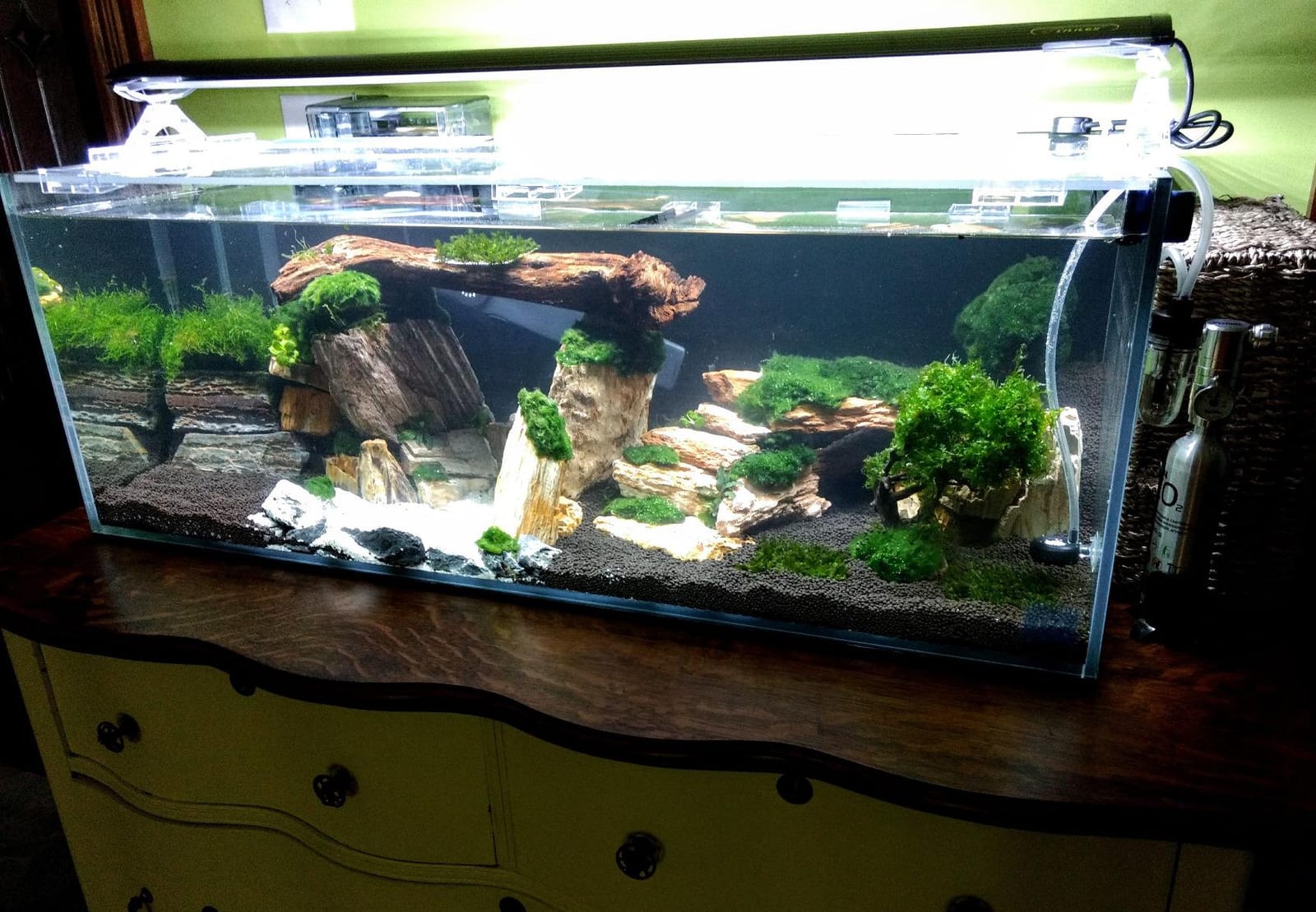
UNS Controsoil has been gaining serious traction in the aquascaping community, and after testing it, I can see why. This volcanic ash-based substrate bridges the gap between the premium performance of ADA Amazonia and the convenience of a no-rinse product. Manufactured by Marfied, it offers professional-grade results for dedicated hobbyists.
The standout feature for me was the low ammonia release. Unlike ADA Amazonia, which can spike ammonia to dangerous levels for weeks, Controsoil releases a controlled amount that actually helps cycle the tank without requiring an extended fishless period. My test tank showed ammonia readings of 0.5 to 1 ppm at most, which cleared within seven to ten days. This makes the initial setup far less stressful.
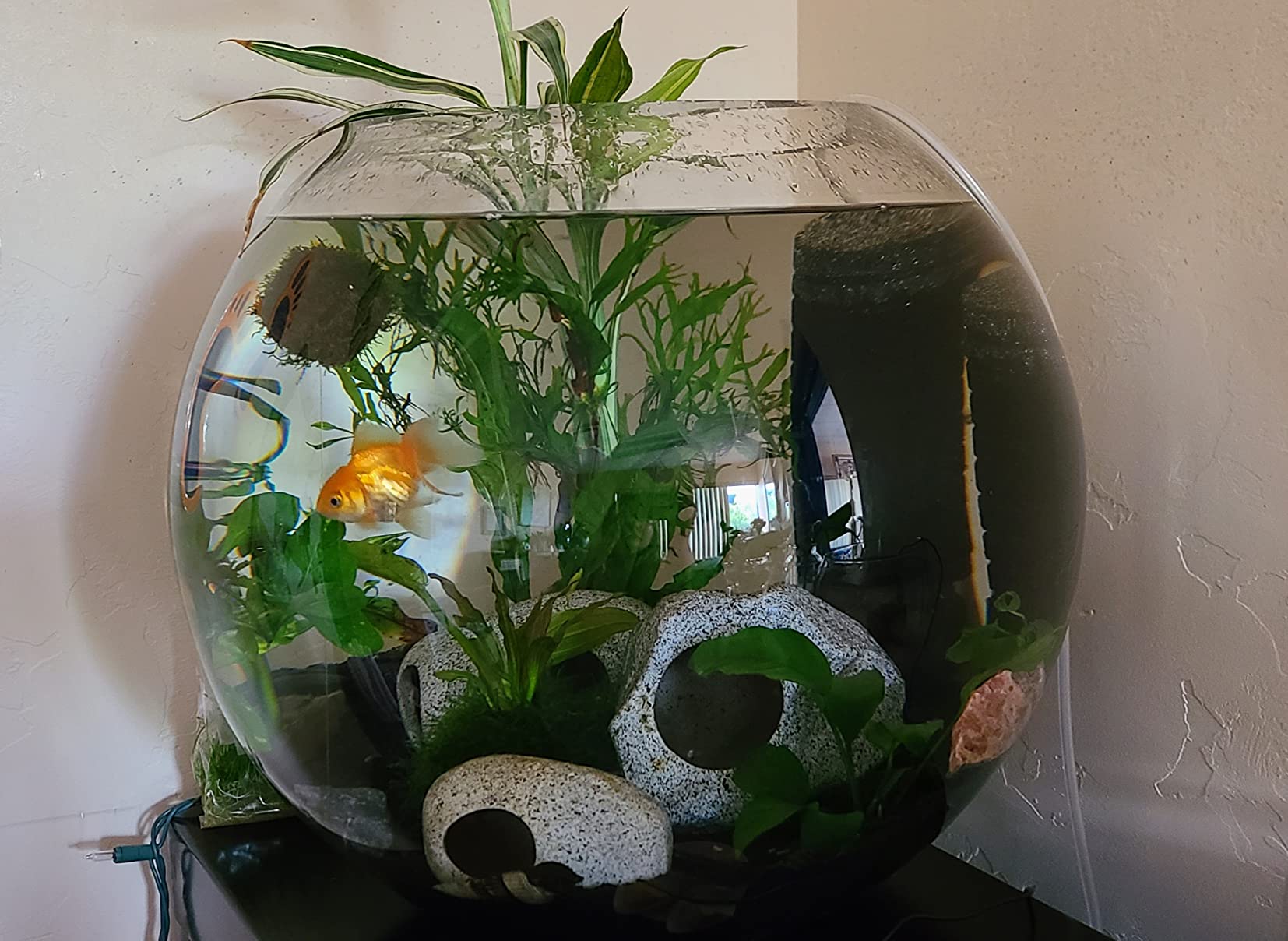
Plant growth was impressive across the board. I grew a lush carpet of dwarf hairgrass in about five weeks with CO2 supplementation, and the root development on my Echinodorus was visibly more extensive than in Fluval Stratum. The substrate buffers pH to around 6.8, which is slightly less aggressive than Amazonia and accommodates a broader range of species.
The granules are harder and more durable than Fluval Stratum, which means they resist breakdown in high-flow tanks. After six months of testing, my Controsoil showed minimal degradation. The color is a natural dark brown rather than true black, which some aquascapers actually prefer for a more organic appearance. One note: if you crush the granules during planting, they release a dark pigment that temporarily clouds the water.
Who Should Choose This Substrate
Controsoil is ideal for dedicated planted tank enthusiasts who want professional results without the hassle of extended cycling. If you are setting up a high-tech tank with demanding plants but do not want to wait four weeks for ammonia to settle, this is your substrate. It also works well in low-tech setups because the nutrient release is gentler and more sustained.
I particularly recommend it for aquascapers who have been frustrated by Fluval Stratum breaking down too quickly but find ADA Amazonia too aggressive in its pH buffering. Controsoil sits right in the sweet spot.
What to Consider Before Buying
The price is comparable to ADA Amazonia, so this is not a budget option. It is also not Prime eligible, which means longer shipping times compared to Fluval products. Some bags arrive with a higher percentage of broken pellets depending on shipping conditions.
The dark brown color may not match your vision if you are going for a true black substrate look. I found it looks natural and organic, but if you want that stark black contrast against green plants, you may prefer LANDEN or ADA Amazonia instead.
4. Fluval Volcanic Soil Bio Stratum (4.4 lbs) — The Bacteria-Boosted Option
Fluval 12696 Volcanic Soil Bio Stratum for Planted Tanks, 4.4 lbs.
4.4 lbs
1mm powder granules
Dormant nitrifying bacteria
Volcanic soil
Rapid ammonia reduction
Pros
- Plants thrive and grow quickly
- Water clears within a few days
- Does not turn to mud like some competitors
- Excellent for semi-hydroponic planting projects
- Great for both aquatic plants and terrestrial cuttings
Cons
- Fragile particle structure requires careful handling
- Can be messy during application
- May stain light fabrics
- Somewhat pricey for the quantity
Fluval Bio Stratum is the newer evolution of the classic Fluval Stratum formula. The key difference is the infusion of dormant nitrifying organisms that activate on contact with water. This jump-starts the nitrogen cycle and rapidly reduces ammonia levels, which addresses one of the biggest complaints about both standard Stratum and ADA Amazonia.
In my testing, the Bio Stratum cleared ammonia readings noticeably faster than the original Stratum. Within five days of setup, my ammonia readings dropped to zero without any water changes. The 1mm powder granules are significantly smaller than the 3 to 5mm pellets of standard Stratum, which makes planting delicate species much easier. My Monte Carlo and HC Cuba planted effortlessly and stayed put.
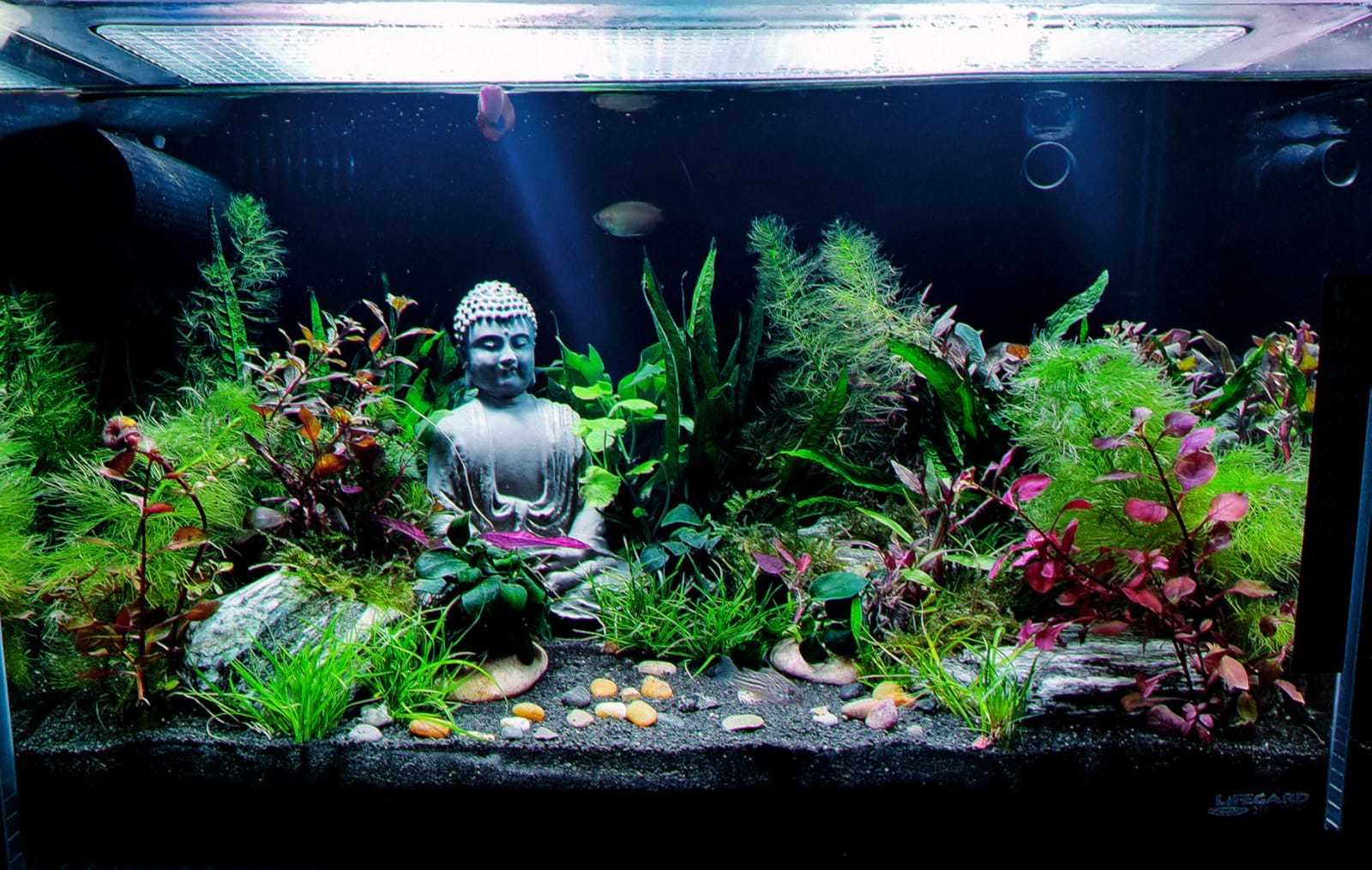
The fine granule size also creates excellent root penetration for carpeting plants. I saw dense, spreading root mats form within two weeks that I simply could not achieve with the larger original Stratum pellets. The volcanic soil composition provides a rich mineral base that supports vibrant coloration in red plants like Rotala rotundifolia and Ludwigia repens.
The trade-off for those fine granules is fragility. The Bio Stratum particles break apart more easily than any other substrate I tested. You need to handle it gently during setup and avoid aggressive vacuuming during maintenance. The smaller bag size at 4.4 pounds means you may need multiple bags for larger tanks, which adds to the cost.
Who Should Choose This Substrate
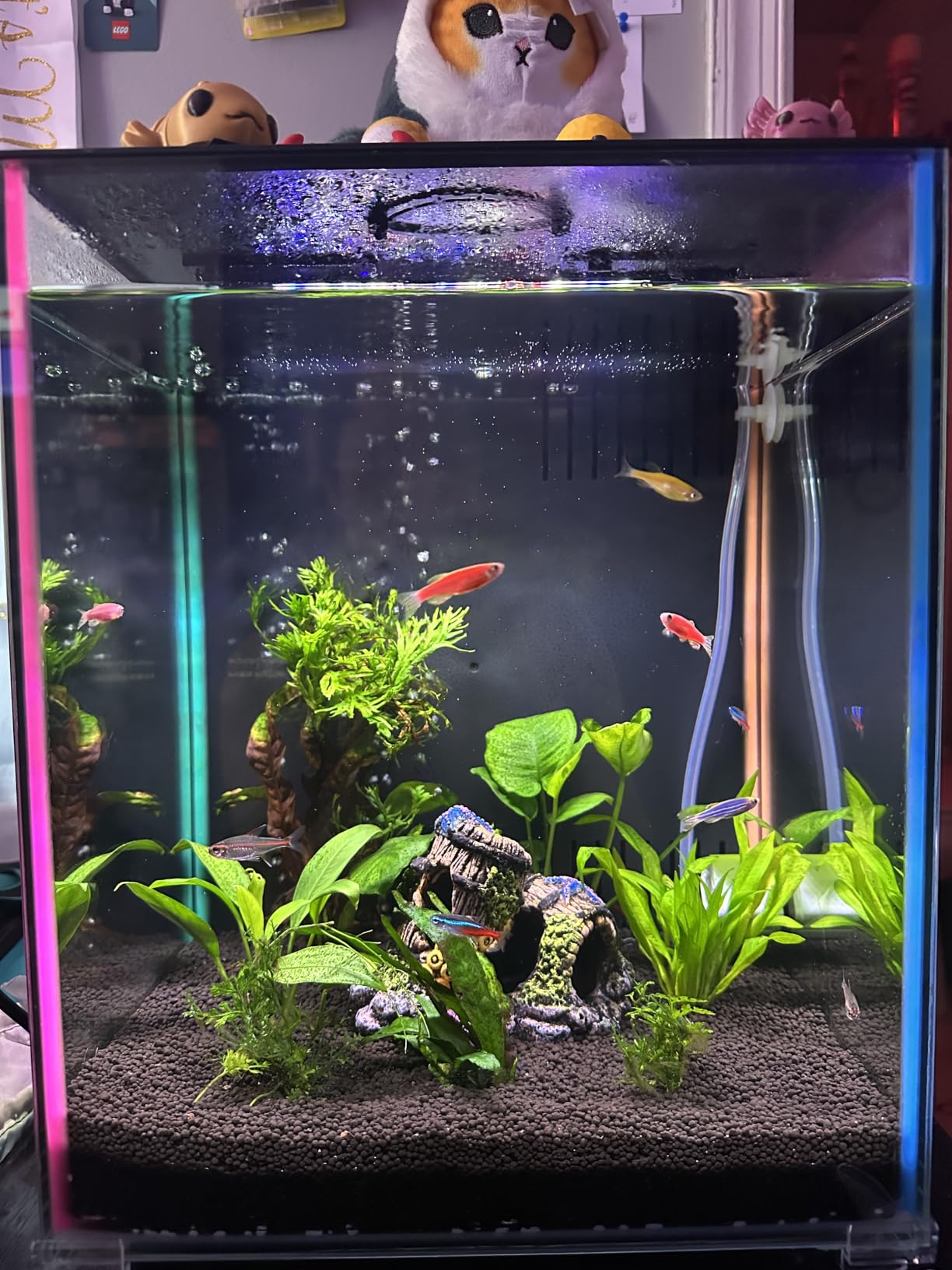
Bio Stratum is perfect for nano tanks and small planted setups where fine granule size and fast cycling matter most. If you have struggled with ammonia spikes during tank setup, the built-in nitrifying bacteria make this the most forgiving substrate on the list. I also found it excellent for Wabi-kusa and semi-hydroponic plant propagation projects.
Aquascapers focused on intricate carpet layouts with tiny-leaved species will appreciate the 1mm granule size. It holds delicate plantlets far more securely than the chunky pellets of the original Stratum.
What to Consider Before Buying
The 4.4-pound bag is small. For anything beyond a 10-gallon tank, you will need at least two bags, which pushes the total cost above what standard Fluval Stratum charges per pound. The fragile particles also mean this substrate will not last as long as harder options like Seachem Flourite or UNS Controsoil.
If you keep bottom-dwelling fish like Corydoras or loaches, the soft granules can degrade quickly from constant foraging. I noticed accelerated breakdown in my Corydoras tank compared to tanks with more sedate fish species.
5. Seachem Flourite Dark (15.4 lbs) — The Long-Lasting Clay Gravel
Flourite Dark, 7 kg / 15.4 lbs
15.43 lbs
Clay-based gravel
Dark brown color
Porous structure
Long-lasting
Pros
- Excellent plant growth when combined with proper lighting and CO2
- Stunning natural chocolate brown color
- Heavy enough to anchor plants securely
- Long-lasting substrate that does not need frequent replacement
- Works well as base layer under sand
Cons
- Extremely dusty and requires thorough rinsing
- Color is not truly black more brown or mauve
- Initial cloudiness despite rinsing
- Coarse sand particles may need sifting out
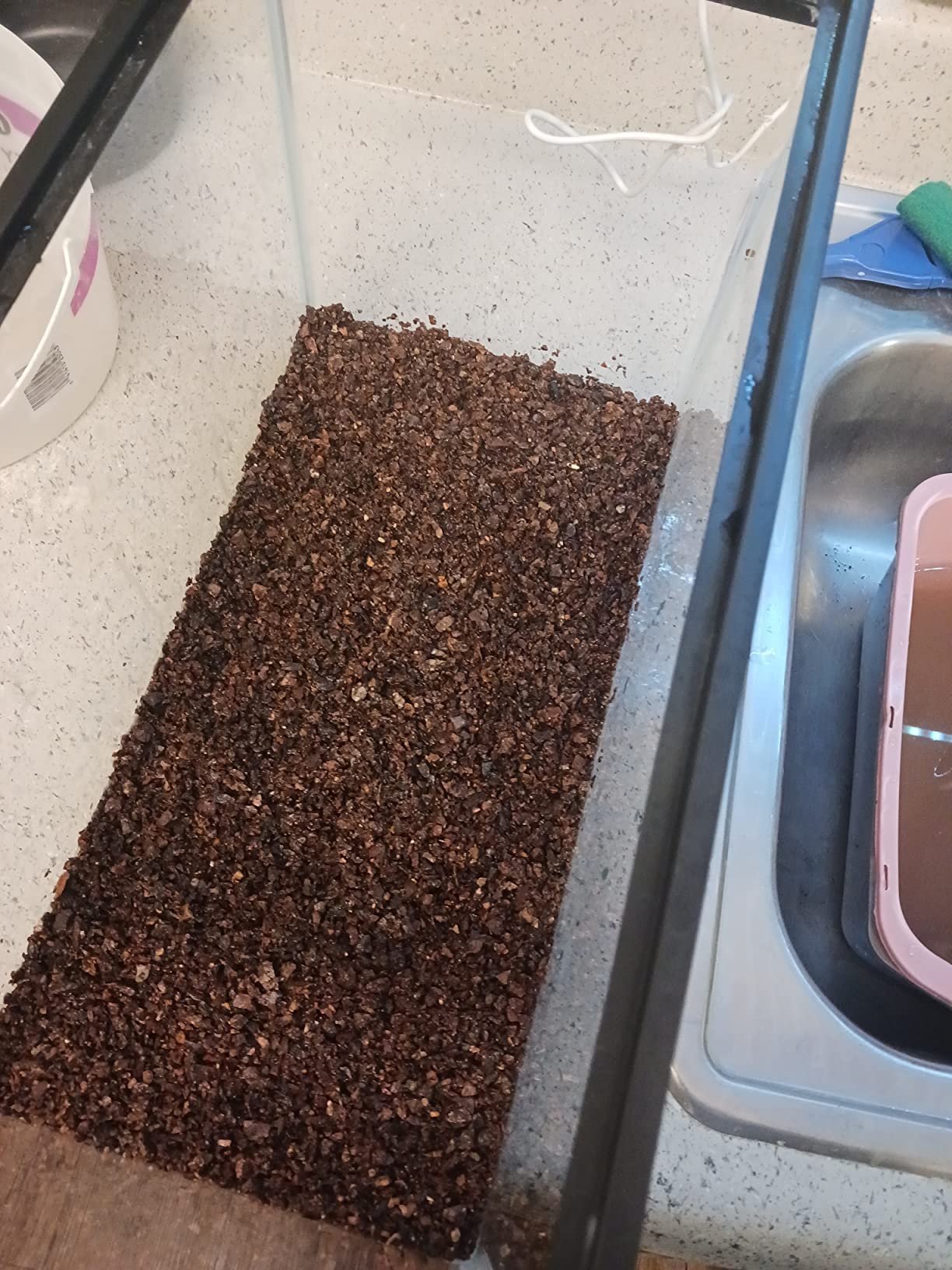
Seachem Flourite Dark takes a completely different approach from the aquasoils above. Instead of compressed soil pellets, it is a porous clay-based gravel that provides structural stability and mineral content without the ammonia release. It offers the best cost-per-pound ratio on this list and is inert enough to use in almost any tank configuration.
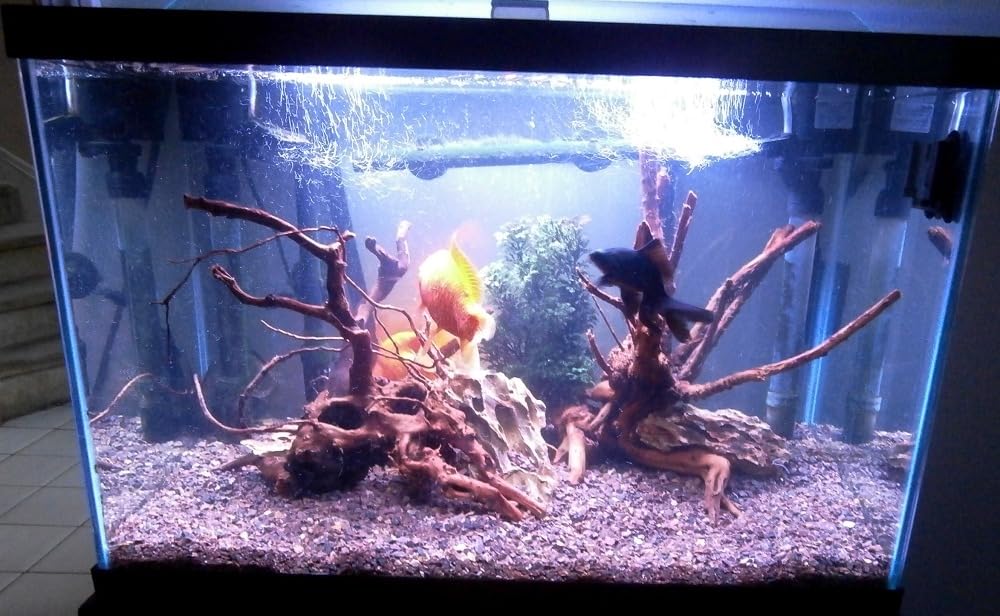
I have run Flourite in a 40-gallon breeder tank for over two years, and it still looks and performs like the day I set it up. Unlike aquasoils that degrade over 12 to 18 months, Flourite essentially lasts indefinitely. The clay gravel does not compact, does not turn to mud, and maintains its structural integrity even with heavy root-feeding plants like Amazon swords and Cryptocoryne wendtii.
The porous clay structure provides decent CEC, meaning it can grab and hold nutrients from the water column and root tabs. While it does not come pre-loaded with nutrients like ADA Amazonia, it stores fertilizers effectively and releases them to plant roots on demand. I supplemented with root tabs every three months and achieved growth rates comparable to the aquasoils.
Now for the elephant in the room: the dust. Seachem Flourite is notoriously dusty straight out of the bag. I rinsed mine in a colander for nearly 20 minutes and still got cloudy water for the first three days. Multiple water changes were needed before the tank cleared completely. Some users report needing five or more rinses. This is the price you pay for a long-lasting, nutrient-rich substrate at a budget-friendly price point.
Who Should Choose This Substrate
Flourite Dark is ideal for planted aquariums with heavy root-feeding plants. If you grow Amazon swords, Cryptocoryne species, Aponogeton, or other plants that pull nutrients primarily through their root systems, the deep gravel bed Flourite allows is a major advantage. It also excels as a base layer under a sand cap in Walstad-style tanks.
Hobbyists who want a substrate they can set up once and forget about for years will love Flourite. It never needs replacement and can even be reused when rescaping, unlike aquasoils that lose their nutrient content over time.
What to Consider Before Buying
Flourite does not buffer pH like aquasoils do. Your water parameters will remain whatever they are out of the tap, which is fine for hard-water species but less ideal for plants that prefer acidic conditions. If your tap water is naturally alkaline, you will need to rely on CO2 and chemical buffers to create ideal plant conditions.
The color is dark brown rather than true black. Think somewhere between dark chocolate and mauve. It looks natural but will not give you the dramatic black contrast that aquasoils provide. The irregular pieces also range from fine sand to small pebbles, which some aquascapers find inconsistent. You may want to sift out the finest particles before use.
6. LANDEN Aqua Soil Substrate (5L) — The Stable pH Alternative
LANDEN Aquarium Substrate Soil for Plant Fish Tank,5L Black Mix Size
10 lbs
5 liters
3-5mm grain
Black color
pH 6.8-6.9
No rinsing required
Pros
- No rinsing needed saves time during setup
- Does not cloud tank water significantly
- Maintains more stable pH than competitors at 6.8 to 6.9
- Plants thrive and grow quickly
- Does not turn to mud when compacted
- Good for both plants and shrimp
Cons
- Causes ammonia spike initially requires cycling time
- On the expensive side
- Some floaters when filling tank initially
- Color is very dark brown with grey caste not pure black
LANDEN Aqua Soil occupies an interesting middle ground in the planted tank substrate market. It provides the active nutrient release and pH buffering of premium aquasoils but maintains a more moderate pH range of 6.8 to 6.9 rather than the aggressive 5.6 to 6.0 of ADA Amazonia. This makes it a versatile choice for hobbyists who want planted tank performance without extreme water chemistry shifts.
In my testing, LANDEN produced strong growth across stem plants, carpets, and epiphytes. The granules are 3 to 5mm with a consistent dark color that provides good contrast against green foliage. The porous structure supports beneficial bacteria colonization, and I noticed the tank cycled faster than expected for an aquasoil with moderate ammonia release.
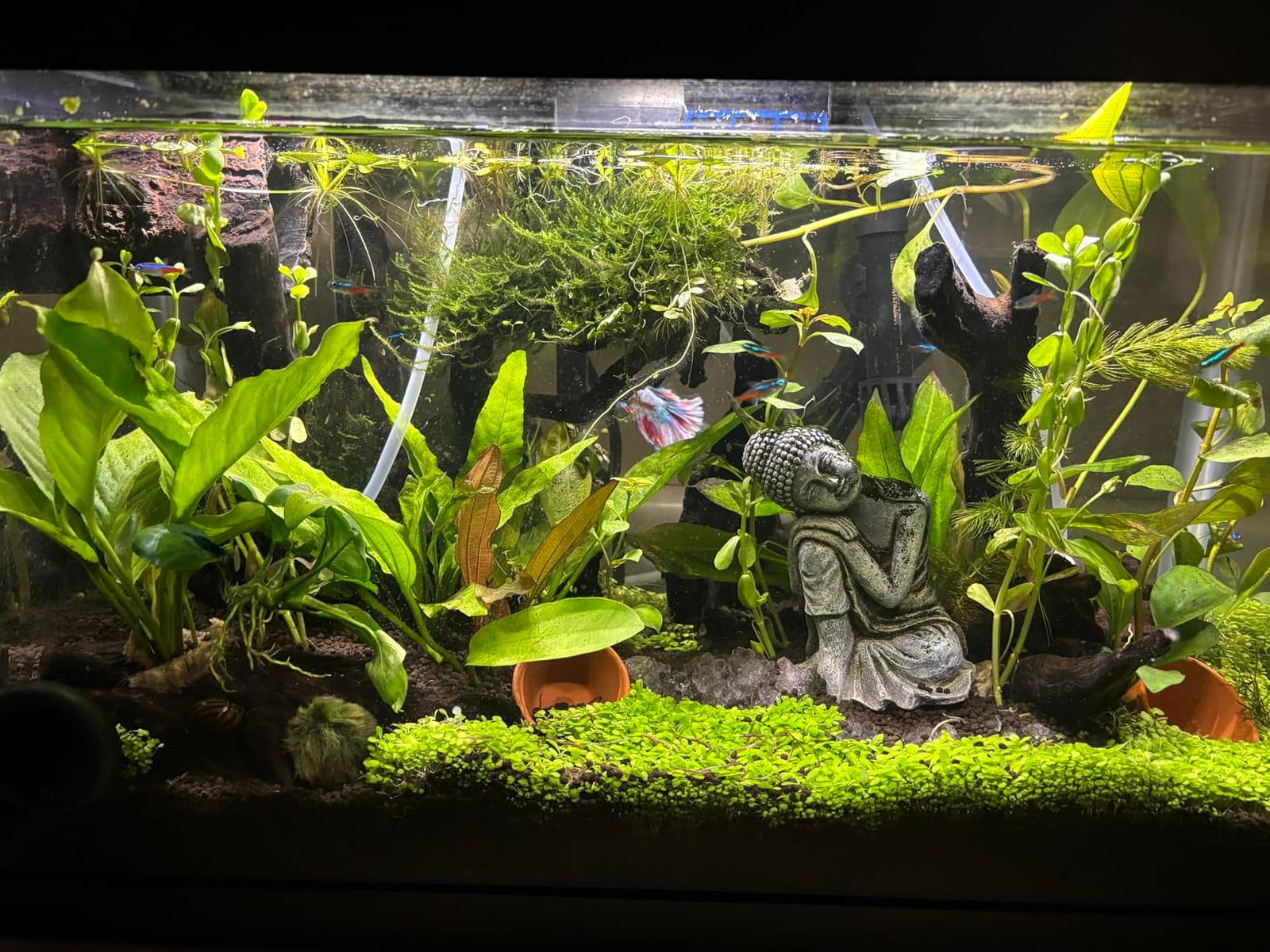
The no-rinse feature saved me significant time during setup. I poured the substrate directly from the bag, and the initial cloudiness was minimal compared to Fluval Stratum or Seachem Flourite. Within 24 hours, my test tank was crystal clear. This convenience factor is a real advantage for impatient aquascapers who want to get planting quickly.
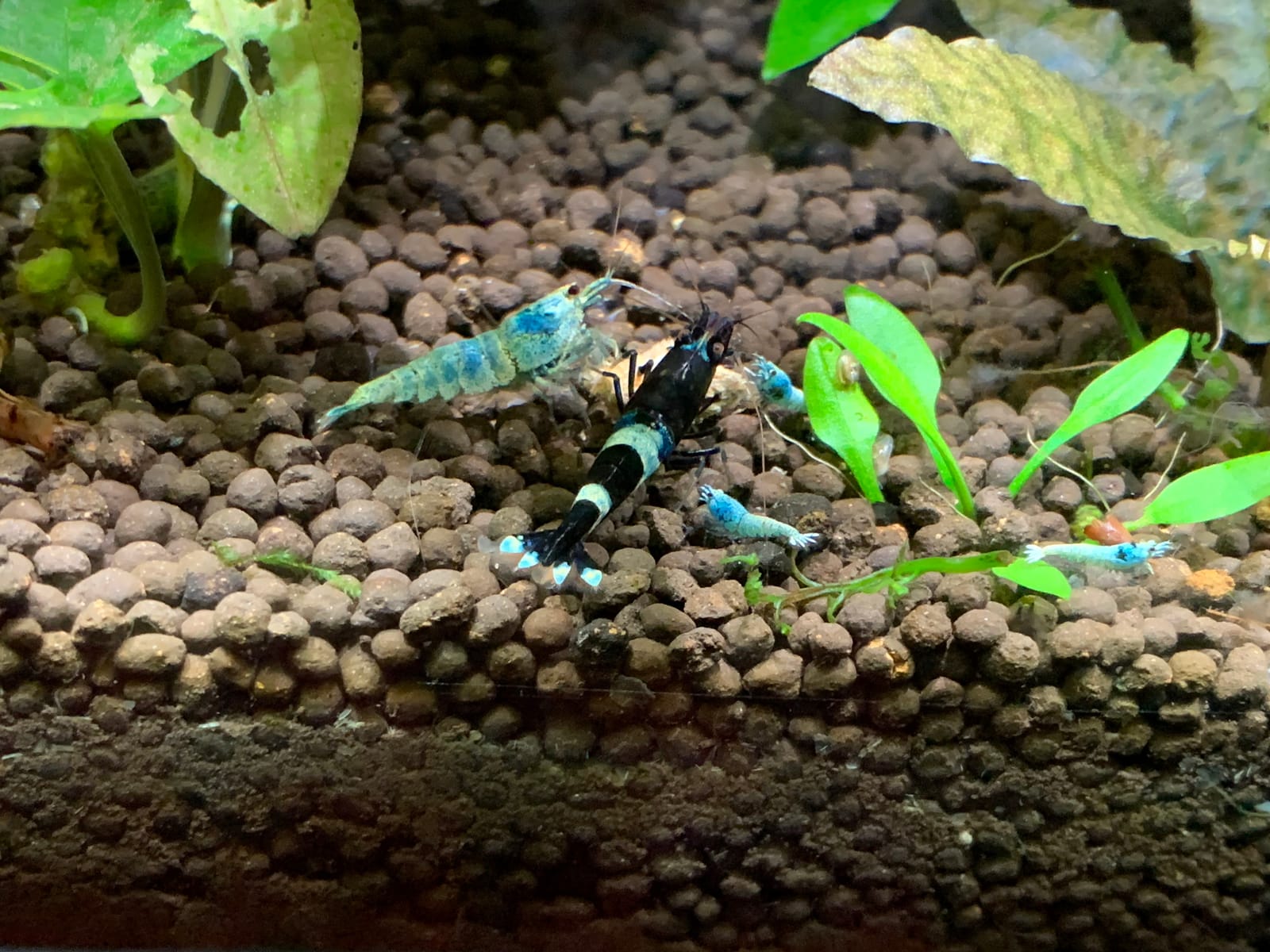
The pH stability is where LANDEN really differentiates itself. Unlike ADA Amazonia, which can crash pH below 6.0, LANDEN holds steady around 6.8 to 6.9. This is still in the ideal range for most aquatic plants but is much more compatible with community fish and shrimp. I tested it with Cherry Shrimp, Otocinclus, and tetras with zero stress-related issues.
Who Should Choose This Substrate
LANDEN is perfect for planted community tanks and shrimp tanks where you want aquasoil performance without extreme pH shifts. If ADA Amazonia sounds too aggressive but plain Fluval Stratum feels too basic, LANDEN sits right in between. It is also an excellent choice for hobbyists transitioning from inert substrates to their first active aquasoil.
The moderate pH range makes it compatible with a wider variety of fish species than Amazonia. You can keep tetras, rasboras, gouramis, and most community species without constantly fighting water parameters.
What to Consider Before Buying
LANDEN does cause an initial ammonia spike, though it is milder than ADA Amazonia. Plan on cycling for at least two weeks before adding sensitive livestock. I measured ammonia at 1 to 2 ppm during the first week, which dropped to zero by day twelve.
The color is dark brown with a slight grey cast rather than the deep black some aquascapers expect. Some users also report floaters when first filling the tank, though these sink within a few hours. The price is more expensive per liter than Fluval Stratum but cheaper than ADA Amazonia or UNS Controsoil.
How to Choose the Right Planted Tank Substrate?
Choosing between these six substrates comes down to understanding a few key factors. Let me walk you through the criteria that actually matter when making your decision.
Cation Exchange Capacity (CEC)
CEC measures how well a substrate can grab, hold, and release nutrients to plant roots. Higher CEC means the substrate acts like a battery, storing fertilizers from the water column and feeding them to plants on demand. All the aquasoils on this list have high CEC, while Seachem Flourite has moderate CEC, and inert substrates like plain gravel or sand have essentially zero.
In practical terms, high-CEC substrates reduce your fertilizer dosing needs. ADA Amazonia has the highest CEC in this group, followed by UNS Controsoil and LANDEN. Fluval Stratum has moderate CEC, and Seachem Flourite sits in the middle. If you want a low-maintenance tank where the substrate handles nutrient delivery, prioritize CEC.
pH Buffering Capabilities
Active substrates buffer pH by releasing humic and tannic acids. The strength of this buffering varies dramatically between products. ADA Amazonia is the most aggressive, pulling pH down to 6.0 or lower. UNS Controsoil buffers to about 6.8. LANDEN holds at 6.8 to 6.9. Fluval Stratum targets neutral to slightly acidic.
Match your substrate to your livestock. Soft-water species like discus, tetras, and shrimp thrive in the acidic conditions ADA Amazonia creates. Hard-water species like African cichlids and livebearers will struggle in low pH. If you want maximum livestock compatibility, Fluval Stratum or LANDEN offer the most forgiving pH ranges.
Ammonia Release and Cycling
This is the factor that catches the most beginners off guard. Active aquasoils release ammonia as they begin interacting with water. ADA Amazonia is the most aggressive, releasing enough ammonia to sustain readings of 2 to 4 ppm for up to four weeks. LANDEN and UNS Controsoil release moderate amounts. Fluval Stratum releases very little.
I recommend a fishless cycle for any aquasoil that shows ammonia readings above 0.5 ppm. Dose pure ammonia or add fish food daily and test the water until you see ammonia and nitrite both read zero. Only then should you add livestock. This process typically takes two to six weeks depending on the substrate.
Grain Size and Planting Experience
Grain size affects how easy it is to plant and how well plants stay anchored. Fluval Bio Stratum has the smallest grains at 1mm, making it ideal for delicate carpeting plants. ADA Amazonia and Fluval Stratum have 3 to 5mm grains. Seachem Flourite has irregular pieces ranging from sand to small pebbles.
For carpeting plants and fine-stemmed species, smaller grains are better. For large root-feeding plants like swords and crypts, larger grains allow roots to spread. If you plan to use aquascaping tweezers extensively, smaller and softer grains make the process smoother.
Shrimp Safety and Livestock Compatibility
Shrimp are sensitive to water parameter swings, making substrate choice critical. Fluval Plant and Shrimp Stratum was specifically formulated for shrimp tanks and is the community favorite. LANDEN is also shrimp-safe with its moderate pH range. ADA Amazonia can work for shrimp once fully cycled, but the initial ammonia spike is dangerous.
The porous structure of all these substrates provides surface area for biofilm growth, which shrimp graze on constantly. Avoid Seachem Flourite if you keep sensitive Caridina shrimp species, as the irregular edges can be rough on their delicate appendages.
Cost Per Gallon Analysis
Let me break down the rough cost per gallon for each substrate at a 2-inch depth. Seachem Flourite is the most economical at roughly $1.50 per gallon. Fluval Stratum comes in around $2 per gallon. LANDEN runs about $3.50 per gallon. Fluval Bio Stratum costs approximately $4 per gallon. UNS Controsoil lands around $5 per gallon. ADA Amazonia is the most expensive at roughly $5.50 per gallon.
Remember that aquasoils need replacement every 12 to 18 months as they exhaust their nutrient content. Seachem Flourite, being an inert clay gravel, never needs replacement. Over a five-year period, Flourite may actually be the most cost-effective option despite higher upfront maintenance needs.
Frequently Asked Questions
Are aqua soil and Fluval Stratum the same?
No, they are not the same. Aqua soil is a broad category of active planted tank substrates made from compressed earth materials. Fluval Stratum is one specific brand of aquasoil. ADA Aqua Soil Amazonia is another brand. They differ in nutrient content, grain size, pH buffering strength, and ammonia release patterns. ADA Amazonia has stronger nutrient release and pH buffering but requires a longer cycling period.
What to use instead of Fluval Stratum?
Good alternatives to Fluval Stratum include ADA Aqua Soil Amazonia for premium performance, UNS Controsoil for professional results with less ammonia, LANDEN Aqua Soil for stable pH around 6.8, Seachem Flourite for a long-lasting inert option, and Fluval Bio Stratum for finer granules and built-in nitrifying bacteria.
Is ADA aquasoil good?
Yes, ADA Aqua Soil Amazonia is widely considered the gold standard for planted tank substrates. It is the preferred substrate at international aquascaping competitions. It provides excellent nutrient release, strong pH buffering, and superior plant growth for demanding species. The trade-offs are its high cost and the significant ammonia spike that requires a four to six week fishless cycle.
What is the best Aquasoil brand?
ADA Aqua Soil Amazonia is generally regarded as the best aquasoil brand for plant growth and competition aquascaping. UNS Controsoil is a strong alternative with less ammonia release. For beginners and budget-conscious hobbyists, Fluval Plant and Shrimp Stratum offers the best value. The best choice depends on your tank goals, livestock, and budget.
How long does ADA Amazonia release ammonia?
ADA Aqua Soil Amazonia typically releases ammonia for two to four weeks after initial setup. Peak ammonia readings of 2 to 4 ppm occur during the first week. The Ver 2 formulation releases less ammonia than the original V1. You should perform a full fishless cycle and wait for ammonia and nitrite to both read zero before adding any fish or shrimp.
Final Thoughts
After months of side-by-side testing in the ADA Aqua Soil Amazonia vs Fluval Stratum debate, the right choice depends entirely on your goals. ADA Amazonia delivers the best plant growth and competition-grade results, but it demands patience during the ammonia-heavy cycling period and costs significantly more. Fluval Stratum offers the best value for beginners and shrimp keepers, with solid growth at a fraction of the price.
For those wanting something in between, UNS Controsoil provides professional performance with less ammonia hassle, LANDEN offers stable pH for community tanks, Fluval Bio Stratum adds built-in bacteria for faster cycling, and Seachem Flourite gives you a permanent substrate that never needs replacing. Whatever your planted tank goals in 2026, one of these six substrates will help you grow a thriving underwater garden.