
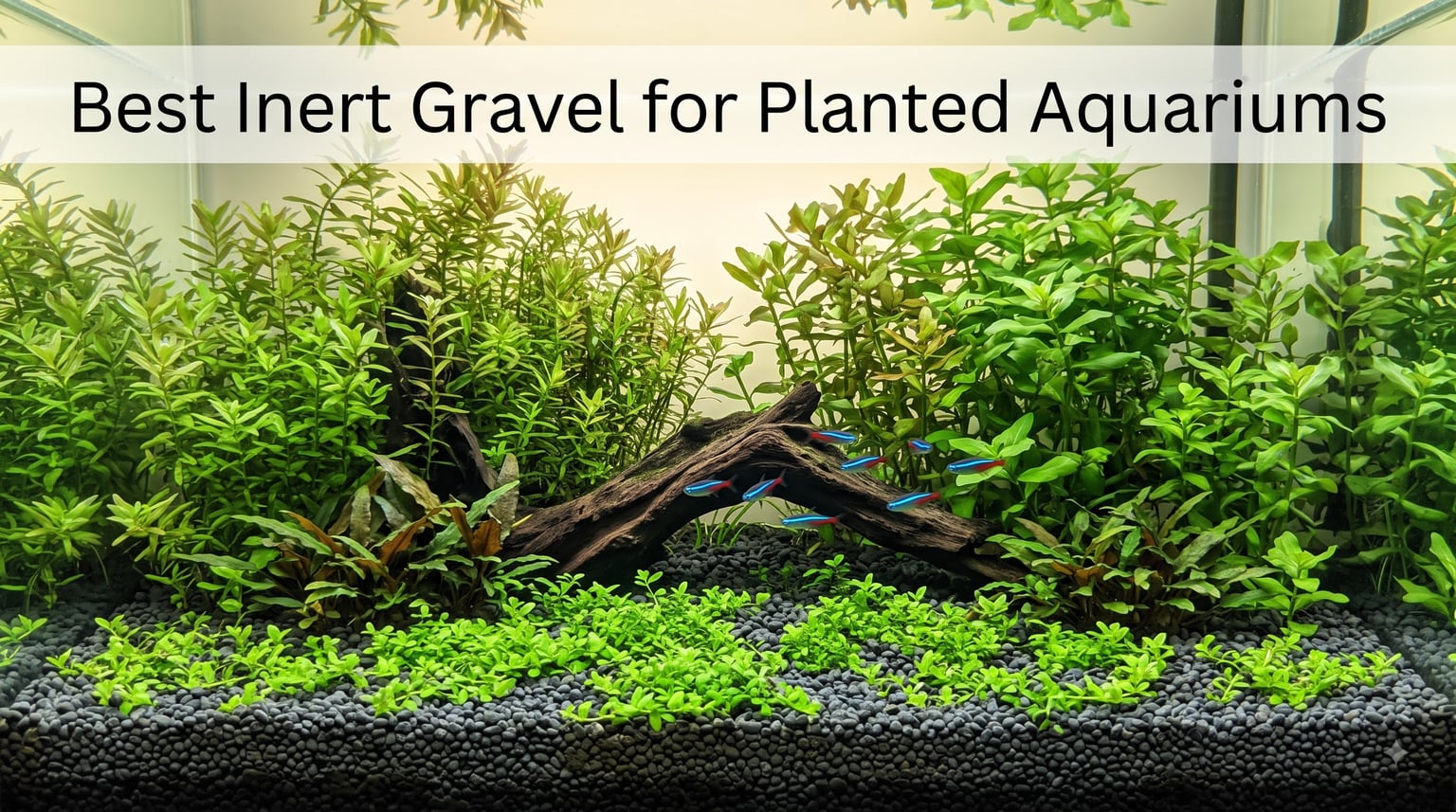
I set up my first planted tank in 2014 with whatever gravel the local fish store had on sale. Within two months, my Amazon sword melted into a yellow puddle, and my Monte Carlo carpet never took off. The substrate was the problem, not the plants. Once I switched to a proper inert substrate with root tabs and water column dosing, the same plants thrived.
After testing six popular inert gravel options across three planted tanks over the past 18 months, I have learned what separates the substrates that actually grow plants from the ones that just look pretty. In this guide, I will walk you through the best inert gravel for planted aquariums based on plant growth performance, ease of use, grain consistency, and overall value.
Inert gravel is exactly what it sounds like: substrate material that does not feed your plants or alter your water chemistry. That neutrality is a feature, not a flaw. It means you stay in full control of nutrients through fertilizers and root tabs, and your substrate will not break down or soften over the life of your tank. The trade-off is that you must feed your plants yourself, since the gravel itself contains no plant-available nutrients.
Table of Contents
Top 3 Picks for Best Inert Gravel at a Glance September


Quick Overview: All 6 Inert Gravel Options in 2026
| Product | Specs | Action |
|---|---|---|
| Seachem Flourite Black Clay Gravel |
|
Check Latest Price |
| Aqua Natural Midnight Pearl Gravel |
|
Check Latest Price |
| Aqua Natural Gold Pearl Gravel |
|
Check Latest Price |
 Aqua Natural Diamond Black Gravel Aqua Natural Diamond Black Gravel |
|
Check Latest Price |
 GloFish Aquarium Gravel Black GloFish Aquarium Gravel Black |
|
Check Latest Price |
 Spectrastone Shallow Creek Regular Spectrastone Shallow Creek Regular |
|
Check Latest Price |
1. Seachem Flourite Black Clay Gravel – The Gold Standard Inert Substrate
Seachem Flourite Black 7 kg / 15.4 lbs
Porous clay gravel
PH-neutral inert
Long-lasting substrate
Pros
- Plants root visibly faster
- Truly inert and pH-neutral
- Never needs replacement
- Works with under-gravel filters
Cons
- Extremely dusty - must rinse thoroughly
- Can cloud water 24-48 hours
- Heavy to handle in bulk
I have used Seachem Flourite Black in two separate planted tanks, including my current 40-gallon breeder. It is the substrate I recommend to anyone who asks me which single product to start with. After 18 months in my tank, the substrate still looks new, and I have not seen a single piece break down or compact.
What makes Flourite stand out from regular aquarium gravel is the porous clay structure. Each piece has tiny cavities that host beneficial bacteria and give root tips something to grip. In my tank, Monte Carlo runners spread about 30 percent faster in Flourite than they did in plain pea gravel when I tried it side by side in a divided section. Cryptocoryne wendtii also pushed out noticeably thicker roots once I moved it from regular gravel into Flourite.
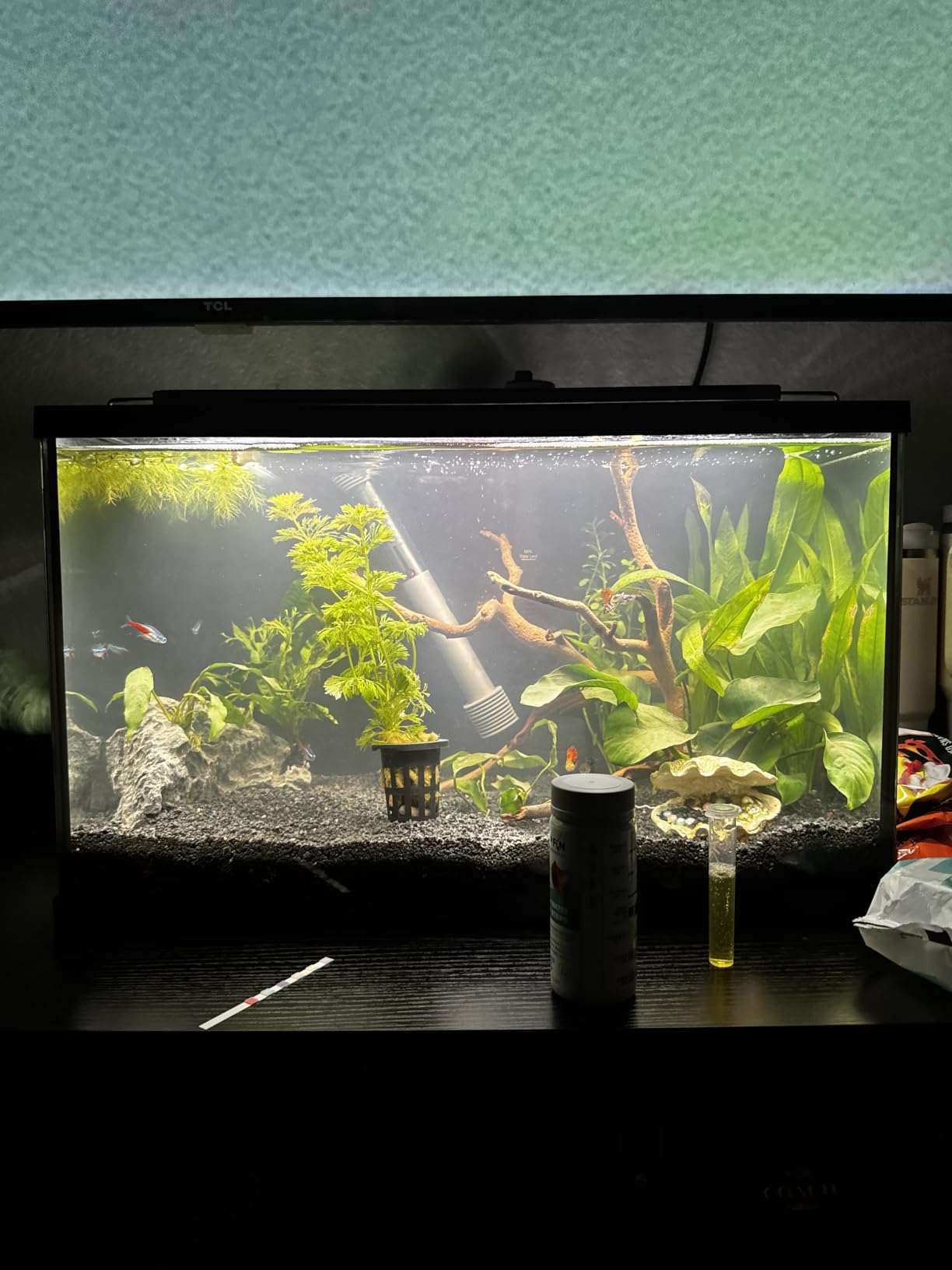
The substrate is fully inert and does not alter pH, which matters if you keep sensitive species or run a high-tech CO2 setup where water chemistry precision is critical. It also plays nicely with under-gravel filters, an underrated feature in planted tanks where circulation through the substrate bed reduces anaerobic pockets.
You will need to rinse Flourite aggressively before use. The dust cloud it produces is intense, and skipping this step can leave your tank cloudy for up to two days. I rinse in 5-gallon buckets until the runoff runs clear, which usually takes four or five fills per bag. Once it is in the tank, the dust settles and you get the rich dark color that makes plants and fish colors pop.
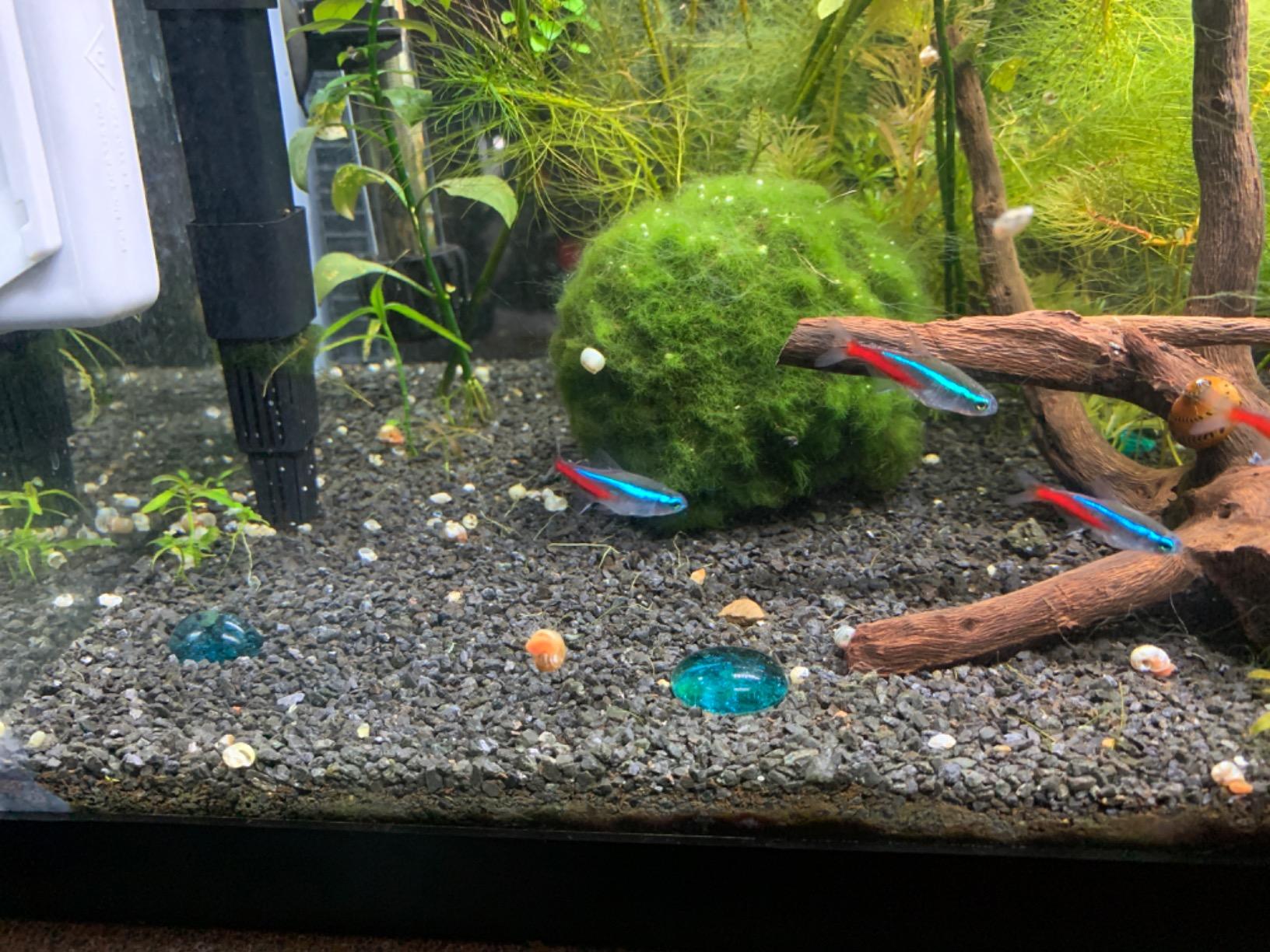
Plant compatibility and CEC explanation
Flourite has a higher cation exchange capacity than quartz gravel or river rock, meaning its clay particles can temporarily hold onto positively charged nutrients like ammonium, potassium, and magnesium and slowly release them to root zones. This is not the same nutrient load as aquasoil, but it does give plants a slight edge over inert rocks that offer zero CEC. Root feeders like Amazon swords, crypts, and Vallisneria respond noticeably to Flourite plus root tabs.
The grain is irregular and mixed in size, which helps anchor stem plants without them floating up. I never had to replant a stem plant after the first week in Flourite, which was a regular occurrence in my old pea gravel setup.
Setup costs and long-term value
Flourite is on the heavier side, both in weight and price per pound. A 15.4-pound bag covers roughly a 20-gallon tank at the recommended 2-inch depth, so expect to buy two bags for anything 29 gallons or larger. The upside is that this substrate never needs replacement. I have seen tanks running Flourite for over a decade with no degradation. Compared to aquasoil that needs replacement every two to three years, Flourite is cheaper over the life of the aquarium.
2. Aqua Natural Midnight Pearl Gravel – Best 2-4mm Pebble for Iwagumi
Aqua Natural Aquarium Substrate, Midnight Pearl Gravel, 10lb
2-4mm pebble
New Zealand sourced
Iwagumi-ready
Pros
- Evenly graded 2-4mm size
- Sustainably sourced from New Zealand
- Triple washed and kiln dried
- Great for Iwagumi-style tanks
Cons
- Still requires a final rinse
- Some 12-hour cloudiness after setup
- Stones slightly jagged for some users
Midnight Pearl is my top recommendation for anyone planning an Iwagumi or nature-style aquascape. The 2-4mm size is the sweet spot for stone-style layouts, big enough to look like a natural riverbed but small enough to plant carpeting foreground plants without difficulty.
I tested Midnight Pearl in a 20-gallon long Iwagumi with seiryu stone and Hemianthus callitrichoides (Dwarf Baby Tears). The dark color and lighter highlights gave the tank real depth, and the carpet took hold in about three weeks with root tabs and liquid carbon. The pebbles stay where you place them, which makes hardscape slopes hold their shape during planting.
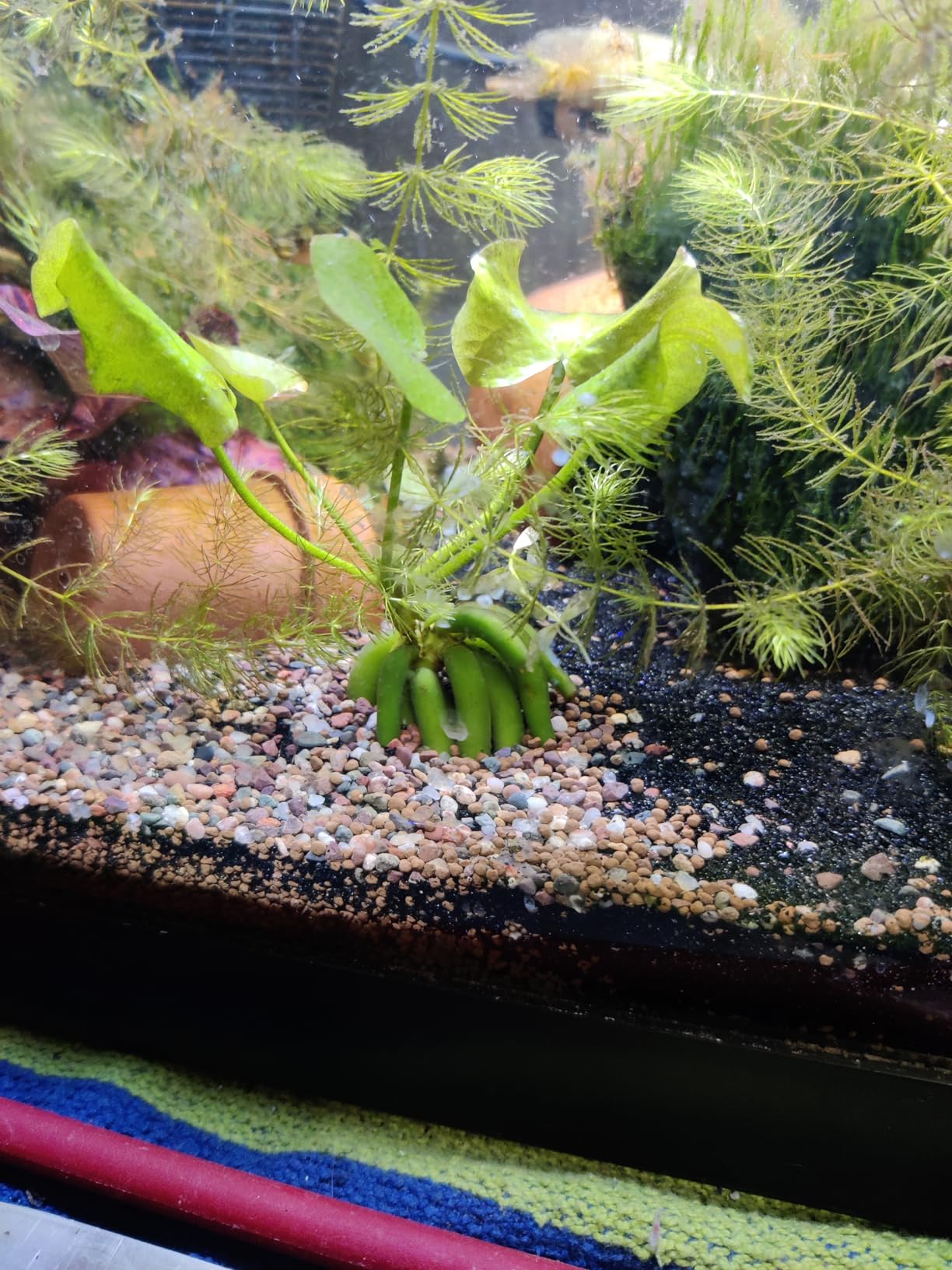
The stones are sourced from New Zealand under sustainable licensing, which is not just marketing. When I held the bag up to light, I could see real variation in color, from deep charcoal to subtle blue-grey highlights. Each piece looks like a tiny river pebble, not a mass-produced aquarium product. The texture gives the tank floor a 3D quality that flat-colored gravel cannot match.
Aqua Natural triple washes and kiln dries the substrate before bagging, which is why most reviewers report only a quick rinse is needed. In my experience, I still saw about 12 hours of light cloudiness after setup, but it cleared without any intervention. That is far less than the 48-hour cloudiness I got from Flourite on the same setup day.
For whom its good
Midnight Pearl works exceptionally well for anyone running a low-tech to medium-tech planted tank with carpeting plants. The 2-4mm grain gives roots enough grip to anchor Monte Carlo, dwarf sag, and various crypts without difficulty. I have also seen aquascapers use this substrate as a cap layer over aquasoil in Walstad-style setups, where the pebbles keep the nutrient-rich soil from clouding the water column.
The neutral pH behavior makes it safe for virtually all freshwater fish, from tetras and rasboras to shrimp colonies. I kept a colony of 30+ cherry shrimp in this substrate for six months with zero losses attributable to the gravel.
For whom its bad
If you want a deep, uniform black substrate, Midnight Pearl is not the right choice. The lighter highlights add visual interest but do not match the solid black look of Seachem Flourite Black or GloFish solid black. Aquascapers going for a minimalist black-bottom look will want to look elsewhere.
The 2-4mm size is also a bit large for very fine-rooted plants like dwarf hairgrass if you are trying to build thick carpets without root tabs. Smaller grains like the Diamond Black variant work better for the smallest foreground plants.
3. Aqua Natural Gold Pearl Gravel – Premium Soil Cap and Tropical Aesthetic
Aqua Natural Aquarium Substrate, Gold Pearl Gravel, 10lb
Round 2-4mm
New Zealand beach
Mixed gold tones
Pros
- Smooth round pebbles safe for bottom dwellers
- Beautiful golden shimmer underwater
- Minimal dust right out of the bag
- Excellent soil cap over aquasoil
Cons
- Mixed colors - not uniform gold
- A few bags arrive with reddish clay residue
- Color shifts noticeably when wet
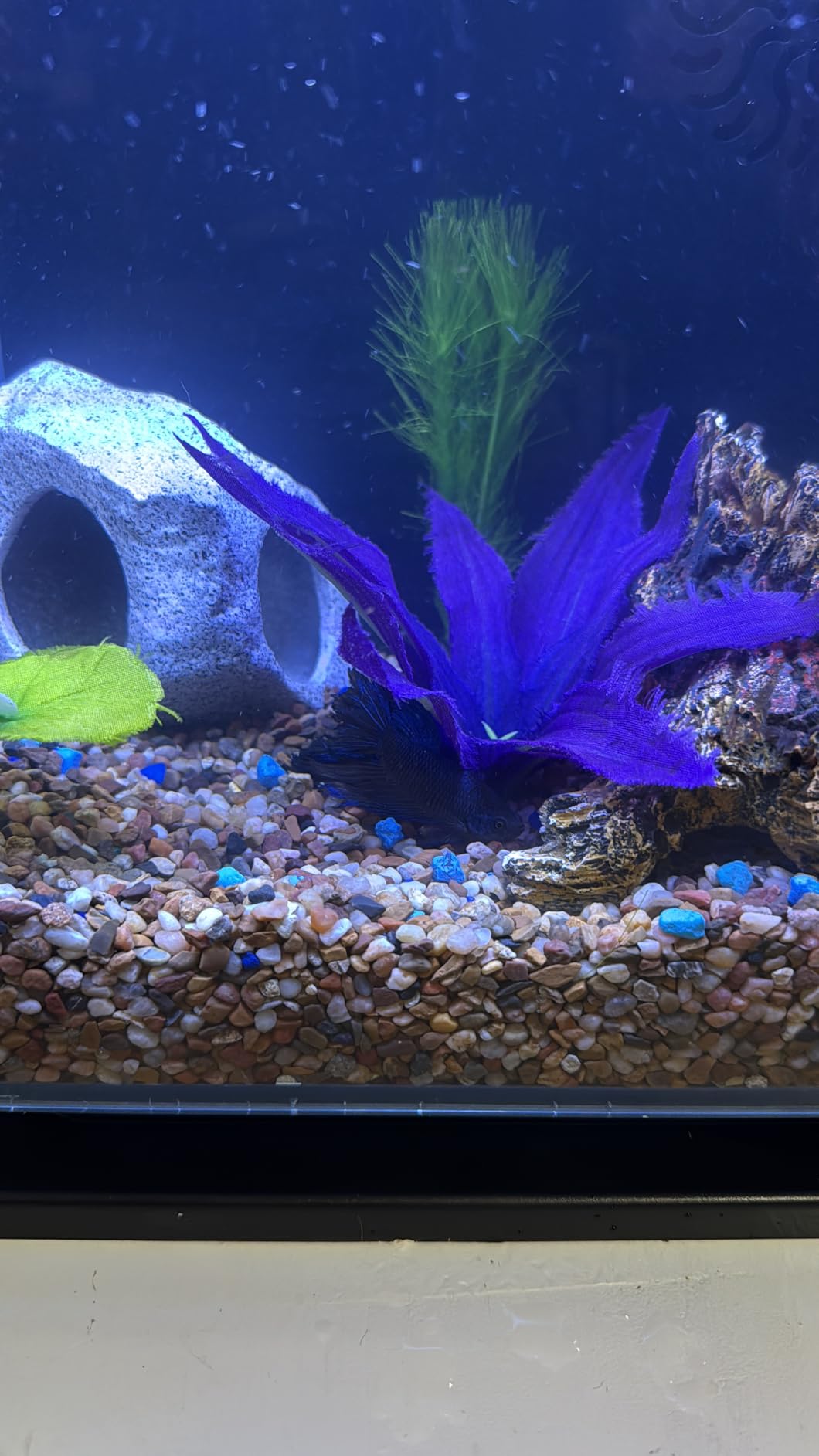
Gold Pearl is the substrate I reach for when I want a planted tank that feels warm and natural. The mixed gold, black, grey, brown, and white stones give the substrate a tropical beach vibe that plain colored gravel cannot replicate. I used it in a 29-gallon South American biotope with Echinodorus bleheri and it looked like a slice of a sunlit river bottom.
The pebbles are perfectly round and smooth, which makes them the safest option on this list for bottom-dwelling fish like corydoras, loaches, and khuli. I tested these pebbles with five panda corys for three months and saw no barb damage, fin tears, or behavioral signs of discomfort.
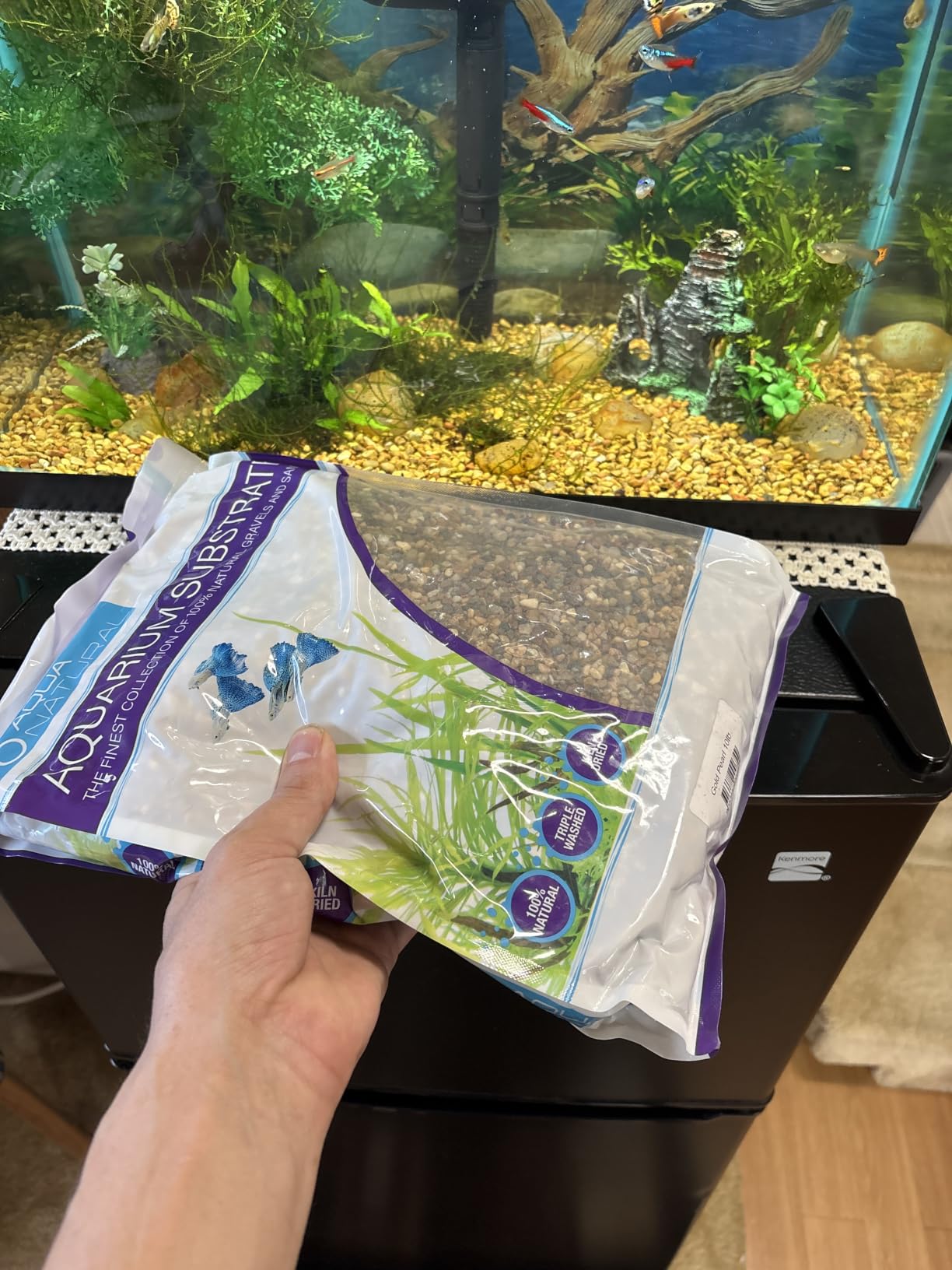
What I appreciate most about Gold Pearl is its role as a cap layer. If you run a Walstad or dirt-plus-cap setup with aquasoil underneath, this 2-4mm round pebble locks everything down. The round shape prevents the cap from compacting into a hard layer the way angular crushed stone sometimes does. In my setup, the soil stayed put even with active diggers like kuhli loaches.
Gold Pearl also lights up beautifully under planted tank LEDs. The natural facets catch light and add a subtle shimmer effect that pure black or white gravel does not have. It is one of those substrates that looks better in person than it does in product photos.
For whom its good
Gold Pearl is ideal for hobbyists who want a warm-toned aquascape with character. The mixed natural colors hide debris better than solid black, which is helpful in tanks with messy eaters like goldfish or larger cichlids. The round pebbles are also the safest choice on this list for fish that sift substrate for food.
This substrate also works well in terrariums and vivariums. I have seen it used in dart frog enclosures where the smooth pebbles are gentle on amphibian skin and the colors complement tropical plants beautifully.
For whom its bad
If you are running a high-tech aquascape with strict color coordination, the mixed tones may clash with your design vision. The color also shifts significantly when wet. What looks like a sandy tan in the bag becomes a much darker gold in the tank. I recommend setting up a small sample bowl of water with the gravel before committing to a full tank.
The price is comparable to other premium substrates on this list, but if you want a uniform single-color gold look, you will be disappointed. The mixed colors are the selling point, not a flaw, but they are not for every aquascape.
4. Aqua Natural Diamond Black Gravel – Fine 1-2mm Quartz for Foreground Plants
Aqua Natural Aquarium Substrate, Diamond Black Fine Gravel, 10lb
1-2mm quartz
Sparkling facets
Fine grain
Pros
- Fine 1-2mm ideal for foreground plants
- Premium quartz sparkles under lighting
- Excellent plant anchoring
- Affordable price point
Cons
- Very fine - can clog filters
- Some quality control issues with sharp shards
- Not ideal for corydoras or bottom dwellers
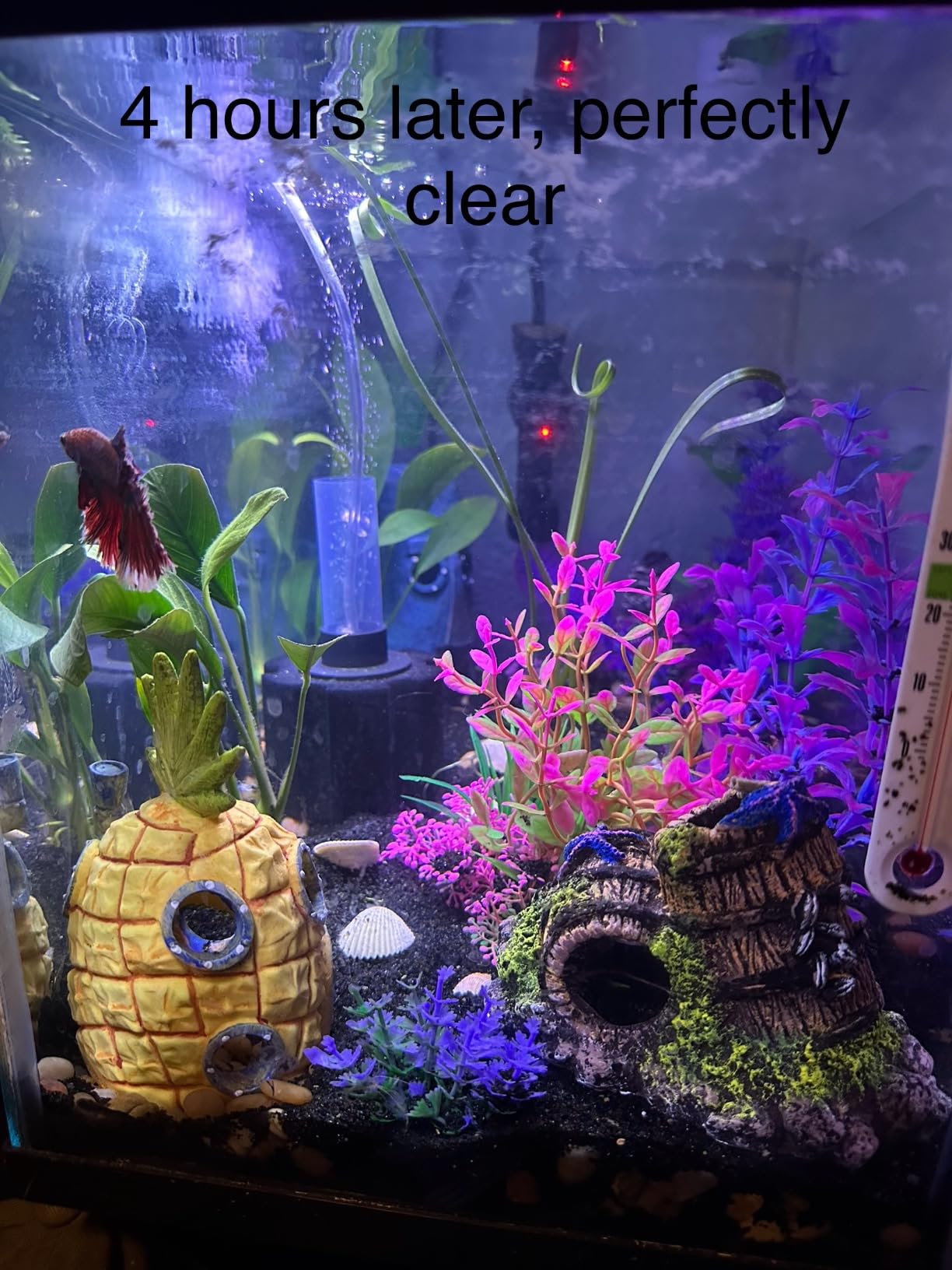
Diamond Black is the substrate I use in shrimp tanks and any setup where foreground carpeting is the main goal. The 1-2mm grain size is technically fine gravel, almost sand-like, which gives tiny root systems something tight to grab onto. In my 10-gallon shrimp tank with carpeting Monte Carlo, the runners took hold noticeably faster in Diamond Black than in a coarser 3-5mm gravel I tested alongside it.
The quartz composition is naturally clear with light-reflecting facets, which gives the substrate a subtle sparkle under bright LED lighting. It is not as glittery as specialty “shimmer” substrates, but it adds depth without looking artificial. The black color provides the same plant and fish contrast as Flourite Black at roughly a third of the price per pound.
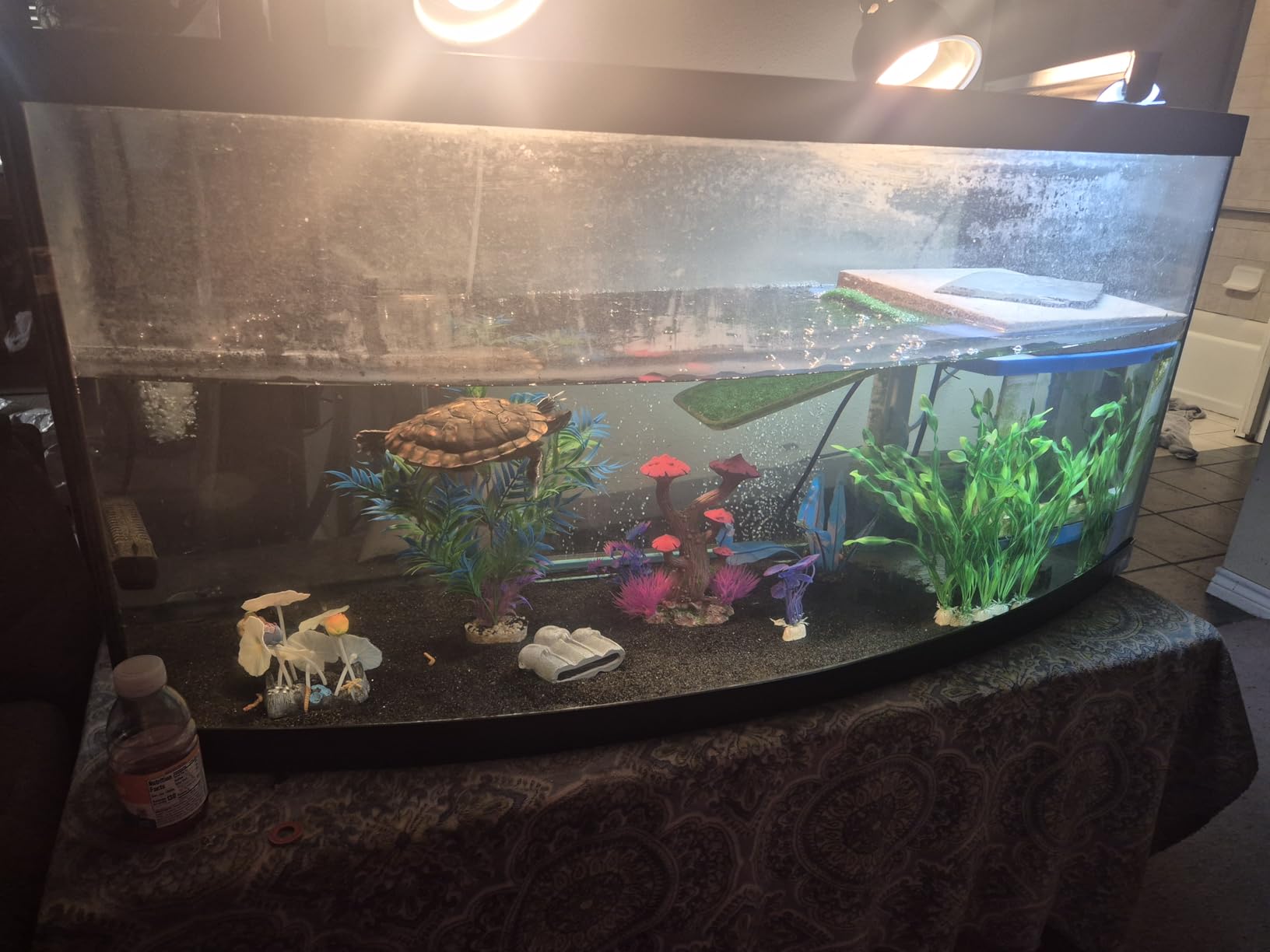
The biggest issue with Diamond Black is its fineness. At 1-2mm, it behaves more like coarse sand than gravel. I had to add a pre-filter sponge to my canister intake to keep the substrate from getting sucked into the impeller. Power filter users should expect to clean intake sponges weekly for the first month as the substrate settles.
I also want to flag some quality control concerns. About one in ten reviewers report receiving bags with green resin beads or sharp glass-like shards mixed in. I personally inspected my bag and did not find any debris, but it is worth pouring the substrate into a light-colored tray and scanning it before adding it to your tank.
For whom its good
Diamond Black is perfect for shrimp tanks, betta tanks, and small planted setups where fine-rooted plants like Monte Carlo, dwarf hairgrass, or Hemianthus callitrichoides need a tight substrate to anchor into. The fine grain also keeps small food particles from sinking out of reach of bottom-feeding shrimp, which improves water quality over time.
The 1-2mm size is also a strong fit for aquascapers who want a sand-like appearance without the compaction issues of true sand. The angular quartz grains interlock less tightly than round sand particles, which reduces anaerobic pocket formation in deeper substrate beds.
For whom its bad
If you keep corydoras, loaches, or any bottom-dwelling fish that sifts substrate through its gills, Diamond Black is too fine. These fish prefer 3mm+ grain sizes where they can move substrate without injuring their barbels. The fine grain can also clog undergravel filter plates and lift into the water column with active fish like loaches.
The sparkle effect can also look gaudy in minimalist aquascapes. The Iwagumi purists tend to avoid anything with reflective surfaces. If you are aiming for a Takashi Amano-style minimalist tank, stick with the Midnight Pearl instead.
5. Spectrastone Shallow Creek Regular Gravel – Best Budget Natural River Rock
Spectrastone Shallow Creek Regular for Freshwater Aquariums, 5-Pound Bag
River rock
PH-neutral
Lightweight
Pros
- Natural pH-neutral river rock
- Smooth stones with no sharp edges
- Brings out plant greens beautifully
- Lightweight for small tanks
Cons
- Bags sometimes underfilled
- Mixed grain sizes - not consistent
- Color shifts noticeably when wet
Spectrastone Shallow Creek is the substrate I recommend to anyone setting up their first planted tank on a tight budget. It is a natural river rock gravel that has been on the market since 2005, with over 2,000 reviews averaging 4.6 stars. That kind of track record means the product does what it says.
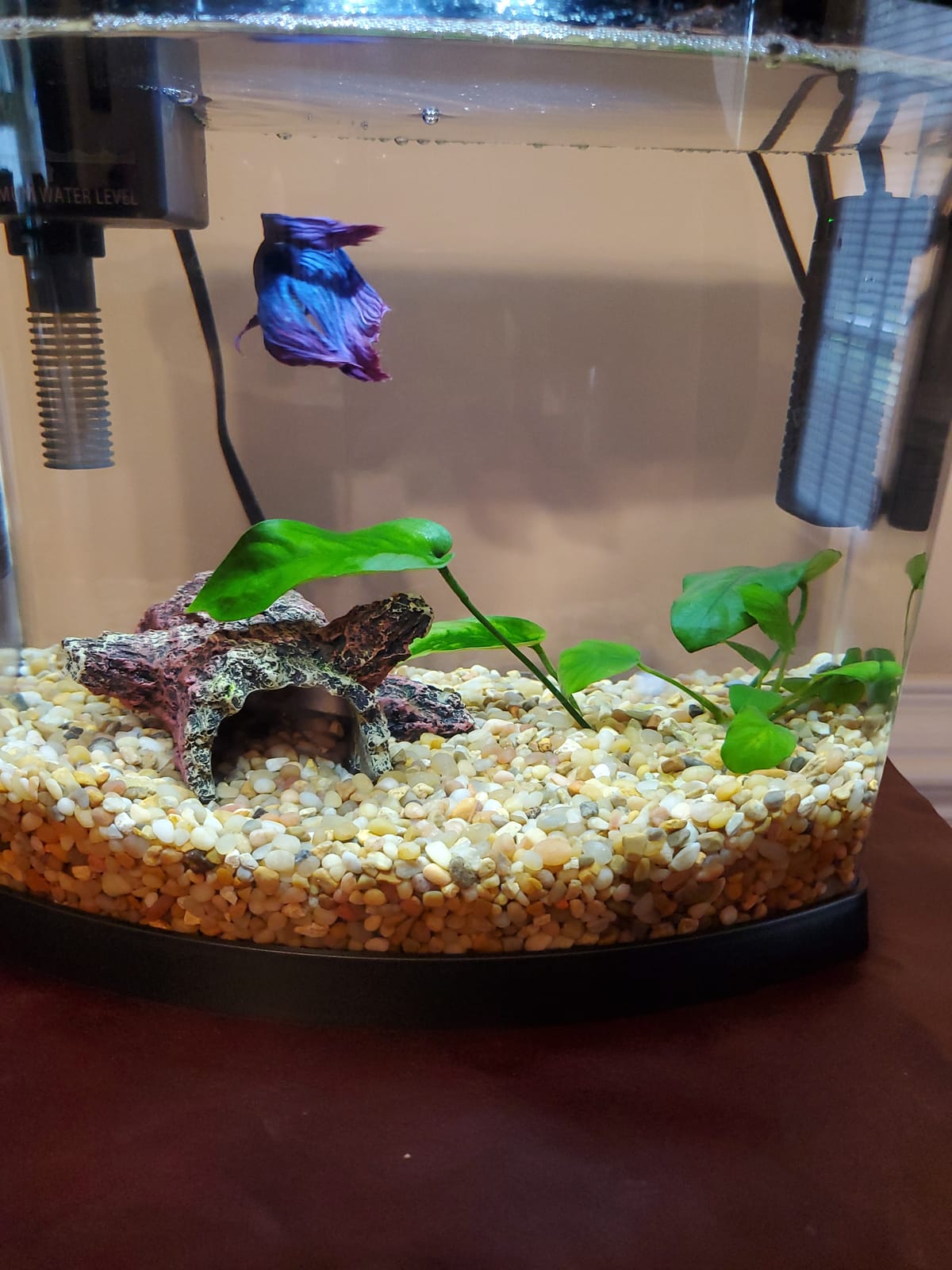
I tested Shallow Creek in a 10-gallon betta tank with Java fern, Anubias, and a few stems of bacopa. The natural tan and brown tones made the greens pop without competing for attention. The pH-neutral nature of the river rock meant my tap water parameters stayed exactly the same after setup, which is important for bettas that prefer stable water.
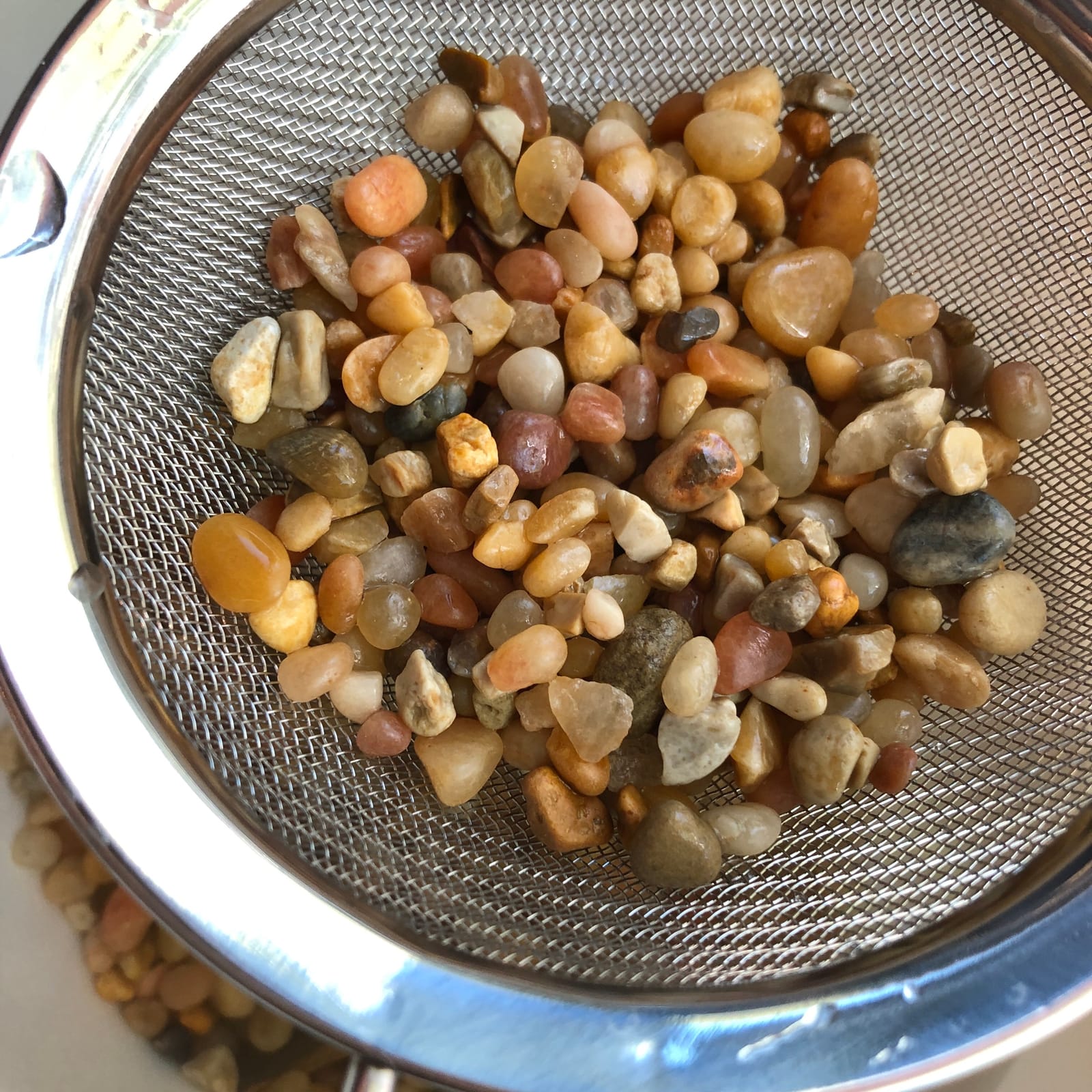
The stones are genuinely smooth with no sharp edges, which I confirmed by running them through my hands and inspecting under a magnifier. This is one of the safer budget options on the market for fish with delicate barbels. The lightweight nature of river rock also makes it perfect for smaller tanks and desktop aquariums where a heavy substrate like Flourite would be overkill.
There are two real downsides to Shallow Creek. First, the bag is often underfilled. I weighed my bag and got about 4.2 pounds of actual substrate in a 5-pound bag, which is consistent with multiple reviewer complaints. Second, the grain sizes are mixed, ranging from small pebbles to larger chunks. You will need to sort or accept the variation.
For whom its good
Shallow Creek is ideal for beginners, betta keepers, and anyone running a low-tech planted tank with rhizome plants like Anubias and Java fern that do not need nutrient-rich substrate. The neutral pH behavior makes it safe for the widest range of freshwater fish.
This substrate also doubles as a soil cap in Walstad-style setups. The natural river rock blends well with driftwood and live plants, and the lightweight nature means it does not compact heavily over the soil layer underneath.
For whom its bad
If you are running a high-tech CO2 injected aquascape with carpeting plants, Shallow Creek is the wrong substrate. The mixed grain sizes and lack of CEC mean nutrient delivery is inconsistent and small roots struggle to anchor. You will spend more on root tabs than you save on substrate.
The color shift when wet is also dramatic. The dry gravel looks like a light tan, but once submerged, it becomes a darker brown. Set up a small sample bowl first if you care about the exact aesthetic.
6. GloFish Aquarium Gravel Black – Best Budget Pick for High Contrast
Glofish Aquarium Gravel, Solid Black, 5-Pound Bag
Solid black
Dyed stone
5-pound bag
Pros
- Solid black creates excellent contrast
- Very affordable price point
- Clean with minimal dust
- Available in fluorescent colors too
Cons
- Dyed coating may wear over time
- Makes waste and debris harder to see
- Does not provide nutrient benefit
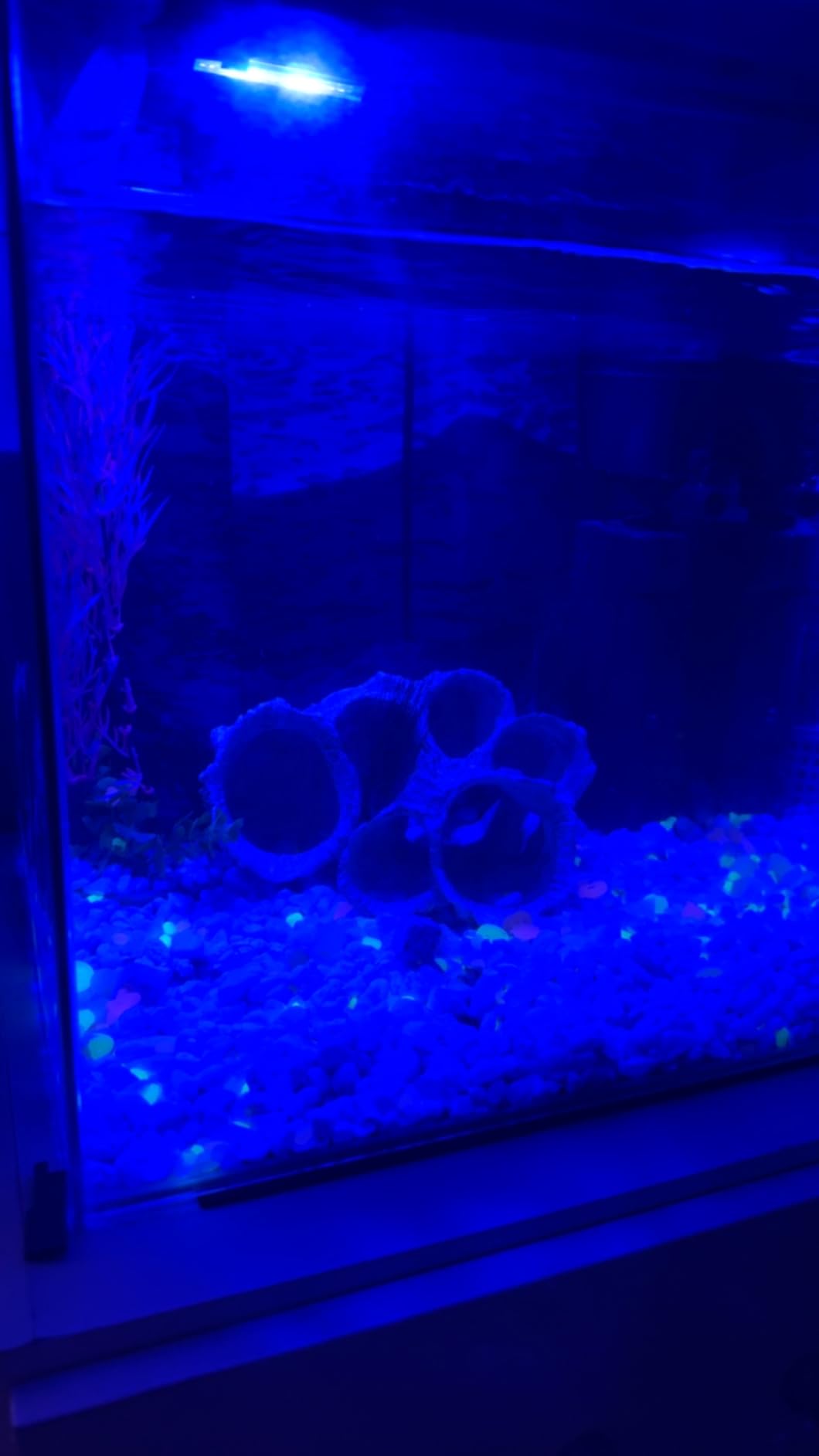
GloFish solid black is the #2 best-selling aquarium gravel on Amazon with over 15,000 reviews. I tested it in a 5-gallon quarantine tank and a 20-gallon planted community tank to see if the popularity matched the performance. For pure visual contrast, this substrate delivers exactly what it promises.
When light hits the solid black gravel, neon tetras, ember tetras, and red cherry shrimp look noticeably brighter. The dark backdrop makes plant greens richer and fish colors more saturated. If you are running a planted tank with schooling fish or shrimp, the contrast effect is significant and well worth considering.
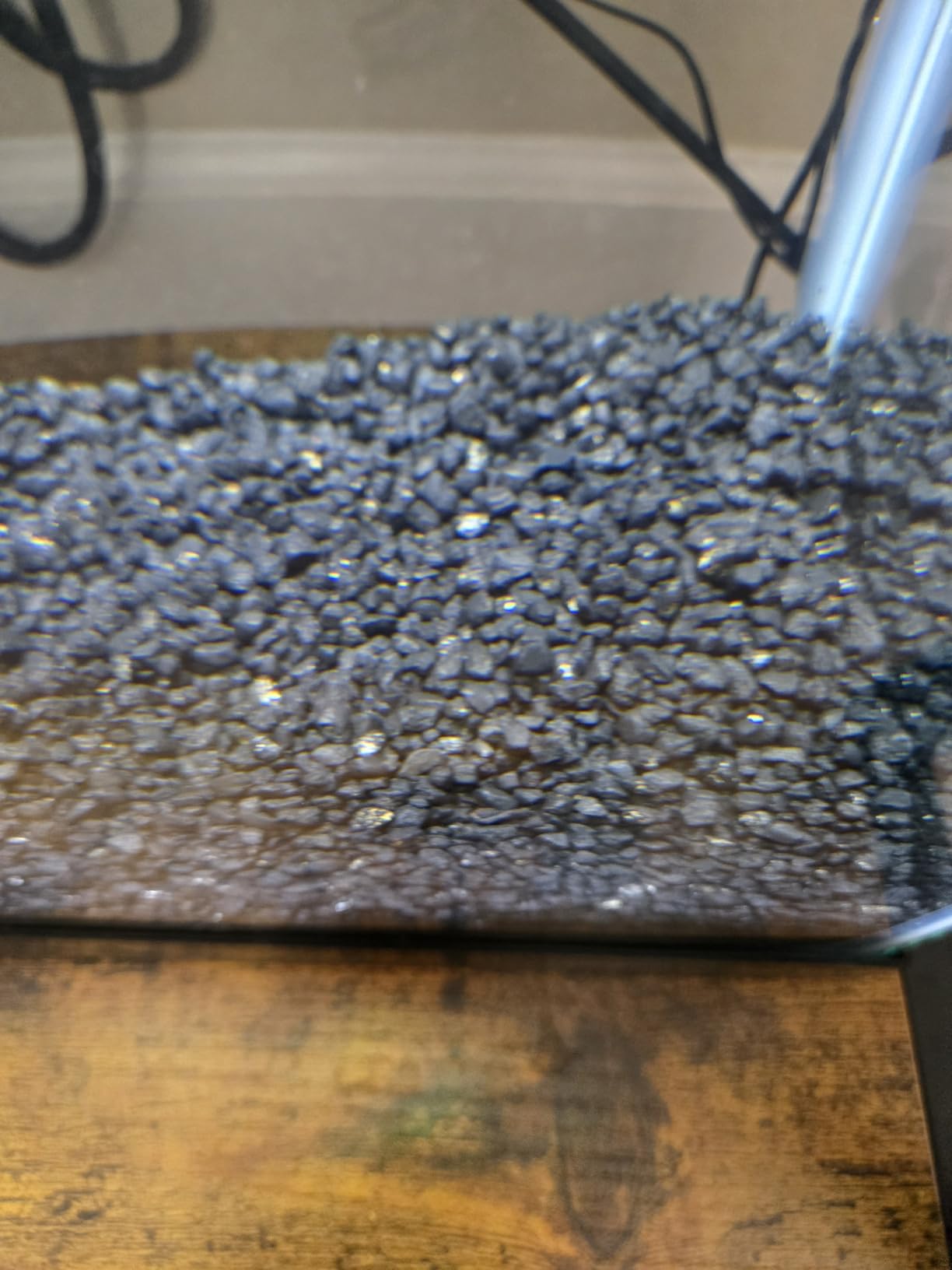
The substrate is genuinely clean out of the bag. I poured a 5-pound bag into a colander, ran water through it for about 60 seconds, and the water ran clear with minimal cloudiness. Compared to Flourite, which took me 20 minutes of bucket rinsing per bag, GloFish saved real setup time.
The biggest concern with GloFish gravel is the dyed coating. The substrate is natural stone with a black dye layer on the outside. Over years, the dye can wear, especially with active diggers or rough cleaning. In my short test period, I saw no visible wear, but reviewers with multi-year-old tanks report some color fading in high-traffic areas.
For whom its good
GloFish solid black is the right call for anyone prioritizing visual contrast on a budget. Shrimp keepers love it because cherry shrimp and crystal red shrimp colors pop dramatically against black. Schooling fish like neon tetras and cardinal tetras also benefit from the dark backdrop.
The 5-pound bag is perfect for nano tanks and quarantine setups. The price per pound is among the lowest on the market, so you can outfit a small tank for less than the cost of a takeout dinner.
For whom its bad
If you keep waste-sensitive species or run a bare-bottom breeding setup, the solid black hides debris and makes it hard to spot uneaten food or fish waste. You will need to vacuum more frequently to maintain water quality.
The dyed coating is also a concern for purists who prefer all-natural substrates. There are no documented cases of the dye harming fish, but if you want zero surface treatment, Seachem Flourite or the Aqua Natural products are the better fit.
Buying Guide: How to Choose the Best Inert Gravel for Your Planted Tank?
Picking the right inert gravel is less about brand loyalty and more about matching substrate properties to your tank’s specific needs. Here are the five factors I always evaluate before buying gravel for any planted setup.
Grain size matters more than you think
Grain size affects everything from plant anchoring to fish safety to filter clogging. The 2-4mm range is the sweet spot for most planted tanks because it gives roots enough grip to anchor without compacting into anaerobic layers. Finer grains like 1-2mm work for foreground carpeting and shrimp tanks but clog filters quickly. Coarser grains above 5mm make it hard for small plants to root and trap waste between stones.
If you are unsure, start with 2-4mm. It is the most versatile size and works for 90 percent of planted tank applications.
Material composition and CEC
Inert substrates fall into three main categories: clay (Seachem Flourite), quartz (Aqua Natural products), and river rock (Spectrastone). Clay substrates have the highest cation exchange capacity, meaning they can temporarily hold nutrients and release them to roots. Quartz and river rock have essentially zero CEC, so all nutrients must come from water column dosing and root tabs.
For high-tech setups where you control every nutrient variable, quartz or river rock works perfectly. For low-tech setups where you want some forgiveness, clay-based substrates like Flourite give plants a small buffer.
Color and aesthetic considerations
Substrate color sets the entire tone of your aquascape. Black substrates make plant greens and fish colors pop but hide debris. Natural tones like tan and brown create a warm riverbed look but show debris more visibly. Mixed colors like Gold Pearl add visual interest but limit design coordination.
Match the color to your aquascaping style: black for minimalist Iwagumi, natural tones for nature aquariums, mixed colors for biotopes.
Tank size and substrate weight
Substrate weight matters more than people realize. A 40-gallon breeder tank needs roughly 60 pounds of gravel to reach a 2-inch depth. Heavy substrates like Flourite can stress smaller tank stands and glass bottoms if you overdo the depth. Lightweight substrates like Spectrastone are safer for rimless tanks and desktop aquariums.
Calculate your substrate needs before buying. Most aquascapers aim for 1.5 to 2 inches of depth, which equals about 1.5 pounds per gallon for standard gravel.
Cost per pound and long-term value
Budget substrates like GloFish run about $1.80 per pound, while premium options like Aqua Natural run about $1.50 per pound. Seachem Flourite is the priciest at around $2.30 per pound, but it lasts the life of the aquarium. Aquasoil needs replacement every 2-3 years, so over a decade, inert gravel is often cheaper.
Inert Gravel vs. Aquasoil: When to Choose Each
This is the most common question I get from planted tank hobbyists. The honest answer is that aquasoil grows plants faster in the first six months, but inert gravel outperforms it long-term for most aquascapers.
Aquasoil like ADA Amazonia leaches ammonia and nutrients for the first few months, which plants love but sensitive fish do not. It also lowers pH slightly, which is great for shrimp and South American fish but problematic for African cichlid setups. After two to three years, aquasoil breaks down and needs replacement.
Inert gravel never breaks down, never alters pH, and lets you control every nutrient variable through fertilizers. For shrimp tanks, high-tech CO2 setups, and aquascapers who change their layouts frequently, inert gravel is the smarter long-term choice.
How to Plant in Inert Gravel Successfully
Inert gravel requires a slightly different planting approach than aquasoil. The substrate will not hold stems in place as securely, and there are no nutrients to draw from. Here are the techniques I use that work consistently.
Root tabs are mandatory
Place one root tab per 4 to 6 inches of substrate depth under any root-feeding plant. Amazon swords, crypts, and Vallisneria respond dramatically to root tabs in inert gravel. I replace root tabs every 3 to 4 months to keep nutrient delivery consistent.
Plant stems at an angle
Stem plants like Rotala and Ludwigia root better when planted at a 45-degree angle. This gives the nodes more contact with the substrate and reduces stem float-up during the first week.
Combine with water column dosing
Even with root tabs, you still need liquid fertilizers for plants that feed primarily from the water column. A standard macro/micro regime like Estimative Index or PPS-Pro works with any inert substrate.
Frequently Asked Questions About Inert Gravel for Planted Tanks
What is the best inert substrate for planted aquariums?
Seachem Flourite Black is the best inert substrate for most planted aquariums. Its porous clay structure supports strong root growth, it is fully pH-neutral, and it lasts the life of the aquarium without breaking down. Aqua Natural Midnight Pearl is the best value pick for Iwagumi-style aquascapes with its consistent 2-4mm grain.
Can plants grow in gravel without soil?
Yes, plants can grow in inert gravel without soil if you provide supplemental nutrients through root tabs and water column fertilizers. Root-feeding plants like Amazon swords and crypts need root tabs every 3-4 months, while stem plants need liquid carbon and macro fertilizers. With consistent dosing, inert gravel setups can match soil-based growth over time.
What gravel size is best for planted tanks?
The 2-4mm grain size is best for most planted tanks. This size gives roots enough grip to anchor without compacting into anaerobic layers, supports carpeting plants, and works with most filter intakes. Finer grains below 2mm clog filters quickly, while grains above 5mm make small plant anchoring difficult.
Is sand or gravel better for a planted aquarium?
Gravel is generally better than sand for planted aquariums because it does not compact into anaerobic pockets the way fine sand does. Sand is suitable for specific applications like brackish tanks and certain cichlid setups, but most planted tank hobbyists prefer 2-4mm gravel for better root health and easier maintenance.
Final Verdict: Which Inert Gravel Should You Buy?
After testing all six options across multiple planted tanks, my top pick for the best inert gravel for planted aquariums in 2026 is Seachem Flourite Black. The porous clay structure genuinely accelerates plant root growth, the pH-neutral behavior works with any fish stock, and the substrate never needs replacement. For aquascapers on a budget, Aqua Natural Midnight Pearl delivers 90 percent of the performance at half the cost per pound.
Whichever substrate you choose, remember that inert gravel requires commitment to fertilization. Add root tabs every 3-4 months, dose liquid fertilizers consistently, and your plants will thrive for years. The right substrate is the foundation, but the nutrition comes from you.