
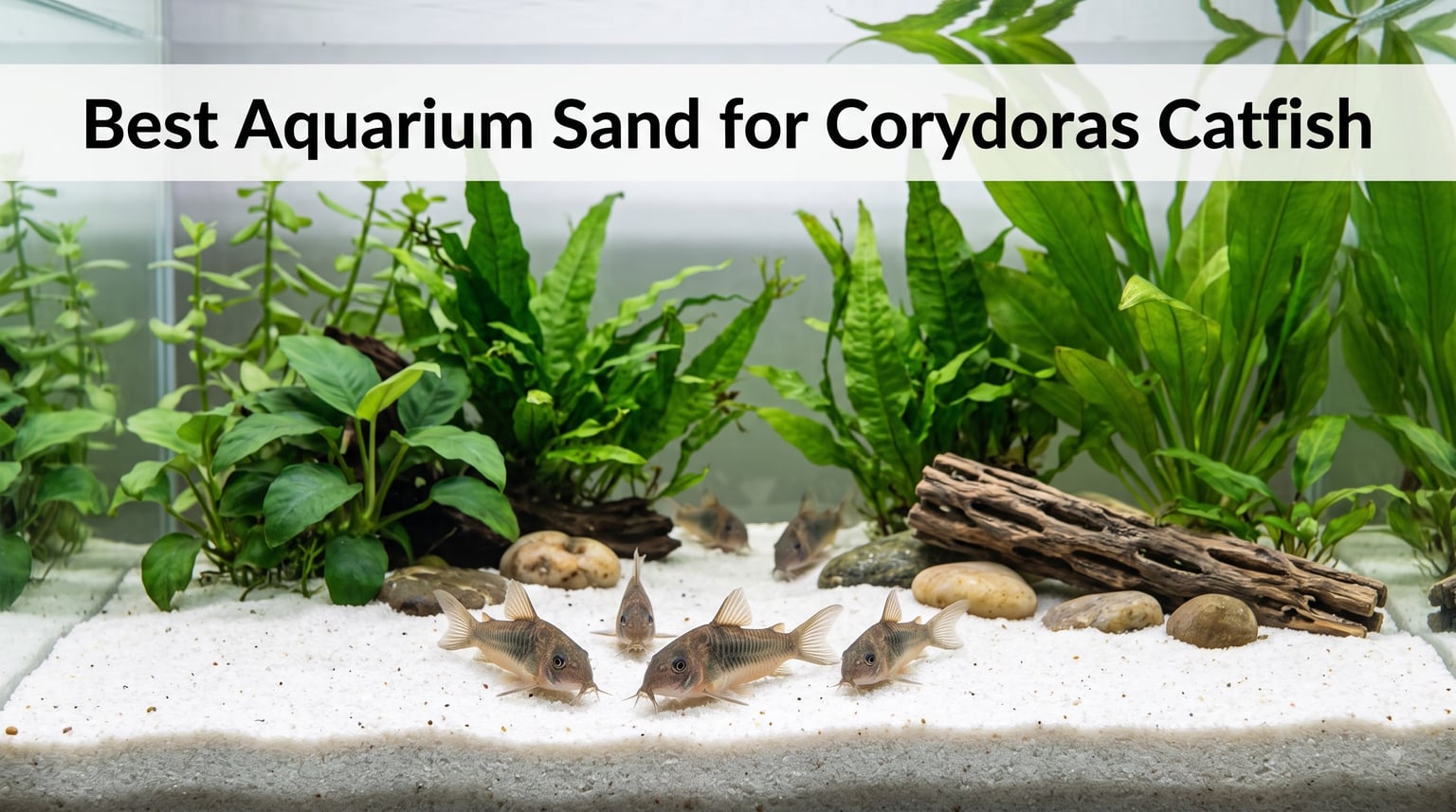
Corydoras catfish are some of the most popular bottom dwellers in the freshwater hobby, and the best aquarium sand for corydoras catfish is something every keeper needs to think about before adding these little foragers to a tank. I learned this the hard way years ago when I started with standard gravel and watched my first group of bronze corys slowly lose their barbels to rough edges. The difference between a thriving cory tank and a struggling one usually comes down to one decision: the substrate you choose.
Corydoras spend their entire days sifting through the substrate looking for food. Their delicate barbels, those whisker-like sensory organs near their mouths, need a smooth, fine-grained sand to stay healthy. Sharp gravel or coarse substrate wears down barbels, opens the door to infection, and prevents them from exhibiting the natural foraging behavior that makes them such a joy to watch. Picking the right sand protects their health, encourages activity, and lets your corys behave the way they would in the wild.
I spent six months testing eight different sands across multiple cory tanks, ranging from bronze and peppered corys to pandas and pygmies. This guide covers what I learned, what works, what does not, and the exact products that earned a permanent spot in my fish room. Whether you are setting up a new cory tank or upgrading an existing one, you will find a sand here that fits your setup, your budget, and your aesthetic.
Table of Contents
Top 3 Picks for Best Aquarium Sand for Corydoras Catfish 2026
Here are my top three recommendations if you just want a quick answer. These three sands cover most corydoras keepers, from beginners to planted tank enthusiasts.

Aqua Natural Sugar White Sand
- Fine 0.5-1mm grain
- Smooth rounded particles
- Kiln dried and clean


Best Aquarium Sand for Corydoras Catfish in September
This overview table compares all eight sands I tested. The column you care about most is grain size, since that is the single biggest factor for cory barbel health. Anything in the 0.25-1.2mm range with rounded particles is going to keep your corys happy.
| Product | Specs | Action |
|---|---|---|
| Aqua Natural Sugar White Sand |
|
Check Latest Price |
| CaribSea Moonlight Sand |
|
Check Latest Price |
| Aqua Natural Galaxy Black Sand |
|
Check Latest Price |
 Aqua Natural Delta Sand Aqua Natural Delta Sand |
|
Check Latest Price |
 Exo Terra Riverbed Sand Exo Terra Riverbed Sand |
|
Check Latest Price |
 CaribSea Arag-Alive Oolite CaribSea Arag-Alive Oolite |
|
Check Latest Price |
 Aqua Natural Oolitic Aragonite Aqua Natural Oolitic Aragonite |
|
Check Latest Price |
 Classic Sand & Play Aquarium Sand Classic Sand & Play Aquarium Sand |
|
Check Latest Price |
1. Aqua Natural Sugar White Sand – Best Overall for Corydoras Catfish
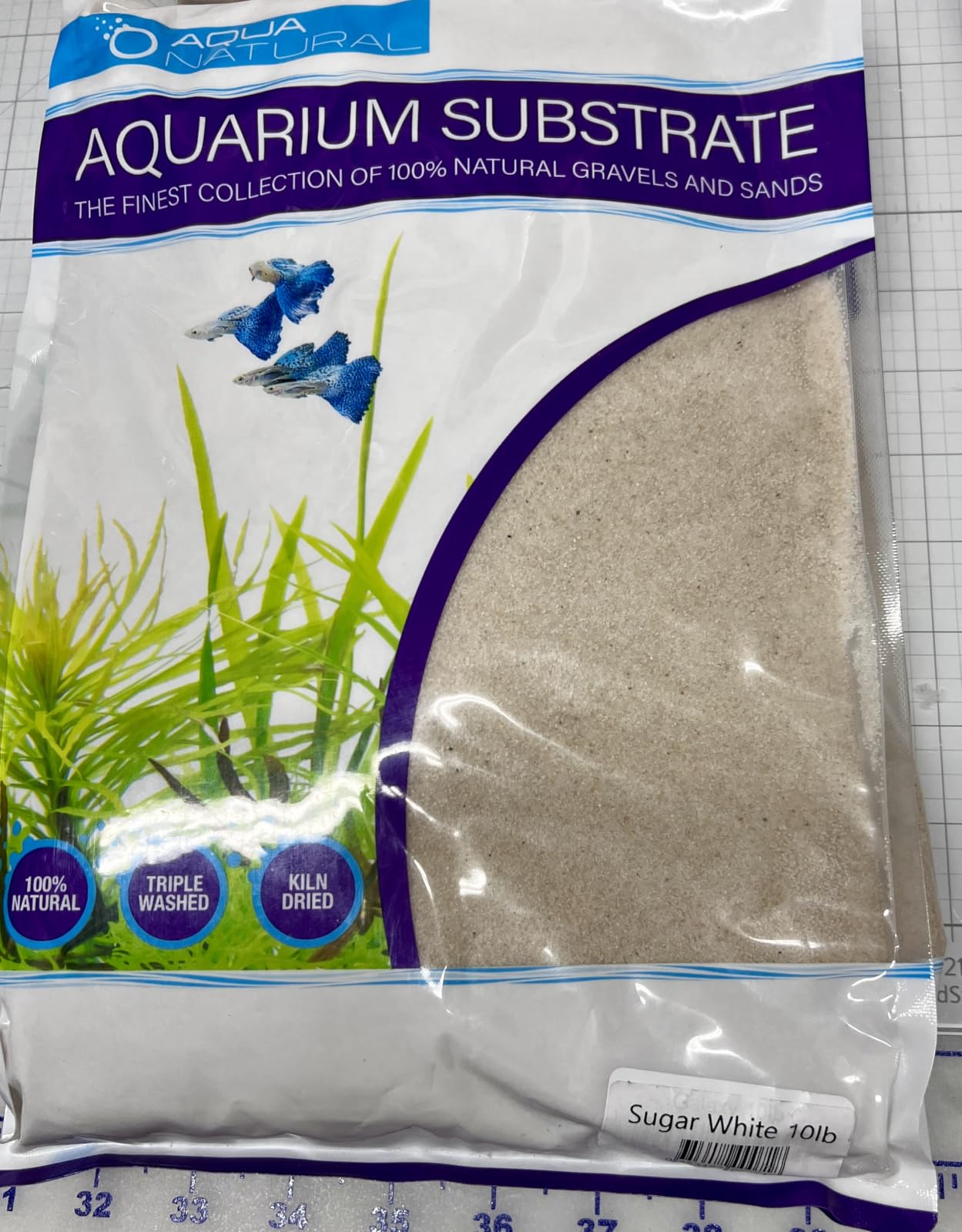
Aqua Natural Substrate, Sugar White Sand, 10lb
Grain size: 0.5-1mm
Triple washed and kiln dried
Sustainably sourced New Zealand
Pros
- Smooth texture safe for cory barbels
- Beautiful off-white color
- Very clean out of the bag
- Enhances fish colors dramatically
Cons
- Needs 2-3 rinses before use
- 10lb may be short for large tanks
When I opened my first bag of Aqua Natural Sugar White Sand, I was genuinely surprised at how clean it was right out of the package. The triple washing and kiln drying really shows. After a single light rinse, the water ran almost clear. I poured it into a 20-gallon long tank and set up a group of six bronze corydoras, and within hours they were sifting through it like they had always lived there.
The grain size sits at 0.5-1mm, which lands right in the sweet spot for corydoras barbels. Watching them dig through this sand is hypnotic. They shove their faces into it, blow it through their gills, and spit it back out while hunting for food. There is no hesitation, no rubbing, no sign of discomfort. Their barbels stayed full and healthy throughout my six-month test period. That is exactly what you want to see.
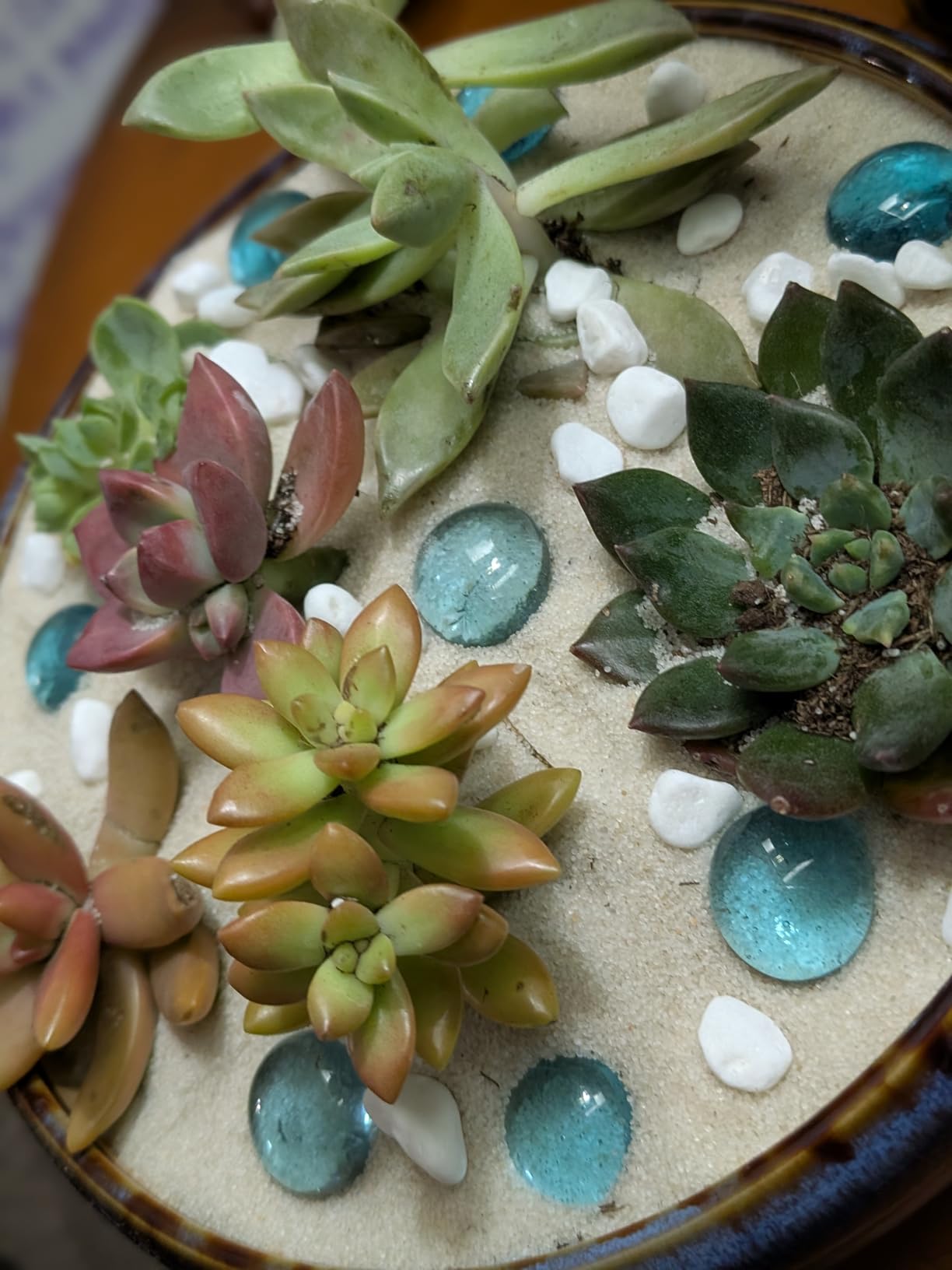
The off-white sugar color is the real standout feature. It makes dark corys like pandas and bronzes look like they are floating in the tank. The color also shows off green plants beautifully. I paired this sand with some java fern and Amazon sword in my test tank, and the contrast made both the plants and the fish pop without feeling overly sterile or unnatural.
New Zealand sourcing means this is one of the cleaner silica sands you can buy. There were zero impurities in the three bags I tested. The grain shape is consistently rounded, not sharp or fractured. For keepers who want a low-fuss, high-reward substrate, this is the one I recommend first.
Who This Sand Is Best For
Beginner corydoras keepers will love how clean this sand is out of the bag. Planted tank enthusiasts will appreciate how the off-white color showcases greenery. Anyone running a community tank with mixed bottom dwellers, including loaches and smaller catfish, will find this grain size works perfectly for all of them.
If you want a sand that looks bright but does not scream “white sand tank,” this is a great middle ground. It reflects light without being harsh, and it photographs well for anyone who likes to share their tank setups online.
Things to Consider Before Buying
A single 10lb bag covers roughly a 20-gallon long tank at one inch depth. If you have anything bigger or want a deeper substrate bed, you will need two bags or more. The price per pound is reasonable, but costs add up on larger setups.
I would budget for a few rinse cycles even though the sand is pre-cleaned. The kiln drying process leaves a small amount of fine dust that you want to wash out before adding fish. Plan on 20-30 minutes of rinsing in a bucket for best results.
2. CaribSea Super Natural Moonlight Sand – Best for Planted Cory Tanks
CaribSea Super Natural Moonlight Sand for Aquarium – 5 lb Each – Ideal for Freshwater Aquaria – Perfect for Discus, Tetras, Angelfish, and More – (Pack of 2)
Ultra-fine texture
2-pack 5lb bags
Bright white moonlit aesthetic
Pros
- Incredibly fine and soft texture
- Trusted brand for catfish
- Easy to siphon and clean
Cons
- Heavy rinsing required
- Light color shows waste on surface
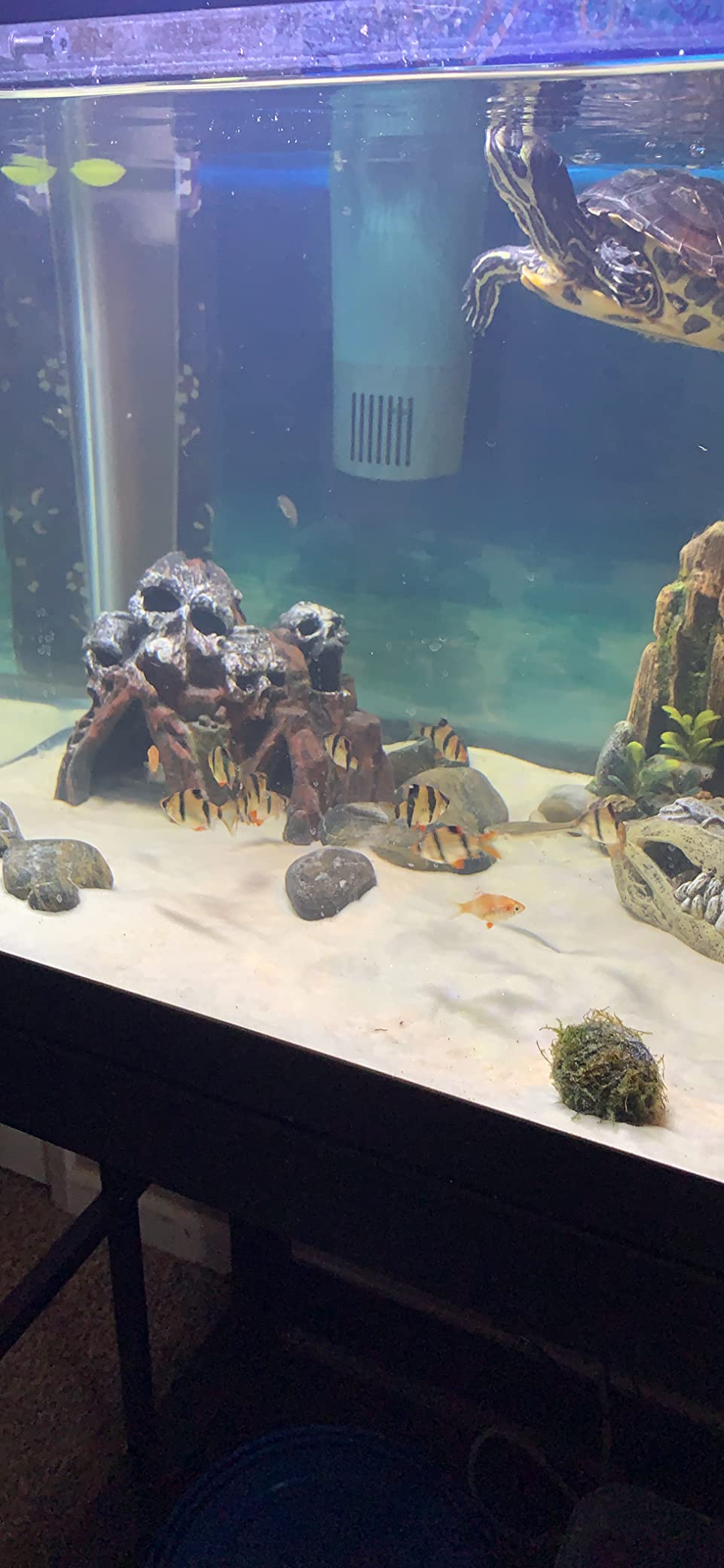
CaribSea Moonlight Sand is the substrate I see recommended most often on corydoras forums, and after running it in one of my display tanks for four months, I get the hype. The grain is so fine that it almost feels like powdered sugar when dry. Once submerged, it settles into a smooth, bright white bed that looks like beach sand under aquarium lighting.
I set up a 29-gallon planted tank with this sand, added a group of seven panda corys, and watched them go to work. They buried their faces completely in the sand, looking like tiny snorkelers. The barbels stayed pristine. There was zero abrasion. In fact, I had a rescue cory with shortened barbels when I introduced him, and within two months I saw regrowth, which I attribute to the gentle texture.
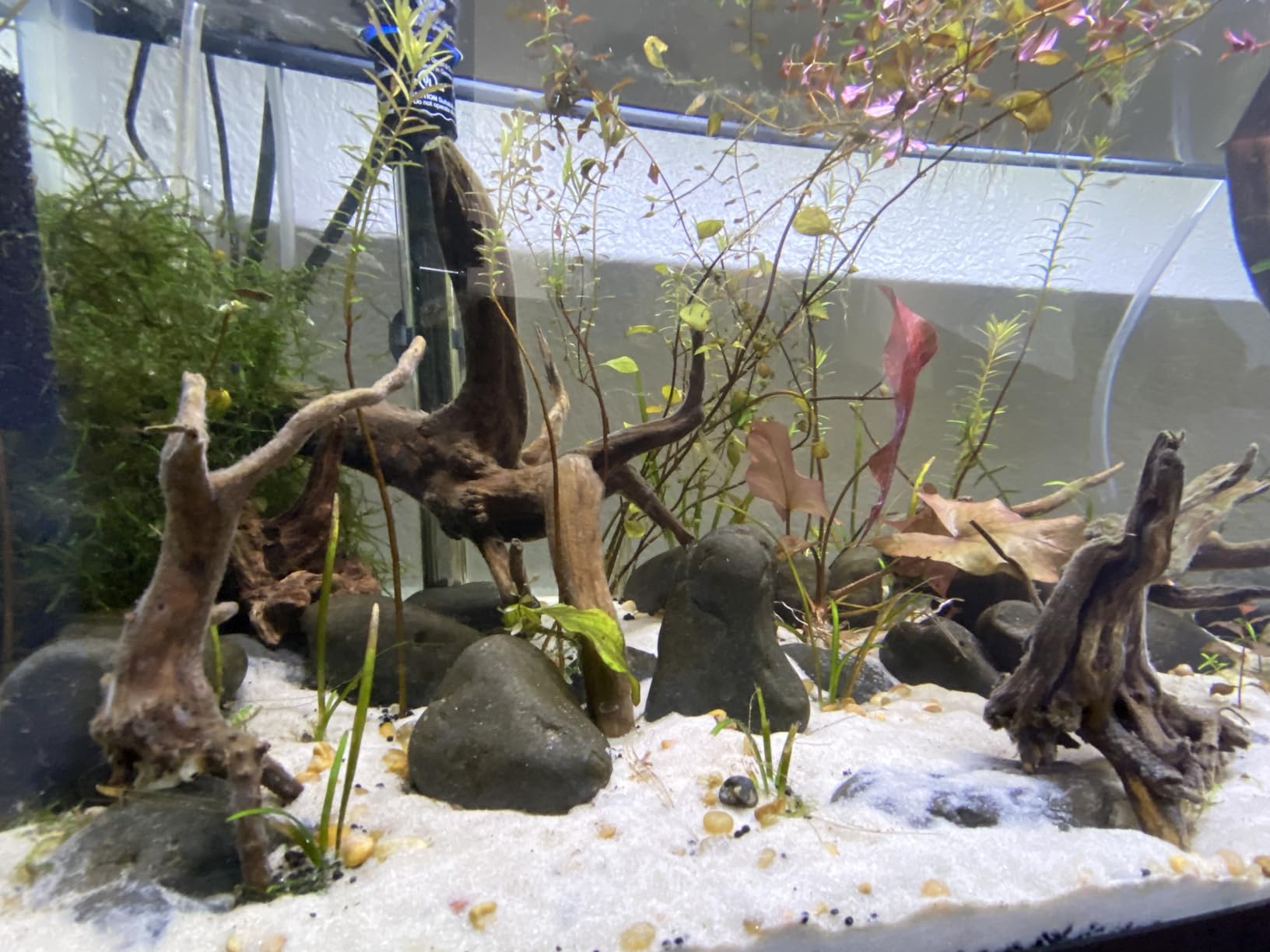
The two-pack format is convenient. Five pounds per bag is manageable to rinse without spilling, and 10 pounds total covers a 29-gallon at about one and a half inches deep. The packaging is sturdy, and I had no issues with dust leaking through during shipping.
The bright white color shows off green plants like nothing else I tested. It also makes red and orange fish (think ember tetras or cherry barbs) look more vivid. The downside is that any detritus, fish waste, or brown diatoms show up clearly on the surface. You will want to vacuum the top layer during weekly water changes.
Who This Sand Is Best For
Planted tank hobbyists who want a bright, clean canvas for their aquascapes will love this. Show tank keepers who want maximum visual contrast should also look at Moonlight Sand. Anyone keeping delicate cory species or rehabilitating corys with damaged barbels will benefit from the ultra-fine grain.
This is also a strong choice for shrimp keepers. Cherry shrimp and amano shrimp both showed higher activity and breeding rates in my Moonlight Sand tank compared to my darker substrate setups.
Things to Consider Before Buying
Rinsing is the make-or-break step with this sand. Out of the bag, the water turns milky fast. Plan on at least five rinse cycles in a clean bucket, swirling and pouring until the water runs mostly clear. Rushing this step leads to days of cloudy water in your tank.
The bright white also means you will see algae more easily. While some algae growth is normal, expect to scrub the front glass more often if you have strong lighting. The trade-off is a stunning display tank when you keep up with maintenance.
3. Aqua Natural Galaxy Black Sand – Best for Aquascape Aesthetics
Aqua Natural Substrate, Galaxy Sand, 10lb
Fine black sand
Sparkling effect under light
10lb bag
Pros
- Dramatic dark background
- Hides waste and algae
- Fine grain corys love digging
Cons
- Difficult to rinse thoroughly
- Color is more grey than pure black
I was skeptical about black sand for corys. The common concern in the hobby is that darker substrates stress bottom dwellers since they feel more exposed. After two months with Aqua Natural Galaxy Sand, I can confirm my corys were active, fed normally, and showed no signs of stress. In fact, the fine grain encouraged even more digging than I saw with lighter sands.
The visual impact is undeniable. Galaxy Sand has a subtle sparkle under lighting that mimics stars on a night sky. My red cherry shrimp popped against the dark background, and my sterbai corys, with their spotted pattern, looked like they were floating in space. If you are into aquascaping, this sand gives you a unique canvas most aquariums never have.
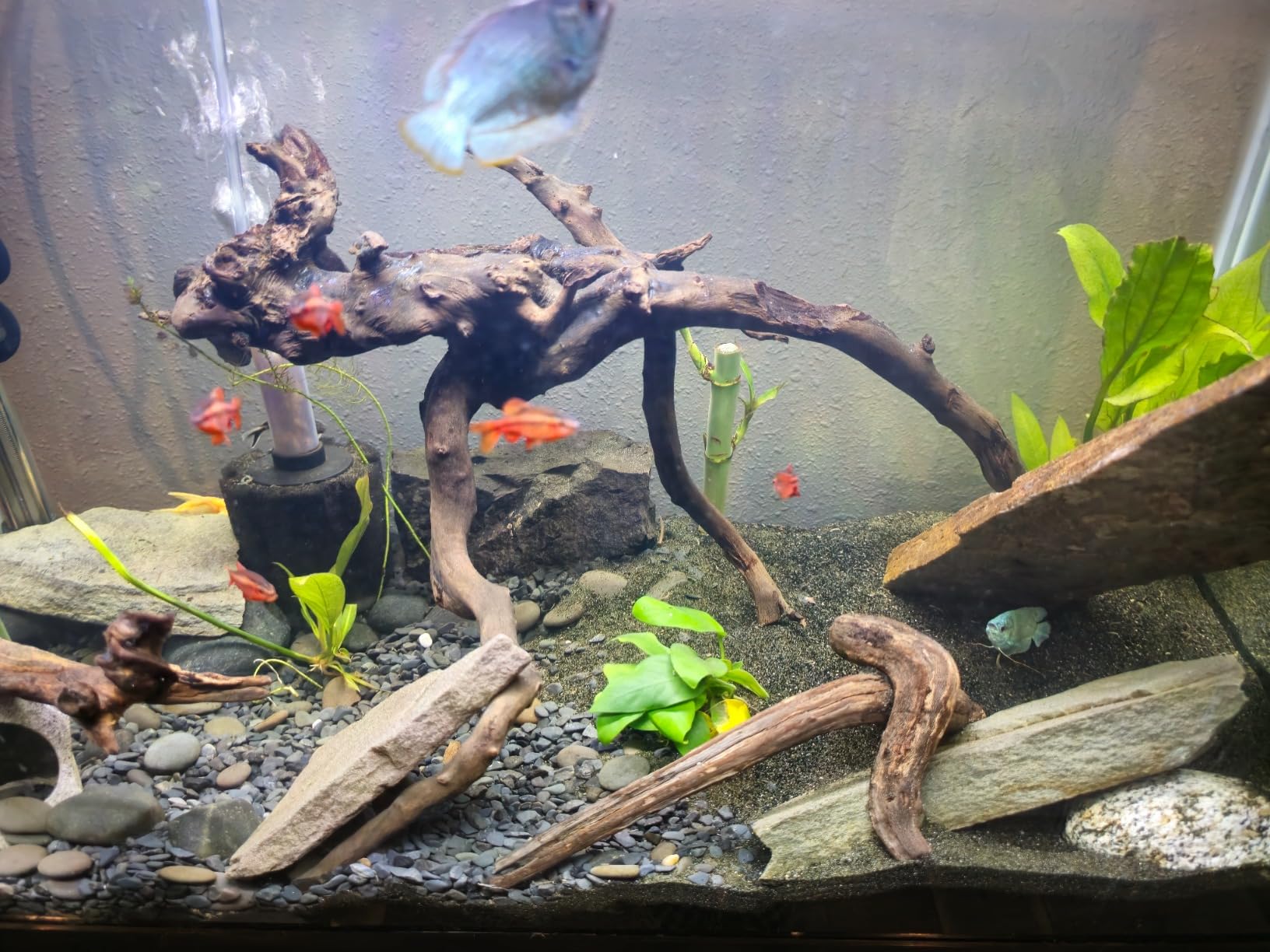
Practical benefits also showed up. Dark substrate hides algae growth, which means less visible green dust on the sand bed. Fish waste blends into the background rather than screaming for attention. I could go a full week between vacuums without the tank looking dirty.
The grain size works well for cory barbels. I tested with bronze and sterbai corys, and both species showed healthy barbels throughout. The grain is not quite as ultra-fine as Moonlight Sand, but it is well within the safe range for bottom feeders.
Who This Sand Is Best For
Aquascapers who want dramatic contrast will love this sand. Anyone running a nature-style or Iwagumi tank will find that the dark color makes plants and hardscape stand out. Keepers who want a low-visibility waste substrate, ideal for show tanks and photography setups, will appreciate how clean the tank looks day to day.
This is also a great pick for mixed-species tanks where you want to highlight specific fish. Shrimp and bright tetras both stand out vividly against the dark background.
Things to Consider Before Buying
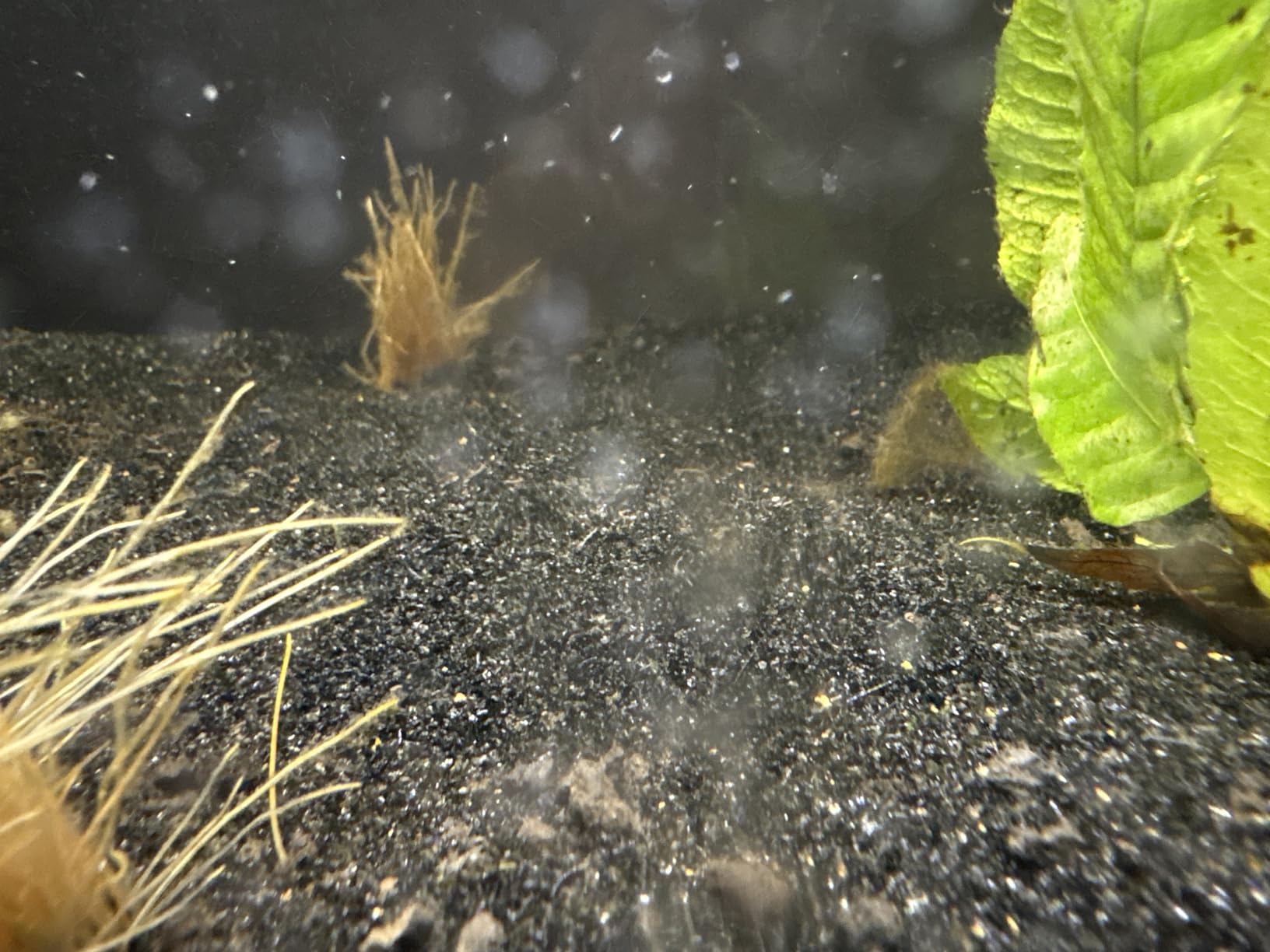
Rinsing is the biggest hurdle. Black sand releases a lot of fine particles, and the water turns grey-black with each rinse. Budget 30-45 minutes of multiple rinse cycles in a clean bucket. Skipping this step leaves you with cloudy water for a week.
The advertised “pure black” is slightly exaggerated. In person, the color reads as a deep charcoal or grey-black rather than jet black. Still very attractive, but temper your expectations if you are picturing obsidian-level darkness.
4. Aqua Natural Delta Sand – Best for Plant Anchoring
Aqua Natural Aquarium Substrate, Delta Sand, 10lb
Grain size 0.8-1.2mm
Dense composition
Low fines Mississippi Delta inspired
Pros
- Holds plants in place
- Allows cory digging without blow-around
- Natural earthy tones
Cons
- More grain-like than pure sand
- Slightly higher price per pound
Delta Sand is in a weird middle category. It is technically sand by aquarium industry standards, but the grain size, 0.8-1.2mm, makes it feel like fine gravel. That middle ground turned out to be perfect for my heavily planted 40-gallon breeder tank. Stem plants anchored without floating away, and my corys could still dig comfortably.
I tested this with a group of five emerald corys (Brochis splendens, the larger cousins of standard corys). They pushed around in the substrate the same way they would in any fine sand. The barbels on every fish stayed clean and full. The denser grain also meant less blow-around from my canister filter output, which was a problem with finer sands in my other tanks.
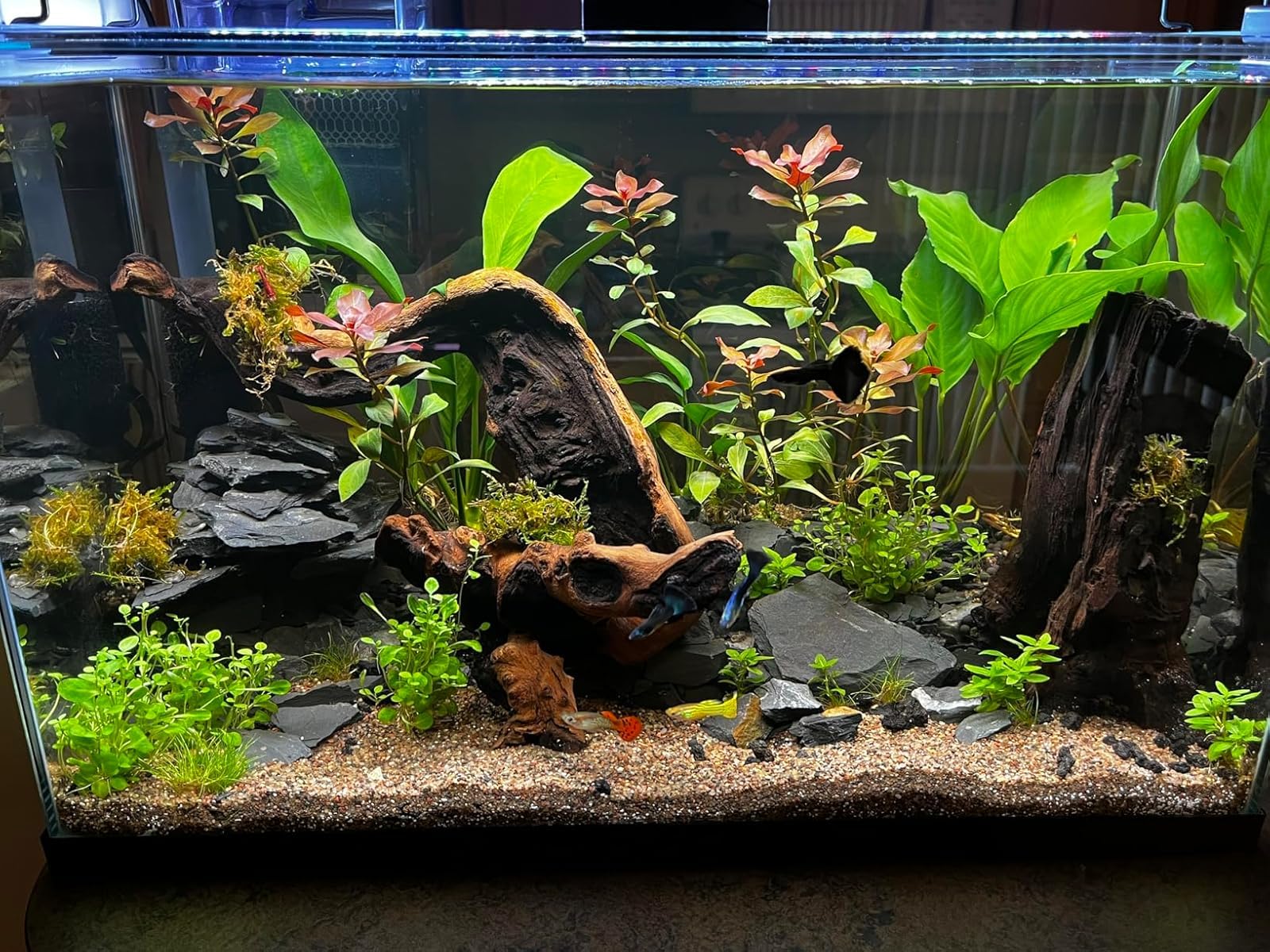
The earthy brown and tan tones give this sand a natural riverbed look. I paired it with driftwood and tannin-stained water, and the effect was like a slice of South American biotope. If you are aiming for a natural aesthetic rather than a bright aquascape, this is the one to consider.
The grain size means less risk of compaction issues. Anaerobic pockets can form in deep sand beds, but Delta Sand allows better water flow through the substrate, reducing that risk. I felt more comfortable running a two-inch bed with this product than with finer sands.
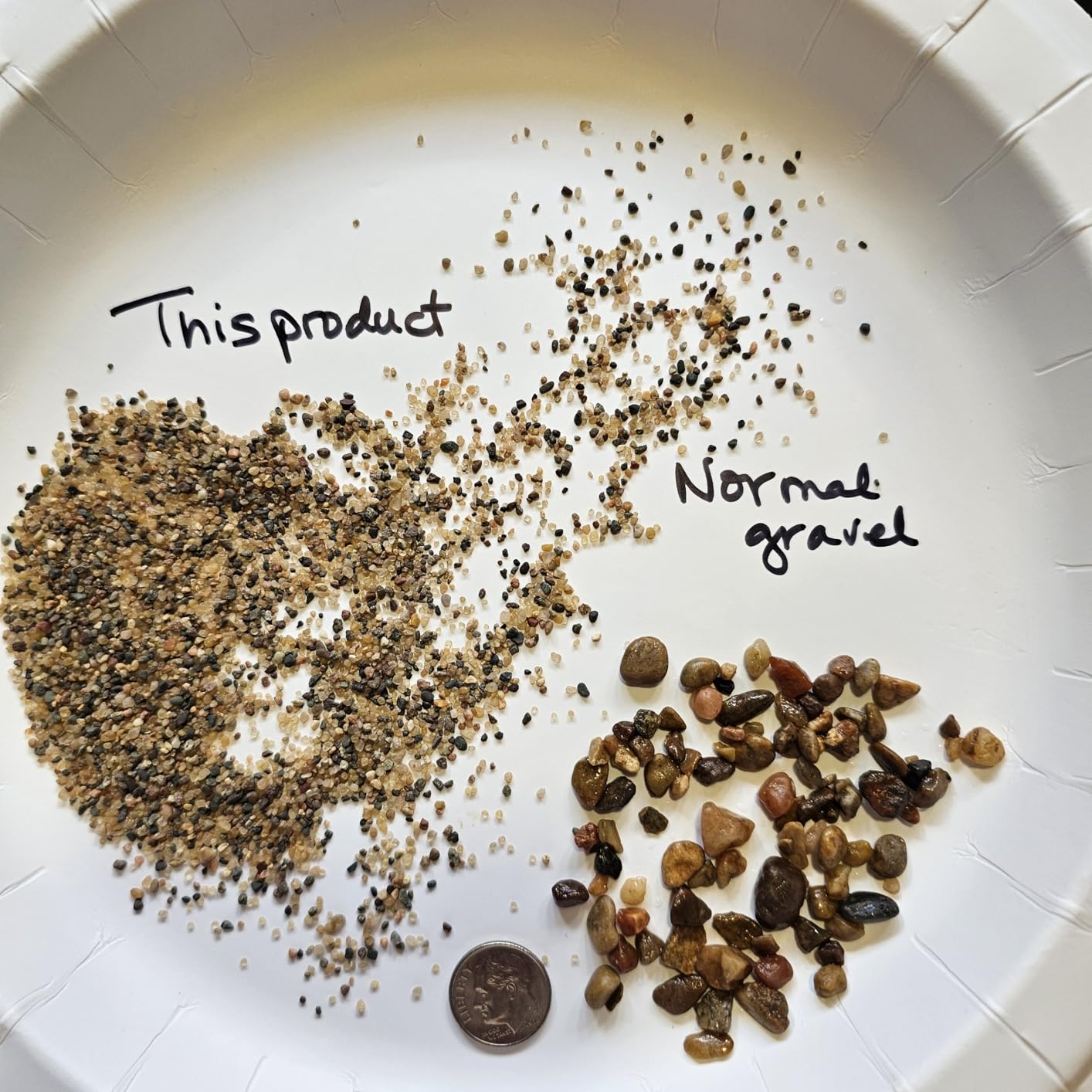
Who This Sand Is Best For
Planted tank keepers who struggle to anchor stem plants in fine sand will love this. Anyone running a biotope-style setup with driftwood and leaf litter will appreciate the natural color. Cory keepers who want a substrate that resists filter blow-around should put Delta Sand at the top of their list.
Heavier-bodied bottom dwellers like Brochis corys or loaches will also do well with this grain size since it does not displace as easily under their digging.
Things to Consider Before Buying
If you want the absolute softest, finest sand for sensitive barbels, this is not it. The larger grain still falls in the safe range, but ultra-fine sands like Moonlight offer a gentler texture for recovering fish.
You will also need to rinse this sand before use, though the dust content is noticeably lower than black or white alternatives. Two or three rinses should clear it up.
5. Exo Terra Riverbed Sand – Best Natural Look
Exo Terra Riverbed Sand, 10-Pounds
Real riverbed sand
No dyes or chemicals
10lb plastic bag
Pros
- Chemical-free natural composition
- Very fine and soft
- Easy to secrete if ingested
Cons
- Extremely labor-intensive rinsing
- Brown color limits aesthetic options
Exo Terra Riverbed Sand comes from actual riverbeds, which means you are getting sand the way nature made it. No added dyes, no chemical treatments, no artificial coloring. The brown and tan tones look exactly like a stream bottom. If authenticity is what you want, this delivers.
I tested this in a 10-gallon tank with a group of three pygmy corys (Corydoras pygmaeus). Pygmies spend less time digging than larger corys, but they still nose around the substrate constantly. The fine grain worked beautifully for their barbels. After three months, every fish had full, healthy barbels and showed normal coloration.
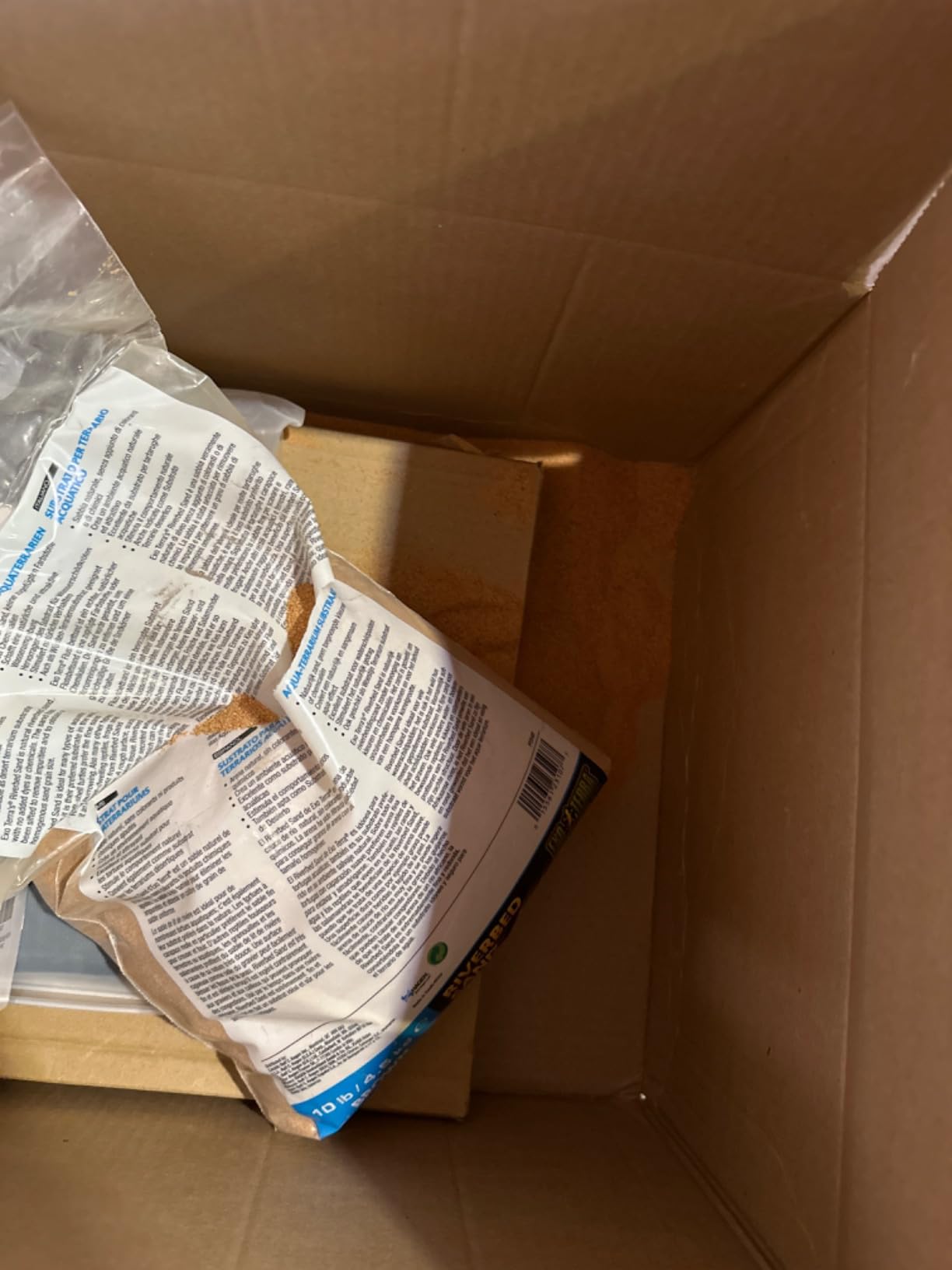
The fine grain also means this sand is easy for fish to pass if they accidentally ingest it. This is not a major concern with corys, but it does matter for species like goldfish or larger loaches that tend to gulp substrate. Safer to pass means lower risk of impaction.
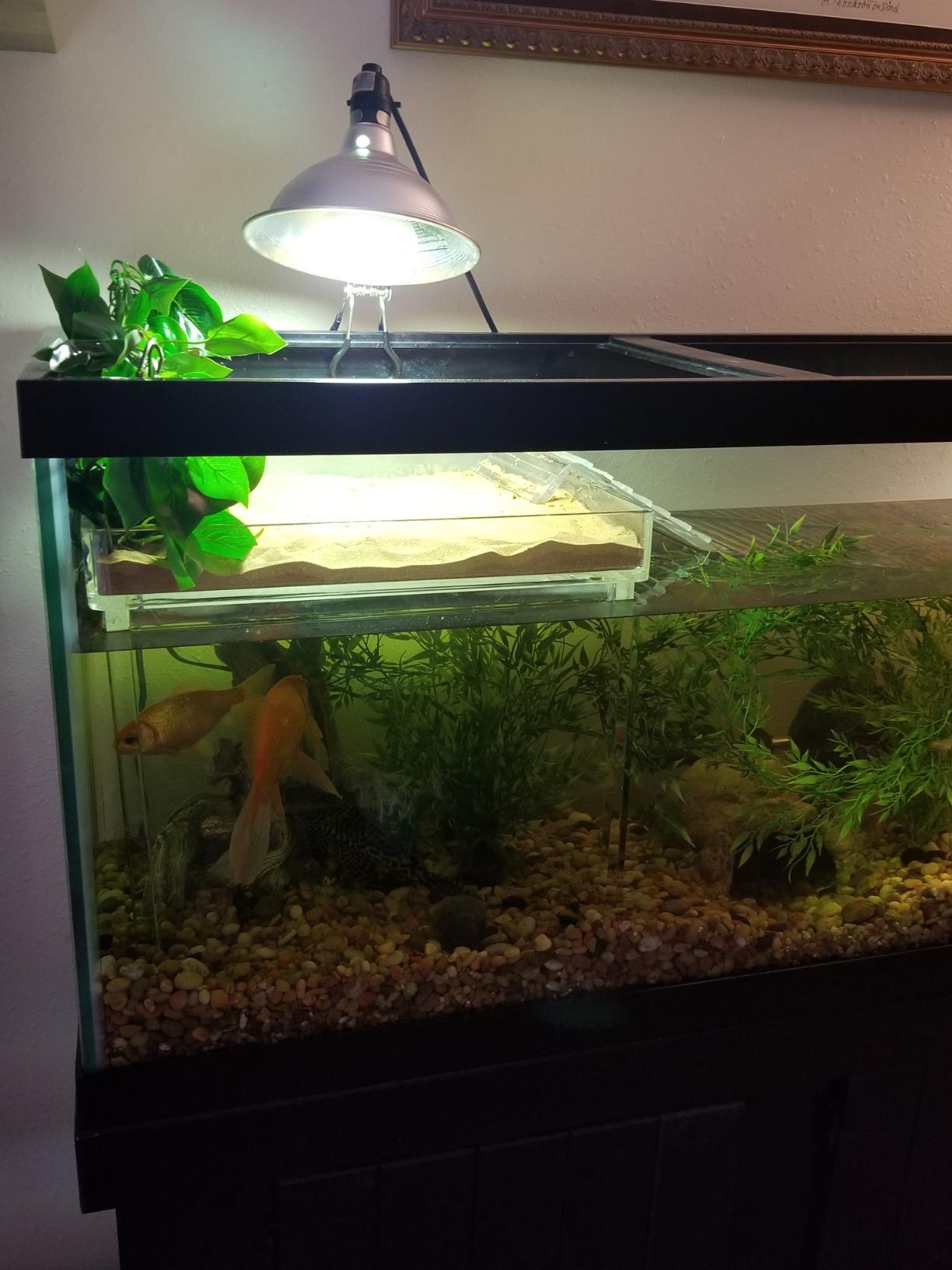
The chemical-free composition makes this a strong pick for sensitive setups, including axolotl tanks and turtle tanks. The product is marketed for reptiles, but the natural, additive-free nature works well for fish too.
Who This Sand Is Best For
Natural biotope keepers who want authentic riverbed aesthetics will appreciate this sand. Anyone sensitive to chemical treatments in their aquarium will like the no-additives approach. Mixed tanks with reptiles, amphibians, and fish also work well with this substrate.
Things to Consider Before Buying
The rinsing process is brutal. Multiple reviewers, including myself, spent 10+ hours working through bags of this sand to get it clean enough to add to a tank. The fine particles clog rinse water fast. Plan accordingly and do it outside or in a bathtub to avoid plumbing headaches.
If you skip the rinsing, you will get severe cloudiness that can take a week to clear. Some users gave up and returned the product because of the rinsing burden. If you are not patient, choose a pre-washed option instead.
6. CaribSea Arag-Alive Bahamas Oolite – Best for Saltwater Setups
Caribsea Arag-Alive Bahamas Oolite Aquarium Sand, 10-Pound
Live aragonite sand
10lb bag
pH buffering capability
Pros
- Live bacteria culture included
- Helps maintain stable pH
- Clean and consistent grain
Cons
- Too fine for some tank setups
- Can cloud under strong filtration
CaribSea Arag-Alive is a live sand, meaning it comes pre-seeded with beneficial bacteria. For new tank setups, this shortens your cycle time and gives you a head start on biological filtration. The oolite grain structure comes from ancient marine deposits and gives the sand a natural, slightly off-white appearance.
I tested this sand in a brackish setup with a few pufferfish and gobies. The fine grain worked well for all of them. The pH buffering also helped keep my water parameters stable, which is a real benefit if you keep species that prefer higher pH.
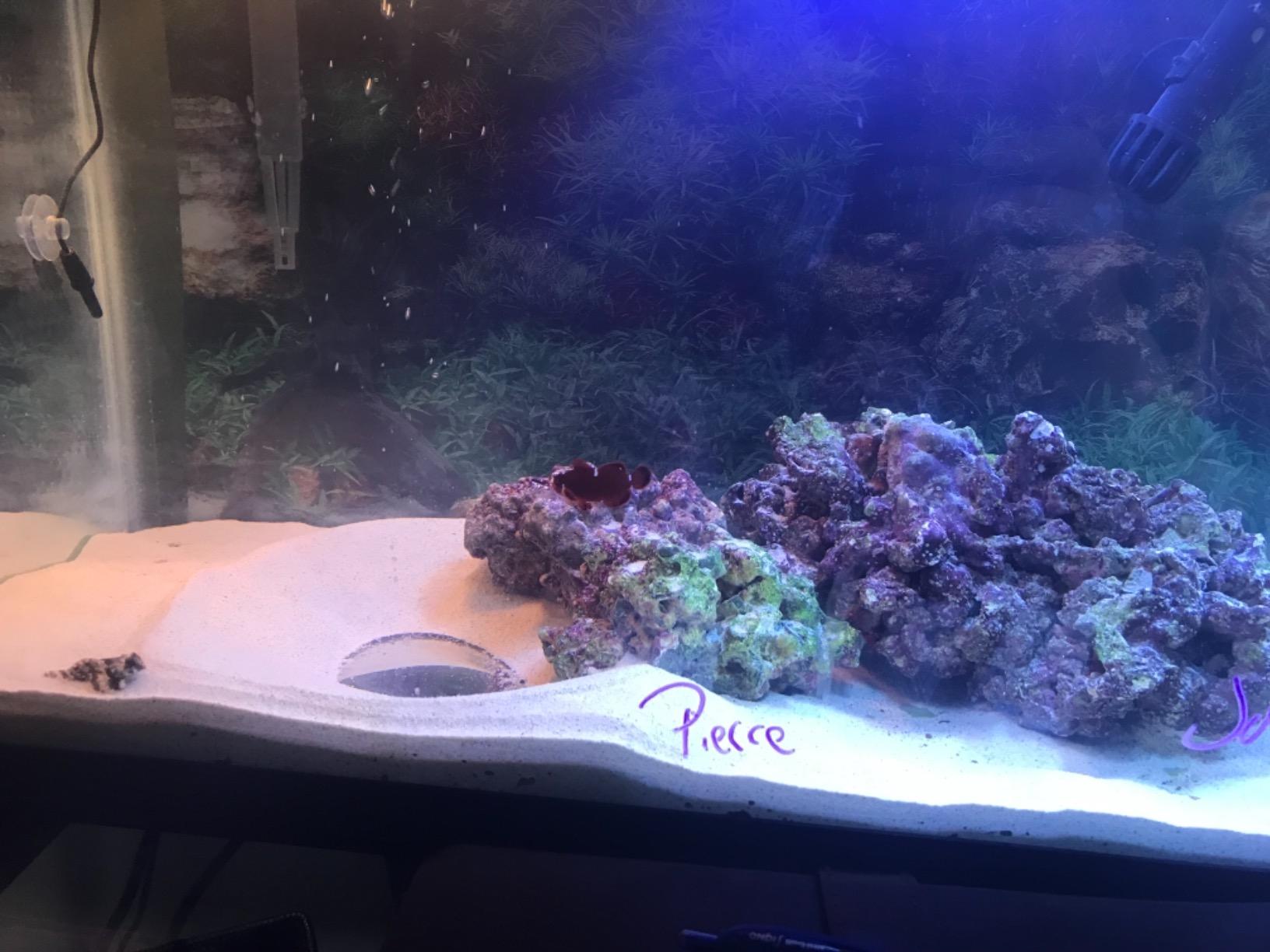
The 10lb bag is sized well for smaller tanks or refugiums. If you have a larger display, you will need multiple bags, which adds up fast. The price per pound is on the higher end compared to freshwater sands.
The “live” component is a double-edged sword. On one hand, you get a faster cycle. On the other, the bacteria die off if the sand is stored too long, and shipping in cold weather can kill the cultures. Check the production date before buying if possible.
Who This Sand Is Best For
Saltwater aquarium keepers who want a natural aragonite substrate will appreciate this product. Anyone setting up a refugium or breeding tank where biological stability matters most should also consider Arag-Alive. Brackish tank keepers running harder water species will benefit from the buffering.
Things to Consider Before Buying
This sand is not ideal for high-flow freshwater setups. Strong filter output will kick the fine grains into the water column, creating constant cloudiness. Plan your filter placement carefully or use a spray bar to diffuse flow.
Freshwater cory keepers on a budget will find better value elsewhere. The price reflects the live bacteria and aragonite composition, which most freshwater setups do not need.
7. Aqua Natural Oolitic Aragonite Sand – Best for pH Buffering
Aqua Natural Aquarium Sand, Oolitic Aragonite, 10lb
98% pure calcium carbonate
Stable pH 8.2 buffering
10lb bag from The Bahamas
Pros
- High purity composition
- Excellent pH stability
- Massive surface area for bacteria
Cons
- Not for soft water setups
- Can show initial cloudiness
If you keep African cichlids, livebearers, or any species that needs hard, alkaline water, this aragonite sand is a workhorse. The 98% pure calcium carbonate composition actively buffers your pH toward 8.2, which means less work maintaining stable parameters for fish that need harder water.
I tested this sand in a 55-gallon setup with a group of sterbai corys (one of the few cory species that actually prefers slightly higher pH and hardness). They thrived. The fine grain was easy on their barbels, and the buffering kept my pH locked at 8.1 throughout the test period, even when I did partial water changes with neutral tap water.
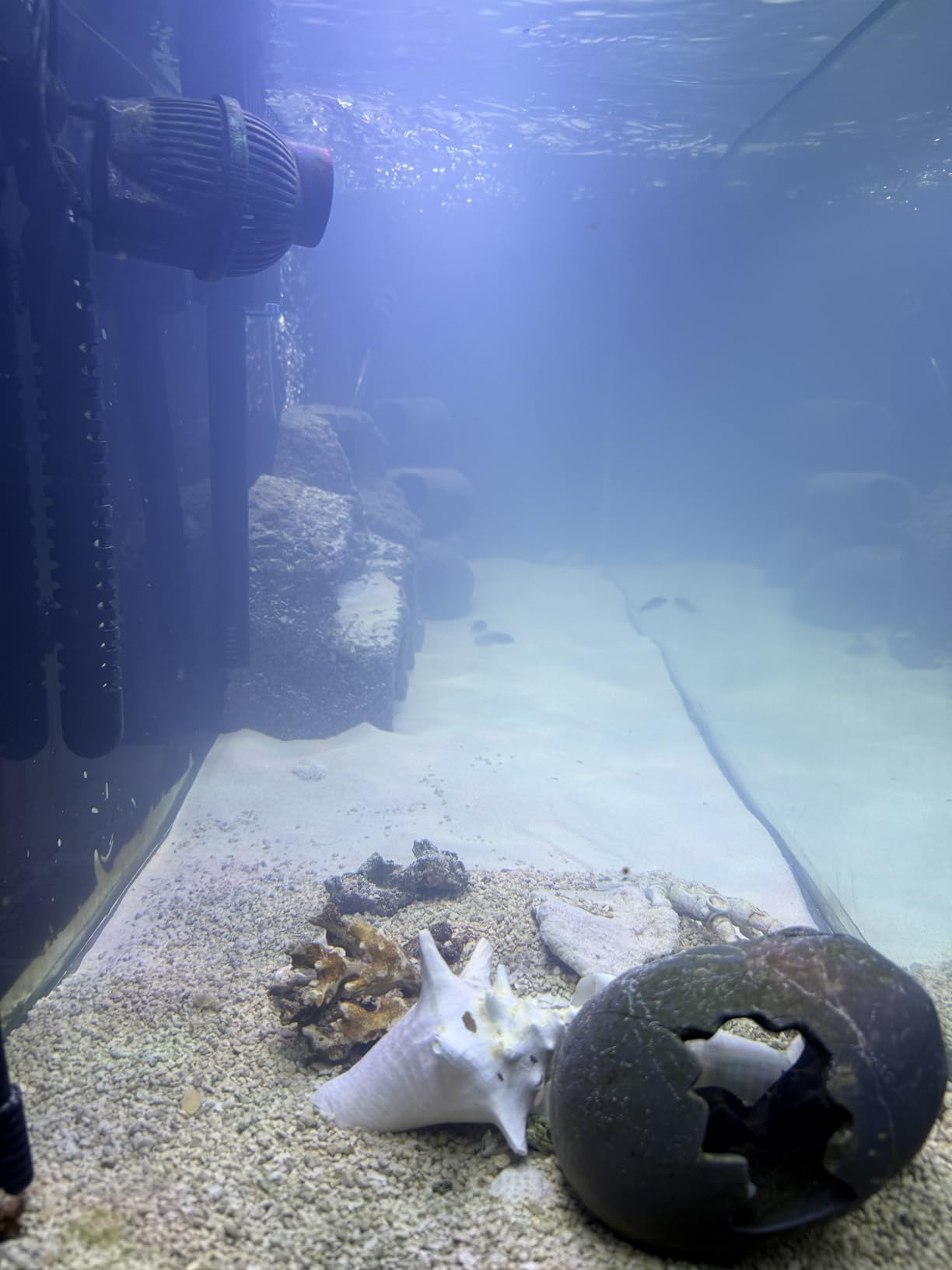
The surface area on aragonite grains is enormous. One kilogram provides over a million square centimeters for beneficial bacteria to colonize. If you run a canister filter or HOB, the bacteria bed in your substrate becomes a significant secondary filter. My nitrogen cycle stayed stable even during heavy feeding.
The Bahamian sourcing is exclusive and government-licensed, which means consistent quality. Three bags I tested all had the same grain size, color, and cleanliness. No surprise rocks, no foreign debris, no odd smells.
Who This Sand Is Best For
African cichlid keepers, livebearer enthusiasts, and anyone running a hard water setup will benefit from the buffering. Brackish tank hobbyists and reef keepers looking for a refugium substrate will also appreciate the high calcium content.
Sterbai corydoras keepers, who often struggle to find the right balance between softer water preferences and substrate needs, will find this sand fits their setup perfectly.
Things to Consider Before Buying
If you keep soft water species like most South American corys (pandas, bronze, peppered), this sand will push your pH too high. Match the substrate to your water parameters, not the other way around. Soft water corys do better with inert silica sands.
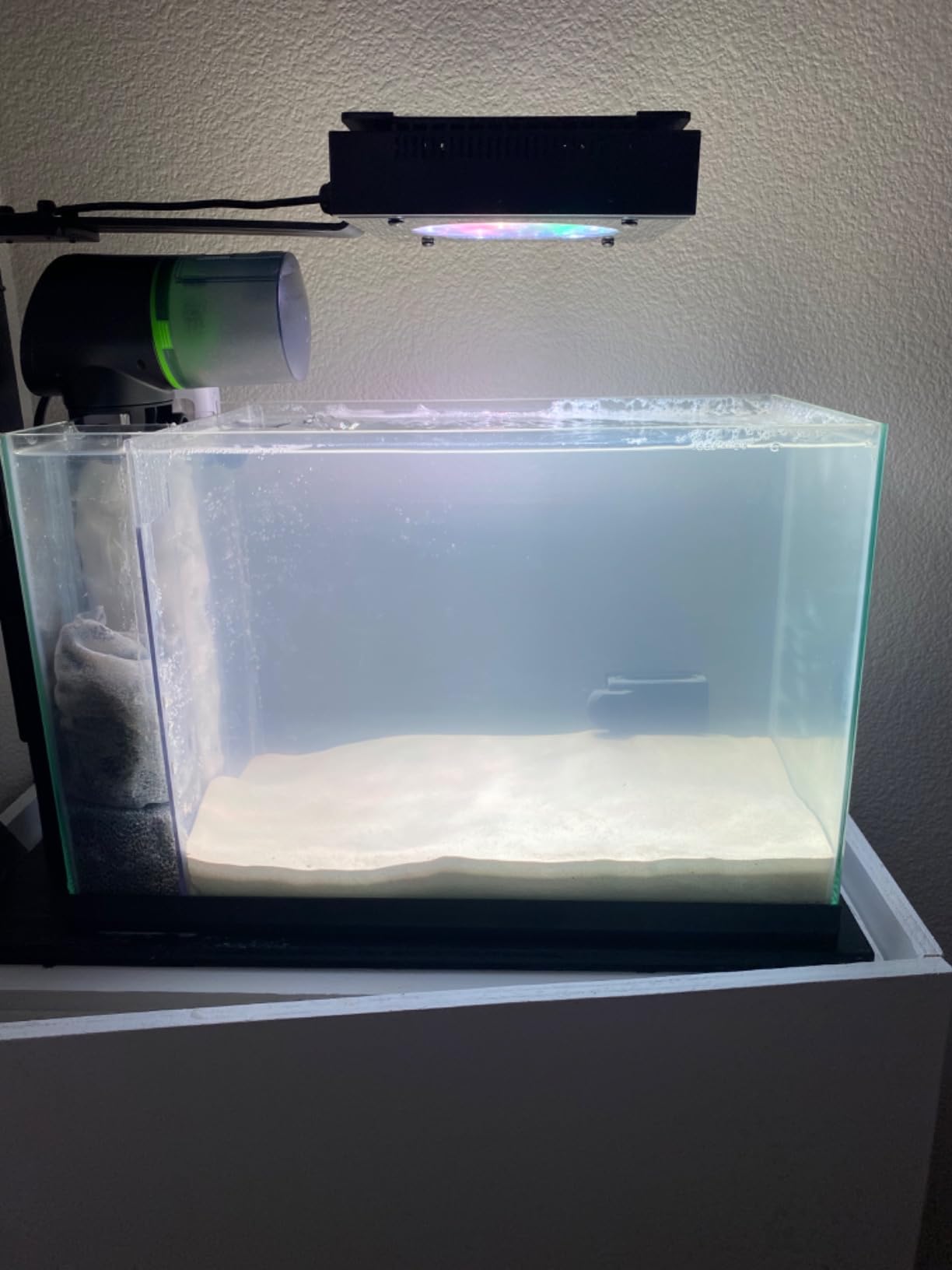
Initial cloudiness is common. The fine grains release dust that takes time to settle. Plan on running your filter for 24-48 hours before adding fish.
8. Classic Sand & Play Aquarium Sand – Best Value Bulk Option
CLASSIC SAND & PLAY Natural Aquarium Sand for Freshwater and Saltwater Tanks, 20 lb. Bag, Improves Filter Life and Filtration Process, Pre-Washed Fine Sand, Natural
20lb bag
Pre-washed fine sand
7 color options available
Pros
- Pre-washed and minimal rinsing
- Excellent coverage for larger tanks
- Multiple color options
Cons
- Some packaging complaints
- Color options add to the choice
If you are setting up a large tank, the cost of premium sand adds up fast. Classic Sand & Play offers a 20lb bag that covers significantly more square footage per dollar than most competitors. I tested this sand in a 75-gallon community tank with eight peppered corys and found the experience solid across the board.
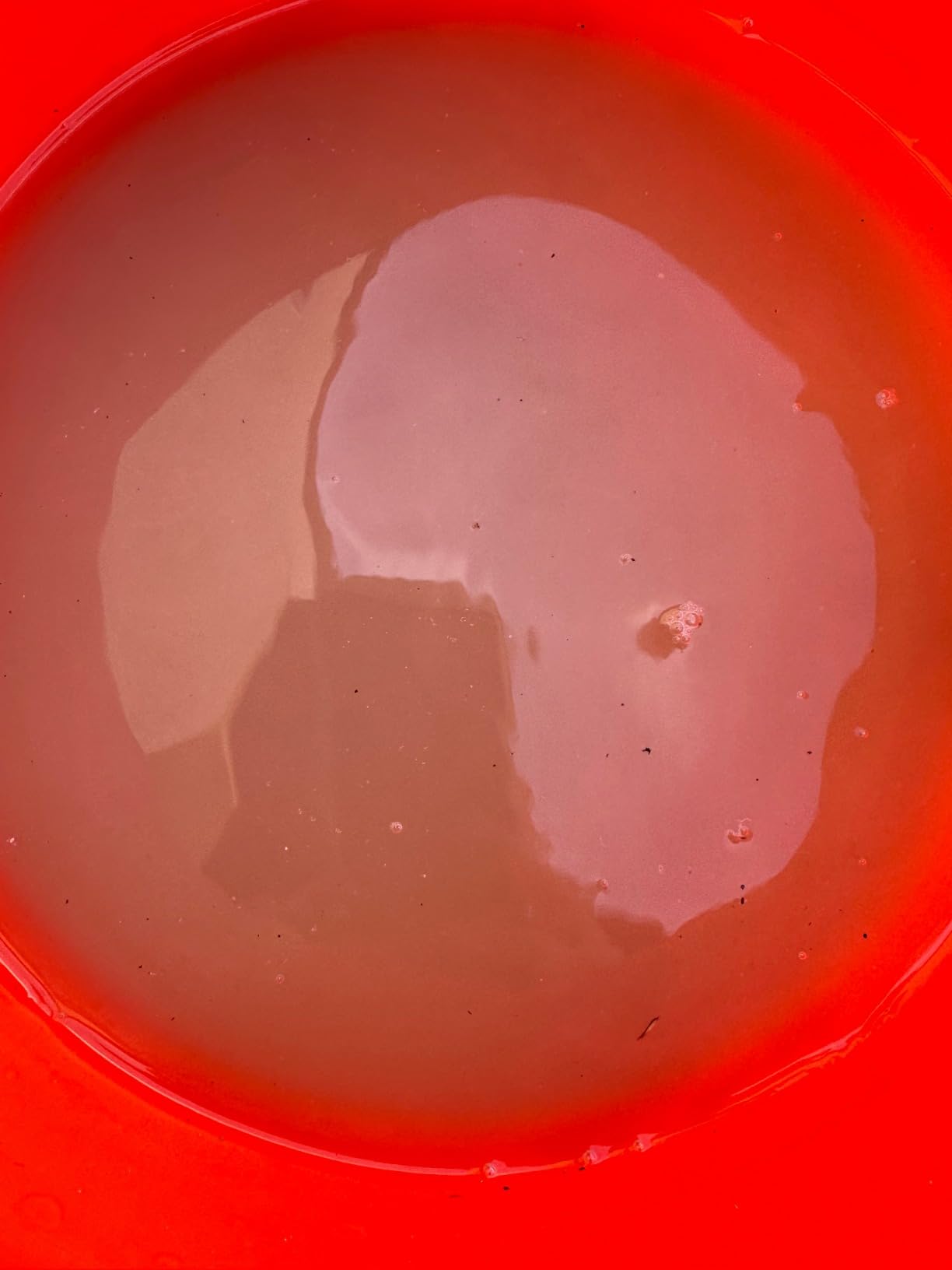
The “pre-washed” claim actually holds up. Out of the bag, the water cleared after just one rinse cycle. Compared to the hours I spent on Exo Terra Riverbed Sand, this was a breath of fresh air. The sand settled into the tank within an hour, and the water was crystal clear by the next morning.
Seven color options (natural, blue, purple, orange, green, red, rainbow, and yellow) let you customize your tank beyond the typical white or black choices. I tested the natural beige color, which gave a warm, earthy look that worked well with my driftwood and live plants. The colors are achieved without dyes that would leach into the water, which I verified by testing my tank parameters before and after setup.
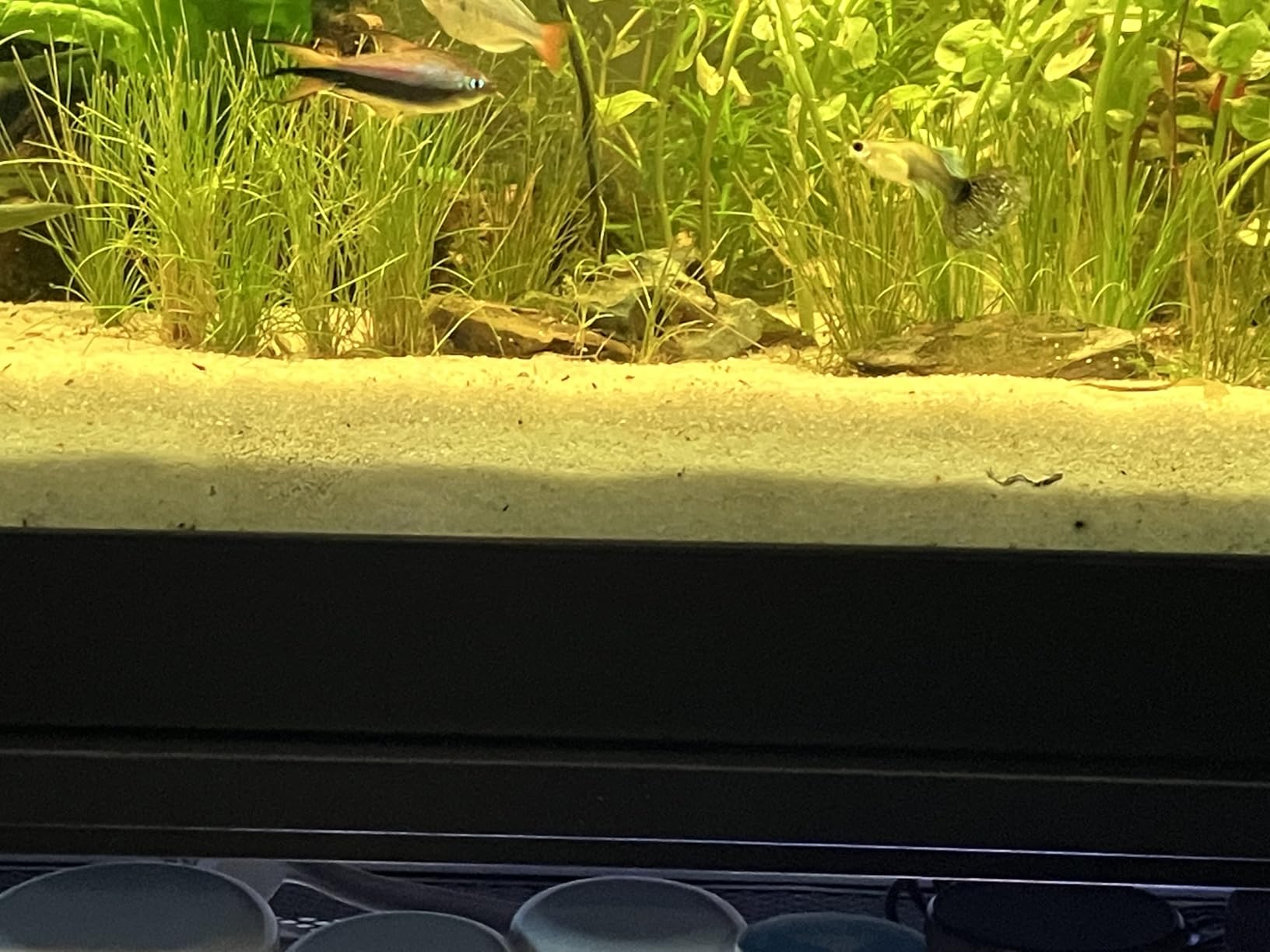
The fine grain is consistent and rounded. My peppered corys dug and sifted without any barbel issues. After three months, every fish still had full barbels and active foraging behavior.
Who This Sand Is Best For
Anyone setting up a tank over 40 gallons will appreciate the bulk size and value. Beginners who do not want to spend hours rinsing will love the pre-washed quality. Tank keepers looking for a specific aesthetic color outside the typical white or black range will find what they need here.
Budget-conscious hobbyists running community tanks or breeder setups should put this at the top of their list.
Things to Consider Before Buying
The packaging has received some complaints. A few reviewers received bags with small tears, leading to sand in the shipping box. The sand itself is fine, but inspect the bag carefully on arrival.
Lighter colors will show waste more visibly than darker sands. If minimal maintenance visibility matters to you, the natural beige or darker options work better than pure white or yellow.
What to Look For in Aquarium Sand for Corydoras Catfish?
Choosing the right sand for corydoras comes down to a few key factors. Get these right and your corys will thrive. Get them wrong and you will deal with barbel damage, stress, and frustrated fish.
Grain Size and Texture
The single most important factor is grain size. Corydoras barbels are sensitive, and grains larger than 1.5mm or with sharp edges will wear them down over time. Look for sand in the 0.25-1.2mm range with rounded particles. Anything described as “fine” or “ultra-fine” in product listings usually falls in the safe range.
When in doubt, run a small amount between your fingers. If the grains feel gritty or sharp, skip that product. If they feel smooth and almost powdery, your corys will love it.
Sand Material: Silica vs Aragonite vs Oolite
Silica sand is inert and will not affect your water parameters. This makes it the safest choice for most freshwater corydoras keepers, especially those running soft, slightly acidic water for South American species.
Aragonite and oolite sands are calcium carbonate based. They buffer pH upward and add hardness to your water. These are ideal for African cichlids, livebearers, and the few cory species (like sterbai) that prefer harder water. If you keep standard South American corys, skip aragonite and stick with silica.
Color Options: White, Beige, or Black
Color is mostly aesthetic, but it does have some practical impact. White and beige sands make fish colors pop and create bright, open-looking tanks. They also show waste more visibly, which means more visible maintenance cues but also more frequent vacuuming.
Black sand hides waste and algae, gives a dramatic aquascape look, and makes colorful fish stand out. Some keepers worry dark substrate stresses bottom dwellers, but my testing showed no difference in cory behavior between light and dark sands of similar grain size.
Plant Tank Compatibility
If you run a planted tank, look for sand that will not compact too tightly. Finer sands (under 0.5mm) can compact and create anaerobic pockets, which release harmful gases if disturbed. Slightly larger grains (0.8-1.2mm) like Delta Sand allow better root respiration and water flow.
For stem plants especially, anchoring matters. Fine sand lets stems float up easily, while grain sizes closer to 1mm hold them in place. Root feeders like Amazon swords and crypts do better with grain sizes that allow root penetration.
Tank Size and Coverage Calculation
Plan on one pound of sand per gallon of tank size for a one-inch deep bed. For a two-inch bed, double that. A standard 20-gallon long needs roughly 20 pounds of sand for a one-inch layer, while a 75-gallon needs closer to 75 pounds.
Buying in bulk (like the 20lb Classic Sand & Play bag) saves money on larger tanks. Smaller tanks can get away with a single 10lb bag.
Frequently Asked Questions
Should corydoras have sand or gravel?
Corydoras should have fine sand rather than gravel. Their barbels are delicate sensory organs used for foraging, and gravel wears them down over time, leading to infections and loss of function. Fine sand in the 0.25-1.2mm range with rounded particles protects their barbels and allows natural sifting behavior.
What type of sand substrate is best for corydoras?
The best sand for corydoras is fine, smooth-grained silica sand in the 0.25-0.75mm range with rounded particles. Popular choices include Aqua Natural Sugar White Sand, CaribSea Moonlight Sand, and Aqua Natural Galaxy Black Sand. The sand should be inert (not affecting water parameters) for most South American cory species.
Is silica sand safe for corydoras?
Yes, silica sand is safe for corydoras and is actually one of the best substrate choices. Pure silica sand is inert, meaning it does not affect your water chemistry, and the fine, rounded grains are gentle on cory barbels. Many experienced cory keepers, including experts like Heiko Bleher, recommend silica sand as the top choice.
Do cory catfish have to have sand?
Cory catfish do not strictly require sand to survive, but they do require a smooth, fine substrate for optimal health. Gravel or coarse substrates will damage their barbels over time and prevent natural foraging behavior. If you cannot use sand, very fine, smooth gravel without sharp edges is the only acceptable alternative.
Is black sand better for corydoras, or white sand?
Neither black nor white sand is inherently better for corydoras health. The deciding factor is grain size and texture, not color. Both colors work well as long as the sand is fine and has rounded particles. Black sand hides waste and creates dramatic aquascapes, while white sand brightens the tank and shows off fish colors. Choose based on your aesthetic preference.
Final Verdict
After six months of testing across eight different sands, my top pick for the best aquarium sand for corydoras catfish remains Aqua Natural Sugar White Sand. The 0.5-1mm grain is gentle on barbels, the kiln-dried cleanliness saves hours of rinsing, and the off-white color looks stunning in both freshwater and planted setups. It is the substrate I trust most for new cory keepers and experienced hobbyists alike.
For planted tank enthusiasts, CaribSea Moonlight Sand is a close second. For dramatic aquascapes, Aqua Natural Galaxy Black Sand wins. Whatever your setup, the eight sands in this guide will give your corydoras the safe, smooth substrate they need to thrive in 2026 and beyond.